
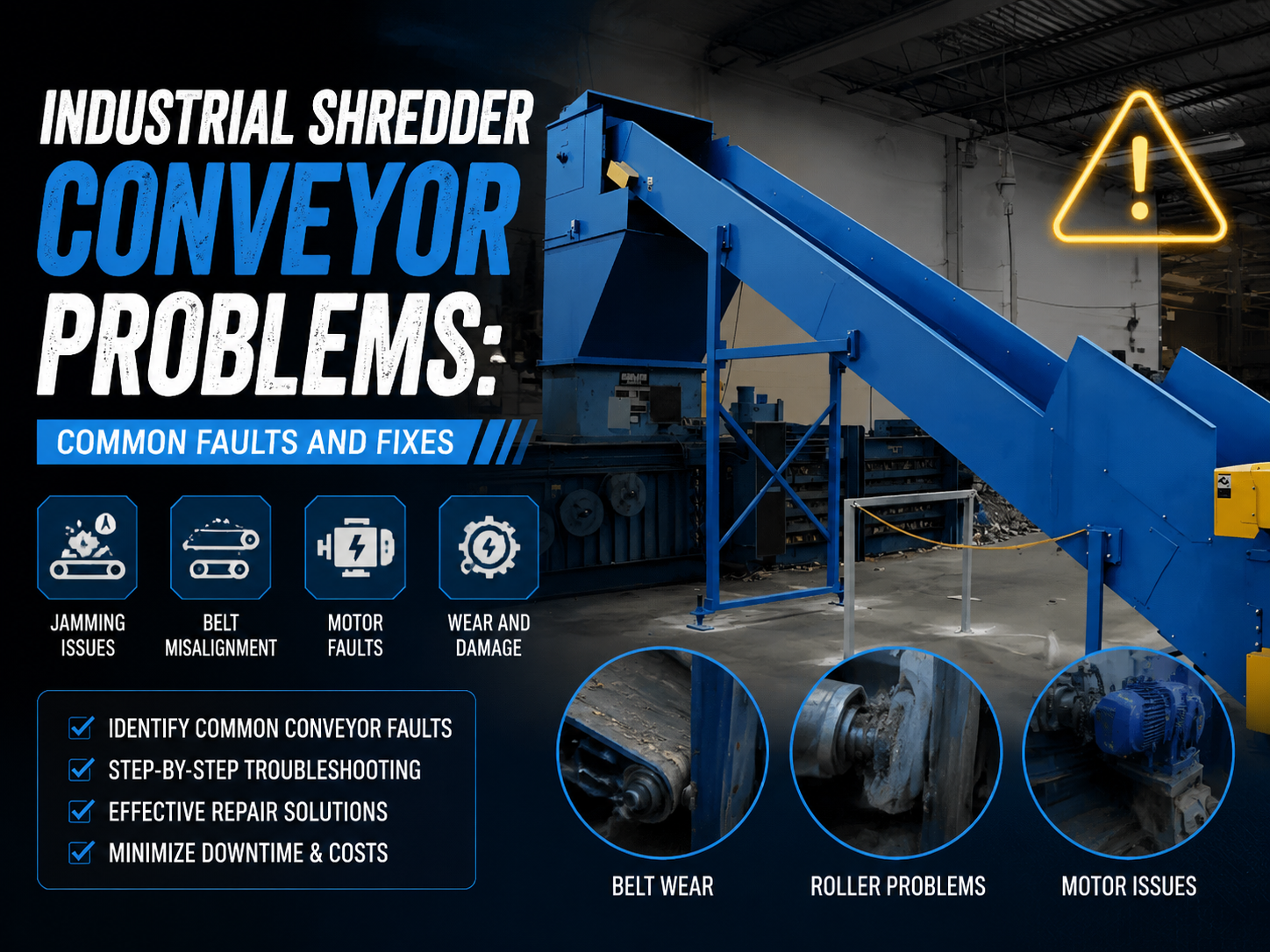
Industrial Shredder Conveyor Problems: Common Faults and Fixes

Introduction to Industrial Shredder Conveyor Systems
In the high-stakes world of metal fabrication and waste recycling, the industrial shredder is the heart of the operation. However, even the most powerful HARSLE double-shaft shredder is only as efficient as the system that feeds it and removes the processed material. The conveyor system acts as the vital circulatory system of a recycling plant. When a conveyor fails, the entire production line grinds to a halt, leading to expensive downtime, missed deadlines, and potential safety hazards. Understanding Industrial Shredder Conveyor Problems: Common Faults Fixes is essential for any facility manager or maintenance engineer looking to optimize their throughput.
Industrial conveyors used in shredding applications face unique challenges compared to those in standard warehousing. They must handle sharp metal shards, heavy irregular loads, abrasive dust, and high-impact forces. Whether it is an infeed conveyor struggling to move bulky scrap or a discharge conveyor dealing with hot, shredded fragments, the mechanical stress is immense. This guide provides a deep dive into the most frequent issues encountered in these systems and offers technical solutions to keep your machinery running at peak performance.
At HARSLE, we recognize that a shredder is a significant investment. Ensuring that the peripheral equipment, particularly the conveyor, is well-maintained is the best way to protect that investment. By identifying early warning signs of conveyor failure, operators can transition from reactive repairs to proactive maintenance, significantly extending the lifespan of the equipment and reducing the total cost of ownership.
Key Considerations for Conveyor Reliability
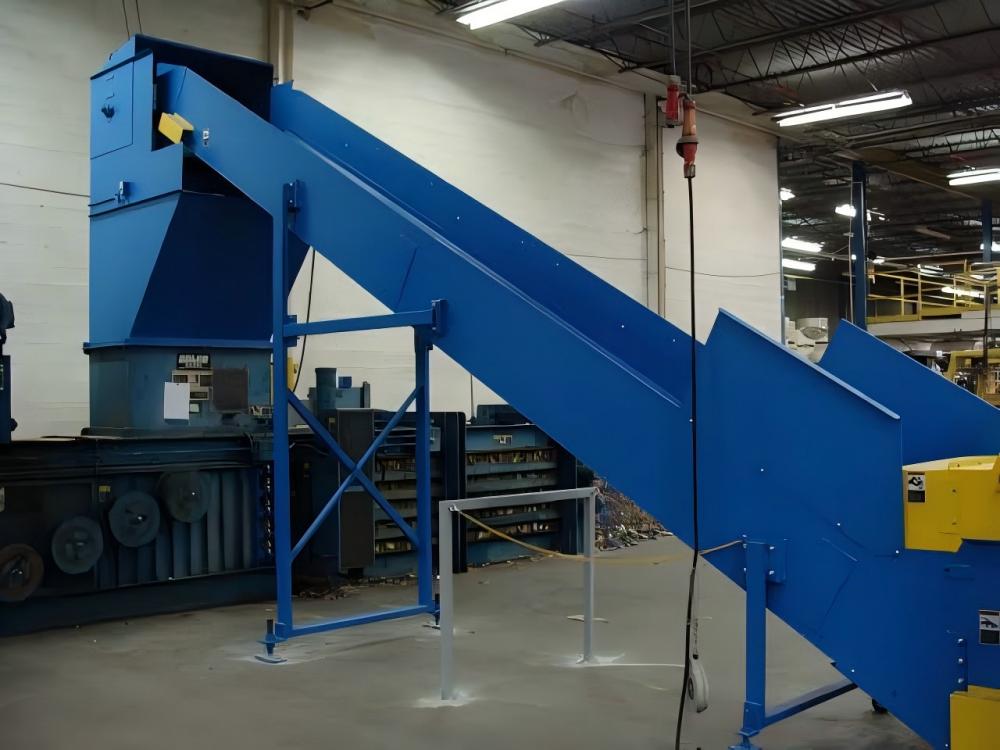
Before diving into specific faults, it is crucial to understand the factors that influence the reliability of an industrial shredder conveyor. The first consideration is material compatibility. Not all conveyors are created equal; a belt designed for plastic recycling will quickly be shredded by jagged steel scrap. The choice of belt material—whether it be reinforced rubber, steel slat, or modular plastic—must align with the specific output of the shredder.
Environmental factors also play a massive role. In metal fabrication environments, fine metallic dust can infiltrate bearings and motor housings, causing premature wear. Furthermore, if the shredder is located outdoors, temperature fluctuations and moisture can lead to belt contraction, expansion, and corrosion of the structural frame. A robust conveyor design must account for these variables with sealed components and weather-resistant coatings.
Load capacity and distribution are the third major consideration. Overloading a conveyor is a primary cause of motor burnout and belt stretching. However, uneven loading is just as dangerous. If material is dumped onto one side of the belt, it creates lateral forces that lead to tracking issues. Proper hopper design and the use of vibratory feeders can help distribute the load evenly, ensuring the conveyor operates within its engineered parameters.
Finally, safety and accessibility cannot be overlooked. A conveyor that is difficult to access for cleaning and lubrication will inevitably be neglected. Modern industrial designs prioritize “maintenance-friendly” layouts, featuring easy-to-remove guards and centralized lubrication points. Ensuring that your team can safely inspect the belt while it is locked out is fundamental to a successful maintenance program.
Technical Details: Common Faults and Fixes
1. Belt Misalignment and Tracking Issues
Belt mistracking is perhaps the most common of all Industrial Shredder Conveyor Problems: Common Faults Fixes. This occurs when the belt shifts to one side of the structure, leading to frayed edges, structural damage, and material spillage. In a shredding environment, mistracking is often caused by a buildup of debris on the return rollers or pulleys. When metal dust or small fragments stick to the rollers, they effectively change the roller’s diameter, pulling the belt toward the side with the buildup.
The Fix: The first step is a thorough cleaning of all pulleys and idlers. Once clean, check the alignment of the head and tail pulleys using a laser alignment tool. If the belt continues to drift, adjust the take-up units incrementally. It is vital to make small adjustments and allow the belt to complete several full rotations before adjusting further. Installing self-aligning idlers can also provide a permanent mechanical solution to minor tracking variances.
2. Belt Slippage and Tension Loss
Slippage occurs when the drive pulley rotates but the belt remains stationary or moves slower than intended. This is usually accompanied by a screeching sound and the smell of burning rubber. In industrial shredders, slippage is often the result of excessive load or a loss of tension due to belt stretch. If the belt slips, it generates heat, which can harden the rubber and lead to cracking.
The Fix: Check the tensioning system. Most heavy-duty conveyors use a screw take-up or a gravity take-up system. Ensure the tension is set to the manufacturer’s specifications. If the belt is old and has reached its maximum stretch limit, a section may need to be removed and the belt re-spliced. Additionally, check the “lagging” on the drive pulley. If the rubber coating on the pulley is worn smooth, it will lose its grip on the belt and require replacement.
3. Motor and Drive Train Failures
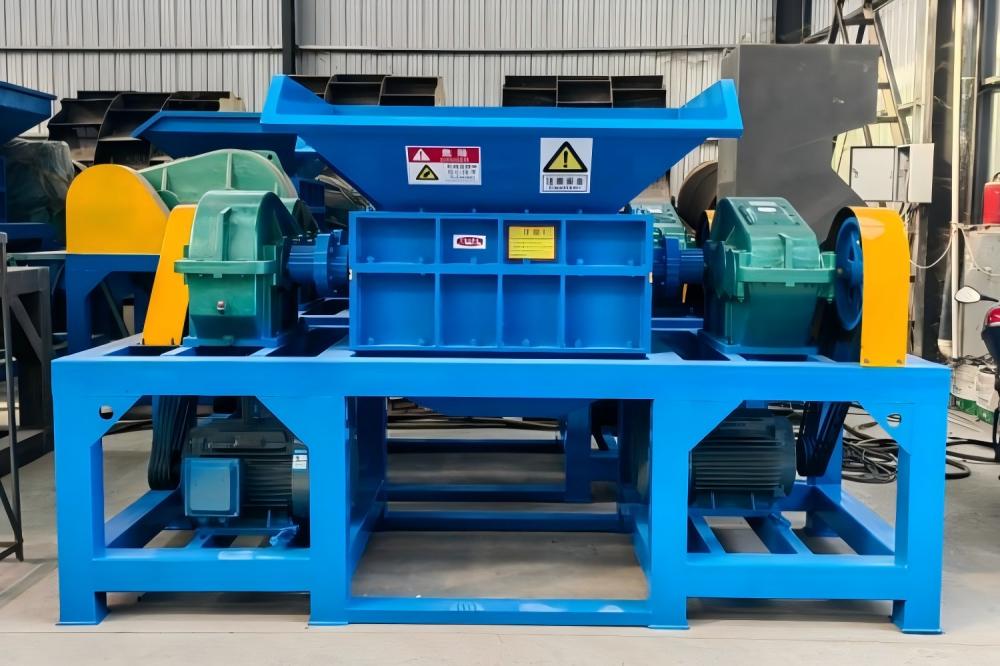
The motor and gearbox are the muscles of the conveyor. In shredding applications, these components are subjected to frequent starts, stops, and shock loads. Common faults include overheating, excessive vibration, and oil leaks from the gearbox. Overheating is often caused by an undersized motor trying to move a jammed belt or by a failure in the Variable Frequency Drive (VFD) settings.
The Fix: Regularly monitor the motor’s operating temperature and current draw. If the motor is pulling more amps than its rated capacity, investigate the conveyor for mechanical obstructions or excessive friction. Ensure the gearbox oil is changed according to the service manual, using the correct viscosity for the operating environment. If vibration is detected, check the coupling between the motor and the gearbox for misalignment or wear.
4. Material Carryback and Spillage
Carryback refers to the small particles of shredded material that stick to the belt after it has passed the discharge point. These particles eventually fall off under the conveyor, creating a mess and potentially damaging the return idlers. In metal shredding, carryback can be particularly destructive as sharp metal fines can get wedged between the belt and the pulleys, causing punctures.
The Fix: Install high-quality belt scrapers or cleaners at the head pulley. For shredded metal, a primary tungsten carbide scraper followed by a secondary brush cleaner is often effective. Additionally, ensure that the skirting boards along the loading zone are properly adjusted. Worn skirting allows material to escape the sides of the belt, leading to significant waste and safety hazards.
5. Bearing and Roller Seizure
Conveyor rollers (idlers) contain bearings that must spin freely. In the dusty environment of a metal recycling plant, these bearings are prone to contamination. A seized roller creates friction against the belt, which can lead to a fire hazard or cause the belt to wear through the roller shell, creating a sharp “knife edge” that can slice the belt longitudinally.
The Fix: Implement a regular lubrication schedule using a grease that is resistant to high temperatures and contaminants. Listen for “chirping” or grinding noises, which indicate a bearing is failing. Seized rollers should be replaced immediately. Using “sealed-for-life” bearings can reduce maintenance requirements, but they must still be inspected visually for signs of rotation failure.
Selection Advice for Industrial Shredder Conveyors
Choosing the right conveyor is the best way to prevent Industrial Shredder Conveyor Problems: Common Faults Fixes before they start. When selecting a conveyor for a HARSLE shredder, consider the following technical specifications:
| Feature | Requirement for Metal Shredding | Benefit |
|---|---|---|
| Belt Type | Steel-reinforced or Slat Conveyor | Resists punctures and heavy impacts. |
| Drive System | High-torque Gearmotor with VFD | Allows for controlled starts and speed adjustment. |
| Frame Construction | Heavy-gauge Channel Steel | Prevents warping under heavy scrap loads. |
| Incline Angle | Maximum 20-25 degrees (unless cleated) | Prevents material from sliding backward. |
| Safety Features | Pull-cord E-stops and Guarding | Ensures operator safety and OSHA compliance. |
Furthermore, consider the integration of magnetic separators. If your shredding process involves separating ferrous from non-ferrous metals, the conveyor must be designed to accommodate an over-belt magnet or a magnetic head pulley. This requires non-magnetic stainless steel sections in the conveyor frame to prevent the magnet from sticking to the structure itself.
Lastly, always look for modularity. A conveyor system that can be easily extended or reconfigured provides your business with the flexibility to grow. HARSLE offers customizable conveyor solutions that are specifically engineered to match the output capacity of our industrial shredders, ensuring a seamless flow of material from start to finish.
Frequently Asked Questions (FAQ)
How often should I inspect my shredder conveyor?
A daily visual inspection is recommended to check for belt tracking and obvious debris. A more thorough weekly inspection should include checking belt tension, scraper wear, and listening for bearing noise. Monthly maintenance should involve checking gearbox oil levels and motor electrical connections.
Why is my conveyor belt fraying at the edges?
Fraying is almost always a sign of mistracking. The belt is rubbing against the conveyor frame or a fixed guard. You must realign the belt and check for any structural obstructions that may be contacting the belt edges.
Can I use a standard PVC belt for metal shredding?
Generally, no. Standard PVC belts are easily punctured by sharp metal fragments. For metal shredding, a heavy-duty rubber belt with multiple fabric plies or steel cord reinforcement is necessary. For very sharp or hot materials, a steel slat conveyor is the preferred choice.
What causes the conveyor to jerk or vibrate during operation?
Jerking is often caused by a “slip-stick” phenomenon, where the belt is under-tensioned or the drive pulley lagging is worn. Vibration can be caused by a failed bearing, a bent roller shaft, or an imbalanced motor. Check all rotating components for mechanical integrity.
How do I stop material from leaking out of the loading hopper?
Ensure that the rubber skirting is in contact with the belt but not applying excessive pressure. As the skirting wears down, it must be adjusted downward. If the gap is too large, material will escape. Using a “dual-seal” skirting system can provide better containment for fine particles.
Conclusion
Maintaining an efficient recycling operation requires constant vigilance over every component, and the conveyor system is no exception. By understanding the common Industrial Shredder Conveyor Problems: Common Faults Fixes, operators can significantly reduce downtime and repair costs. From ensuring proper belt tracking to selecting the right drive system for heavy-duty loads, every detail contributes to the overall productivity of the plant.
HARSLE remains committed to providing not just world-class shredding machinery, but also the knowledge and support needed to keep that machinery running. Regular maintenance, proper operator training, and the selection of high-quality replacement parts are the cornerstones of a successful industrial operation. By following the guidelines outlined in this article, you can ensure that your conveyor system remains a reliable link in your production chain, rather than a bottleneck. Remember, a well-maintained conveyor doesn’t just move material; it moves your business forward.


