How to Troubleshoot Low Output on an Industrial Shredder: A Comprehensive HARSLE Guide

Introduction to Industrial Shredder Performance
In the world of waste management and material recycling, the industrial shredder is the workhorse that drives the entire process. Whether you are processing scrap metal, plastics, electronic waste, or wood, the efficiency of your operation is directly tied to the throughput of this machine. When production slows down, it doesn’t just affect one department; it creates a bottleneck that can halt the entire supply chain, leading to increased labor costs and missed deadlines. Learning how to troubleshoot low output on an industrial shredder is a critical skill for any facility manager or maintenance engineer.
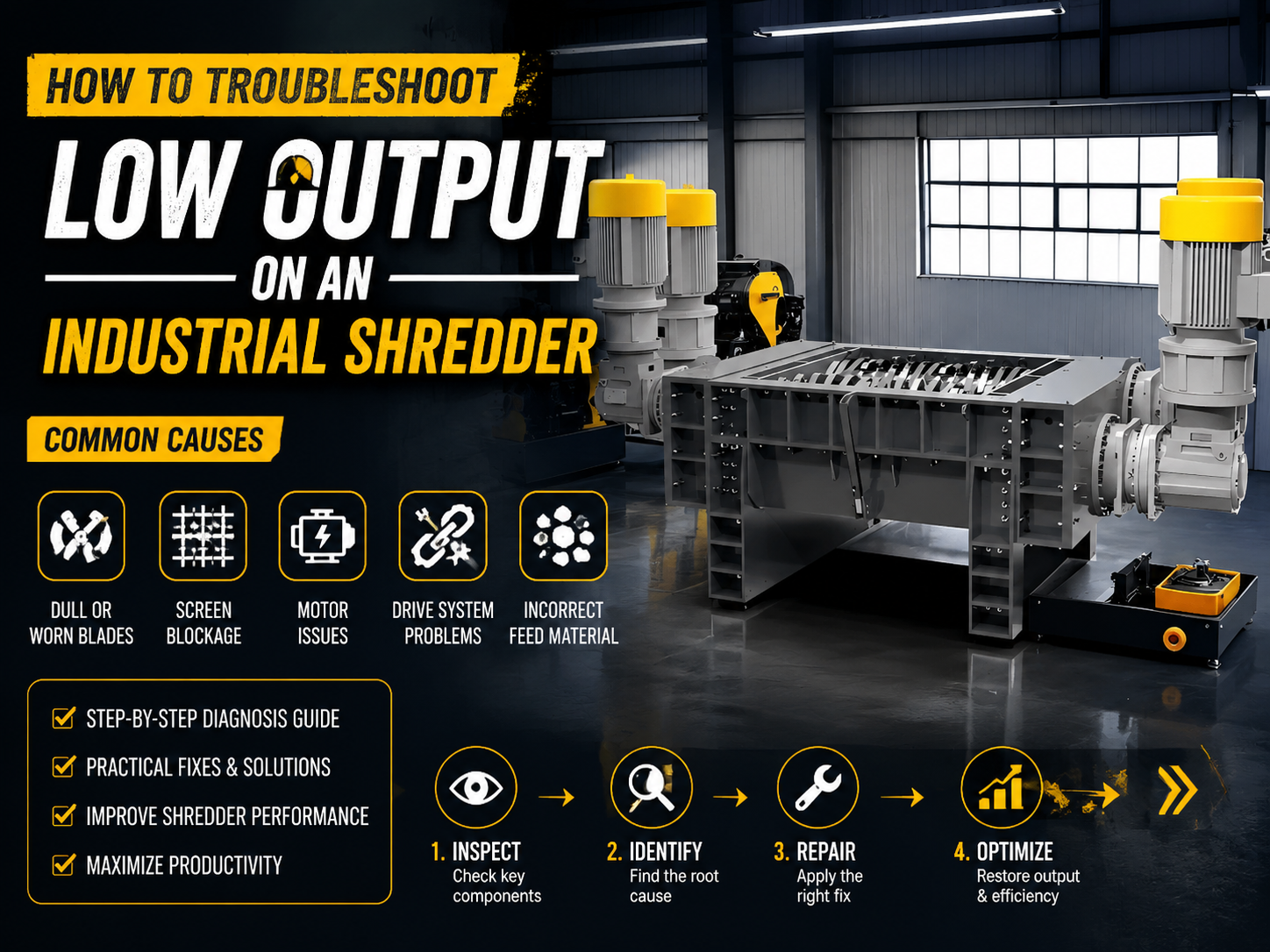
Low output is rarely the result of a single catastrophic failure. Instead, it is often a cumulative effect of minor wear, improper settings, or environmental factors. At HARSLE, we understand that every minute of downtime or reduced capacity costs money. This guide is designed to provide a deep dive into the technical and operational factors that influence shredder performance. By systematically analyzing the machine’s components—from the cutting chamber to the hydraulic power unit—you can identify the root cause of performance drops and restore your equipment to its peak operating capacity.
Before diving into the mechanical specifics, it is important to establish a baseline. What was the machine’s original rated capacity? Has the material being processed changed in density or moisture content? Often, what appears to be a mechanical fault is actually a change in the input material. However, if the material remains consistent and the output has dropped, it is time to perform a rigorous technical audit. This article will walk you through the key considerations, technical details, and selection advice necessary to maintain a high-performance shredding operation.
Key Considerations for Shredder Throughput
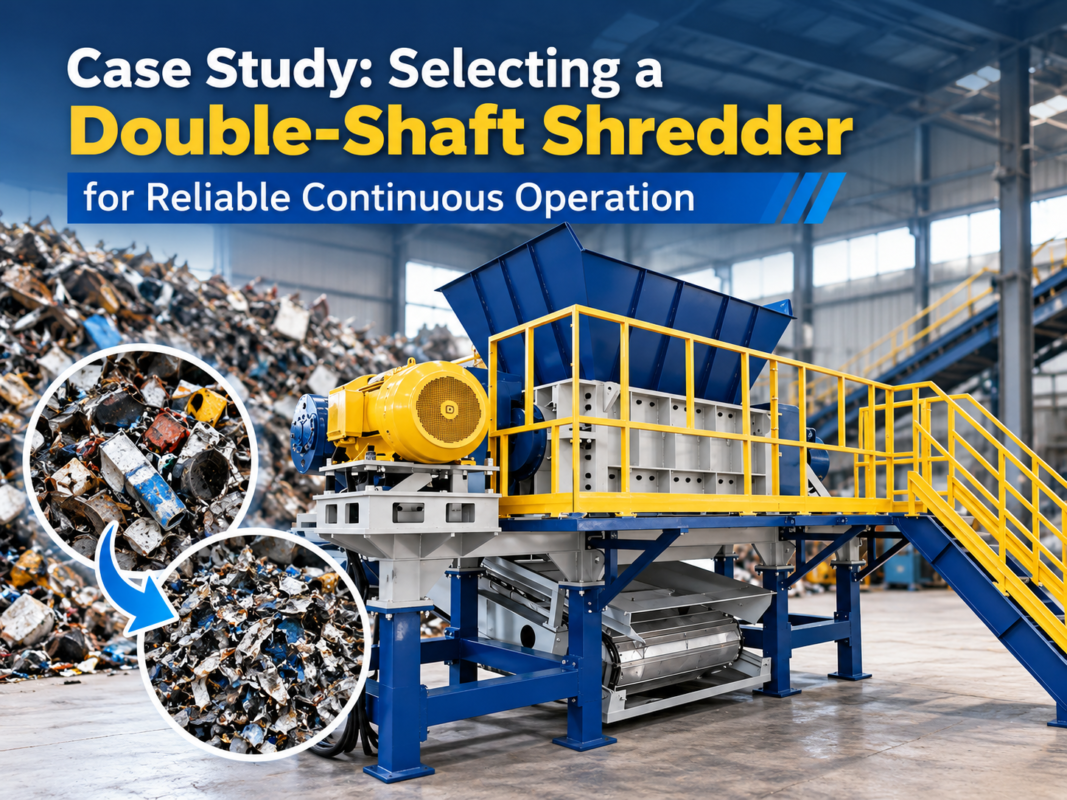
When you begin to troubleshoot low output on an industrial shredder, the first place to look is the feeding system. Inconsistent feeding is one of the most common causes of reduced throughput. If the hopper is underfilled, the blades spend time spinning without material to grab. Conversely, if the hopper is overfilled, the machine may enter frequent ‘auto-reverse’ cycles to prevent jamming. These cycles, while necessary for machine protection, significantly reduce the net output over an eight-hour shift. Achieving a ‘metered feed’—where material is introduced at a steady, continuous rate—is essential for maximizing efficiency.
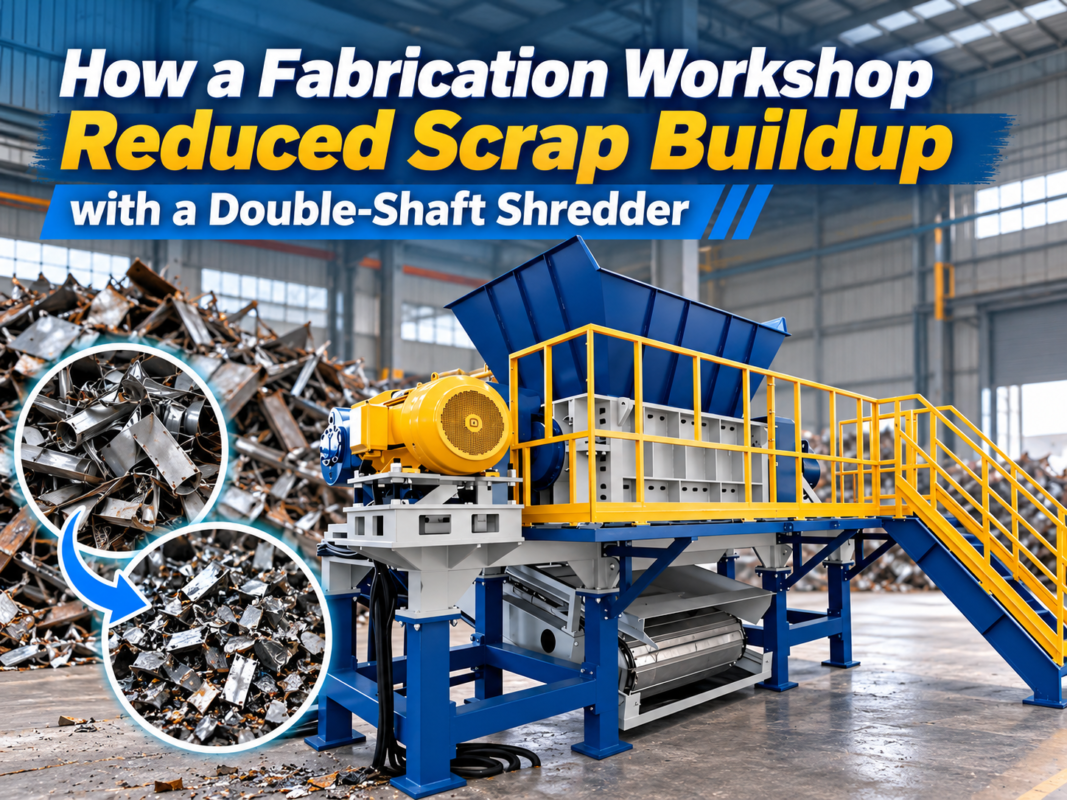
The condition of the cutting tools is the next major consideration. Industrial shredders rely on the principle of shearing or tearing. As blades (or knives) dull, they lose their ability to grab and pull material into the cutting chamber. Instead of a clean cut, the material may bounce on top of the shafts or become wedged between the blades and the spacers. This increases friction, raises the temperature of the machine, and forces the motor to work harder for less output. Regular inspection of blade sharpness and the gap (clearance) between counter-knives is a non-negotiable part of maintenance.
Another critical factor is the discharge system. If the shredded material cannot leave the machine quickly, it will build up under the cutting chamber, eventually backing up into the blades. This is particularly common in machines equipped with sizing screens. If the screen holes are clogged with sticky material or if the discharge conveyor is moving too slowly, the shredder will effectively ‘choke’ on its own output. Monitoring the area beneath the shredder is just as important as monitoring the hopper.
Finally, consider the power delivery system. An industrial shredder requires immense torque to process tough materials. If the hydraulic pressure is low or if the electric motor is experiencing voltage drops, the machine will stall more frequently. Stalling leads to more reverse cycles, which, as mentioned, kills productivity. Ensuring that your facility’s power infrastructure meets the machine’s peak demand requirements is a foundational step in troubleshooting performance issues.
Technical Details: Analyzing the Mechanics of Failure
To effectively troubleshoot low output on an industrial shredder, one must understand the relationship between torque, RPM, and material resistance. Most modern shredders utilize a PLC (Programmable Logic Controller) to manage the interaction between the motor and the shafts. When the PLC detects a spike in amperage (for electric drives) or pressure (for hydraulic drives), it assumes a jam is imminent and triggers a reverse-and-restart sequence. If your machine is reversing every few minutes, your output will drop by 30% or more. This is often caused by dull blades or an incorrect ‘bite’—the angle at which the blade meets the material.
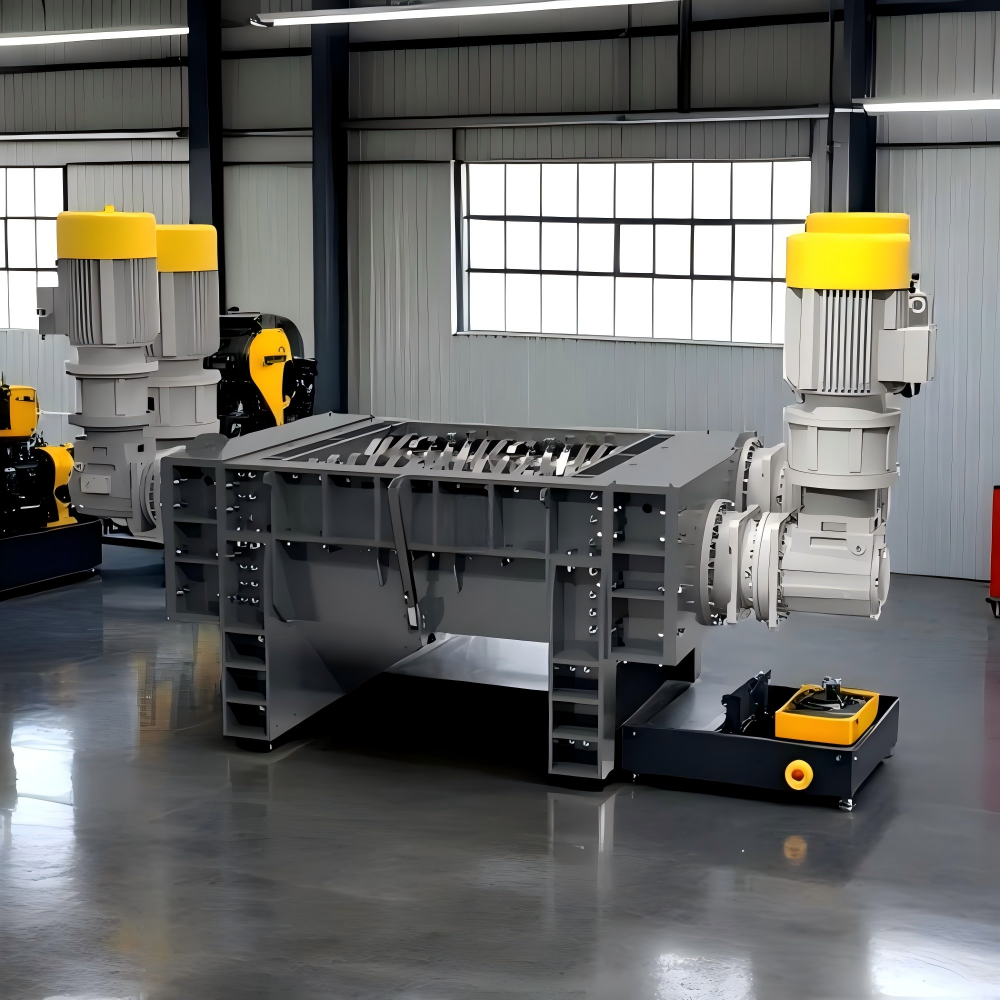
Blade geometry and material composition play a massive role in technical performance. For example, shredding scrap metal requires high-chrome or high-manganese steel blades that can withstand impact. If the wrong alloy is used, the blades will deform rather than cut, increasing the clearance between the shafts. Once this clearance exceeds the manufacturer’s specification (often as little as 0.5mm to 2mm depending on the model), the machine will begin to ‘smear’ material rather than shredding it. This smearing creates heat and consumes massive amounts of energy without producing the desired output size.
The Role of Hydraulic Systems
In hydraulic-driven shredders, the pump and motor efficiency are paramount. Over time, hydraulic fluid can degrade or become contaminated with fine particles. This leads to internal leakage within the pump, reducing the overall volumetric efficiency. If the pump cannot maintain the required flow rate at high pressure, the shafts will slow down under load. Maintenance teams should regularly check the oil temperature; if the oil is too hot, its viscosity drops, leading to a loss of torque. Installing high-efficiency oil coolers can often solve ‘afternoon slowdowns’ where the machine performs well in the morning but loses power as the day gets hotter.
Electrical and PLC Tuning
For electric-drive shredders, the Variable Frequency Drive (VFD) settings are crucial. The VFD controls the ramp-up speed and the torque limits. If the torque limit is set too low, the machine will reverse prematurely. If it is set too high, you risk breaking a shaft or damaging the gearbox. Fine-tuning these parameters requires a balance between machine safety and throughput. Additionally, check the sensors. A faulty proximity sensor on the shaft can send false signals to the PLC, causing unnecessary stops or errors that frustrate operators and lower output.
| Component | Common Issue | Impact on Output | Recommended Action |
|---|---|---|---|
| Cutting Blades | Dulling/Rounding | High – Material slips | Sharpen or rotate blades |
| Sizing Screen | Clogging/Blinding | Medium – Back pressure | Clean or replace screen |
| Hydraulic Pump | Internal Wear | High – Loss of torque | Pressure test and rebuild |
| Drive Belts | Slippage | Low to Medium | Tension or replace belts |
| PLC Logic | Over-sensitive Reverse | High – Frequent stops | Adjust amperage thresholds |
Selection Advice: Choosing the Right Shredder for Your Application
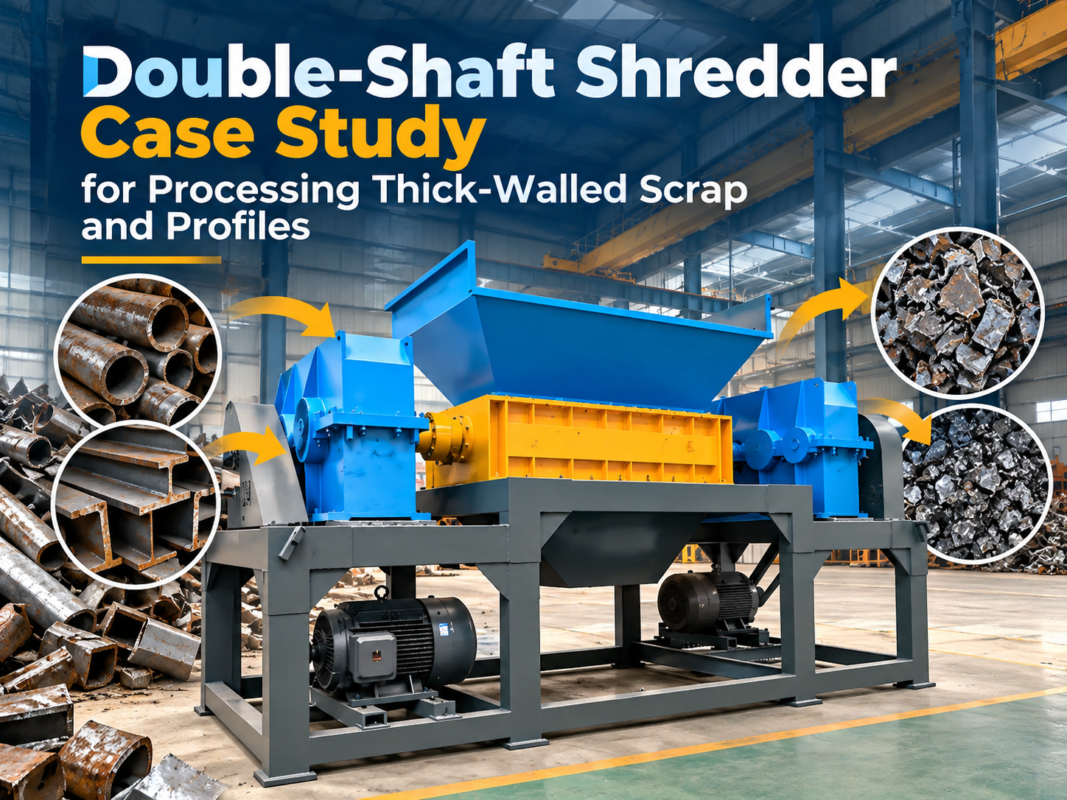
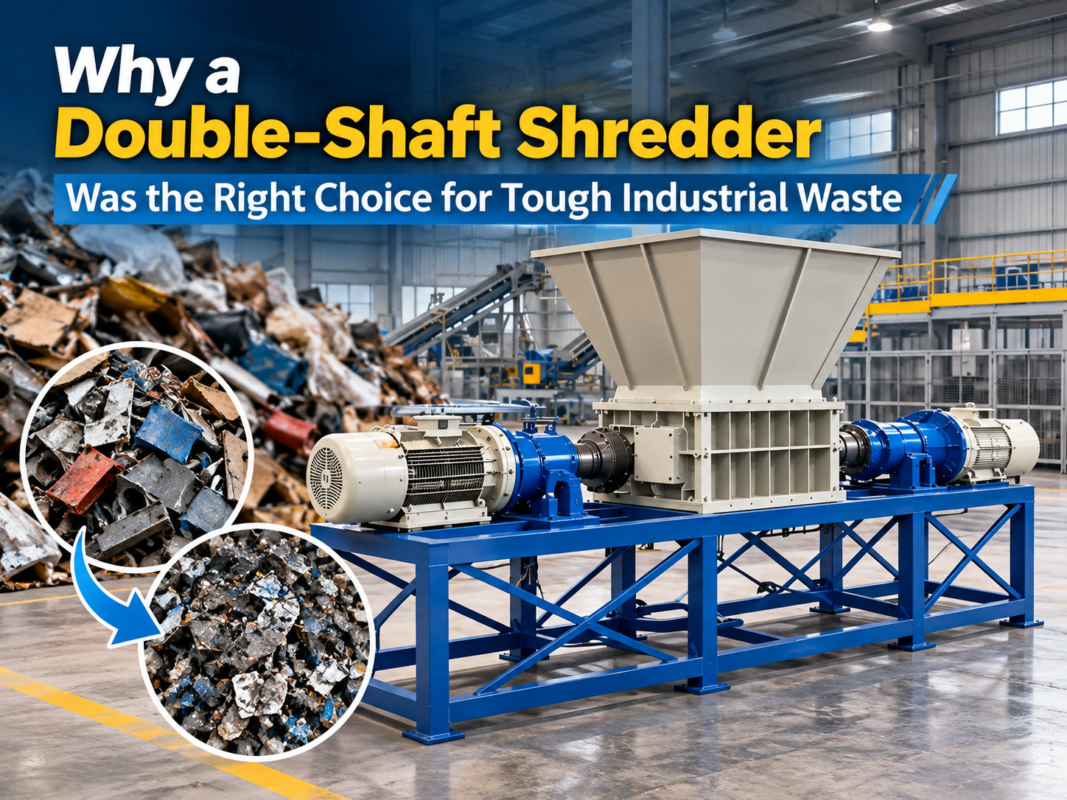
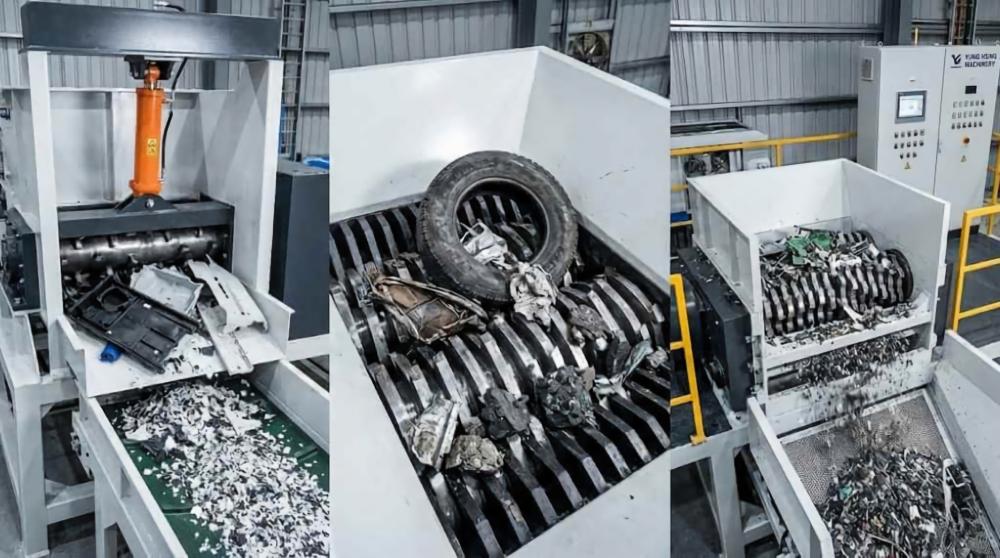
Sometimes, the reason you need to troubleshoot low output on an industrial shredder is simply that the machine is mismatched for the task. When selecting a shredder, the first decision is the number of shafts. Single-shaft shredders are excellent for precise sizing and handling plastics or wood, as they use a hydraulic pusher to force material against a high-speed rotor. However, for bulky scrap metal or tires, a twin-shaft or quad-shaft shredder is usually superior because the counter-rotating shafts provide a self-feeding action and much higher torque.
Capacity planning is another area where many businesses fail. It is a common mistake to buy a shredder rated for 5 tons per hour when you actually need to process 5 tons per hour. In reality, you should aim for a machine rated at 120-130% of your required capacity. This ‘headroom’ allows for variations in material density and ensures that the machine isn’t constantly running at its thermal or mechanical limits. At HARSLE, we recommend analyzing the ‘worst-case’ material you expect to process—the toughest, densest, or most contaminated—and selecting a machine based on that, rather than the average material.
Consider the ease of maintenance during the selection process. A shredder that is difficult to service will inevitably suffer from low output because maintenance will be deferred. Look for features like ‘swing-out’ screen cradles, split-bearing housings for easy shaft removal, and externally accessible lubrication points. If a blade change takes three days instead of one, your monthly output will suffer significantly. HARSLE designs emphasize accessibility, ensuring that routine tasks like blade rotations can be performed quickly, keeping the machine in the production line rather than the repair bay.
Finally, evaluate the support and spare parts availability. Even the best shredder will eventually need new knives, seals, or filters. If these parts are on a six-week lead time from overseas, your output will be zero for over a month. Choosing a manufacturer like HARSLE, with a robust supply chain and technical support, ensures that when you do encounter low output, you have the resources to fix it fast. Always ask for a recommended spare parts list at the time of purchase and keep critical items like a set of blades and a spare drive belt in stock.
Frequently Asked Questions (FAQ)
1. Why is my shredder reversing so often?
Frequent reversing is usually a sign that the machine is struggling to cut the material. This is most often caused by dull blades, which cannot ‘bite’ into the material, or by overfeeding the hopper. It can also be caused by the PLC torque limits being set too conservatively. Check blade sharpness first, then evaluate your feeding method.
2. How often should I sharpen the blades to maintain high output?
The frequency depends entirely on the material. Shredding clean plastic might allow blades to last for months, while contaminated scrap metal might require blade rotation or sharpening every few weeks. Monitor the ‘gap’ between blades; once it exceeds the manufacturer’s spec, output will drop, and it’s time for maintenance.
3. Can moisture in the material affect shredder output?
Yes, significantly. Wet material, especially paper, wood, or certain plastics, becomes much heavier and stickier. This increases the friction in the cutting chamber and can lead to ‘blinding’ of the sizing screens, where the holes become plugged, preventing material from exiting the machine.
4. What is the difference between a single-shaft and a twin-shaft shredder regarding output?
Single-shaft shredders typically run at higher RPMs and are better for achieving a small, uniform particle size in one pass. Twin-shaft shredders run at lower speeds but produce much higher torque, making them better for ‘primary’ shredding of large, bulky items. If you are using a single-shaft for bulky metal, your output will be low because the machine isn’t designed for that impact.
5. Does the temperature of the hydraulic oil matter?
Absolutely. Hydraulic systems are designed to operate within a specific temperature range (usually 40°C to 60°C). If the oil overheats, it loses viscosity, which leads to internal slippage in the pump and motor. This results in a noticeable loss of torque and slower shaft speeds, directly reducing your output.
6. How do I know if my sizing screen is the problem?
If the motor is running at full speed and the blades are turning, but very little material is coming out of the discharge, the screen is likely clogged. Stop the machine and inspect the screen for ‘near-size’ particles that have become wedged in the openings. Cleaning or moving to a slightly larger screen size can often dramatically increase throughput.
Conclusion: Maintaining Peak Shredder Efficiency
To troubleshoot low output on an industrial shredder effectively, one must adopt a holistic view of the machine. It is rarely just a ‘broken part’ but rather a combination of wear, calibration, and operational habits. By focusing on the three pillars of performance—blade integrity, consistent feeding, and robust power delivery—you can ensure that your HARSLE shredder remains a profitable asset rather than a bottleneck. Regular maintenance is not a cost; it is an investment in the continued throughput and longevity of your equipment.
Remember that every material has its own unique challenges. What works for plastic won’t work for tires, and what works for aluminum won’t work for e-waste. Stay proactive by monitoring your machine’s data—watch the amperage draws, track the frequency of reverse cycles, and listen for unusual vibrations. These are the early warning signs that output is about to drop. By catching these issues early, you can schedule maintenance on your terms, rather than being forced into an emergency shutdown.
At HARSLE, we are committed to helping our customers achieve the highest possible ROI from their metal fabrication and recycling equipment. Whether you are in the market for a new high-capacity shredder or need technical advice on optimizing your current setup, our team of experts is here to help. High output is the result of a well-designed machine operated with precision and maintained with care. Keep your blades sharp, your screens clear, and your feed consistent, and your industrial shredder will provide years of reliable, high-volume service.