Industrial Shredder Motor Trips Frequently: Troubleshooting Steps & Solutions

Introduction to Industrial Shredder Motor Issues
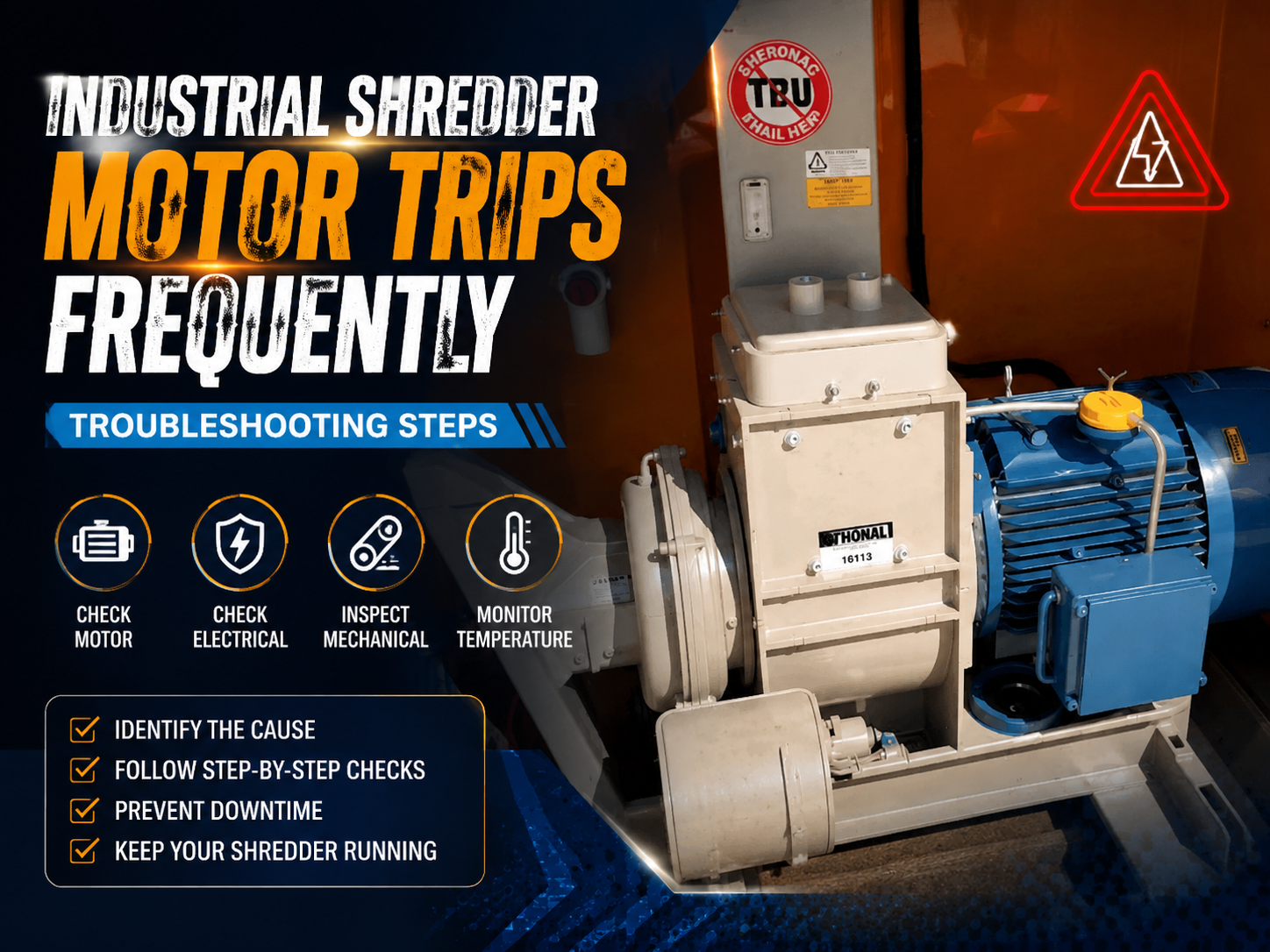
In the high-stakes world of waste management and metal recycling, the industrial shredder is the workhorse of the facility. However, few things are as frustrating and costly as a machine that refuses to stay running. When an Industrial Shredder Motor Trips Frequently, it is not just a minor inconvenience; it is a signal that something in the system—be it mechanical, electrical, or operational—is out of balance. Frequent tripping leads to significant downtime, reduced throughput, and potential long-term damage to the motor windings and control components.
At HARSLE, we understand that reliability is the cornerstone of industrial productivity. A shredder motor is designed to handle immense torque and varying loads, but it operates within strict physical and electrical limits. When these limits are exceeded, protective devices like circuit breakers and thermal overload relays intervene to prevent catastrophic failure. This guide aims to provide a comprehensive deep dive into the troubleshooting steps required to identify why your motor is tripping and how to implement long-term solutions to keep your operations fluid.
Understanding the root cause requires a systematic approach. We must look beyond the motor itself and examine the entire ecosystem of the shredder, including the material being processed, the power supply quality, the mechanical transmission, and the control logic. By the end of this article, maintenance managers and operators will have a clear roadmap for diagnosing and resolving frequent motor trips in industrial shredding environments.
Key Considerations for Shredder Motor Stability
Before diving into the technical minutiae, it is essential to consider the primary factors that influence motor stability. The environment in which an industrial shredder operates is often harsh, characterized by dust, temperature fluctuations, and unpredictable material inputs. These factors play a significant role in how the motor performs under load.
Material Feed Consistency
One of the most common reasons for a motor trip is an inconsistent feed rate. Industrial shredders are rated for specific capacities. If an operator dumps a massive load of high-density material into the hopper all at once, the sudden spike in torque requirement can exceed the motor’s rated amperage. This is known as a ‘slug’ or ‘shock load.’ Consistent, metered feeding is crucial for maintaining a steady electrical draw. If your motor trips primarily during the start of a shift or when a new batch of material is introduced, the feeding protocol is the first place to look.
Power Supply Quality
Industrial facilities often share power grids with other heavy machinery. Voltage drops (brownouts) or significant harmonic distortion can cause a motor to draw more current to maintain its torque output. According to Ohm’s Law, if the voltage drops, the amperage must increase to provide the same power (P=IV). This increased amperage generates heat, which eventually triggers the thermal overload protection. Monitoring the incoming voltage during peak operation hours is a critical step in troubleshooting.
Mechanical Obstructions and Wear
The mechanical health of the shredder directly impacts the electrical load. Dull blades, worn bearings, or a misaligned shaft increase the internal friction of the machine. When the blades are dull, they ‘tear’ rather than ‘cut,’ requiring significantly more force to process the same amount of material. This extra force translates directly into higher motor current. Regular inspection of the cutting chamber is non-negotiable for preventing electrical trips.
Technical Details: The Science of Motor Tripping
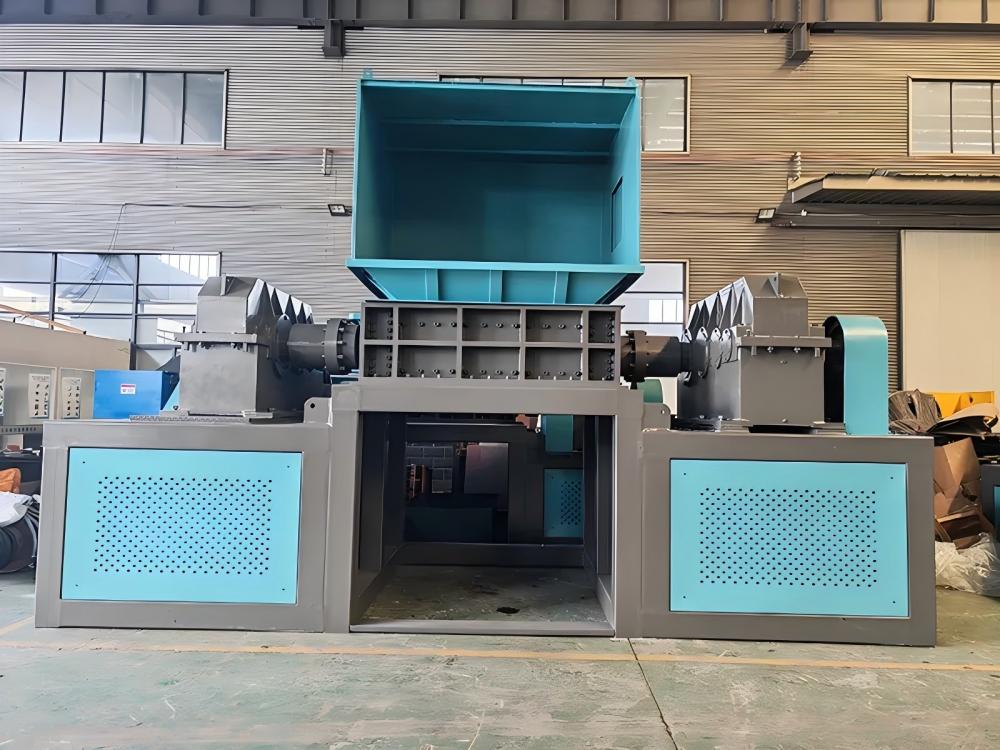
To solve the problem of an Industrial Shredder Motor Tripping Frequently, one must understand the electrical components involved in the protection circuit. Most modern shredders utilize a combination of Variable Frequency Drives (VFDs), Soft Starters, and Thermal Overload Relays.
Understanding Amperage Spikes
Every motor has a Full Load Amp (FLA) rating. During normal operation, the motor should run at or below this level. However, during the ‘bite’ phase of shredding, the current will naturally spike. If the spike lasts longer than the programmed delay in the VFD or the trip curve of the breaker, the system will shut down. Troubleshooting involves using a clamp meter to record these peaks. If the peaks are consistently hitting 125% of the FLA, the machine is either being overfed or the material is too tough for the current configuration.
VFD Parameter Optimization
If your shredder uses a VFD, the ‘trip’ might actually be an error code on the drive. Common codes include ‘Overcurrent,’ ‘Overvoltage,’ or ‘Motor Overload.’ Often, the VFD parameters are set too conservatively for the specific application. Adjusting the ‘Current Limit’ or the ‘Acceleration/Deceleration’ ramps can sometimes provide the motor with enough ‘breathing room’ to handle momentary surges without shutting down the entire system. However, these adjustments must be made within the safety margins of the motor’s insulation class.
Thermal Overload and Cooling
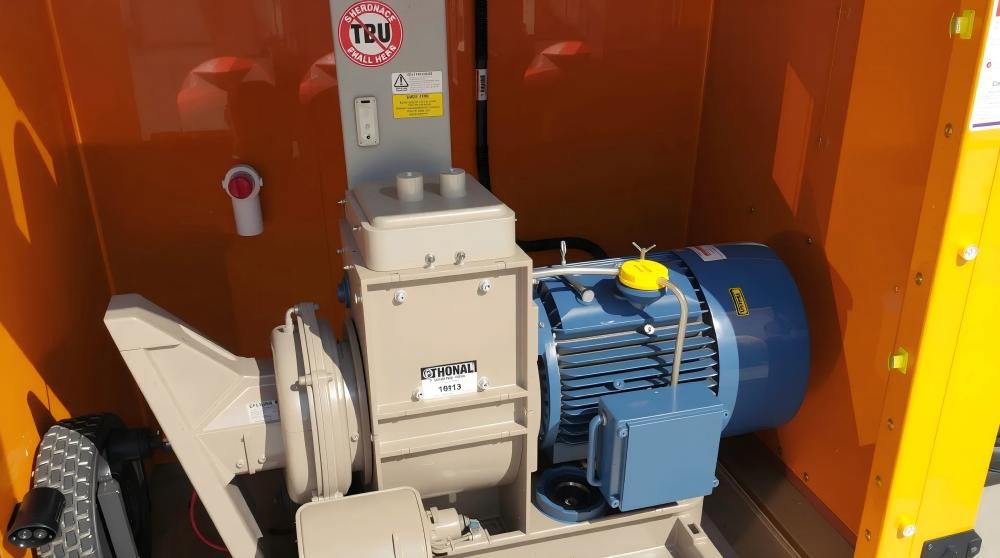
Motors generate heat. Industrial shredder motors are usually Totally Enclosed Fan Cooled (TEFC). If the cooling fins are clogged with dust or if the internal fan is damaged, the motor cannot dissipate heat effectively. Thermal overload relays work by sensing heat (either through a bimetallic strip or electronic sensors). If the motor is hot to the touch but the amperage is normal, the issue is likely cooling-related rather than electrical-load related. Ensure that the motor is located in a well-ventilated area and is cleaned regularly.
Selection Advice: Choosing the Right Shredder for the Job
Sometimes, the reason a motor trips frequently is simply that the machine is undersized for the application. When selecting or upgrading an industrial shredder, consider the following criteria to ensure long-term reliability.
Torque vs. Horsepower
In shredding, torque is king. A high-horsepower motor with low torque (high speed) will trip much more often than a lower-horsepower motor with high torque (low speed) when processing tough materials like tires or thick plastics. HARSLE recommends looking at the gearbox ratio. A higher reduction ratio increases the torque at the shaft, allowing the motor to run at a more stable RPM even when encountering resistance.
Motor Insulation Class
For heavy-duty industrial applications, always specify a motor with Class H insulation. This allows the motor to withstand higher internal temperatures without the risk of the winding insulation breaking down. While Class F is standard, Class H provides an extra safety margin for machines that operate in high-ambient temperature environments or face frequent heavy loading.
The Importance of Auto-Reverse Logic
Modern industrial shredders should be equipped with an intelligent PLC (Programmable Logic Controller) that features auto-reverse functionality. When the PLC detects an amperage spike approaching the trip limit, it should automatically stop the motor and reverse the shafts for a few seconds to clear the jam or reposition the material before attempting to shred again. If your current machine lacks this, upgrading the control panel can eliminate 90% of manual trip resets.
Step-by-Step Troubleshooting Guide
If you are currently facing frequent trips, follow these steps in order:
- Check for Mechanical Jams: Shut down and lock out the power. Inspect the cutting chamber for non-shreddable items (e.g., large steel chunks in a plastic shredder).
- Inspect Blade Sharpness: Check the gap between the blades and the counter-knives. If the gap is too wide or the edges are rounded, the motor is working too hard.
- Verify Electrical Supply: Use a multimeter to check the voltage at the motor terminals while the machine is under load. Look for phase imbalance (voltage difference between phases should be less than 2%).
- Test Motor Insulation: Use a Megger to test the insulation resistance of the motor windings. A low reading indicates that the motor is nearing the end of its life and is prone to internal shorting.
- Review VFD Logs: If applicable, check the fault history on your drive. This will tell you exactly what the drive ‘saw’ at the moment of the trip.
- Examine the Cooling System: Clean the motor fins and ensure the external fan is moving air correctly.
Frequently Asked Questions (FAQ)
1. Why does my shredder trip only in the afternoon?
This is often related to heat. As the ambient temperature rises in the afternoon, the motor’s ability to cool itself decreases. Additionally, factory-wide power usage often peaks in the afternoon, which can lead to slight voltage drops, causing the motor to draw more current.
2. Can I just turn up the trip limit on the breaker?
No. The breaker and overload relay are sized to protect the motor’s windings. Increasing the limit beyond the motor’s rated capacity will eventually lead to a motor burnout, which is far more expensive than a trip reset.
3. How often should I sharpen my shredder blades?
This depends entirely on the material. For abrasive materials like glass-filled plastics or contaminated metals, blades may need inspection weekly. For cleaner materials, monthly or quarterly might suffice. Dull blades are the #1 cause of ‘nuisance’ tripping.
4. Does the type of grease in the bearings matter?
Yes. High-temperature, high-pressure grease is required for shredder bearings. If the grease breaks down, friction increases, the shaft becomes harder to turn, and the motor load increases.
5. What is the benefit of a dual-drive system?
Dual-drive systems (two motors) distribute the load across two shafts. This provides more total torque and allows the system to continue operating even if one side encounters a temporary resistance, as the PLC can manage the loads independently.
Conclusion
An Industrial Shredder Motor Tripping Frequently is a symptom of an underlying issue that requires immediate attention. Whether it is a simple matter of sharpening the blades, adjusting the VFD parameters, or improving the material feed consistency, addressing the root cause is essential for maintaining a profitable operation. By following the troubleshooting steps outlined in this guide and ensuring your equipment is properly specified for your material needs, you can significantly reduce downtime and extend the lifespan of your machinery.
At HARSLE, we specialize in providing robust, high-performance shredding solutions designed to withstand the rigors of industrial use. Our machines are engineered with advanced protection systems and high-torque drive trains to minimize the risk of motor failure. If you are looking to upgrade your facility or need expert advice on optimizing your current shredding process, our team is here to help you achieve maximum efficiency and reliability.