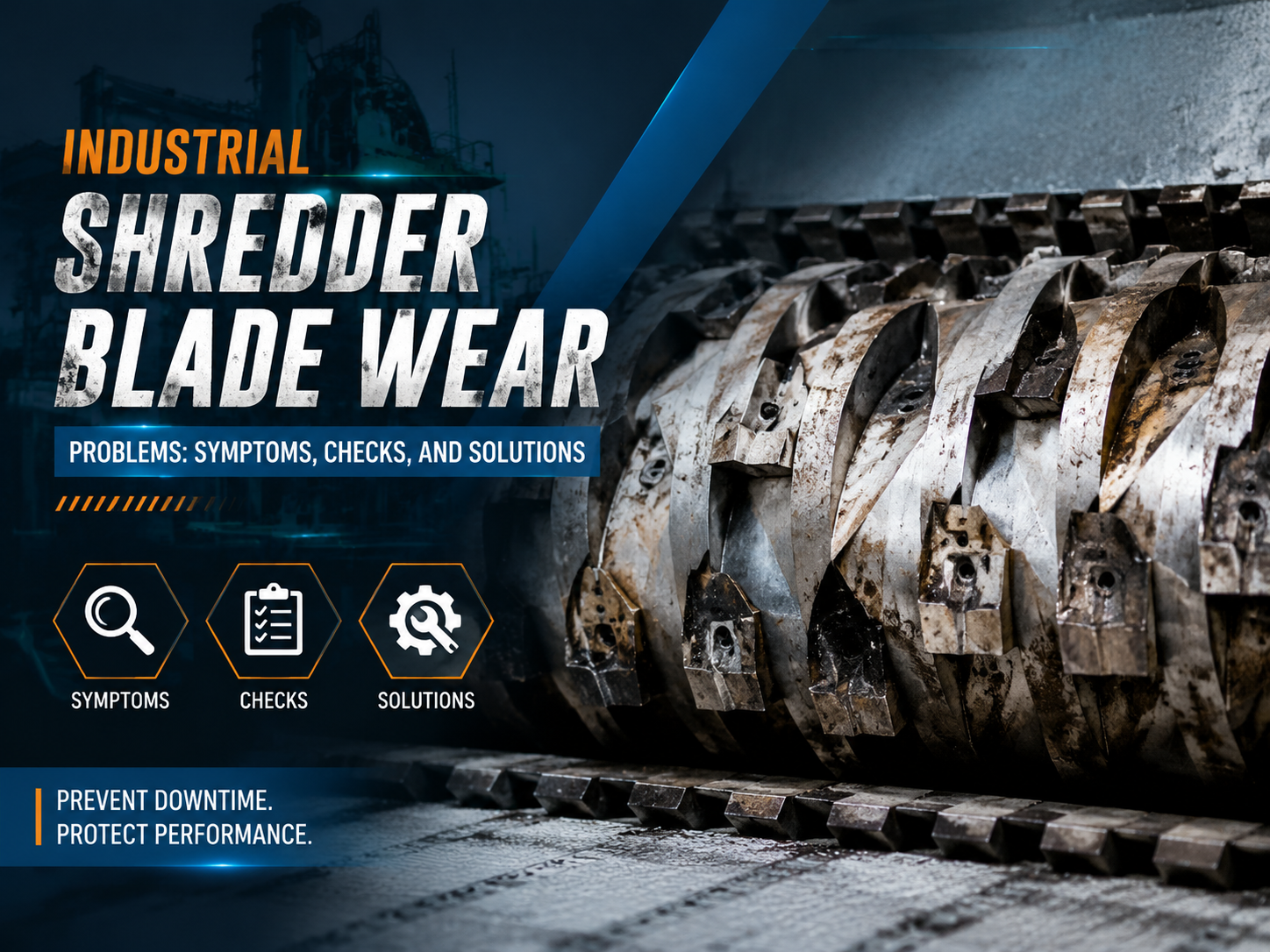
Industrial Shredder Blade Wear Problems: Symptoms, Checks, and Solutions

Introduction to Industrial Shredder Blade Health
In the demanding world of waste management, recycling, and material processing, the industrial shredder stands as a cornerstone of efficiency. Whether processing plastics, metals, tires, or electronic waste, the performance of these machines is almost entirely dependent on the condition of their cutting components. Industrial shredder blade wear problems are not merely a maintenance nuisance; they are a direct threat to operational profitability, energy efficiency, and machine longevity. At HARSLE, we understand that a shredder is only as good as its blades. When blades begin to dull or degrade, the entire system suffers from increased mechanical stress and decreased throughput.
Understanding the nuances of blade wear is essential for any facility manager or machine operator. Wear is an inevitable physical process, but its rate and impact can be managed through proactive identification and technical intervention. This guide delves deep into the symptoms of blade degradation, the technical checks required to assess damage, and the comprehensive solutions available to restore your equipment to peak performance. By mastering these aspects, you can extend the lifecycle of your industrial shredder and ensure a consistent, high-quality output.
Key Considerations in Shredder Blade Wear
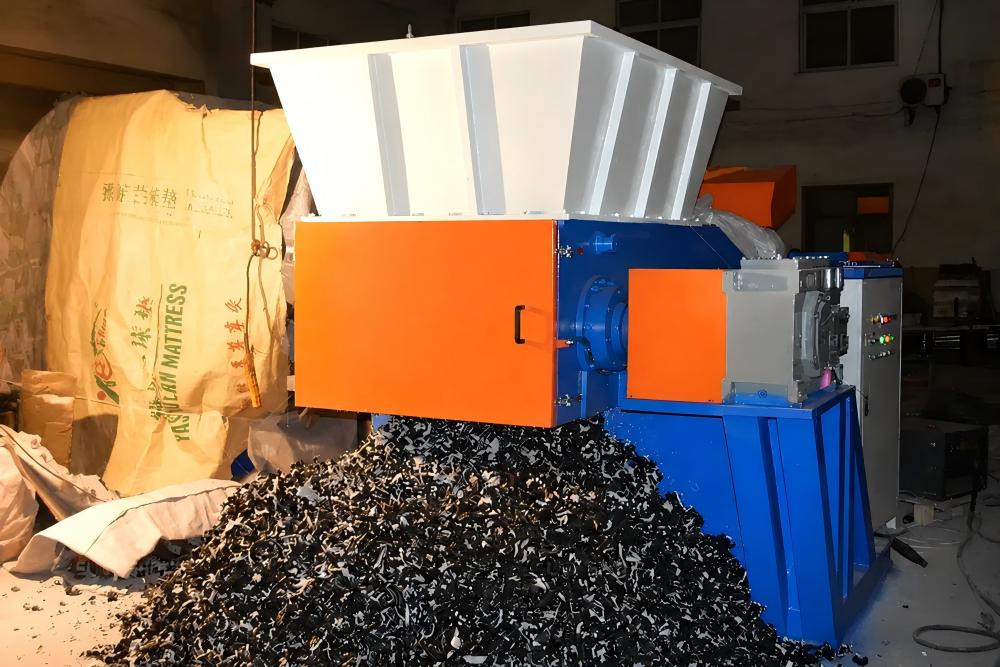
Before addressing specific problems, it is vital to consider the factors that contribute to blade wear. The primary driver is the nature of the material being processed. Highly abrasive materials, such as glass-reinforced plastics or contaminated scrap metal, will naturally accelerate the erosion of the cutting edge. Furthermore, the presence of ‘unshreddables’—foreign objects like heavy steel plates in a plastic shredder—can cause catastrophic blade failure or chipping. Understanding the input material’s hardness and toughness is the first step in predicting wear patterns.
Another critical consideration is the metallurgy of the blades themselves. Not all blades are created equal. The choice between D2, SKD11, or specialized high-alloy steels determines how the blade responds to heat and impact. Heat generation during the shredding process can lead to thermal softening, where the blade loses its tempered hardness, making it significantly more susceptible to rapid wear. Proper cooling and lubrication, where applicable, play a significant role in mitigating these thermal effects.
Operational parameters also dictate wear rates. The rotor speed, torque settings, and the clearance between the rotary and stationary blades (the ‘gap’) are all variables that must be optimized. A gap that is too wide leads to material ‘bypass’ and tearing rather than clean shearing, which increases friction and heat. Conversely, a gap that is too tight can lead to blade-on-blade contact due to thermal expansion, causing immediate and severe damage. Balancing these factors is key to a sustainable maintenance strategy.
Identifying Symptoms of Blade Wear
1. Decreased Throughput and Efficiency
One of the first signs of industrial shredder blade wear problems is a noticeable drop in the volume of material processed per hour. As the cutting edges round off, the blades lose their ability to ‘grab’ and shear the material effectively. Instead of a clean cut, the machine begins to grind or tear the material, which takes significantly more time and energy. If you find that your shredder is running for longer cycles to achieve the same output, it is a clear indicator that the blades require inspection.
2. Inconsistent Output Size
The quality of the shredded product is a direct reflection of blade health. In a well-maintained shredder, the output should be uniform and meet the specifications of the sizing screen. When blades wear down, the gap between the cutting elements increases, allowing larger pieces of material to slip through or causing ‘longs’ (oversized strips) to bypass the cutting action. This inconsistency can be problematic for downstream processes, such as sorting or pelletizing, and may lead to rejected batches.
3. Increased Power Consumption
Dull blades require more force to penetrate the material. This translates directly into higher amperage draw from the electric motors or increased hydraulic pressure in hydraulic drive systems. Monitoring your machine’s power consumption can provide an early warning system for blade wear. A steady climb in energy usage for the same material type is a classic symptom of friction-dominated processing caused by blunt cutting edges.
4. Excessive Noise and Vibration
While industrial shredders are inherently noisy, an experienced operator can distinguish between the sound of productive shredding and the sound of mechanical distress. Increased vibration often points to uneven wear across the rotor, which unbalances the system. Grinding noises or high-pitched squeals often indicate that material is being trapped and compressed rather than cut, putting immense strain on the bearings and drive shaft.
Technical Checks for Assessing Blade Condition
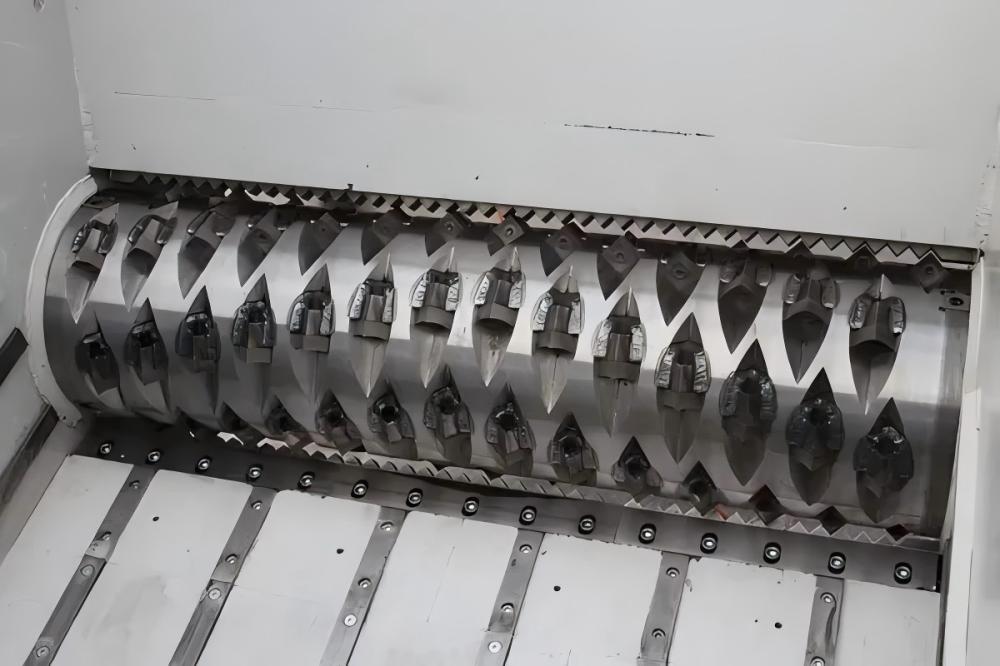
To accurately diagnose the extent of blade wear, a systematic technical check must be performed. This should always be done with the machine powered down and locked out according to safety protocols. The first check is a visual inspection for ’rounding.’ A sharp blade has a crisp 90-degree (or specifically engineered) angle. As wear progresses, this edge becomes radius-shaped. Using a radius gauge can help quantify this wear and determine if the blade can be flipped or if it requires regrinding.
The second critical check is the blade-to-blade clearance measurement. Using feeler gauges, technicians should measure the gap between the rotary blades and the counter-blades (stator blades) at multiple points along the rotor. Manufacturers provide specific tolerances for these gaps—often ranging from 0.1mm to 0.5mm depending on the material. If the gap exceeds the maximum tolerance, the shearing efficiency drops significantly. This check also helps identify if the rotor shaft has deflected or if the blade seats have become deformed.
Thirdly, inspect for structural integrity. Look for cracks, chips, or ‘spalling’ on the blade surface. Spalling occurs when small flakes of metal break away from the blade due to fatigue or high-impact stress. Even a small chip can act as a stress concentrator, leading to a complete blade fracture under load. Using dye penetrant testing can reveal hairline cracks that are invisible to the naked eye but could lead to catastrophic failure if left unaddressed.
Solutions and Maintenance Strategies
Blade Sharpening and Regrinding
For many industrial shredders, the blades are designed to be sharpened multiple times before replacement is necessary. Professional regrinding restores the original geometry and sharpness of the cutting edge. It is crucial that this process is done using precision equipment to ensure that all blades on the rotor remain uniform in size. If blades are ground to different heights, the load distribution becomes uneven, leading to premature wear on the ‘high’ blades and potential rotor imbalance.
Blade Flipping and Rotation
Many HARSLE shredders utilize ‘four-way’ or ‘two-way’ reversible blades. These square or rectangular inserts can be rotated to expose a fresh, sharp edge once the current edge becomes dull. This is a cost-effective solution that maximizes the utility of the high-grade steel. A strict rotation schedule should be implemented, ensuring that all blades are flipped at the same time to maintain consistent cutting clearances across the entire width of the machine.
Hardfacing and Material Upgrades
In applications involving extreme abrasion, such as tire recycling or mineral processing, standard tool steel may not suffice. Solutions include ‘hardfacing,’ where a layer of wear-resistant alloy is welded onto the blade’s leading edge. Alternatively, upgrading to premium materials like tungsten carbide inserts or specialized shock-resistant alloys can drastically extend the interval between maintenance cycles. While the initial cost is higher, the reduction in downtime and labor often results in a lower total cost of ownership.
Optimizing the Cutting Gap
Regularly adjusting the counter-blades to maintain the optimum gap is the most effective way to prevent accelerated wear. Many modern shredders feature adjustable stator beds that allow for easy gap calibration. By keeping the gap tight, you ensure that the machine shears the material cleanly, reducing the friction-induced heat that leads to blade softening. This simple adjustment can often double the life of a set of blades.
Selection Advice: Choosing the Right Blades
Selecting the correct blade for your specific application is the best preventative measure against premature wear. When choosing blades, consider the ‘Toughness vs. Hardness’ trade-off. Harder blades (higher HRC) stay sharp longer but are more brittle and prone to cracking under impact. Tougher blades can withstand the shock of heavy contaminants but will dull faster. For plastic film, a very sharp, hard edge is required; for heavy timber or light metals, a tougher, more resilient alloy is preferred.
Consult with HARSLE technical experts to match the blade geometry to your material. The ‘hook’ angle, the thickness of the blade, and the number of teeth on the rotor all play a role in how the machine handles specific waste streams. Using a ‘one-size-fits-all’ approach to blade selection is a common mistake that leads to frequent maintenance headaches. Custom-tailored blade configurations can optimize the ‘bite’ of the shredder, ensuring that the motor’s torque is used for cutting rather than just rubbing against the material.
Frequently Asked Questions (FAQ)
| Question | Answer |
|---|---|
| How often should I check my shredder blades? | For high-volume operations, a visual check should be performed daily, with a detailed gap measurement performed weekly. |
| Can I weld a chipped blade? | While minor chips can sometimes be repaired via specialized welding, it often changes the heat treatment of the blade. Replacement is usually safer. |
| Why are my blades wearing unevenly? | This is often due to uneven material feeding. If material is always fed into one side of the hopper, those blades will wear much faster. |
| What is the average lifespan of a shredder blade? | It varies wildly. In clean plastic, blades can last 1,000+ hours. In contaminated construction waste, they may need attention every 100-200 hours. |
Conclusion: Maximizing Your Investment
Industrial shredder blade wear problems are a technical challenge that requires a disciplined approach to maintenance and operation. By recognizing the early symptoms of wear—such as decreased throughput, increased noise, and rising power costs—operators can intervene before minor issues escalate into major mechanical failures. Regular technical checks, including gap measurements and structural inspections, are the foundation of a healthy shredding operation.
Implementing the right solutions, from timely blade rotation to upgrading to application-specific alloys, ensures that your HARSLE equipment continues to deliver high performance year after year. Remember that the goal is not just to fix problems as they arise, but to create a proactive environment where blade health is prioritized. With the right blades and a robust maintenance strategy, your industrial shredder will remain a reliable and profitable asset in your production line. For more information on specialized blade materials or to schedule a maintenance consultation, contact the HARSLE technical team today.