Preventing Scrap Metal Shear Downtime: Troubleshooting Best Practices

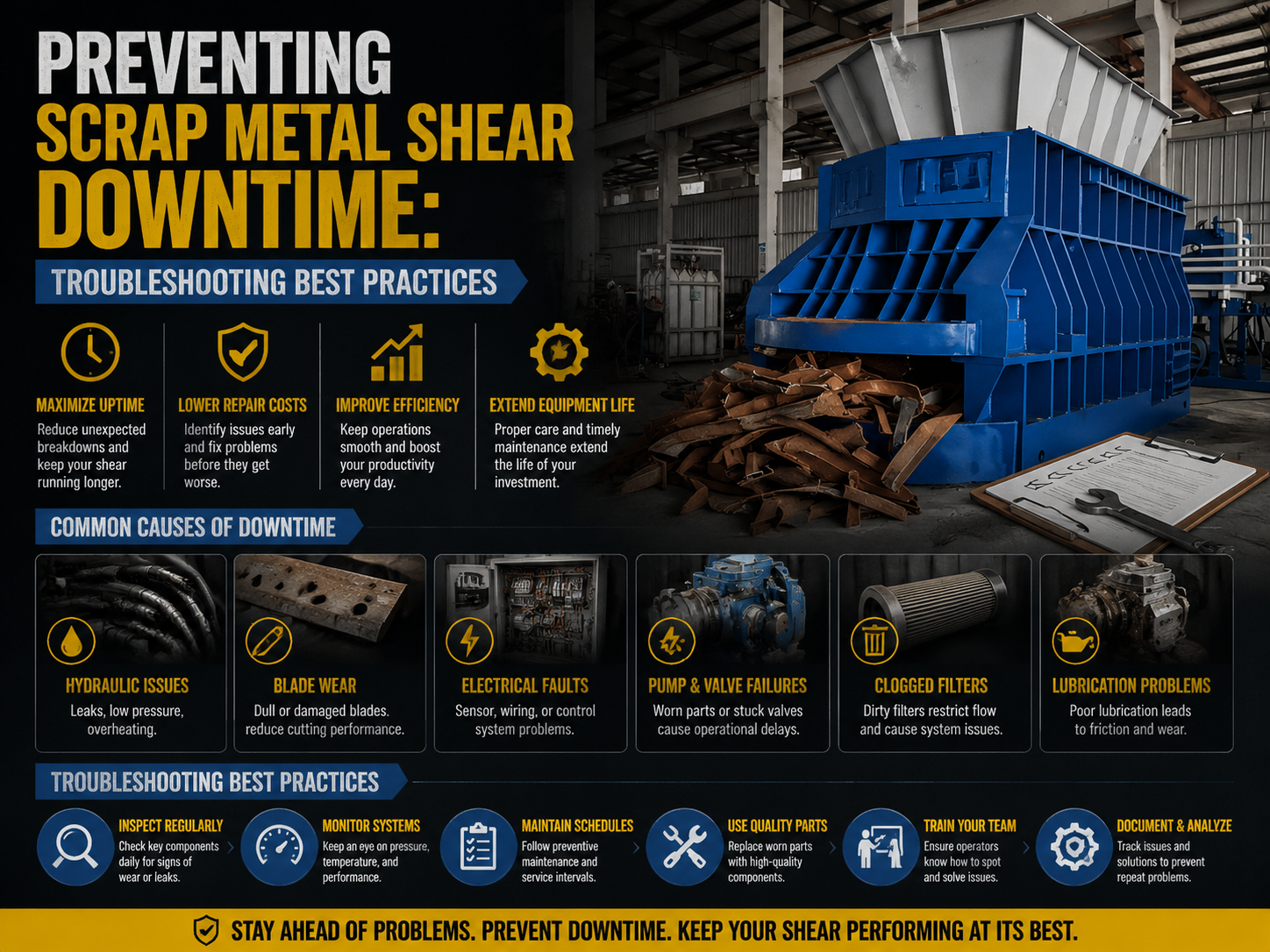
Introduction to Scrap Metal Shear Reliability
In the high-stakes world of metal recycling and industrial fabrication, the scrap metal shear stands as a cornerstone of productivity. These robust machines are designed to exert hundreds of tons of force to process bulky metal waste into manageable, high-value feedstock. However, the very nature of their work—crushing and cutting through hardened alloys, structural steel, and unpredictable scrap—subjects them to extreme mechanical stress. When a shear goes down, the entire production line often grinds to a halt, leading to missed deadlines, mounting labor costs, and lost revenue. Preventing Scrap Metal Shear Downtime: Troubleshooting Best Practices is not just a maintenance philosophy; it is a critical business strategy for any facility aiming for operational excellence.
HARSLE understands that reliability is the primary concern for operators. Whether you are using a container shear, a crocodile shear, or a heavy-duty gantry shear, the principles of uptime remain the same. Downtime is rarely the result of a single catastrophic event; more often, it is the culmination of neglected minor issues, improper operation, or a lack of technical foresight. By implementing a rigorous troubleshooting framework and adhering to preventative maintenance protocols, facilities can extend the lifespan of their equipment and ensure a consistent return on investment.
This comprehensive guide delves into the technical nuances of scrap metal shear operation. We will explore the key considerations that influence machine health, provide deep technical insights into hydraulic and mechanical systems, and offer actionable troubleshooting advice. By the end of this article, you will have a roadmap for minimizing interruptions and maximizing the throughput of your metal fabrication equipment.
Key Considerations for Minimizing Operational Interruptions
Preventing downtime begins long before a technician picks up a wrench. It starts with understanding the operational environment and the variables that contribute to wear and tear. One of the most significant factors is material consistency. Scrap metal is inherently diverse, ranging from soft aluminum to high-tensile rebar. Feeding a shear material that exceeds its rated capacity or attempting to cut un-shearable items (like hardened shafts or sealed cylinders) is the fastest way to cause structural damage or hydraulic failure.
Environmental factors also play a pivotal role. Scrap yards are often dusty, outdoor environments subject to temperature extremes. Dust and grit are the enemies of hydraulic systems, acting as abrasives that can score cylinder walls and degrade seals. Similarly, extreme cold can increase oil viscosity, leading to cavitation in pumps, while extreme heat can cause oil to thin out, losing its lubricity. A key consideration for preventing downtime is ensuring the machine is equipped with adequate cooling and filtration systems suited for its specific climate.
Operator training is perhaps the most overlooked aspect of downtime prevention. An experienced operator can ‘feel’ when a machine is struggling. They can identify the subtle change in the hum of a hydraulic pump or the slight hesitation in a cutting stroke. Training programs should focus not only on how to operate the controls but also on how to perform daily inspections. A simple walk-around to check for loose bolts, hydraulic leaks, or blade gaps can prevent a minor issue from escalating into a multi-day repair job.
Finally, the implementation of a Digital Maintenance Management System (DMMS) or even a simple logbook is essential. Tracking the hours of operation and the timing of oil changes, filter replacements, and blade rotations allows for data-driven decision-making. Instead of reacting to a breakdown, maintenance teams can schedule interventions during planned low-production periods, ensuring the shear is always ready for peak demand.
Technical Details: The Anatomy of a High-Performance Shear
To effectively troubleshoot a scrap metal shear, one must understand the complex interplay between its hydraulic, mechanical, and electrical systems. At the heart of the machine is the hydraulic power unit (HPU). Modern HARSLE shears utilize high-pressure piston pumps that deliver the necessary force to the main cylinders. These pumps are precision-engineered components that require clean, high-quality hydraulic fluid. Contamination is the leading cause of hydraulic failure, making the filtration system—often consisting of suction, pressure, and return-line filters—the machine’s first line of defense.
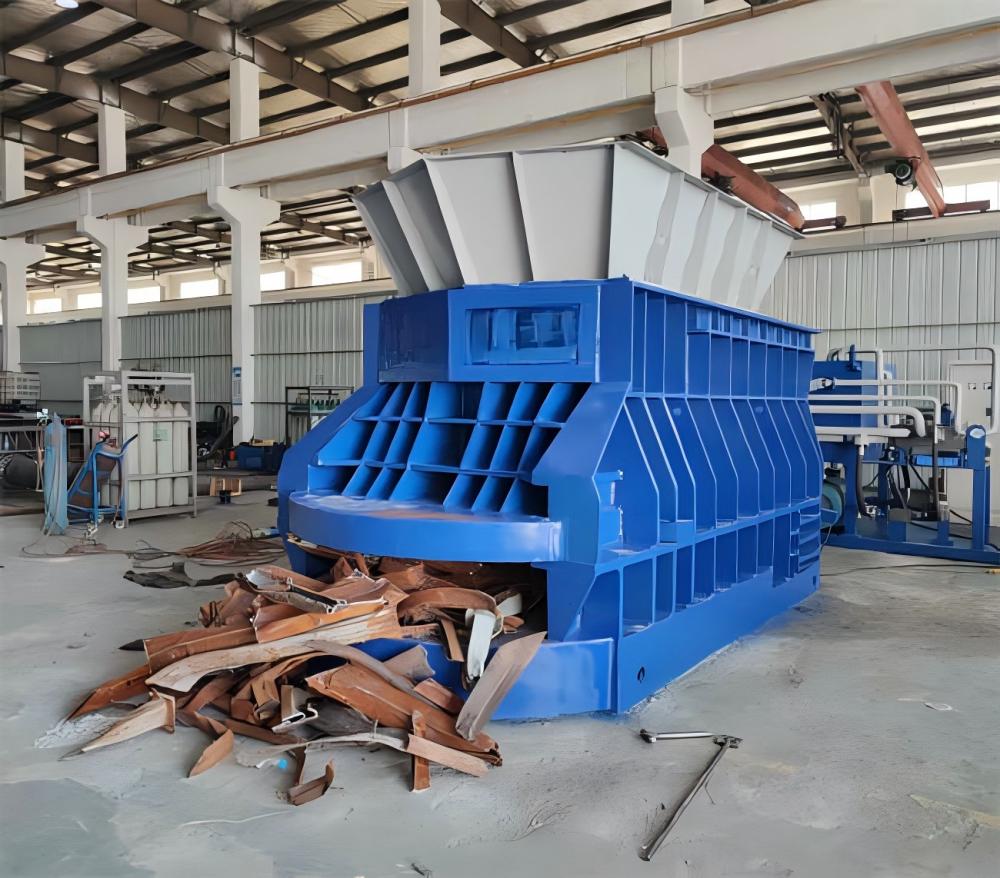
The cutting blades and their alignment represent the mechanical core of the shear. Blade clearance—the distance between the moving blade and the fixed blade—is critical. If the gap is too wide, the metal will fold rather than cut, causing immense lateral stress on the slide guides and cylinders. If the gap is too narrow, the blades may clash, leading to chipping or catastrophic breakage. The metallurgy of the blades themselves is also vital; high-chromium tool steels are typically used to balance hardness with toughness, allowing the blades to maintain a sharp edge while resisting the impact of heavy scrap.
Hydraulic Circuitry and Valve Logic
The movement of the shear is controlled by a series of directional valves, relief valves, and flow control valves. In a typical cycle, the ‘hold-down’ or stamper cylinder engages first to secure the material, followed by the shearing cylinder. Troubleshooting often involves checking the solenoid valves that direct oil flow. If a valve spool sticks due to varnish buildup in the oil, the machine may fail to cycle or exhibit erratic movement. Monitoring the system pressure via integrated gauges can help technicians identify if a pump is failing to reach its rated PSI or if a relief valve is bypassing oil prematurely.
PLC and Electrical Control Systems
Modern shears are governed by Programmable Logic Controllers (PLCs). These ‘brains’ coordinate the timing of the hydraulic strokes and monitor safety sensors. When a shear stops unexpectedly, the PLC’s diagnostic screen is the first place to look. Error codes can point to a tripped motor starter, a failed limit switch, or an E-stop that hasn’t been reset. Understanding the electrical schematic is crucial for preventing downtime, as many ‘mechanical’ failures are actually electrical signals failing to reach the hydraulic actuators.
Troubleshooting Best Practices: Identifying and Resolving Common Issues
When a shear fails to perform, a systematic approach to troubleshooting is required. The following table outlines common symptoms, their potential causes, and the recommended corrective actions.
| Symptom | Potential Cause | Corrective Action |
|---|---|---|
| Slow Cycle Times | Clogged filters or worn pump | Replace filters; check pump flow rate |
| Excessive Noise/Vibration | Air in hydraulic lines or loose mounting | Bleed the system; tighten all structural bolts |
| Incomplete Cuts | Dull blades or incorrect blade gap | Rotate/sharpen blades; adjust clearance |
| Overheating Oil | Failing cooling fan or internal leakage | Clean heat exchanger; check relief valve settings |
| Cylinder Drifting | Worn piston seals or valve leakage | Repack cylinder seals; inspect check valves |
One of the most frequent issues is the presence of air in the hydraulic system, known as aeration. This often manifests as a ‘spongy’ feel in the controls or a high-pitched whining sound from the pump. Aeration can lead to cavitation, which physically erodes the internal components of the pump. Troubleshooting this involves checking the suction line for leaks and ensuring the oil level in the reservoir is sufficient. Even a pinhole leak in a hose can draw air into the system under vacuum.
Another critical area is the lubrication of the slide ways. The shear head moves within guides that must be kept lubricated to prevent metal-on-metal contact. If the automatic lubrication system fails, the resulting friction can generate enough heat to warp the guides, leading to a seized machine. Regularly verifying that grease is reaching all points is a fundamental troubleshooting step that prevents expensive structural repairs.
Selection Advice: Investing in Long-Term Uptime
Choosing the right scrap metal shear is the most proactive step a company can take in Preventing Scrap Metal Shear Downtime: Troubleshooting Best Practices. When evaluating new equipment, look beyond the initial price tag and focus on the ‘serviceability’ of the design. A machine that is difficult to access for routine maintenance will inevitably be neglected. HARSLE designs emphasize accessibility, with centrally located grease points and easy-to-reach hydraulic manifolds.
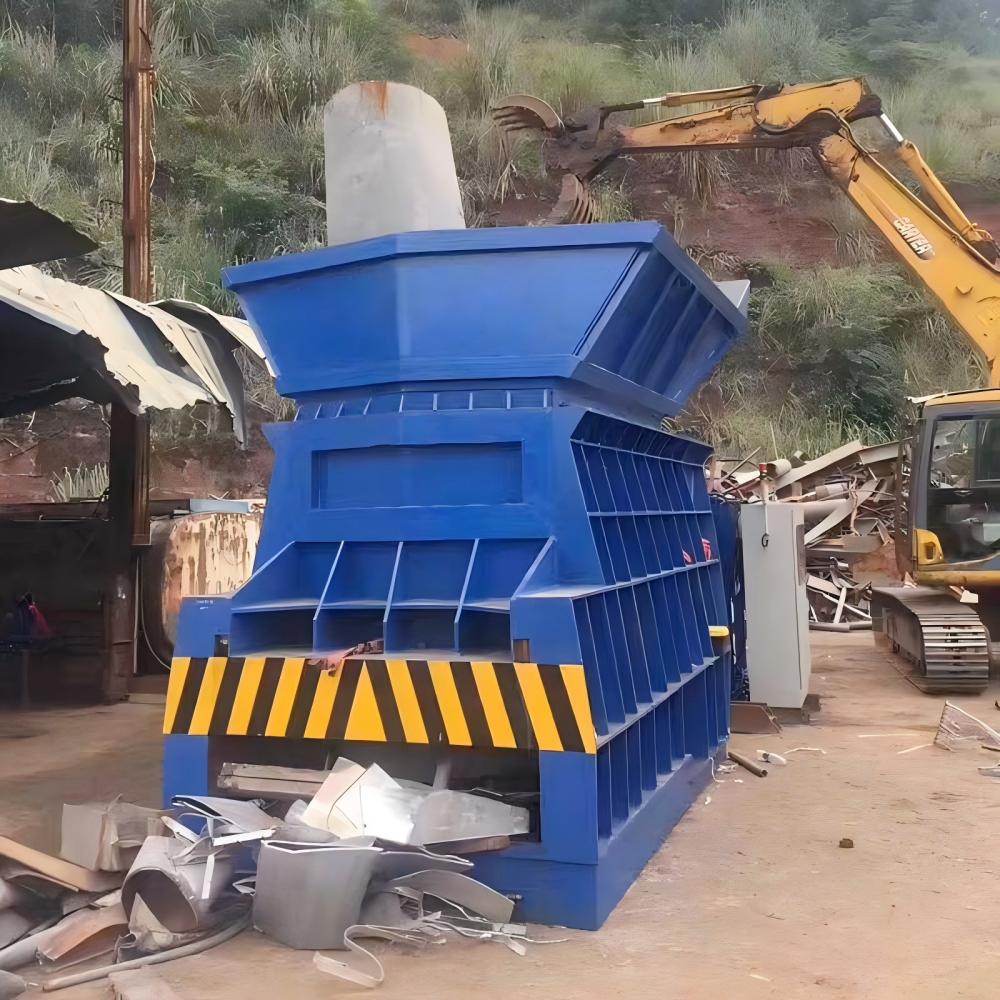
Consider the reputation of the component manufacturers. A shear built with globally recognized brands for its pumps (such as Rexroth or Parker) and electrical components (such as Schneider or Siemens) ensures that replacement parts are easily sourced. This significantly reduces the ‘mean time to repair’ (MTTR) when a component eventually wears out. Furthermore, the rigidity of the frame is paramount. A shear frame that flexes under load will constantly go out of alignment, leading to premature blade wear and hydraulic seal failure. Look for heavy, welded steel plate construction with stress-relieved joints.
Finally, evaluate the manufacturer’s after-sales support. Do they offer remote diagnostics? Is there a comprehensive manual with detailed troubleshooting flowcharts? Investing in a HARSLE machine means gaining access to a wealth of technical expertise and a supply chain dedicated to keeping your operations running. A buyer’s checklist should include: 1) Rated cutting capacity vs. actual needs, 2) Quality of hydraulic filtration, 3) Ease of blade rotation, and 4) Availability of local or rapid-ship spare parts.
Frequently Asked Questions (FAQ)
How often should I change the hydraulic oil in my scrap shear?
Generally, hydraulic oil should be changed every 2,000 to 4,000 hours of operation, or at least once a year. However, this depends heavily on the environment. It is best practice to perform oil analysis every six months to check for contamination, oxidation, and additive depletion. If the oil appears milky (water contamination) or smells burnt, it should be changed immediately regardless of hours.
What is the most common cause of blade chipping?
Blade chipping is usually caused by either incorrect blade clearance (too tight) or attempting to cut materials that are too hard or brittle for the shear’s rating. Additionally, loose blade bolts can cause the blade to shift during a cut, leading to an impact that chips the edge. Always ensure bolts are torqued to the manufacturer’s specifications.
Why is my shear losing cutting power?
Loss of power is typically a hydraulic issue. It could be a failing pump that can no longer generate pressure, a leaking seal inside the main cylinder allowing oil to bypass the piston, or a pressure relief valve that is stuck open. Start by checking the system pressure with a gauge during a dead-head stroke to isolate the cause.
Can I sharpen scrap shear blades myself?
While some facilities have the grinding equipment to sharpen blades, it is a precision task. The blades must be ground flat and square to maintain the correct clearance. Many operators prefer to send blades to a professional grinding service or replace them entirely to ensure the geometry remains perfect, as improper grinding can lead to poor cutting performance and machine damage.
Conclusion
Preventing Scrap Metal Shear Downtime: Troubleshooting Best Practices is an ongoing commitment to technical discipline and proactive care. By understanding the mechanical and hydraulic intricacies of these powerful machines, operators and maintenance teams can identify potential failures before they result in costly shutdowns. From the initial selection of a high-quality HARSLE shear to the daily rigors of inspection and the precision of hydraulic maintenance, every step taken is an investment in the facility’s productivity.
In the demanding environment of metal fabrication and recycling, equipment will inevitably face challenges. However, with the right troubleshooting mindset—focusing on root causes rather than just symptoms—you can ensure that your scrap metal shear remains a reliable asset for years to come. Remember, the goal is not just to fix what is broken, but to build a system where breakdowns are the exception, not the rule. Stay vigilant, keep your systems clean, and always prioritize the technical health of your machinery to achieve maximum uptime and profitability.