
Aluminium Extrusion Press Applications in Automotive Lightweight Manufacturing: A Comprehensive Guide

Introduction to Aluminium Extrusion Press Applications In Automotive Lightweight Manufacturing
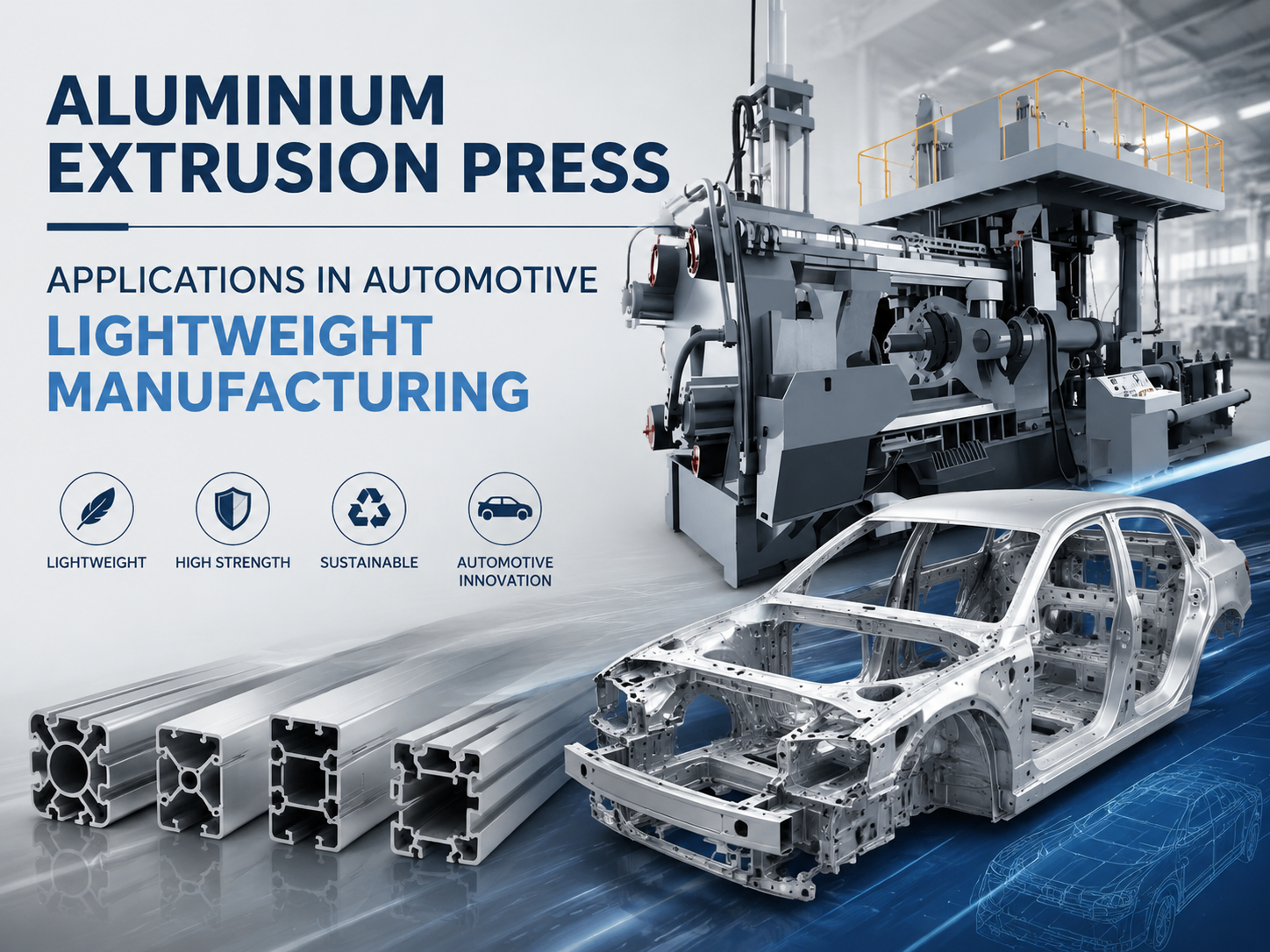
The global automotive industry is undergoing a paradigm shift, driven by the dual pressures of stringent environmental regulations and the rapid transition toward electric vehicles (EVs). At the heart of this transformation is the concept of ‘lightweighting’—the strategic reduction of vehicle mass to improve fuel efficiency, extend battery range, and enhance overall performance. Among the various technologies enabling this shift, the use of aluminium profiles produced via high-precision extrusion presses stands out as a cornerstone of modern vehicle engineering.
Aluminium Extrusion Press Applications In Automotive Lightweight Manufacturing have become indispensable because aluminium offers an exceptional strength-to-weight ratio, excellent corrosion resistance, and superior energy absorption characteristics compared to traditional mild steel. As manufacturers strive to shed every possible kilogram, the demand for complex, hollow, and multi-chambered aluminium profiles has skyrocketed. These profiles are not merely structural components; they are engineered solutions that integrate multiple functions into a single piece, reducing assembly time and part count.
HARSLE, a leader in industrial metal fabrication machinery, recognizes that the success of automotive lightweighting depends on the precision and reliability of the extrusion process. An aluminium extrusion press must deliver consistent force, maintain tight thermal tolerances, and operate with high cycle speeds to meet the rigorous standards of the automotive supply chain. In this guide, we will explore the specific applications, technical requirements, and productivity benefits of using advanced extrusion technology in the pursuit of lighter, safer, and more efficient vehicles.
Application Scenarios in the Automotive Sector
1. Crash Management Systems (CMS)
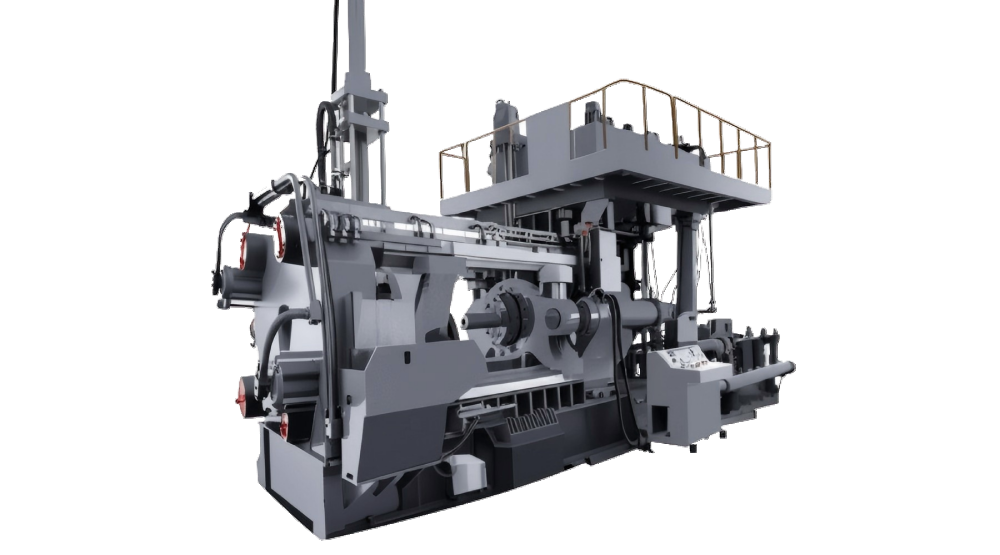
One of the most critical Aluminium Extrusion Press Applications In Automotive Lightweight Manufacturing is the production of crash management systems. These systems, which include front and rear bumper beams and crash boxes, are designed to absorb kinetic energy during a collision. Extruded aluminium profiles are ideal for this purpose because they can be engineered with specific wall thicknesses and internal ribs to collapse in a controlled, predictable manner (folding like an accordion). This maximizes energy dissipation while protecting the vehicle’s main structure and occupants.
2. EV Battery Enclosures and Trays
The rise of electric vehicles has created a massive new market for aluminium extrusions. Battery trays must be lightweight to offset the heavy weight of the battery cells, yet strong enough to protect them from road debris and side-impact collisions. Furthermore, extruded profiles often incorporate integrated cooling channels. By extruding hollow sections that serve as both structural supports and fluid pathways for thermal management, manufacturers can create highly efficient, multi-functional battery housings that are difficult to replicate with other manufacturing methods.
3. Chassis and Suspension Components
Weight reduction in the chassis—the ‘unsprung mass’—has a direct impact on vehicle handling and ride quality. Aluminium extrusion presses are used to create subframes, control arms, and space-frame components. These parts must withstand high fatigue loads. By using high-strength 6xxx or 7xxx series alloys and precise extrusion techniques, engineers can replace heavy cast iron or stamped steel components with sleek, high-performance aluminium profiles that offer equivalent or superior structural integrity.
4. Body-in-White (BIW) Structures
The BIW refers to the stage in automobile manufacturing in which a car body’s sheet metal components have been welded together. Modern luxury and performance vehicles increasingly utilize aluminium space frames. Extruded longitudinal beams, pillars (A, B, and C pillars), and roof rails form the ‘skeleton’ of the car. These extrusions are often joined with vacuum die-cast nodes to create a rigid yet lightweight cage. The ability of the extrusion press to produce long, consistent sections with complex cross-sections is vital for maintaining the aerodynamic and structural requirements of the BIW.
Material and Process Requirements
To achieve the high standards required for automotive applications, the extrusion process must adhere to strict material and metallurgical protocols. Not all aluminium is created equal, and the choice of alloy significantly influences the performance of the final automotive part.
- Alloy Selection: The 6xxx series (Al-Mg-Si), such as 6061, 6082, and 6063, is the workhorse of the automotive industry due to its excellent extrudability, weldability, and corrosion resistance. For higher-strength applications like crash boxes, 7xxx series (Al-Zn) alloys are used, though they require more sophisticated press control due to their higher flow stress.
- Temperature Management: The billet must be heated to a precise temperature (typically between 400°C and 500°C) before entering the press. If the temperature is too low, the pressure required exceeds the machine’s capacity; if too high, the surface finish and mechanical properties suffer.
- Extrusion Ratio and Speed: The ratio between the cross-sectional area of the billet and the profile must be carefully managed to ensure proper grain structure. In automotive manufacturing, speed is balanced with quality to prevent ‘hot shortness’ or surface tearing.
- Quenching and Aging: Immediately after exiting the die, the profile must be quenched (cooled rapidly) using air or water. This ‘freezes’ the alloying elements in a solid solution. Subsequent artificial aging in an oven (T6 temper) brings the material to its peak strength.
Recommended Machine Configuration for Automotive Extrusions
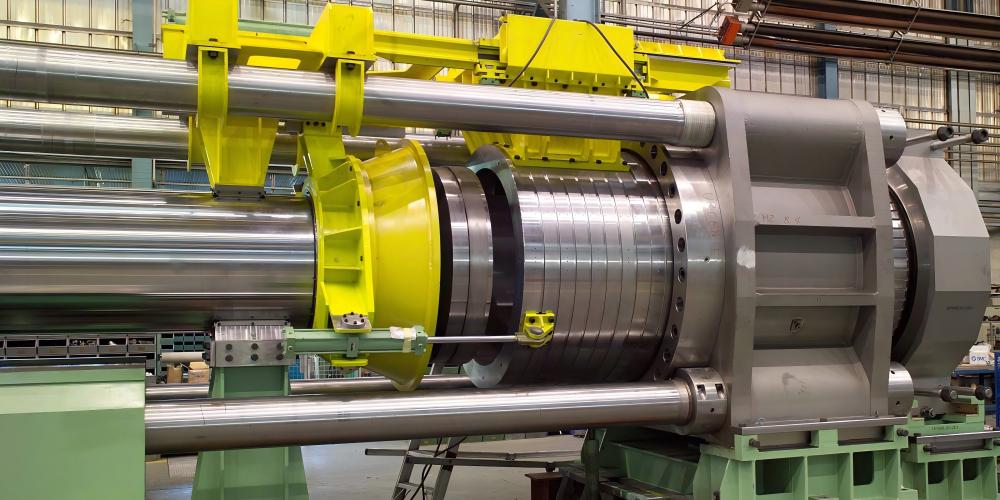
When selecting an aluminium extrusion press for automotive lightweighting, the configuration must prioritize precision, repeatability, and automation. HARSLE recommends the following technical specifications for a high-performance setup:
1. High-Tonnage Hydraulic System
Automotive profiles often require high extrusion pressures, especially when working with thin-walled designs or high-strength alloys. A press capacity ranging from 1500T to 5000T is typically required. The hydraulic system should utilize high-efficiency pumps (such as Rexroth or Vickers) and servo-motor drives to ensure smooth pressure application and energy savings of up to 30% compared to traditional systems.
2. Advanced PLC and Control Interface
Modern Aluminium Extrusion Press Applications In Automotive Lightweight Manufacturing demand ‘Smart Manufacturing’ capabilities. A Siemens or Schneider PLC system with a user-friendly HMI allows operators to store ‘recipes’ for different profiles. This ensures that the extrusion speed, pressure, and temperature are identical every time a specific part is produced, which is critical for automotive OEM quality audits.
3. Precision Die Heating and Handling
The die is the heart of the extrusion process. A configuration should include an infrared die oven to ensure the die is at the exact operating temperature before the first billet is pushed. This reduces ‘scrap’ during the startup phase. Additionally, an automated die-change system can reduce downtime from hours to minutes, significantly boosting productivity.
4. Integrated Quenching and Handling Systems
For automotive parts, the cooling rate is as important as the extrusion itself. A multi-stage quenching system (combining high-velocity air, water mist, and water baths) should be integrated into the press outfeed. Automated pullers and cooling tables ensure that the profiles remain straight and free from surface defects during the cooling process.
The Extrusion Workflow in Automotive Manufacturing
- Billet Preparation: Aluminium logs are cut into billets and heated in an induction or gas furnace. In high-end automotive lines, the billets are often ‘taper heated’ (hotter at the front than the back) to compensate for the heat generated by friction during extrusion.
- Loading and Lubrication: The heated billet is loaded into the container. A dummy block is placed between the ram and the billet. Minimal lubrication is used in automotive extrusions to prevent internal contamination of the profile, which could affect welding later.
- The Extrusion Stroke: The hydraulic ram pushes the billet through the die. The metal flows into the die cavity, taking the shape of the profile. Sensors monitor the ‘exit temperature’ in real-time to ensure metallurgical consistency.
- Quenching: As the profile emerges, it passes through a quench box. For 6xxx alloys, rapid cooling is essential to achieve the T6 hardness after aging.
- Stretching and Straightening: Once cooled, the long profiles are moved to a stretcher. This process removes internal stresses and ensures the profile meets the strict dimensional tolerances (often within +/- 0.5mm) required for automotive assembly.
- Cutting and Aging: The profiles are cut to the required lengths and placed in an aging oven. Here, they are held at a specific temperature (e.g., 175°C) for several hours to precipitate the hardening phases within the alloy.
Productivity and Sustainability Benefits
The adoption of Aluminium Extrusion Press Applications In Automotive Lightweight Manufacturing offers a multitude of benefits that extend beyond simple weight reduction. From a production standpoint, extrusion is a highly efficient process. It allows for the creation of complex geometries that would otherwise require multiple stamping and welding operations. This ‘part consolidation’ reduces the complexity of the automotive assembly line and lowers the risk of joint failure.
From a sustainability perspective, aluminium is infinitely recyclable. Most automotive extrusions contain a significant percentage of recycled content, and at the end of the vehicle’s life, these components can be melted down and re-extruded with minimal loss of properties. Furthermore, the energy saved by a lighter vehicle over its operational lifespan far outweighs the energy required to produce the aluminium, making it a ‘green’ choice for the future of mobility.
Economically, the high speed of modern extrusion presses—capable of producing several meters of profile per minute—makes them suitable for high-volume vehicle platforms. When combined with automated handling and CNC fabrication (drilling, milling, and bending), the cost-per-part becomes highly competitive with traditional steel assemblies.
Case Example: EV Battery Tray Production
A leading European EV manufacturer sought to reduce the weight of their battery housing while improving thermal management. By utilizing a 3500T HARSLE aluminium extrusion press, the manufacturer transitioned from a multi-piece steel assembly to a simplified design featuring large, multi-hollow aluminium extrusions. These extrusions featured internal ‘fins’ that increased the surface area for heat dissipation and provided high longitudinal stiffness.
The result was a 40% reduction in the weight of the battery tray and a 15% improvement in thermal efficiency. The precision of the HARSLE press ensured that the thin-walled sections (only 2.5mm thick) maintained consistent dimensions, allowing for automated robotic welding with zero defects. This case highlights how the right machinery can transform automotive design possibilities.
Frequently Asked Questions (FAQ)
1. What is the typical lifespan of an aluminium extrusion press?
With proper maintenance, a high-quality aluminium extrusion press from HARSLE can last 20 to 30 years. Key components like hydraulic seals and pumps may need replacement every 5-10 years, but the main frame and cylinder are designed for long-term industrial use.
2. Can one press handle both 6xxx and 7xxx series alloys?
Yes, but it requires a press with sufficient tonnage and sophisticated control systems. 7xxx series alloys are harder to extrude and require slower speeds and higher pressures. A press with variable speed control and robust hydraulic capacity is essential for switching between these alloy families.
3. How does HARSLE ensure the precision of automotive profiles?
We integrate high-precision linear encoders and closed-loop hydraulic controls. This allows the press to maintain constant speed and pressure, ensuring that the wall thickness and cross-sectional dimensions of the profile remain within the tight tolerances required by automotive OEMs.
4. What maintenance is required for an extrusion press in a high-volume automotive environment?
Daily checks should include hydraulic oil levels and temperature, as well as lubrication of moving parts. Monthly inspections should focus on the alignment of the container and the ram. We also recommend annual ultrasonic testing of the main cylinder to ensure structural integrity.
Conclusion: Partnering with HARSLE for Automotive Excellence
The role of Aluminium Extrusion Press Applications In Automotive Lightweight Manufacturing will only continue to grow as the industry moves toward a carbon-neutral future. Achieving the perfect balance of strength, weight, and cost requires not just the right material, but the right machinery. HARSLE is committed to providing the automotive industry with state-of-the-art extrusion technology that meets the challenges of tomorrow.
Whether you are setting up a new production line for EV components or upgrading an existing facility to handle high-strength alloys, HARSLE offers the expertise and equipment to ensure your success. Our machines are engineered for precision, built for durability, and designed to help you lead the way in automotive innovation.
Ready to elevate your automotive manufacturing capabilities? Contact HARSLE today for a technical consultation and discover how our aluminium extrusion presses can drive your lightweighting goals forward.












