Briquetting Machine Price Guide 2026: What Affects Cost

Introduction to Briquetting Machine Economics in 2026
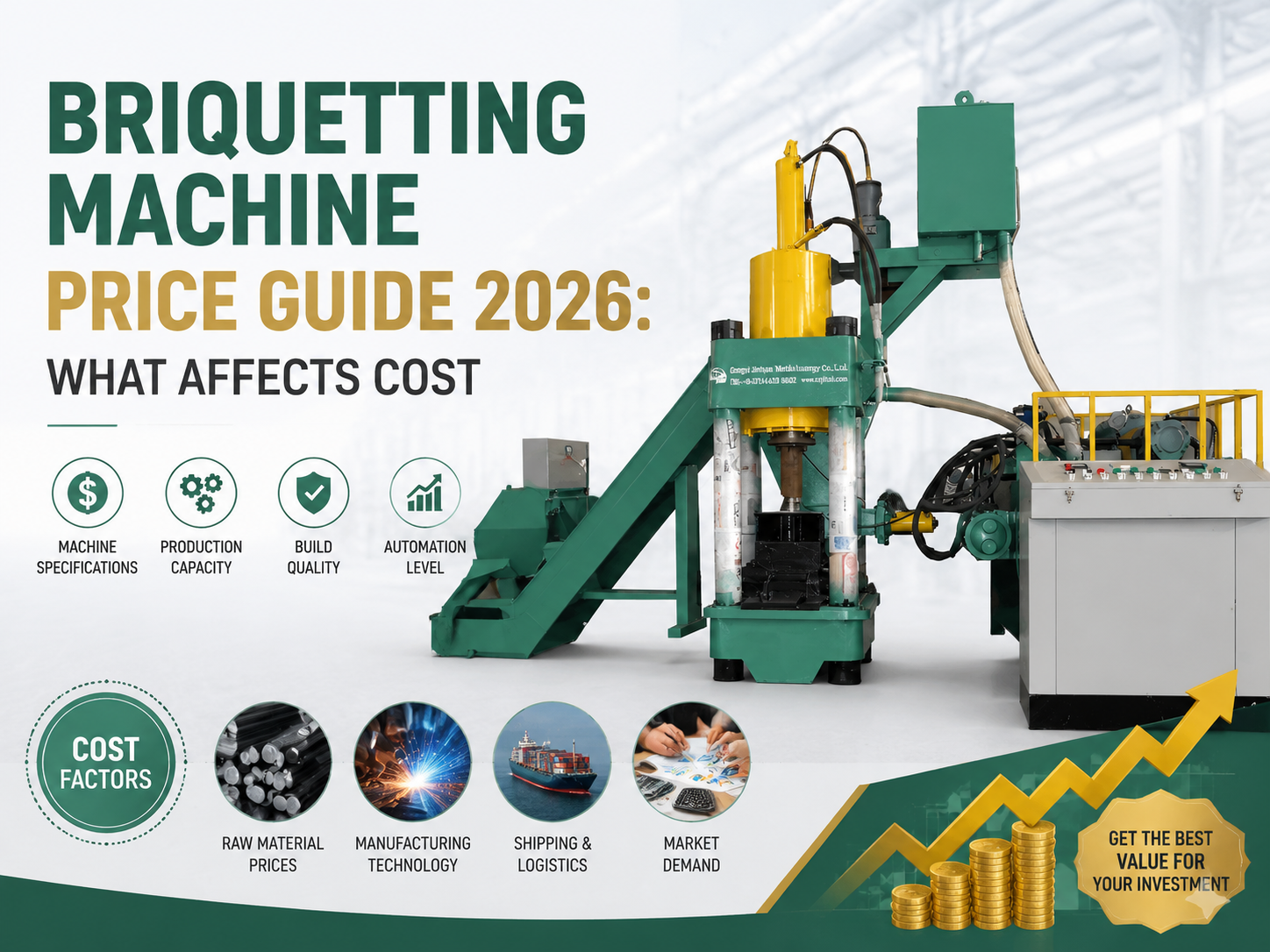
As we move into 2026, the landscape of metal fabrication and industrial recycling has undergone a significant transformation. Sustainability is no longer a buzzword but a core operational requirement. For manufacturers dealing with high volumes of metal chips, swarf, and turnings, the briquetting machine has become an essential asset. However, understanding the Briquetting Machine Price 2026: Affects Cost factors is crucial for making an informed investment. This guide provides a deep dive into the financial and technical variables that dictate the market price of these powerful machines.
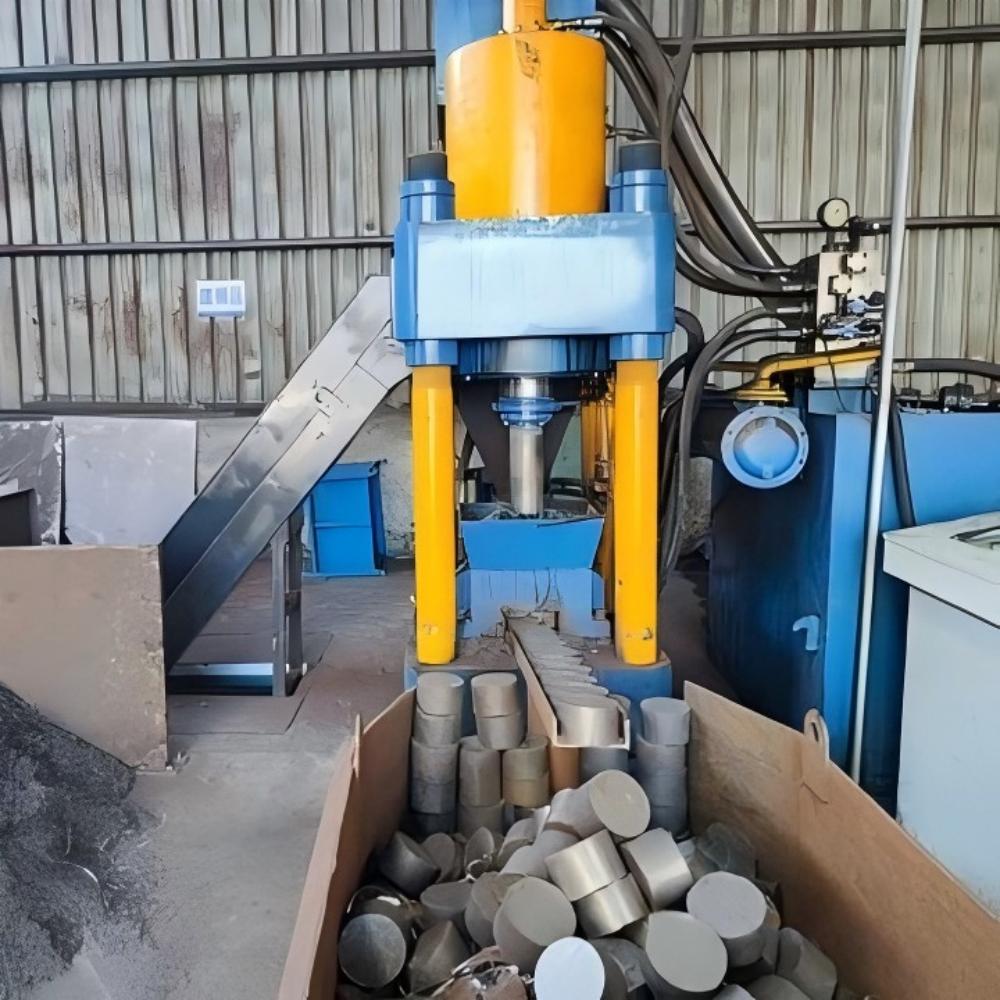
The primary function of a briquetting machine is to compress loose metal scrap into dense, uniform blocks. This process not only reduces the volume of waste by up to 90% but also allows for the recovery of expensive cutting fluids and increases the resale value of the scrap. In 2026, with rising raw material costs and stricter environmental regulations, the demand for efficient briquetting solutions has surged, leading to a diverse market with varying price points.
When evaluating the cost of a briquetting machine, it is important to look beyond the initial sticker price. Factors such as energy efficiency, automation levels, and material compatibility play a massive role in the long-term value of the equipment. This article will break down the expected price ranges for 2026 and analyze the specific components that drive these costs up or down.
Price Range Overview: What to Expect in 2026
The market for briquetting machines in 2026 is categorized into three main segments based on capacity, pressure, and automation. While global inflation and supply chain shifts have influenced pricing, technological advancements have also made entry-level machines more accessible.
1. Entry-Level/Small Capacity Machines
Small-scale briquetting machines, typically designed for workshops or small fabrication shops, usually handle between 50kg to 200kg of material per hour. In 2026, these machines are priced between $8,000 and $18,000. These units are often semi-automatic and focus on basic compression without advanced coolant recovery systems.
2. Mid-Range Industrial Machines
For medium-sized manufacturing facilities, mid-range machines offer capacities of 300kg to 800kg per hour. These units feature better hydraulic systems and basic PLC controls. The expected price range for these machines in 2026 falls between $20,000 and $55,000. They are the most popular choice for companies looking to balance cost and performance.
3. High-End/Fully Automated Systems
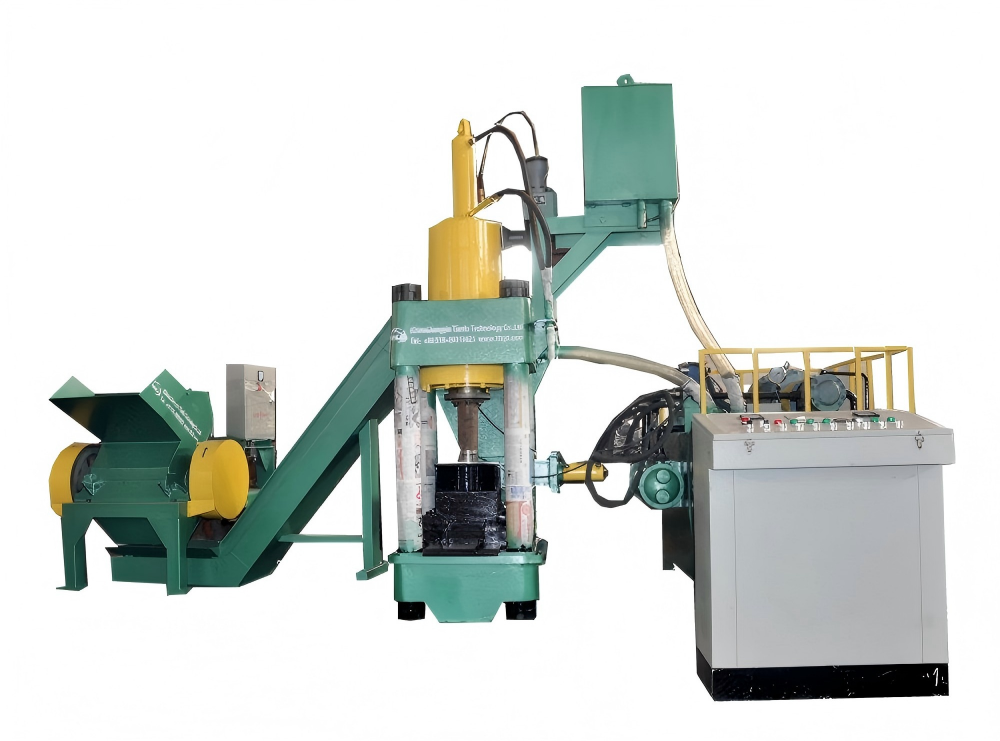
Large-scale industrial operations require heavy-duty, fully automated briquetting lines capable of processing over 1,000kg per hour. These systems often include integrated conveyors, chip crushers, and advanced centrifugal coolant separators. Prices for these high-end systems in 2026 start at $70,000 and can exceed $250,000 depending on the level of customization and integration.
| Machine Category | Capacity (kg/hr) | Estimated Price (2026 USD) | Key Features |
|---|---|---|---|
| Entry-Level | 50 – 200 | $8,000 – $18,000 | Manual/Semi-Auto, Compact Design |
| Mid-Range | 300 – 800 | $20,000 – $55,000 | PLC Control, Coolant Recovery |
| High-End | 1,000+ | $70,000 – $250,000+ | Full Automation, IoT Integration |
Main Cost Drivers: Why Prices Vary
Understanding the Briquetting Machine Price 2026: Affects Cost requires a look at the internal components and the engineering behind the machine. Several key factors contribute to the final price tag.
Hydraulic System Quality
The heart of any briquetting machine is its hydraulic system. High-quality pumps and valves from reputable brands like Rexroth, Vickers, or Yuken significantly increase the machine’s reliability and speed. In 2026, machines equipped with variable displacement pumps are more expensive but offer superior energy efficiency, which reduces operational costs over time.
PLC and Automation Electronics
The level of intelligence in a machine directly impacts its price. Modern machines utilize Siemens or Schneider PLC systems with touchscreen interfaces. These systems allow for precise control over pressure, cycle times, and diagnostic monitoring. As we move further into the era of Industry 4.0, machines with IoT connectivity for remote monitoring and predictive maintenance command a premium price.
Frame Construction and Material Quality
A briquetting machine must withstand immense pressure, often exceeding 300 tons. The quality of the steel used in the frame and the precision of the machining are critical. Heavy-duty frames made from high-tensile steel prevent deformation and ensure a longer machine lifespan. Cheaper machines often use lighter frames, which may lead to alignment issues and premature failure under heavy use.
Coolant Recovery Systems
For many manufacturers, the value of recovered cutting oil or coolant is a major reason for buying a briquetting machine. Integrated filtration and pumping systems that automatically collect and clean expelled fluids add to the initial cost but provide a faster return on investment. In 2026, advanced multi-stage filtration systems are a significant cost driver for high-end models.
Configuration Impact: Customizing for Your Needs
The specific configuration of a briquetting machine can drastically alter its price. Buyers must decide which features are essential for their specific material and workflow.
Vertical vs. Horizontal Designs
Vertical briquetting machines are generally more compact and easier to integrate into existing production lines where space is limited. Horizontal machines, however, are often preferred for high-volume continuous operations because they allow for easier gravity-fed loading and discharge. Horizontal units typically cost 10-15% more due to their more complex structural requirements.
Pressure Ratings (Tonnage)
The density of the briquette is determined by the pressure applied. Aluminum chips require less pressure than steel or cast iron. A machine rated for 200 tons will be significantly cheaper than one rated for 600 tons. Choosing the correct tonnage for your specific material is vital to avoid overpaying for unnecessary power or underperforming with a machine that is too weak.
Material-Specific Feeders
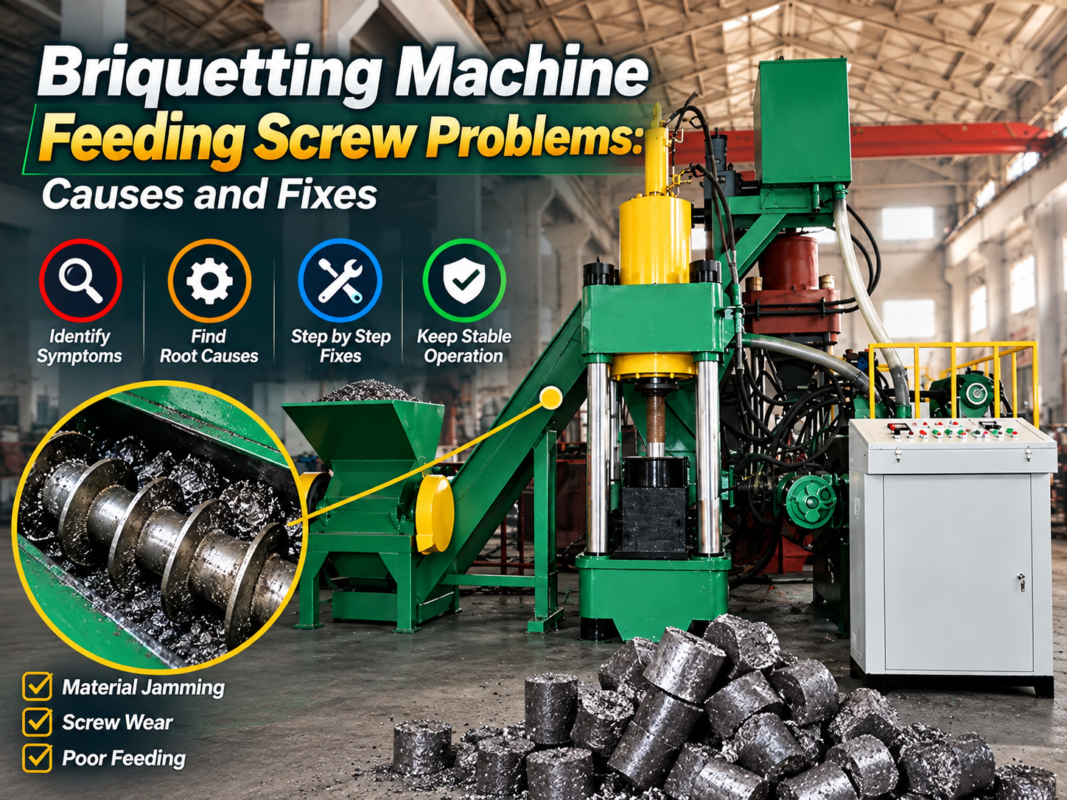
Different materials behave differently. Long, stringy steel turnings require a different feeding mechanism (often involving a pre-crusher) compared to fine aluminum powder. Customizing the hopper and feeding augers to match the material type is a common configuration cost that buyers should anticipate.
Hidden Costs: Beyond the Purchase Price
When budgeting for a briquetting machine in 2026, it is essential to account for the “Total Cost of Ownership” (TCO). The purchase price is just the beginning.
- Installation and Commissioning: Professional installation ensures the machine is calibrated correctly. This can cost between $2,000 and $10,000 depending on the complexity of the system.
- Operator Training: While modern PLCs are user-friendly, training staff on safety protocols and routine maintenance is necessary to prevent accidents and downtime.
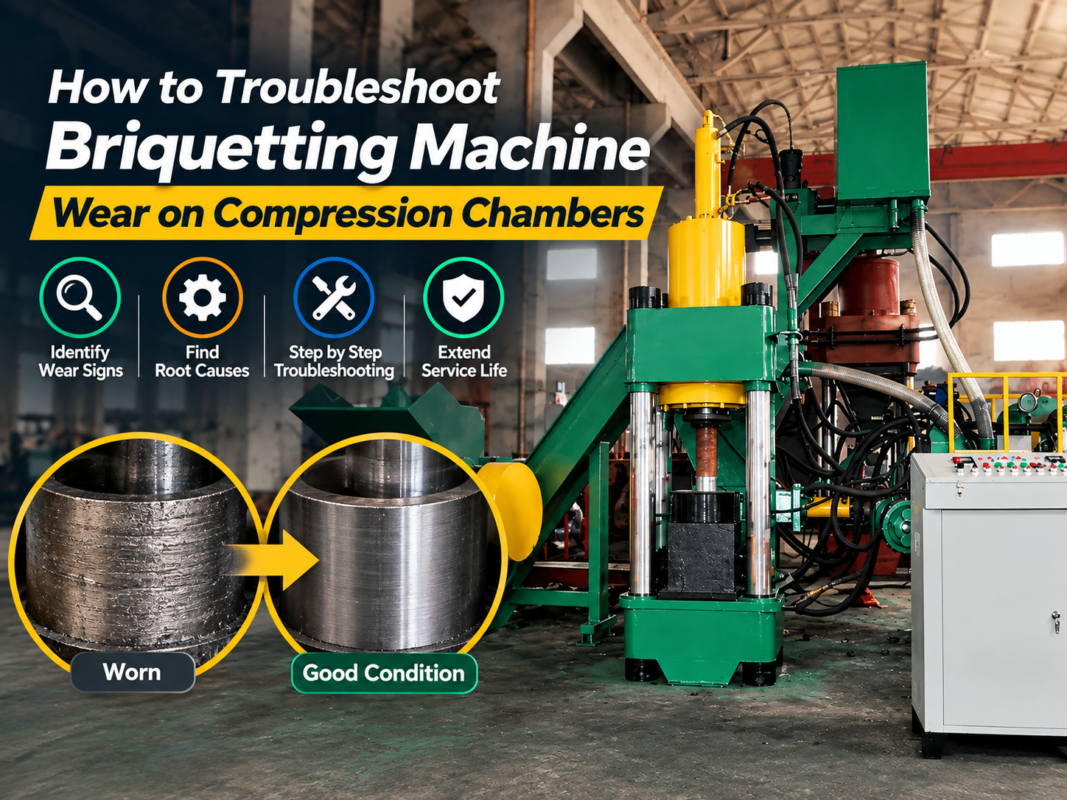
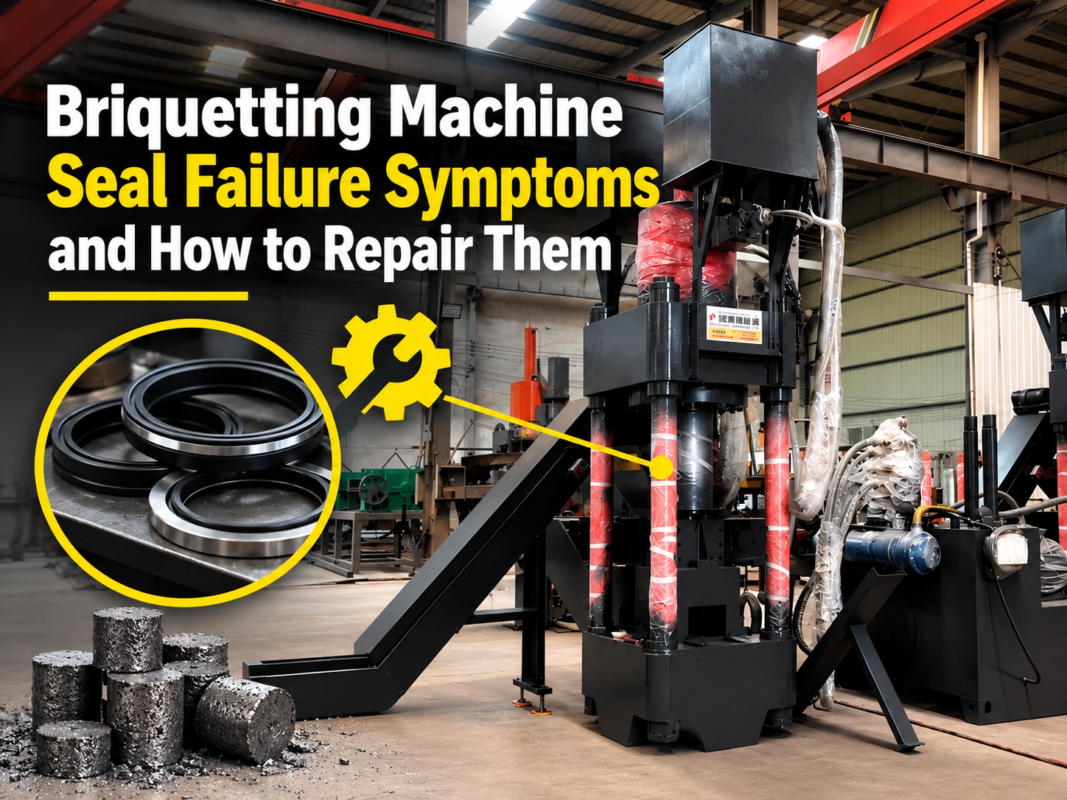
- Consumable Parts: Seals, filters, and wear plates in the compression chamber will need periodic replacement. Budgeting for a “spare parts kit” at the time of purchase is highly recommended.
- Electricity Consumption: High-tonnage machines consume significant power. In 2026, energy-efficient motors (IE3 or IE4 standards) are more expensive upfront but save thousands in annual utility bills.
- Hydraulic Oil: A large machine may require hundreds of liters of high-grade hydraulic oil, which must be factored into the initial setup cost.
ROI Calculation: Is the Investment Worth It?
The Briquetting Machine Price 2026: Affects Cost discussion is incomplete without looking at the Return on Investment (ROI). Most industrial users find that a well-chosen machine pays for itself within 12 to 24 months.
Scrap Value Increase
Loose chips are often sold at a discount because they are difficult to transport and melt. Briquettes, being dense and uniform, are treated as high-quality melting scrap. In many markets, the price difference between loose chips and briquettes can be as high as 20-30%.
Coolant Recovery Savings
Metal chips can hold up to 10-15% of their weight in cutting fluids. A briquetting machine squeezes this fluid out, allowing it to be filtered and reused. For a facility spending $50,000 a year on coolant, recovering even 50% of it results in massive annual savings.
Logistics and Storage
By reducing waste volume by 90%, companies can significantly reduce the frequency of scrap pickups. This lowers transportation costs and frees up valuable floor space in the factory that can be used for production instead of waste storage.
Buying Advice for 2026
Choosing the right supplier is as important as choosing the right machine. In 2026, the market is flooded with options, but not all are created equal. Here is some advice for prospective buyers:
- Request a Material Test: Always send a sample of your actual scrap material to the manufacturer. A reputable supplier like HARSLE will provide a video of the test and send back the resulting briquettes for your inspection.
- Check for Local Support: Ensure the manufacturer has a service network or can provide rapid remote support. Downtime in a high-volume facility can be incredibly costly.
- Evaluate the Software: In 2026, software is key. Look for machines that offer clear error logging and maintenance reminders. This prevents small issues from becoming major repairs.
- Sustainability Compliance: Ensure the machine meets the latest safety and environmental standards (CE, ISO, etc.) required in your region.
Frequently Asked Questions (FAQ)
What is the average lifespan of a briquetting machine?
With proper maintenance, a high-quality industrial briquetting machine can last 15 to 20 years. Key components like hydraulic pumps may need rebuilding every 7-10 years, but the frame and main structure are built for long-term durability.
Can one machine handle different types of metal?
Yes, most machines can process various metals like aluminum, steel, brass, and cast iron. However, the settings (pressure and cycle time) must be adjusted for each material. If you frequently switch materials, look for a machine with programmable presets in the PLC.
How much space does a briquetting system require?
A standalone small machine might only require 4-5 square meters. However, a full system with conveyors and crushers can require 20-50 square meters. Always plan for extra space around the machine for maintenance access and scrap bin placement.
Is it better to buy a new or used briquetting machine in 2026?
While used machines are cheaper, they often lack the energy efficiency and advanced safety features of 2026 models. Additionally, the cost of replacing worn hydraulic components on a used machine can quickly close the price gap with a new unit that comes with a full warranty.
Does the moisture content of the chips affect the price?
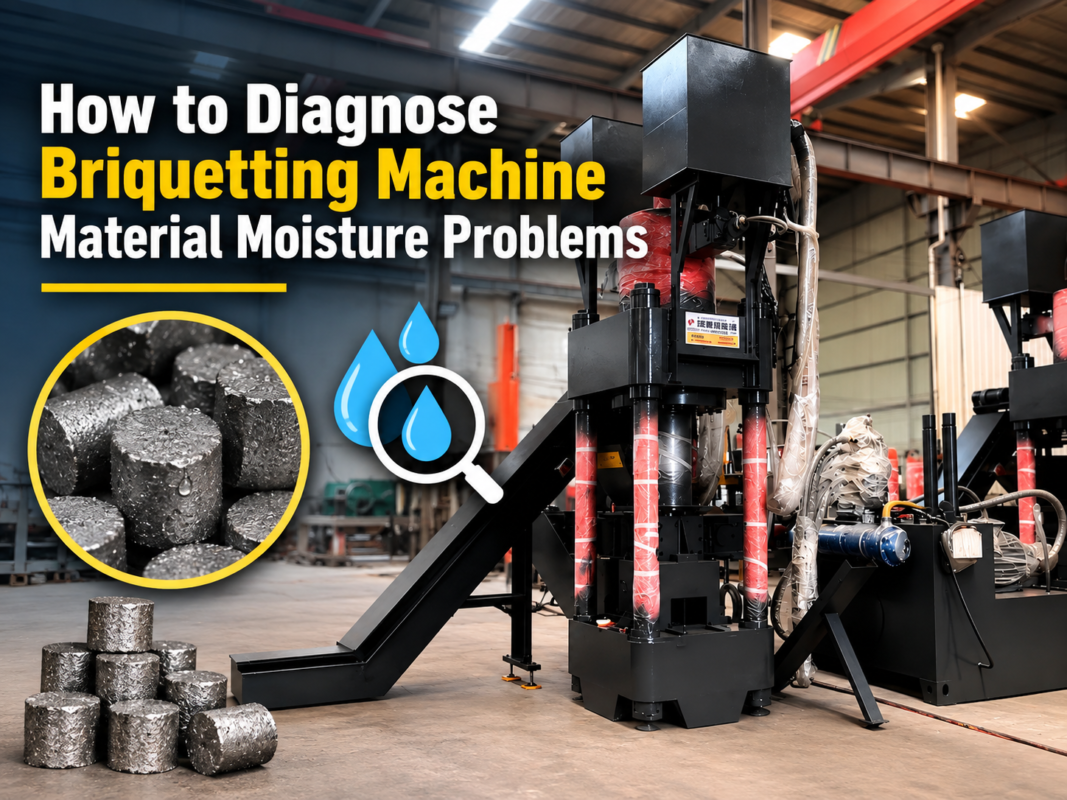
The moisture content doesn’t necessarily change the machine’s price, but it dictates the type of drainage and filtration system you need. If your chips are very wet, you must invest in a more robust coolant recovery system, which increases the initial cost.
Conclusion
Investing in a briquetting machine in 2026 is a strategic move that aligns financial gain with environmental responsibility. While the Briquetting Machine Price 2026: Affects Cost factors are numerous—ranging from hydraulic quality to automation levels—the long-term benefits of scrap value appreciation and coolant recovery make it a high-value investment for any metal fabrication business. By understanding the price drivers and selecting a configuration that matches your specific production needs, you can ensure a rapid ROI and a more efficient, sustainable workshop.