Single-Shaft Shredder Selection Guide: Matching Machine Type to Material Type

Introduction to Single-Shaft Shredder Selection
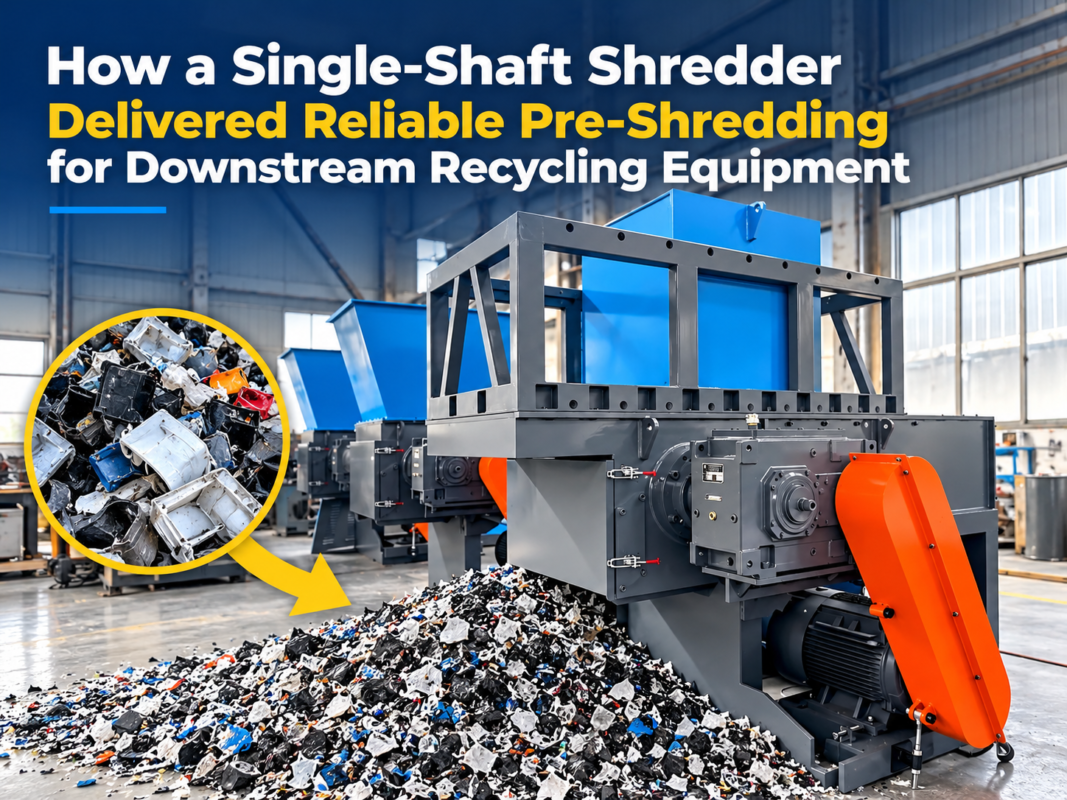
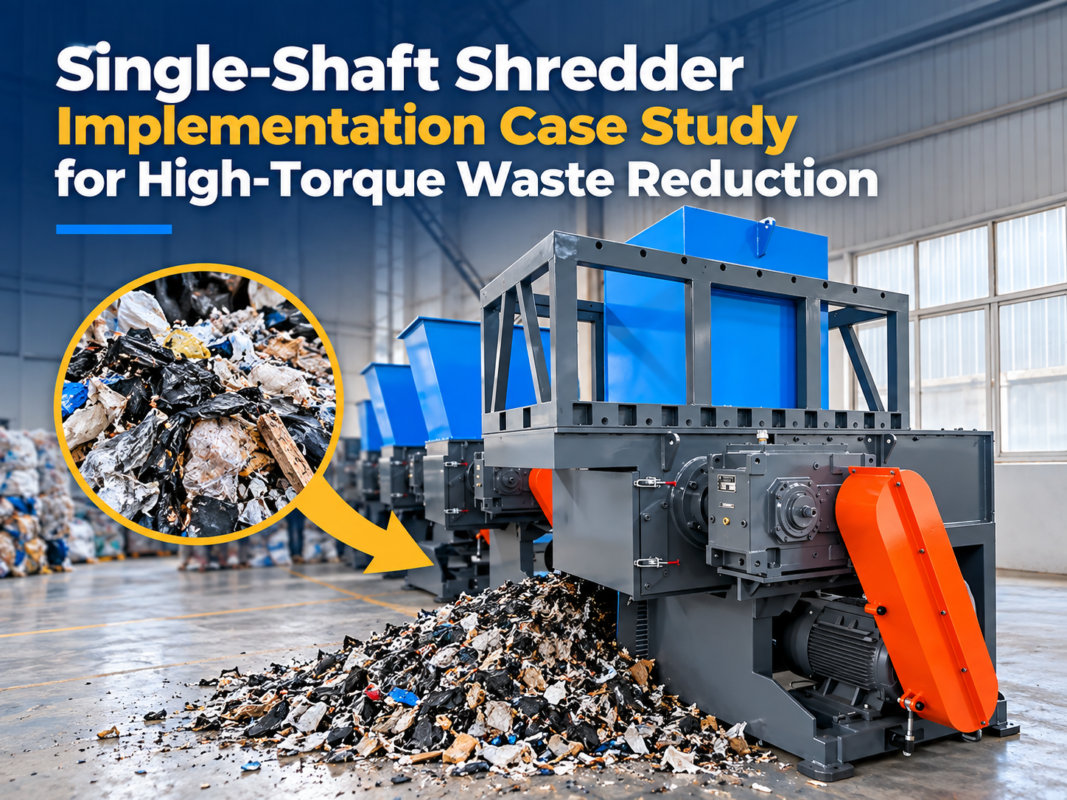
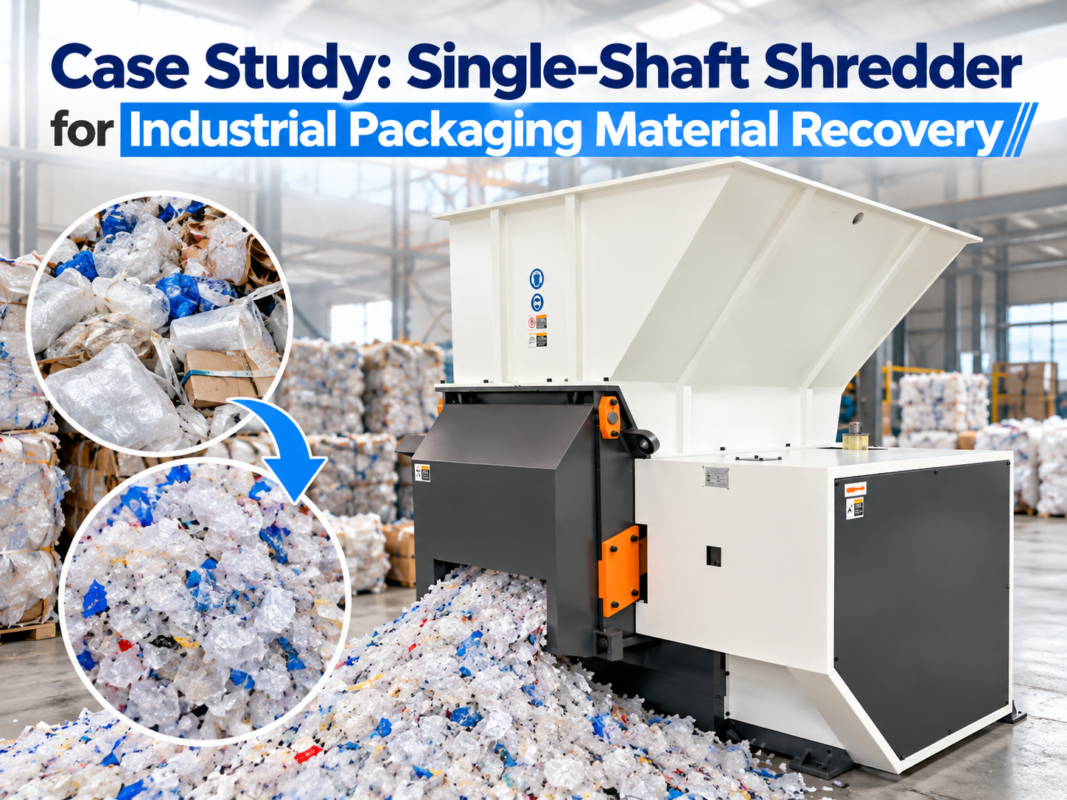
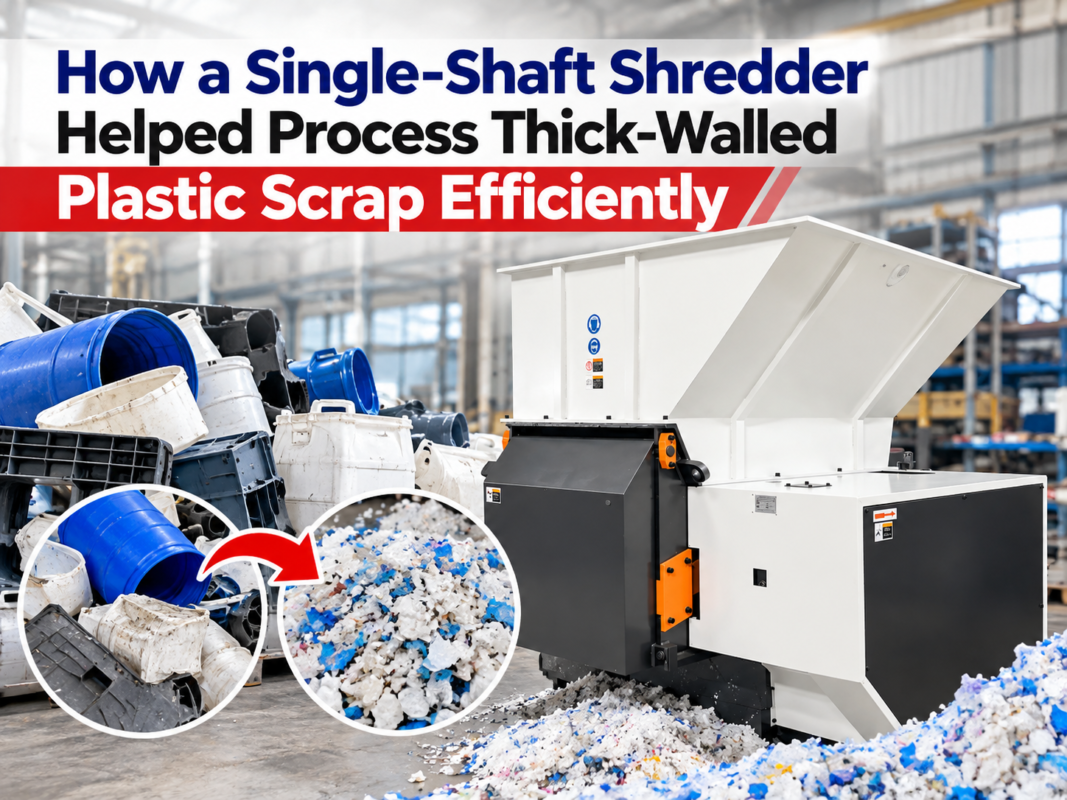
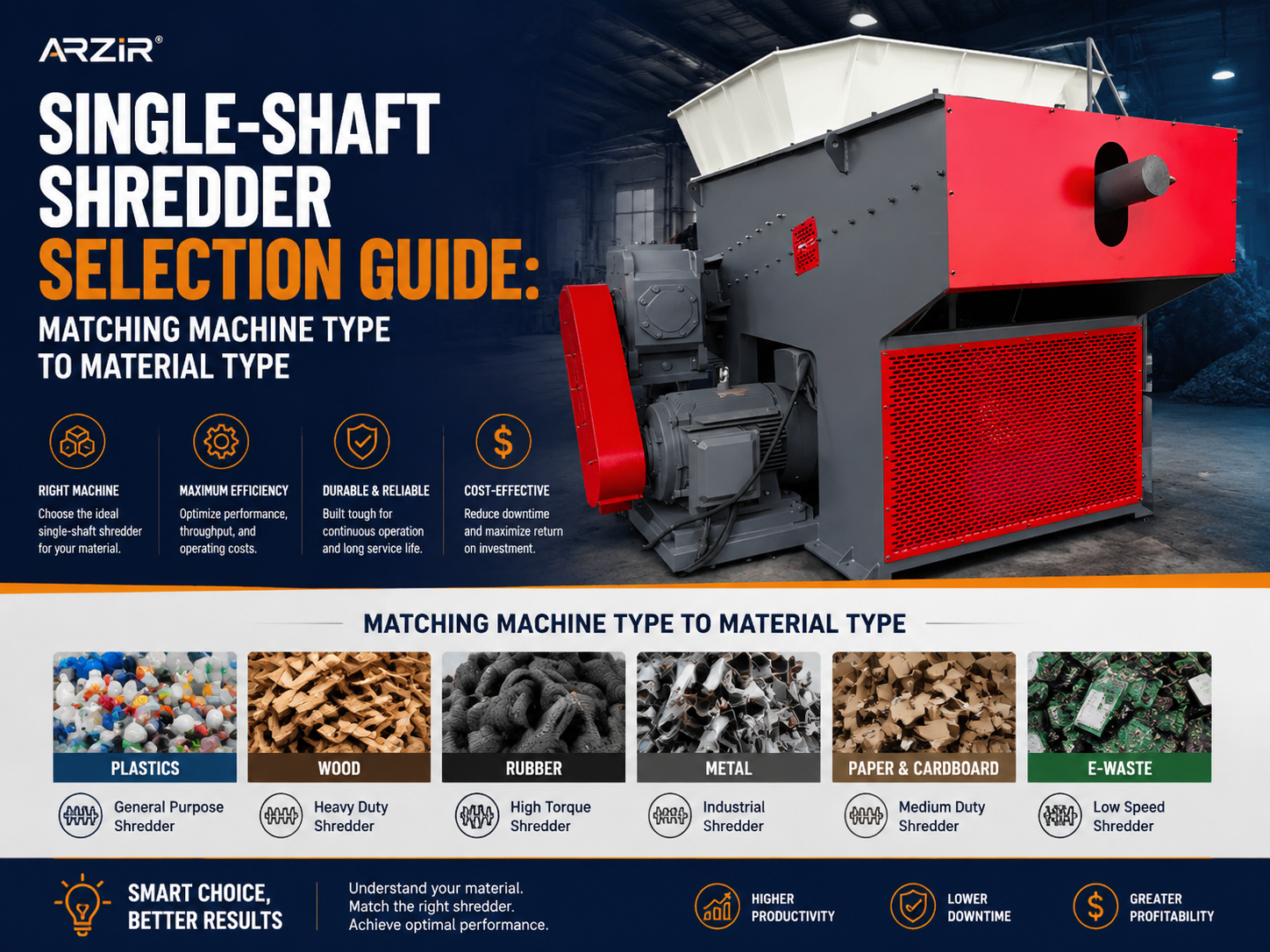
In the modern industrial landscape, the efficiency of waste management and material recycling hinges on the precision of the equipment used. The single-shaft shredder has emerged as a cornerstone of size-reduction technology, offering versatility across a spectrum of materials including plastics, wood, paper, textiles, and even light metals. However, the effectiveness of these machines is not universal; a shredder optimized for soft plastic film will struggle—and likely fail—when tasked with processing thick timber or high-density polyethylene (HDPE) pipes. This guide focuses on the critical process of Single-Shaft Shredder Selection : Matching Machine Type Material Type to ensure operational longevity and maximum throughput.
Choosing the right shredder involves more than just looking at horsepower. It requires a deep understanding of the physical properties of the material, such as its elasticity, hardness, moisture content, and thermal sensitivity. For instance, materials with a low melting point require specialized rotor cooling systems to prevent the material from fusing to the blades. Conversely, abrasive materials like glass-filled plastics require hardened steel alloys for the cutting tools to prevent premature wear. By aligning the machine’s configuration with the specific demands of the material, manufacturers can avoid the common pitfalls of equipment mismatch, such as frequent jamming, excessive energy consumption, and high maintenance costs.
Price Range Overview: Understanding the Investment
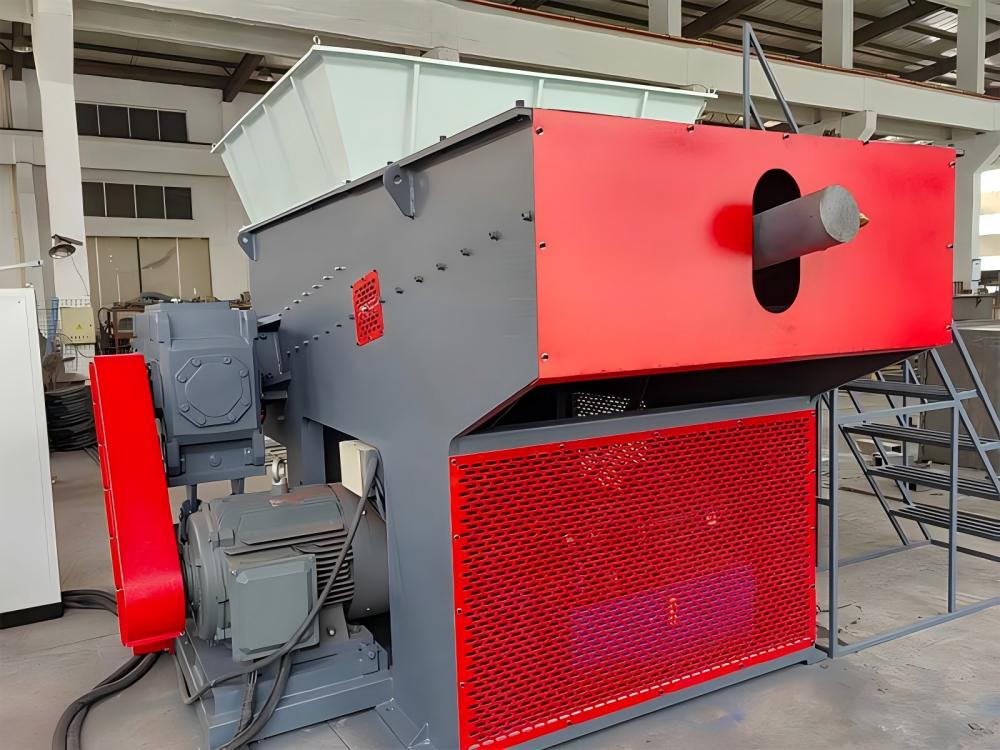
The market for single-shaft shredders is vast, with prices ranging from entry-level units to massive, highly automated industrial systems. Generally, a standard industrial-grade single-shaft shredder can cost anywhere from $15,000 to over $200,000. Understanding where a specific machine falls within this range is the first step in the selection process. Entry-level machines ($15,000 – $35,000) are typically designed for light-duty applications, such as small-scale plastic purging or paper shredding. These units often feature smaller rotor diameters and lower-torque motors, making them suitable for intermittent use rather than 24/7 production cycles.
Mid-range shredders ($40,000 – $85,000) represent the workhorses of the recycling industry. These machines are built with heavier frames, more robust gearboxes, and advanced hydraulic pusher systems. They are capable of handling tougher materials like rubber, thick-walled plastics, and wood pallets. In this price bracket, buyers often see features like PLC control systems and interchangeable screens, which allow for greater flexibility in output size. These machines are designed for consistent daily operation and offer a balance between initial capital expenditure and long-term reliability.
High-end, heavy-duty shredders ($90,000 – $200,000+) are engineered for the most demanding environments, such as large-scale municipal waste processing or high-volume industrial recycling plants. These units feature massive rotors, high-torque planetary gearboxes, and sophisticated cooling and lubrication systems. They are often integrated into fully automated lines with conveyors and magnetic separators. While the initial investment is significant, these machines offer the lowest cost-per-ton of processed material due to their high throughput and durability. When considering Single-Shaft Shredder Selection : Matching Machine Type Material Type, the price often reflects the machine’s ability to handle the physical stress of specific materials over time.
Main Cost Drivers in Shredder Manufacturing
Several technical factors dictate the final price of a single-shaft shredder. The most significant driver is the motor and drive system. High-torque motors, especially those paired with premium planetary gearboxes, are expensive but essential for shredding dense or tough materials. A machine equipped with a 75kW motor will naturally command a higher price than one with a 22kW motor, but it also provides the necessary force to shear through thick plastic lumps without stalling. The quality of the electrical components, such as Siemens or Schneider PLCs and frequency inverters, also adds to the cost but ensures better control and protection against electrical surges.
The rotor and cutting system are the next major cost drivers. A solid steel rotor, machined from a single piece of high-grade alloy, is significantly more expensive than a hollow or fabricated rotor. However, solid rotors offer the inertia and strength required for heavy-duty shredding. Furthermore, the type of cutting blades used—whether they are made from D2, DC53, or specialized tungsten carbide—impacts the price. High-wear materials require more expensive blade alloys to maintain sharpness. The complexity of the blade arrangement (e.g., staggered vs. straight) also influences manufacturing costs but is vital for efficient material grabbing and shearing.
Finally, the hydraulic system and frame construction play a role. A heavy-duty hydraulic pusher, which forces the material against the rotating rotor, requires precision valves and high-pressure cylinders. The frame itself must be constructed from thick, vibration-resistant steel plates to prevent structural fatigue. In Single-Shaft Shredder Selection : Matching Machine Type Material Type, choosing a machine with a lighter frame for heavy materials like wood logs will lead to structural failure, proving that the cost drivers are directly linked to the machine’s intended application and longevity.
Configuration Impact: Tailoring the Machine to the Task
The configuration of a single-shaft shredder is what truly defines its suitability for a specific material. One of the most critical components is the rotor design. For example, a “V-rotor” design is often preferred for film and flexible plastics because it pulls the material toward the center, preventing it from wrapping around the shaft ends. On the other hand, a flat rotor with recessed blade holders might be better for hard, brittle materials like electronic waste or thick plastic purgings, as it provides a more aggressive bite and reduces the risk of blade breakage.
The screen size and type are equally important. The screen determines the final particle size of the shredded material. For materials that tend to melt, such as low-density polyethylene (LDPE), a larger screen mesh might be necessary to allow the material to exit the chamber quickly before heat builds up. Conversely, for wood chips intended for biomass, a smaller screen ensures a uniform product. Some advanced shredders feature hydraulically operated screen cradles, allowing for rapid screen changes when switching between different material types, which is a key consideration in Single-Shaft Shredder Selection : Matching Machine Type Material Type.
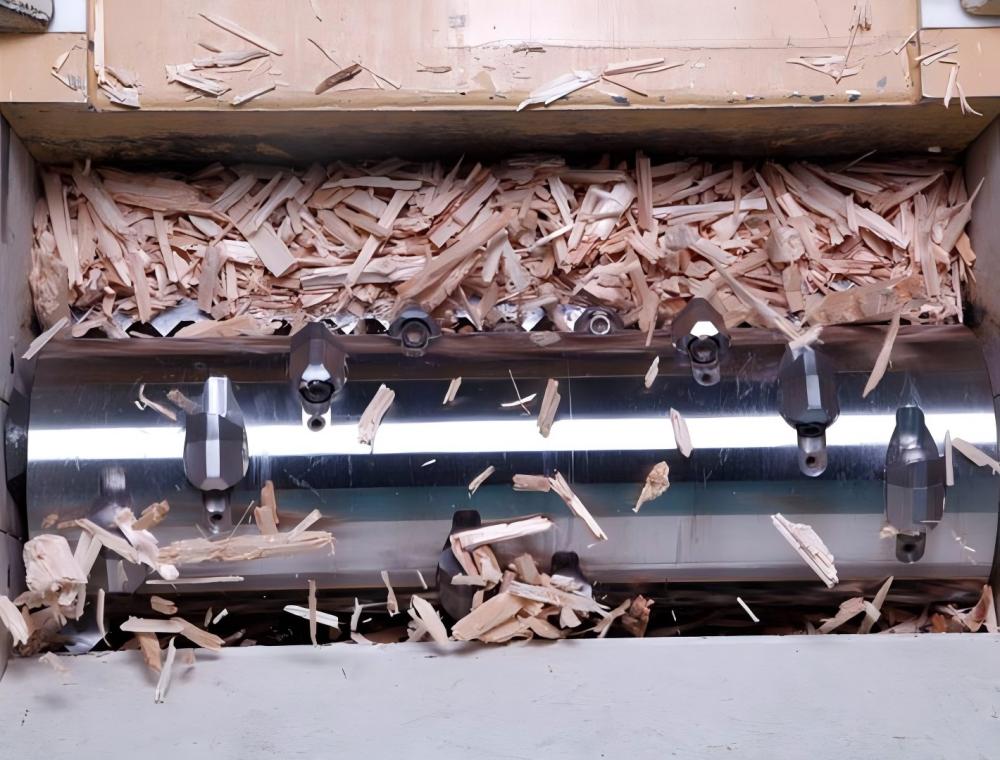
Another configuration factor is the pusher system. There are horizontal pushers, inclined pushers, and swing-arm pushers. Horizontal pushers are standard for most applications, but swing-arm pushers are often better for bulky items like large drums or bales, as they can exert pressure from a different angle to prevent material bridging. Additionally, the inclusion of water-cooling for the rotor or the bearing housings is a configuration choice that is essential for processing heat-sensitive materials or for operations running in high-ambient-temperature environments. These configuration choices directly impact the machine’s efficiency and the quality of the final output.
Hidden Costs of Ownership
When purchasing a single-shaft shredder, the sticker price is only the beginning. One of the most significant hidden costs is energy consumption. A shredder that is underpowered for its material will run at peak load constantly, leading to high electricity bills and premature motor failure. Conversely, an oversized machine for light tasks wastes energy. Implementing a variable frequency drive (VFD) can help mitigate these costs by adjusting the motor speed to the load, but the VFD itself is an additional upfront cost. Over the life of the machine, energy can account for a substantial portion of the total cost of ownership.
Maintenance and wear parts represent another ongoing expense. Shredder blades are consumable items. Depending on the material being processed, blades may need to be rotated or replaced every few hundred hours. For instance, shredding contaminated agricultural film with sand and grit will dull blades much faster than shredding clean factory scrap. The cost of a full set of replacement blades, along with the labor and downtime required to change them, must be factored into the budget. Furthermore, the gearbox oil, hydraulic fluid, and seals require regular inspection and replacement to prevent catastrophic failures.
Downtime is perhaps the most overlooked hidden cost. If a shredder breaks down in a continuous production line, the entire operation can grind to a halt. This is why the availability of spare parts and the ease of maintenance are crucial. A machine that requires specialized tools or a technician from overseas for simple repairs will incur much higher downtime costs than a machine designed with standard, locally available components. In the context of Single-Shaft Shredder Selection : Matching Machine Type Material Type, choosing a machine that is easy to service for your specific material type is a strategic financial decision.
ROI Calculation: When Does the Investment Pay Off?
Calculating the Return on Investment (ROI) for a single-shaft shredder involves analyzing the throughput, the value of the processed material, and the total operating costs. The formula can be simplified as: ROI = (Value of Shredded Material per Year – Annual Operating Costs) / Total Investment Cost. For example, if a shredder allows a plastic recycler to process 500kg of scrap per hour that was previously sold as low-value bulk waste, the increase in material value (from $100/ton to $400/ton) can be substantial. If the machine operates 2,000 hours a year, the added value is $300,000.
Operating costs must include electricity, labor, maintenance, and the cost of the capital (interest). If the annual operating costs are $100,000 and the machine cost $150,000, the net gain is $200,000 per year. In this scenario, the machine pays for itself in less than nine months. However, this calculation is highly dependent on the accuracy of Single-Shaft Shredder Selection : Matching Machine Type Material Type. If the machine is poorly matched and only achieves 50% of its rated throughput due to frequent jamming or slow processing of the specific material, the ROI period can easily double or triple.
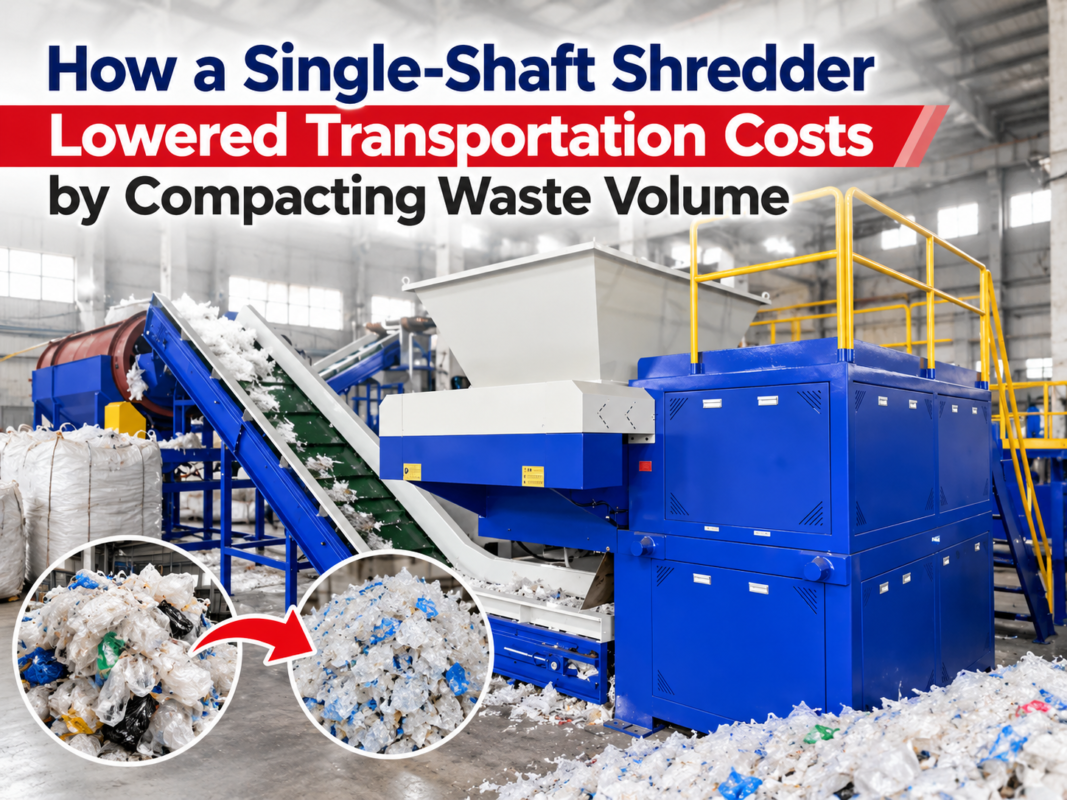
Furthermore, the ROI can be improved by considering the reduction in transportation costs. Shredding bulky waste like foam or hollow containers at the source reduces the number of truckloads required to move the material to a landfill or secondary processor. This “volume reduction” is a key driver for ROI in many logistics and warehousing applications. By selecting a shredder that produces the optimal bulk density for transport, companies can save thousands in logistics costs annually, further justifying the initial machinery investment.
Buying Advice: Making the Right Choice
When you are ready to make a purchase, the first step is to conduct a material test. Any reputable manufacturer, such as HARSLE, should be willing to process a sample of your specific material through their machines. This test provides empirical data on throughput, particle size, and power consumption. It also reveals how the material behaves—whether it wraps, melts, or shatters—which is essential for final configuration adjustments. Never rely solely on a datasheet; the physical reality of your waste stream is the ultimate decider.
Secondly, consider the future-proofing of your investment. While you may be processing one type of plastic today, your business might expand into different materials tomorrow. Selecting a shredder with a modular design or adjustable settings (like interchangeable screens and VFDs) provides the flexibility to adapt to market changes. Additionally, check the manufacturer’s track record for after-sales support. A machine is only as good as the support behind it. Ensure that the manufacturer provides detailed manuals, a clear maintenance schedule, and has a responsive technical support team.
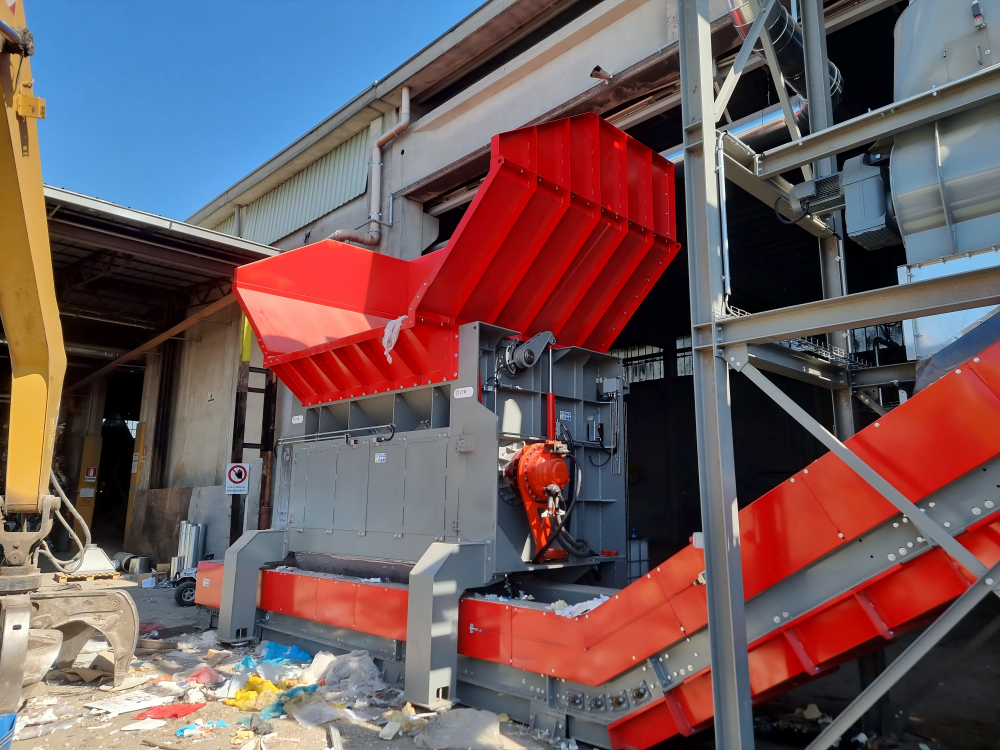
Finally, don’t be tempted to under-spec the machine to save on initial costs. In the world of industrial shredding, “buying cheap” often means “buying twice.” An underpowered machine will lead to frustration, high repair bills, and lost production time. Focus on the total cost of ownership over a 5-to-10-year period rather than just the purchase price. By following the principles of Single-Shaft Shredder Selection : Matching Machine Type Material Type, you ensure that your equipment remains a productive asset rather than a maintenance liability.
Frequently Asked Questions (FAQ)
1. Can a single-shaft shredder handle metal?
Single-shaft shredders are primarily designed for plastics, wood, and paper. While they can handle light metals like aluminum cans or thin copper wiring, they are not suitable for heavy steel scrap or structural metal. For those applications, a twin-shaft shredder or a specialized metal crusher is required. Processing heavy metal in a standard single-shaft machine will cause immediate damage to the blades and rotor.
2. How often do the blades need to be sharpened?
The frequency of blade maintenance depends entirely on the material. For clean plastics, blades may last 500-800 hours before needing to be rotated (most blades have four cutting edges). For abrasive materials like glass-filled nylon or contaminated wood, this could drop to 100-200 hours. Regular inspection is key to maintaining throughput and preventing motor strain.
3. What is the difference between a single-shaft and a double-shaft shredder?
A single-shaft shredder uses a high-speed rotor and a hydraulic pusher to shear material against a fixed bed knife, producing a precise, uniform output size determined by a screen. A double-shaft shredder (or twin-shaft) uses two counter-rotating shafts with interlocking blades to tear material. Double-shaft machines are better for high-volume primary shredding of bulky items but do not produce a uniform particle size without a secondary process.
4. Why is my shredder overheating when processing plastic?
Overheating usually occurs because the material is staying in the cutting chamber too long, often due to a screen that is too small or blades that are dull. As the blades rub against the material rather than cutting it, friction creates heat, causing the plastic to melt and clog the screen. Increasing the screen size or sharpening the blades usually resolves this issue.
5. Is a hydraulic pusher always necessary?
For most bulky or light materials, a hydraulic pusher is essential to ensure the material makes consistent contact with the rotor. Without a pusher, the rotor may just “bounce” the material around the chamber, leading to very low throughput. Only very heavy, dense materials that feed by gravity might not require a pusher, but even then, it is usually recommended for efficiency.
6. How do I choose the right motor power?
Motor power should be based on your required throughput (kg/hr) and the toughness of the material. As a rule of thumb, tougher materials like rubber or thick HDPE require more kilowatts per kilogram of output. Consult with the manufacturer’s engineering team to match the motor torque curve to your specific material’s resistance profile.