
How to Choose the Right Baler Machine for Your Business


As recycling and waste management industries continue to expand, investing in the right baler machine has become increasingly important for businesses seeking higher efficiency and lower operating costs. Whether you operate a scrap recycling facility, manufacturing plant, warehouse, or waste management company, choosing the correct baler machine can significantly improve productivity, storage efficiency, and transportation savings.
However, with so many baler machine types and configurations available on the market, selecting the most suitable solution can be challenging. In this guide, I will explain the key factors businesses should consider when choosing the right baler machine for their operations.
What Is a Baler Machine?
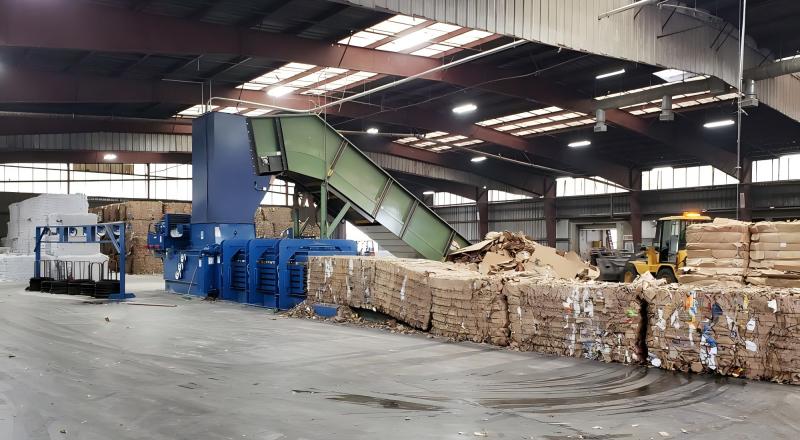
A baler machine is industrial equipment designed to compress recyclable or waste materials into compact and manageable bales. These bales are easier to store, transport, and recycle. Baler machines are commonly used for processing:
- Scrap metal
- Aluminum cans
- Plastic bottles
- Cardboard
- Paper waste
- Textile waste
- Industrial scrap materials
Modern balers can be hydraulic, automatic, semi-automatic, or fully customized depending on production requirements.
Understand Your Material Type
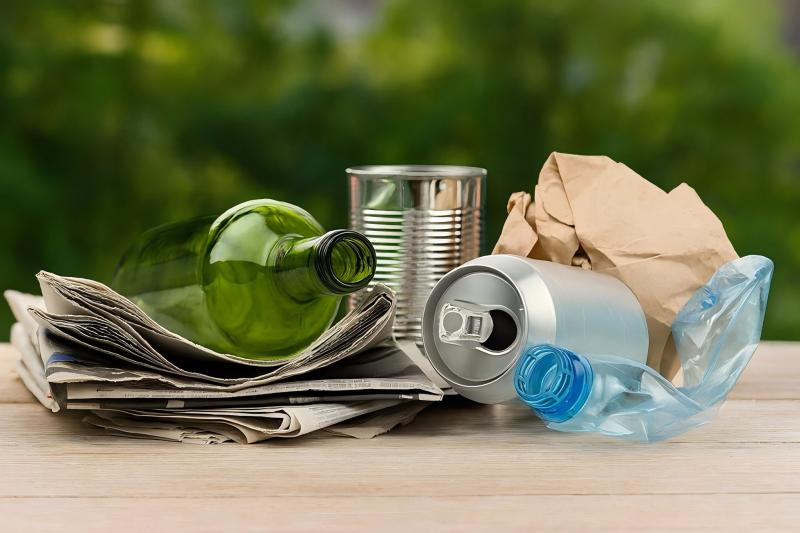
The first and most important step when selecting a baler machine is identifying the type of material you need to process. Different materials require different compression forces and machine structures.
Metal Scrap
Metal scrap such as steel, aluminum, and copper requires heavy-duty hydraulic balers with high compression pressure. Metal balers are designed with reinforced chambers and durable hydraulic systems to handle tough materials.
Cardboard and Paper
For cardboard and paper recycling, vertical balers or horizontal balers are commonly used. These materials are lightweight and easier to compress compared to metal scrap.
Plastic Waste
Plastic bottles and film require machines capable of producing dense and stable bales to improve transportation efficiency.
Choosing a baler specifically designed for your material type ensures better performance and longer machine life.
Determine Your Processing Capacity
Production volume plays a major role in selecting the right baler machine. Businesses handling small quantities of recyclable material do not need the same equipment as large industrial recycling plants.
Small Businesses
Small recycling centers or retail stores may only require compact vertical balers with lower operating costs and smaller footprints.
Medium-Sized Operations
Manufacturing companies and warehouses often prefer semi-automatic horizontal balers that provide higher efficiency while remaining cost-effective.
Large Recycling Facilities
Large-scale scrap recycling plants usually require fully automatic baler systems capable of continuous operation and high-volume processing.
Before purchasing a machine, businesses should estimate their daily or monthly material processing requirements carefully.
Consider Baler Machine Types
There are several common types of baler machines available in the recycling industry.
Vertical Baler
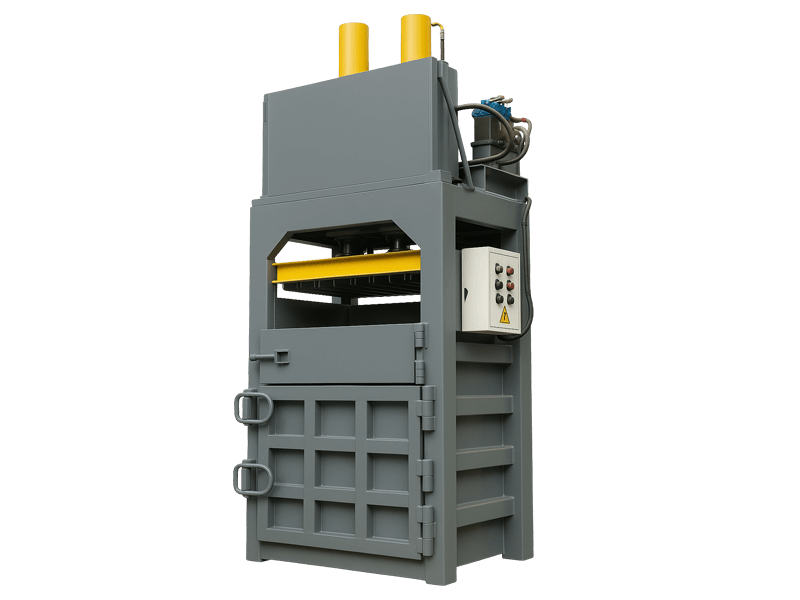
Vertical balers are compact and affordable machines suitable for small businesses. They require manual loading and bale tying but offer excellent space-saving advantages.
Advantages include:
- Lower investment cost
- Small installation area
- Easy operation
- Suitable for light materials
Horizontal Baler

Horizontal balers are ideal for medium and large recycling operations. These machines can process higher material volumes with greater automation.
Benefits include:
- Higher productivity
- Continuous feeding capability
- Reduced labor requirements
- More consistent bale density
Metal Scrap Baler

Metal balers are specifically designed for compressing heavy metal scrap into dense blocks. They use powerful hydraulic systems and reinforced structures.
Common applications include:
- Scrap yards
- Automotive recycling
- Metal fabrication plants
- Steel recycling facilities
Choosing the correct baler type improves operational efficiency and reduces long-term maintenance costs.
Evaluate Hydraulic System Quality
The hydraulic system is one of the most important components of a baler machine. A high-quality hydraulic system provides stable pressure, efficient operation, and long service life.
When evaluating hydraulic performance, businesses should pay attention to:
- Hydraulic cylinder quality
- Pump brand and reliability
- Pressure stability
- Oil cooling system
- Energy efficiency
Servo hydraulic systems are becoming increasingly popular because they reduce energy consumption and operating noise.
Check Automation Features
Automation level directly affects productivity and labor costs. Modern balers are available with different automation options.
Manual Baler
Operators load and tie materials manually. Suitable for low-volume applications.
Semi-Automatic Baler
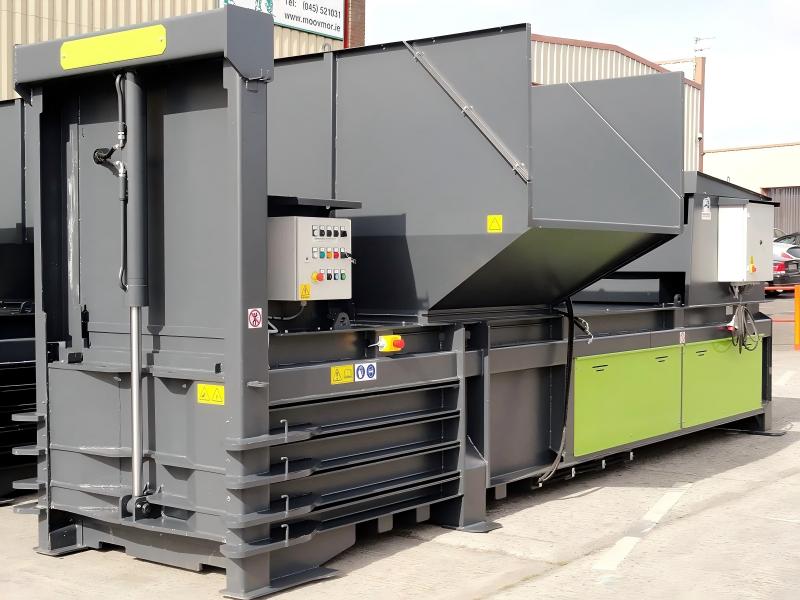
The compression process is automated, while bale tying still requires manual work.
Fully Automatic Baler
These systems handle feeding, compression, tying, and bale ejection automatically. They are ideal for large-scale recycling facilities seeking maximum efficiency.
Businesses should choose the automation level based on labor availability and production targets.
Focus on Bale Size and Density
Different recycling industries have different requirements for bale dimensions and density. High-density bales provide several advantages:
- Lower transportation costs
- Easier storage
- Improved recycling value
- Better furnace feeding efficiency
Before selecting a machine, businesses should confirm the required bale size and weight standards for their target recycling market.
Consider Installation Space
Baler machines vary significantly in size. Some recycling facilities have limited installation space, making compact machine designs more suitable.
Before purchasing a baler machine, businesses should evaluate:
- Workshop dimensions
- Ceiling height
- Material feeding area
- Forklift access
- Maintenance space
Proper space planning improves operational safety and workflow efficiency.
Evaluate Maintenance and Service Support
Reliable after-sales support is critical for minimizing downtime and maintaining production efficiency. Businesses should choose suppliers that provide:
- Professional technical support
- Spare parts availability
- Installation guidance
- Operator training
- Fast maintenance response
A reliable manufacturer can help extend machine life and reduce long-term operating costs.
Compare Energy Efficiency
Energy consumption directly affects production costs. Modern baler machines with servo hydraulic systems and optimized control technology can significantly reduce electricity usage.
Energy-efficient machines provide advantages such as:
- Lower operating costs
- Reduced heat generation
- Quieter operation
- Improved environmental performance
Over time, energy savings can provide a substantial return on investment.
Budget and Long-Term Value
While price is an important factor, businesses should focus on long-term value rather than only the initial machine cost. A low-cost baler with poor quality may lead to frequent breakdowns, higher maintenance costs, and reduced productivity.
Instead, companies should evaluate:
- Machine durability
- Production efficiency
- Energy consumption
- Service support
- Spare parts availability
A high-quality baler machine often provides better profitability over its lifetime.
Conclusion
Choosing the right baler machine for your business requires careful evaluation of material type, production capacity, automation level, hydraulic performance, and long-term operational costs. The ideal baler machine should improve recycling efficiency, reduce labor requirements, minimize transportation expenses, and deliver reliable long-term performance.
As recycling industries continue to grow worldwide, investing in a high-quality baler machine can help businesses stay competitive, improve sustainability, and maximize profitability. By selecting the right machine based on your operational needs, you can build a more efficient and cost-effective recycling system for the future


