
How Baling Machines Improve Scrap Recycling Efficiency


Advantages of Baling Machines in scrap recycling are becoming increasingly important as the recycling industry continues to reduce waste, conserve resources, and support sustainable manufacturing. As the demand for efficient scrap processing grows, baling machines have become essential equipment for recycling companies worldwide. Whether handling metal scrap, plastic waste, cardboard, or aluminum cans, a baling machine helps businesses improve efficiency, reduce transportation costs, and maximize recycling profits.
In this article, I will explain the major advantages of baling machines in scrap recycling and why investing in a high-quality baler can significantly improve recycling operations.
What Is a Baling Machine?

A baling machine is industrial equipment designed to compress loose scrap materials into compact and manageable bales. These machines use hydraulic pressure or mechanical force to reduce the volume of recyclable materials. The finished bales are easier to store, transport, and process further.
Baling machines are widely used in industries such as:
- Scrap metal recycling
- Waste management
- Manufacturing plants
- Automotive recycling
- Packaging facilities
- Plastic recycling centers
Depending on the application, balers can process materials like steel scrap, aluminum, copper, cardboard, plastic film, PET bottles, and textile waste.
Improved Storage Efficiency
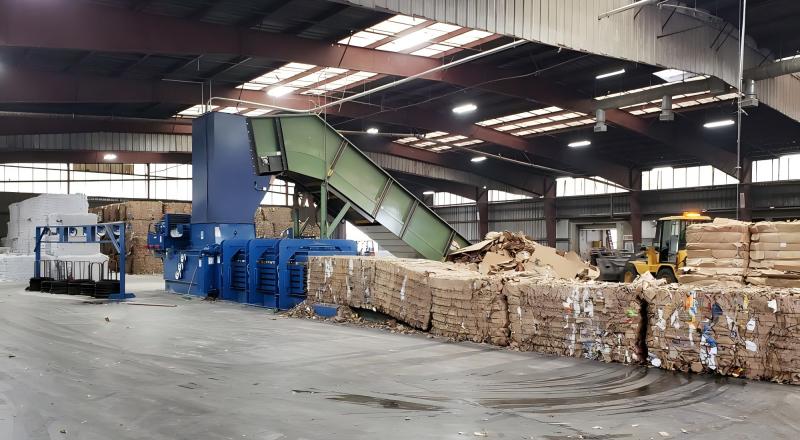
One of the biggest advantages of a baling machine is its ability to reduce material volume dramatically. Loose scrap materials occupy a large amount of storage space and create an unorganized working environment.
After compression, the material becomes compact and neatly stacked into uniform blocks. This allows recycling companies to:
- Save warehouse space
- Increase storage capacity
- Maintain cleaner workshops
- Improve operational organization
For example, loose aluminum cans can take up several times more space than compressed bales. By using a baling machine, recycling facilities can store significantly larger quantities of scrap without expanding their warehouse area.
Lower Transportation Costs
Transportation is one of the highest operational expenses in scrap recycling. Loose materials are bulky and inefficient to transport because trucks reach their volume limit before reaching the maximum weight capacity.
Baling machines solve this problem by increasing material density. Compact bales allow transport vehicles to carry more recyclable material per shipment.
The benefits include:
- Reduced fuel consumption
- Fewer transportation trips
- Lower labor costs
- Improved logistics efficiency
For large recycling centers, this cost reduction can generate substantial long-term savings.
Higher Recycling Value
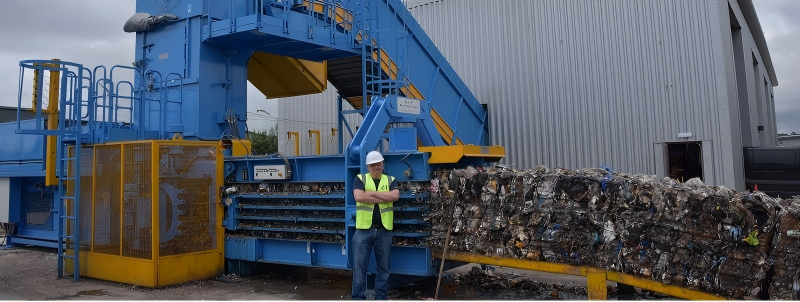
Compressed scrap materials often have a higher market value compared to loose scrap. Recycling companies and metal processing plants prefer uniform and dense bales because they are easier to handle and process.
Well-formed bales provide several advantages for buyers:
- Easier loading and unloading
- Faster furnace feeding
- Improved material handling
- Better inventory management
As a result, recyclers can negotiate better selling prices and improve overall profitability.
Increased Workplace Safety
Loose scrap materials can create dangerous working conditions. Sharp edges, unstable piles, and scattered waste increase the risk of accidents and injuries.
Baling machines help create a safer working environment by organizing scrap into stable and compact units. This reduces:
- Tripping hazards
- Material collapse risks
- Manual handling injuries
- Dust and debris spread
Modern baling machines are also equipped with advanced safety systems such as:
- Emergency stop buttons
- Safety interlocks
- Hydraulic overload protection
- Automatic operating cycles
These features help improve operator safety and reduce workplace accidents.
Enhanced Operational Efficiency
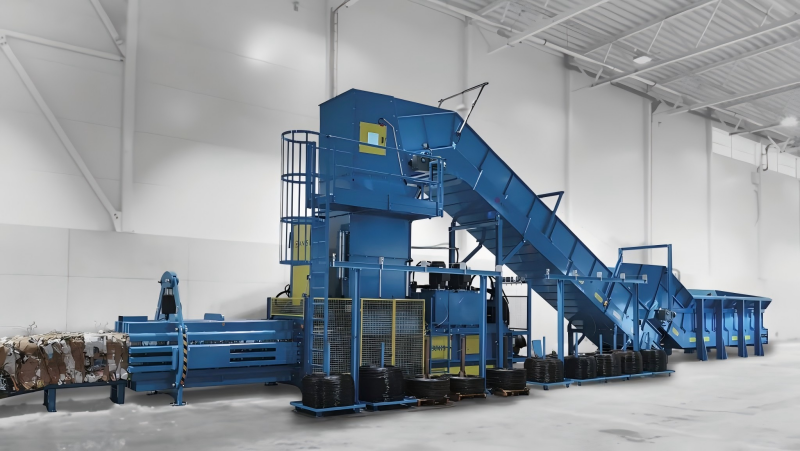
Manual scrap handling is time-consuming and labor-intensive. A baling machine automates the compression process, allowing recycling facilities to process large volumes of material quickly.
This leads to:
- Faster material handling
- Reduced labor requirements
- Higher production output
- Improved workflow efficiency
Automatic and semi-automatic balers can continuously process scrap with minimal operator involvement. This is especially important for large-scale recycling plants that handle tons of scrap material daily.
Environmental Benefits
Baling machines contribute significantly to environmental sustainability. By improving recycling efficiency, they help reduce landfill waste and conserve natural resources.
Compact bales also reduce transportation emissions because fewer truck trips are required. Additionally, efficient recycling reduces the demand for raw material extraction and lowers industrial energy consumption.
Some key environmental advantages include:
- Reduced landfill usage
- Lower carbon emissions
- Improved recycling rates
- Conservation of natural resources
As environmental regulations become stricter worldwide, efficient recycling systems are becoming increasingly important for industrial businesses.
Versatility Across Multiple Materials
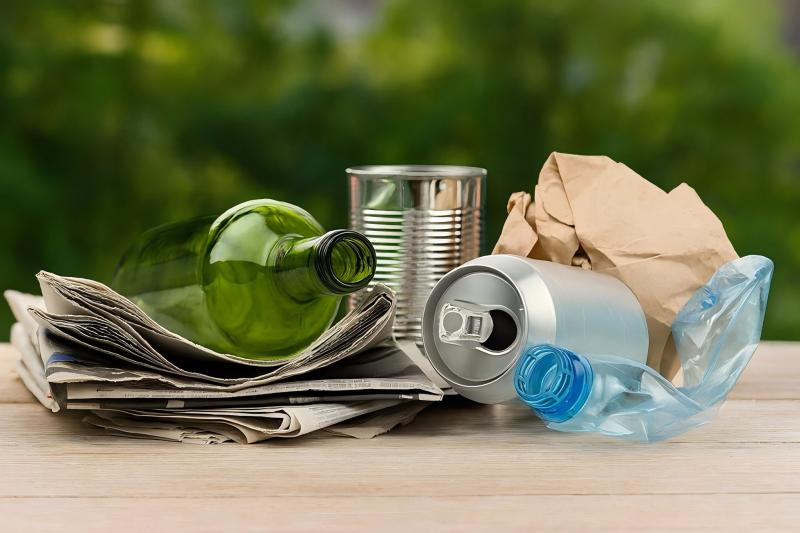
Modern baling machines are highly versatile and can process a wide range of recyclable materials. Different baler models are designed for specific industries and material types.
Common recyclable materials include:
- Scrap steel
- Aluminum cans
- Copper wire
- Plastic bottles
- Cardboard boxes
- Textile waste
- Paper scrap
This flexibility allows recycling companies to diversify their operations and handle multiple waste streams with a single machine.
Reduced Labor Costs
Without a baling machine, workers must manually collect, organize, and transport loose scrap materials. This requires significant labor and increases operational expenses.
A baling machine simplifies these tasks through automation. Compact bales are easier to move using forklifts or cranes, reducing manual labor intensity.
Benefits include:
- Lower staffing requirements
- Reduced physical workload
- Faster handling operations
- Improved labor productivity
Over time, these savings can offset the initial investment cost of the machine.
Better Appearance and Professional Image
A clean and organized recycling facility creates a more professional image for customers, inspectors, and business partners. Loose scrap piles often appear messy and unsafe.
Compressed bales help maintain a tidy working environment and demonstrate operational professionalism. This can improve customer confidence and support long-term business growth.
Long-Term Cost Savings
Although purchasing a baling machine requires initial investment, the long-term financial benefits are significant. Companies can save money through:
- Reduced transportation costs
- Lower labor expenses
- Improved storage efficiency
- Higher scrap resale value
- Increased processing capacity
For many recycling businesses, the return on investment can be achieved within a relatively short period.
Conclusion
Baling machines have become an indispensable part of modern scrap recycling operations. Their ability to compress loose materials into dense and manageable bales provides numerous advantages, including lower transportation costs, improved storage efficiency, enhanced safety, and higher recycling profitability.
As recycling industries continue to expand globally, investing in a reliable baling machine can help businesses improve operational performance and remain competitive in the market. Whether processing metal scrap, plastics, or cardboard waste, a high-quality baling machine offers both economic and environmental benefits for recycling companies of all sizes.


