
Heavy Scrap Recycling Equipment
Gantry Shear Heavy-Duty Hydraulic Shear
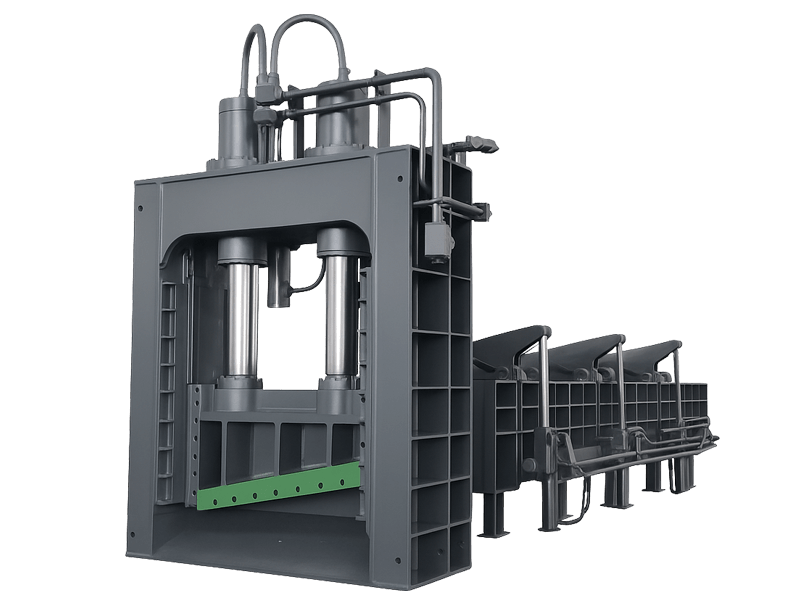
A high-tonnage hydraulic shear built around an overhead-beam gantry frame — engineered to size-reduce ship plate, structural steel, heavy beams, rails, and oversized ferrous scrap into controlled lengths for sorting, baling, shredding, and furnace charging.
600–2000 Ton
Rated Cutting Force
1.5–3.2 m
Blade Length Range
100–300 mm
Max Cutting Thickness
200–500 kW
Motor Power Range
Product Overview
Why Operators Specify a Gantry Shear
When incoming scrap is too thick, too long, or too rigid for alligator shears, container shears, or shredder infeeds, a hydraulic gantry shear becomes the primary cutting station. The portal-style frame distributes cutting reaction across four columns and an overhead beam, enabling consistent high-force shearing of heavy ferrous loads under continuous-duty conditions.
Overhead-Beam Gantry Frame
Welded portal structure with reinforced columns and a heavy upper beam absorbs reaction loads, maintaining blade alignment under repeated high-tonnage cutting cycles.
High Cutting Force Capacity
Hydraulic packages from 600 up to 2000 tons, sized for ship plate, heavy structural steel, rail sections, and dense scrap profiles that smaller shear types cannot economically process.
Long-Stroke Blade Geometry
Extended blade length and progressive engagement reduce peak load spikes while delivering full-stroke cuts on plate, beams, and bundled profiles.
Wear-Optimized Tooling
Alloy-steel shear blades and replaceable wear plates are selected for abrasive heavy ferrous scrap and extended production campaigns between rotations.
High-Throughput Operation
Sized hydraulic circuits, accumulator-assisted return, and synchronized hold-down rams support fast cycle times for sustained yard productivity.
Built for Heavy Yard Conditions
Robust electrical enclosures, guarded service access, and structural reinforcement make the gantry shear suitable for outdoor, dust-heavy ship-breaking and demolition environments.
Technical Data
Representative Specifications
The figures below illustrate typical configuration ranges for stationary hydraulic gantry shears used in ferrous scrap recycling and ship-breaking. Final ratings depend on blade design, motor power, hydraulic circuit configuration, and the maximum cross-section to be processed.
| Model | Cutting Force | Blade Length | Max Thickness | Cutting Frequency | Capacity | Motor Power |
|---|---|---|---|---|---|---|
| ARZIR GS-800 | 800 tons | 2000mm | 100mm | 45–60 cycles/hour | 80–120 tons/hour | 200 kW |
| ARZIR GS-1200 | 1200 tons | 2500mm | 150mm | 40–55 cycles/hour | 100–150 tons/hour | 315 kW |
| ARZIR GS-1600 | 1600 tons | 3000mm | 200mm | 35–50 cycles/hour | 120–180 tons/hour | 400 kW |
| ARZIR GS-2000 | 2000 tons | 3500mm | 300mm | 30–45 cycles/hour | 150–220 tons/hour | 500 kW |
Operating Cycle
How the Hydraulic Gantry Shear Works
A gantry shear coordinates multiple hydraulic cylinders within a portal frame: hold-down rams secure the workpiece, the main cutting cylinder drives a vertically guided blade through the scrap, and the overhead beam absorbs reaction force — enabling consistent shearing of heavy cross-sections.
01
Material Loading
Heavy scrap is loaded into the gantry throat by material handler, crane, or feed table; operators align the cut line within the portal frame opening.
02
Hold-Down Clamping
Hydraulic hold-down rams clamp the workpiece firmly against the lower blade seat, suppressing movement and stabilizing the cut zone.
03
Vertical Shearing Stroke
The main shear cylinder drives the upper blade downward through the scrap; the gantry beam transfers reaction load symmetrically across the columns.
04
Discharge & Reset
Cut sections fall into the discharge zone or onto a conveyor; the blade and hold-down rams retract, ready for the next feed advance.
Feedstock
Materials Commonly Cut With a Gantry Shear
Gantry shears are specified where incoming scrap includes heavy plate, structural sections, and oversized rigid assemblies — typical for ship-breaking yards, structural demolition flows, and large-scale ferrous recycling operations.

Ship Hull Plate

Structural Steel Beams
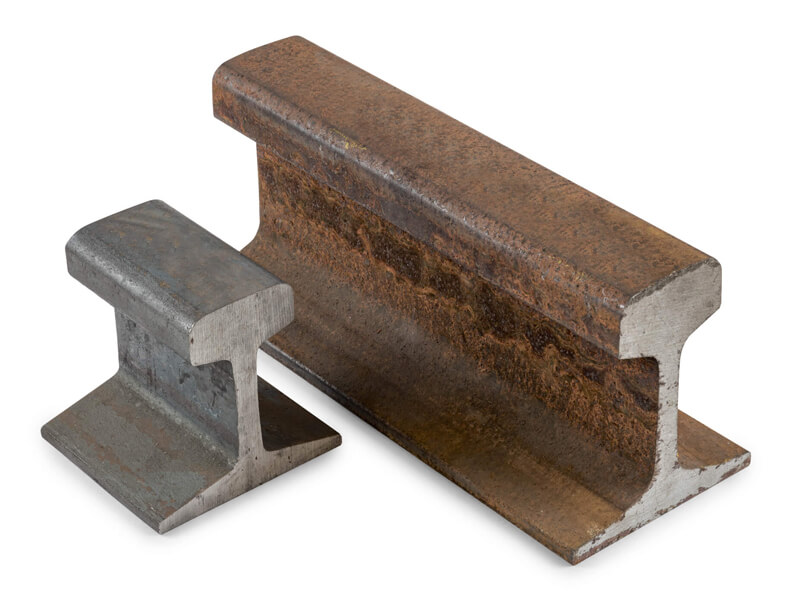
Rail Sections

Heavy Plate Stacks
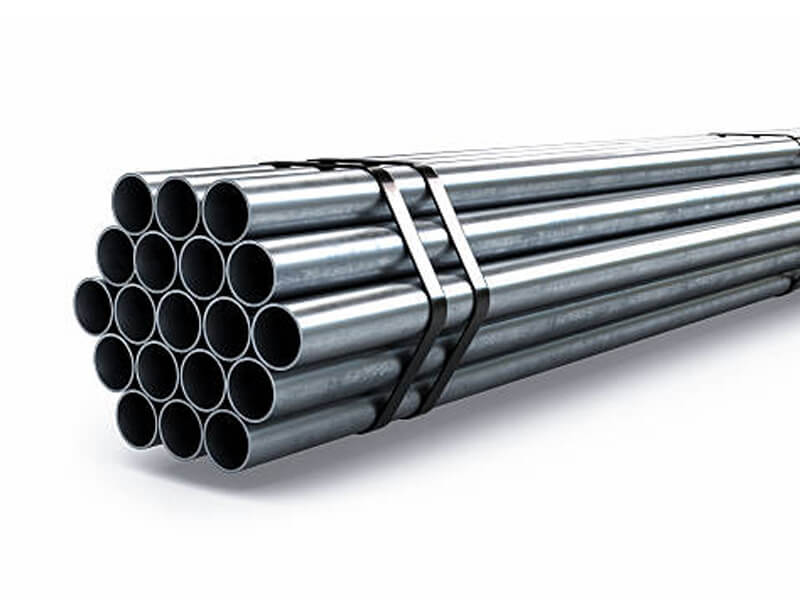
Heavy Pipe Bundles

Demolition Steel

Boilers & Tanks
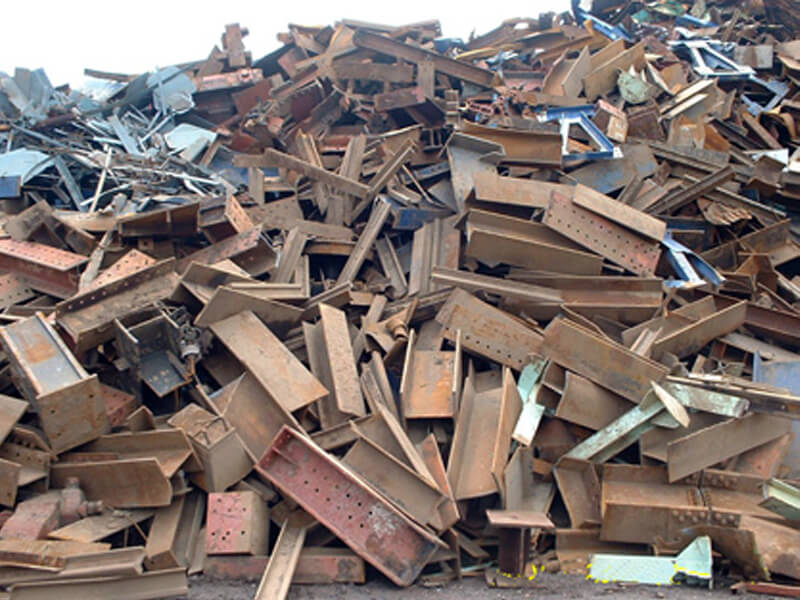
Mixed Heavy Ferrous
Deployment Context
Where Gantry Shears Add Value
Gantry shears are positioned upstream of balers, shredders, and export logistics wherever incoming scrap is too heavy or oversized for lighter cutting equipment. Their portal frame and high cutting force make them the equipment of choice for ship-breaking, structural demolition, and large-scale ferrous recycling.
Ship-Breaking Yards
Primary cutting station for hull plate, deck sections, and heavy marine structural steel removed during vessel dismantling.
Large Ferrous Scrap Yards
Length reduction of structural beams, rails, plate, and oversized assemblies before sorting, shredding, baling, or export stowage.
Heavy Demolition & Infrastructure
On-site or depot processing of bridge steel, industrial plant structures, and high-mass assemblies recovered from infrastructure projects.
Steel Mill & Foundry Supply
Producing predictable charge lengths from heavy scrap to match furnace bucket dimensions and improve melt-shop logistics.
Pre-Shredder Cutting Stations
Upstream conditioning that reduces oversized scrap into shredder-compatible lengths, protecting hammers and infeed structures.
Port & Export Terminals
Cutting heavy scrap to denser stowage lengths for bulk vessels and containers when exporting prepared ferrous material to overseas mills.
Engineering Advantages
Why the Gantry Configuration Outperforms Lighter Shears
The gantry concept is engineered specifically for heavy, repeatable, high-force cutting. Compared with mobile shears, alligator shears, or container shears, the portal frame provides structural and hydraulic advantages that translate directly into uptime and consistent cut quality.
01
Symmetrical Force Distribution
Reaction loads are shared evenly across four columns and the upper beam, reducing localized stress concentrations and minimizing frame deflection during peak cutting.
02
Stable Blade Alignment
Guided blade carriers within the rigid portal maintain precise blade-to-anvil clearance, supporting consistent shear quality and prolonged blade life.
03
Higher Cutting Capacity
Frame stiffness allows much higher cutting force ratings than alligator or container designs, enabling thick plate, beam, and rail processing without chronic stalling.
04
Long Blade, Wide Throat
Extended blade length and a generous throat opening accept oversized profiles and bundled stock, reducing the need for pre-cutting or repositioning.
05
Continuous-Duty Hydraulics
Industrial hydraulic packages with high oil cleanliness targets, large reservoirs, and efficient cooling are specified for sustained heavy cutting cycles.
06
Maintainable Wear Strategy
Replaceable blades, hold-down inserts, and wear liners are positioned for rapid service access, supporting planned maintenance windows in high-tonnage facilities.
Use Cases
Application Scenarios
Gantry shears are deployed across heavy-recycling industries wherever oversized ferrous scrap requires reliable, high-tonnage size reduction before further processing or export logistics.
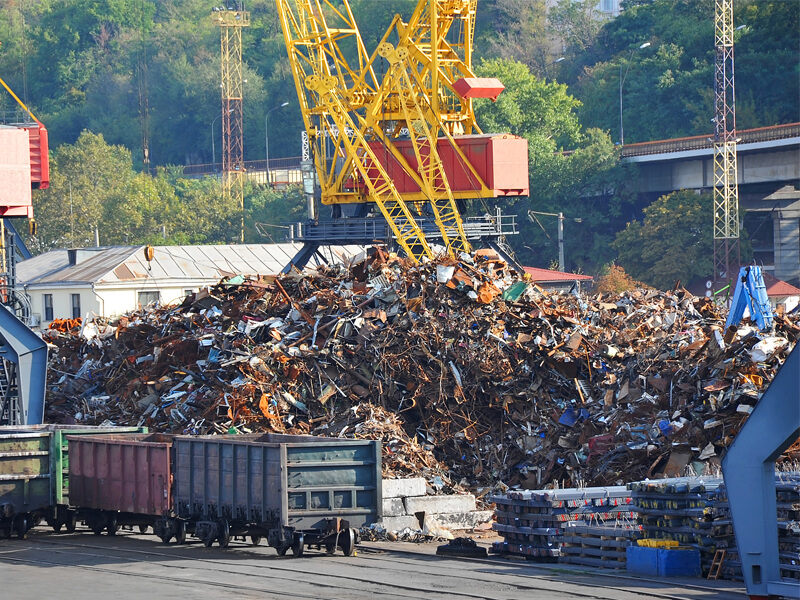
Scrap Yards & Metal Recycling
Primary cutting station for oversized heavy ferrous receipts — reducing structural steel, beams, and dense scrap before sorting, shredding, baling, or export.

Steel Mills & Smelting Plants
Producing consistent charge lengths from heavy scrap to match furnace bucket dimensions and improve melt-shop logistics and yield control.

Shipyards & Marine Industry
Cutting hull plate, deck sections, frames, and heavy marine structural steel into manageable sizes during vessel dismantling and ship-breaking operations.

Construction & Demolition Sites
On-site or depot processing of bridge segments, industrial plant skeletons, and high-mass steel assemblies recovered from infrastructure teardowns.
Knowledge Base
Frequently Asked Questions
What is a gantry shear?
A gantry shear is a heavy-duty hydraulic scrap shear built around an overhead-beam, portal-style frame. The gantry structure resists very high reaction forces, allowing the shear to cut thick structural steel, ship plate, rails, and other oversized ferrous scrap that lighter shear types cannot process efficiently.
How does a gantry shear differ from an alligator or container shear?
Alligator shears use a hinged jaw and target lighter rebar and bar stock. Container shears handle bulky but moderately thick scrap. A gantry shear uses a portal frame and a long, vertically driven blade to deliver much higher cutting force, making it suitable for ship-breaking plate, heavy beams, and structural assemblies.
What materials can a hydraulic gantry shear cut?
Typical feedstock includes ship hull plate, structural steel beams, rails, heavy pipe, large profiles, demolition steel, oversized vehicle components, and mixed heavy ferrous scrap. Blade geometry, hold-down force, and frame rating determine the maximum cross-section that can be cut.
Where are gantry shears typically used?
Gantry shears are commonly deployed at large scrap yards, ship-breaking yards, structural demolition sites, steel mills, and metal recycling plants where incoming material is too heavy or oversized for balers, shredders, or smaller shears.
What cutting force range is typical for a gantry shear?
Industrial hydraulic gantry shears typically operate in a 600–2000 ton cutting-force range, with blade lengths from roughly 1.5 to over 3 meters. The exact rating is selected based on scrap type, target throughput, and the maximum cross-section to be cut.
How does the gantry frame improve performance?
The overhead-beam gantry frame distributes cutting reaction forces across a rigid, four-column or portal structure. This reduces frame deflection during high-force cutting, helps maintain blade clearance, and supports the long stroke required for heavy plate and beam shearing.
What maintenance practices matter most for a gantry shear?
Hydraulic oil cleanliness, cylinder seal inspection, blade gap and shimming, hold-down condition, wear plate replacement, and structural bolt torque verification are critical. Heavy scrap is abrasive and high-impact, so blade rotation and wear-part schedules should follow hours-based and tonnage-based intervals.
Can a gantry shear be integrated with conveyors and loaders?
Yes. Gantry shears are commonly fed by material handlers or cranes, with discharge supported by chutes, conveyors, or skip systems that route cut pieces to shredders, balers, sorting lines, or stockpile zones for export.
Get the Right Machine for Your Operation
Tell us about your material type, throughput requirements, and site conditions — our engineers will recommend the ideal equipment and provide a competitive quote within 24 hours.
- Response within 24 hours
- Free technical consultation & quotation
- ISO-certified factory & strict quality control
- Shipped to 100+ countries worldwide