
Metal Recycling Equipment
Container Shear Hydraulic Cutting System
A heavy-duty hydraulic shear engineered to size-reduce oversized ferrous scrap — including containers, vehicle shells, and bulky structures — into controlled lengths for safer handling, densification, and downstream processing.

400–900 Ton
Rated Cutting Force
2.0–4.0 m
Typical Blade Opening
Hydraulic Drive
Primary Power System
Heavy-Duty Frame
Welded Steel Structure
Product Overview
Why Operators Specify a Container Shear
When scrap arrives in forms that cannot pass through a baler charging box or shredder infeed, cutting is the first recovery step. Our container shear delivers stable hold-down, progressive blade engagement, and industrial-duty construction suited to high-tonnage scrap yards and metal recycling plants.
Oversized Feedstock
Processes steel containers, demolition scrap, and bulky assemblies that must be length-reduced before baling, sorting, or furnace charging.
Controlled Cutting Geometry
Designed blade clearance and hold-down pressure help maintain predictable cut quality across mixed thicknesses and irregular profiles.
Wear-Resistant Tooling
Shear blades and wear plates use alloy steel selections suited to abrasive ferrous scrap and extended production campaigns.
Productivity Alignment
Hydraulic circuits sized for fast ram return and efficient power delivery support yard throughput targets without unnecessary energy loss.
Safe Yard Integration
Guarded cutting zone philosophy and interlocked maintenance access support responsible fixed-plant and yard installation practice.
Configurable Execution
Multiple frame sizes and hydraulic packages allow alignment with site power limits, foundation conditions, and material mix.
Technical Data
Representative Specifications
Figures below illustrate typical configuration ranges for stationary hydraulic container shears used in ferrous scrap recycling. Final ratings depend on blade design, motor power, and hydraulic component selection.
| Model | Cutting Force | Blade Length | Cutting Frequency | Capacity | Motor Power |
|---|---|---|---|---|---|
| ARZIR CS-400 | 400 tons | 1200mm | 40–60 cycles/hour | 15–25 tons/hour | 75 kW |
| ARZIR CS-600 | 600 tons | 1500mm | 35–50 cycles/hour | 20–35 tons/hour | 90 kW |
| ARZIR CS-800 | 800 tons | 1800mm | 30–45 cycles/hour | 25–45 tons/hour | 110 kW |
Operating Cycle
How the Hydraulic Shear Works
The container shear uses coordinated hydraulic cylinders to clamp scrap securely while a powered blade advances through the material in a controlled stroke — optimizing bite depth and minimizing blade stall across varying cross-sections.
01
Feed Positioning
Bulky scrap is placed in the shear throat using crane, material handler, or infeed table; operators align the cut line with visible throat markers.
02
Hold-Down Engagement
Hold-down rams press the workpiece against the lower blade seat to reduce movement and vibration during the cutting stroke.
03
Cutting Stroke
The main shear cylinder drives the upper blade through the scrap until the stroke completes or pressure reaches the set relief threshold.
04
Discharge & Repeat
Cut pieces fall to a designated discharge zone or conveyor; rams retract to prepare for the next feed increment.
Feedstock
Materials Commonly Cut With a Container Shear
Container shears are specified where incoming scrap includes rigid shells and profiles that must be shortened before further compaction or shredding — typical for mixed demolition flows and end-of-life vehicle processing lines.

Steel Containers

ELV Shells & Frames

Structural Profiles
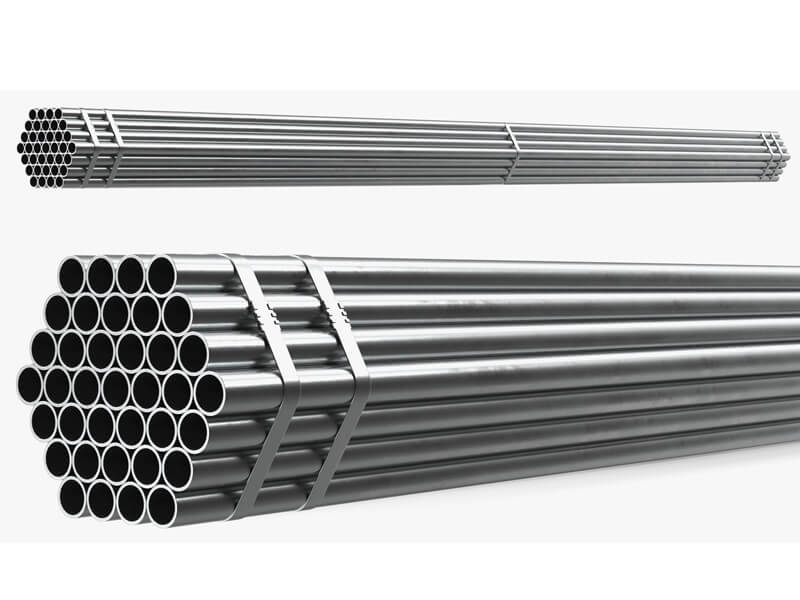
Pipe Bundles
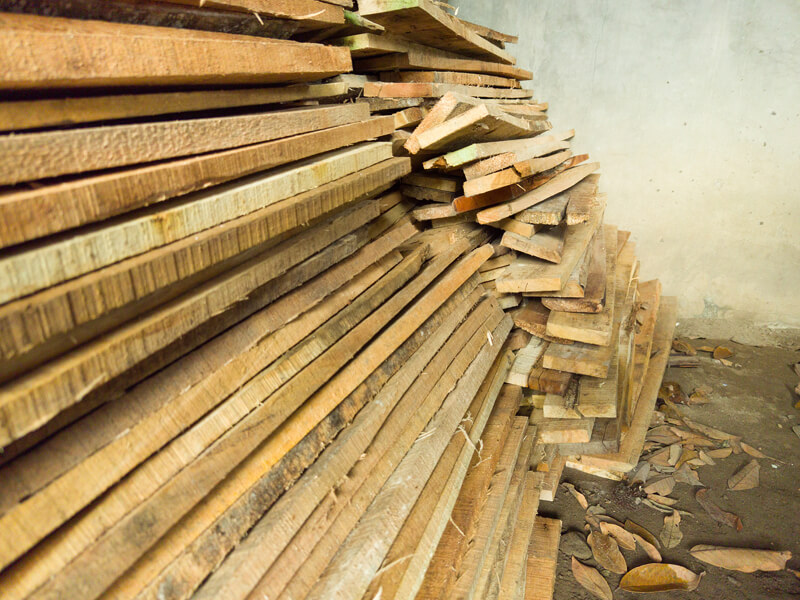
Plate & Beam Offcuts
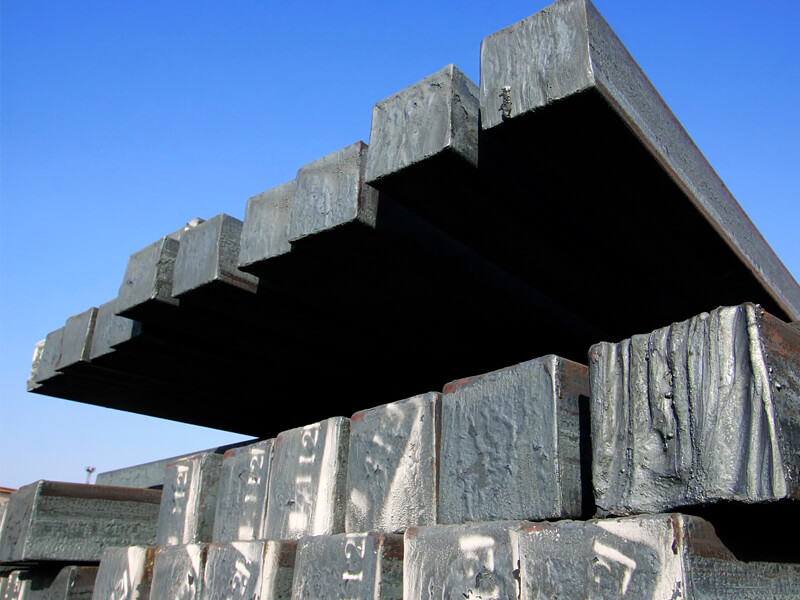
Mixed Bulky Ferrous
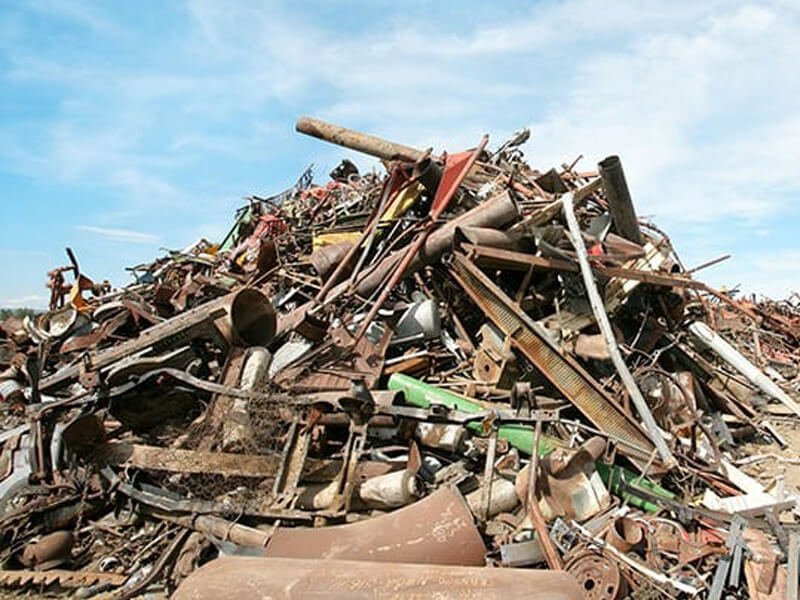
Demolition Scrap
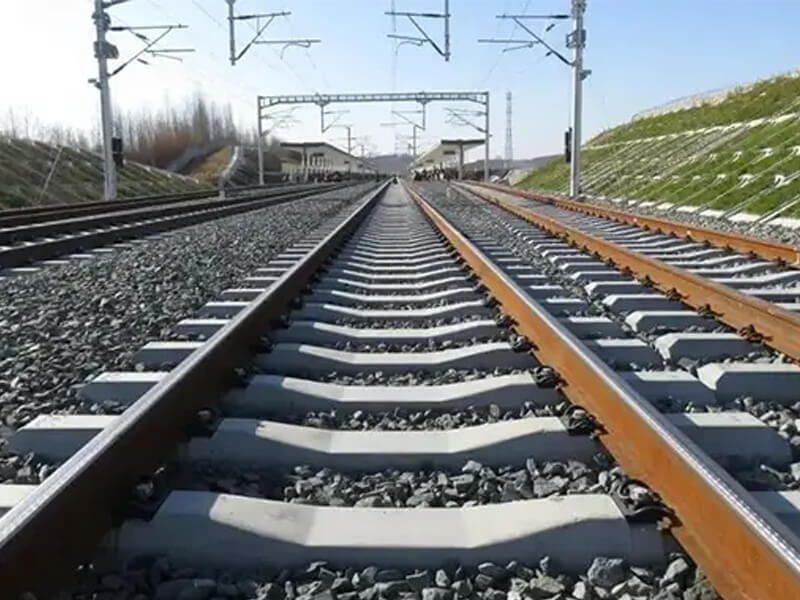
Rail & Heavy Sections
Deployment Context
Where Container Shears Add Value
Installations range from standalone yard stations to integrated flows feeding shredders or balers. The common requirement is reliable size reduction of rigid scrap that would otherwise bottleneck downstream equipment.
Ferrous Scrap Yards
Primary cutting station for oversized receipts prior to sorting sheds, shredder infeeds, or export loading operations.
End-of-Life Vehicle Facilities
Length reduction of hulks and pressed bundles after depollution, preparing material for shredder or manual densification.
Demolition & Infrastructure Recovery
On-site or depot processing of structural steel and bulky assemblies recovered from bridges, industrial plants, and infrastructure projects.
Metal Recycling Plants
Upstream conditioning for heavy flows where uniform charge size improves baler efficiency and melt-shop logistics.
Port & Transshipment Hubs
Reducing piece length for denser stowage inside bulk vessels or containers when exporting prepared ferrous scrap.
Foundry & Mill Supply Chains
Producing predictable scrap lengths compatible with furnace buckets and charge buckets used in integrated steel routes.
Use Cases
Application Scenarios
Container shears are deployed across a wide range of industries wherever oversized ferrous scrap requires controlled size reduction before further processing or export.
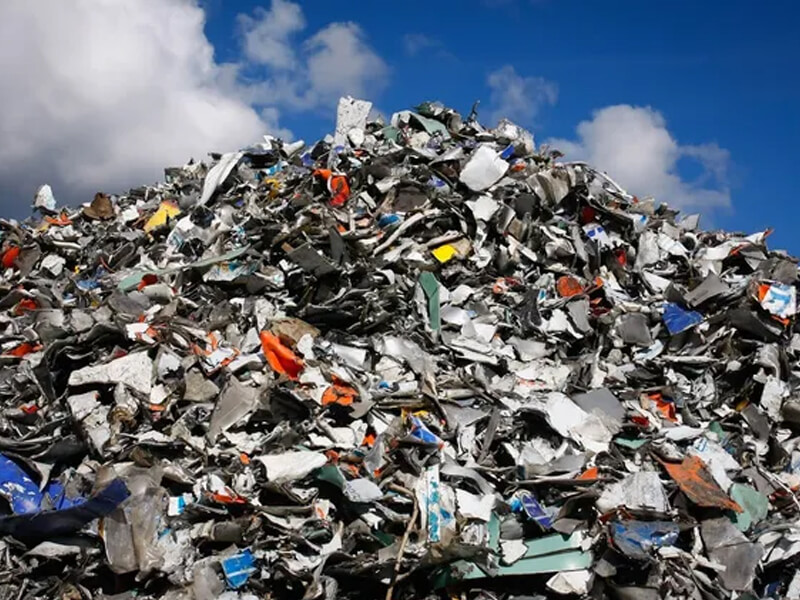
Scrap Yards & Metal Recycling
Primary cutting station for oversized receipts — size-reducing bulky ferrous loads prior to sorting, baling, shredding, or export stowage.

Automotive Dismantling
Length reduction of ELV hulks, pressed bodies, and frame assemblies after depollution — preparing material for shredder infeed or densification.
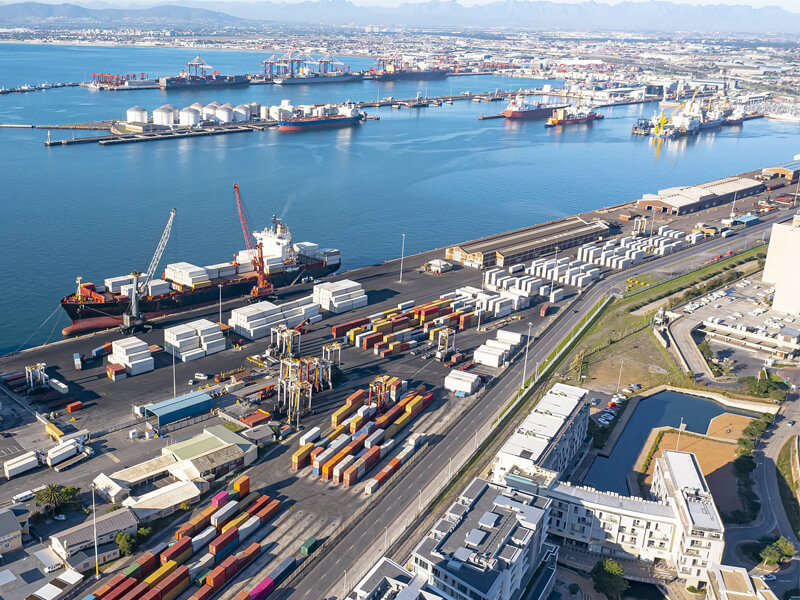
Port & Container Terminals
Reducing scrap piece length for denser bulk vessel stowage and container packing when exporting prepared ferrous material to smelters.

Construction & Demolition
On-site or depot processing of structural steel, beams, and bulky assemblies recovered from bridges, industrial plants, and infrastructure teardowns.
Knowledge Base
Frequently Asked Questions
What is a container shear used for?
A container shear is a heavy-duty hydraulic cutting machine used to reduce oversized scrap metal containers, vehicle shells, pipe bundles, and bulky steel structures into shorter pieces that are easier to sort, bale, load, and feed into shredders or furnaces.
How does a hydraulic container shear differ from a scrap metal baler?
A baler compresses loose or bulky scrap into dense bales. A container shear cuts large rigid structures into smaller lengths first. Many operations use shears upstream of balers or shredders when incoming material is too large for the charging opening of other equipment.
What materials can a container shear process?
Typical feedstock includes steel containers, ELV bodies, structural profiles, plate scrap, rail segments, pipe bundles, and mixed bulky ferrous scrap. Blade geometry and hold-down force are matched to the thickness and profile of the material being cut.
When should a recycler choose a shear instead of only a baler?
When incoming material exceeds the physical inlet or structural limits of a baler or shredder, shearing is used first to reduce length and height. The reduced scrap then flows efficiently into balers for densification or into shredders for fragmentation.
How is cutting force related to material thickness?
Required force rises with cross-sectional area, material tensile strength, and blade condition. Hold-down force and throat opening must be coordinated so the shear can complete strokes without chronic stall or excessive cycle times.
What maintenance tasks matter most for hydraulic shears?
Oil cleanliness, cylinder seal inspection, blade gap verification, and structural bolt torque checks are central. Wear liners and blade rotations should follow hours-based schedules tied to material abrasiveness and throughput.
Is a container shear suitable for non-ferrous scrap?
Heavy copper transformers, aluminum structures, and mixed loads may be processed depending on shear rating and knife selection. Application engineering should confirm cross-section limits because softer metals behave differently under shear loading than steel.
Get the Right Machine for Your Operation
Tell us about your material type, throughput requirements, and site conditions — our engineers will recommend the ideal equipment and provide a competitive quote within 24 hours.
- Response within 24 hours
- Free technical consultation & quotation
- ISO-certified factory & strict quality control
- Shipped to 100+ countries worldwide