
Compact Hydraulic Scrap Cutting
Alligator Shear Hydraulic Jaw-Type Metal Shear
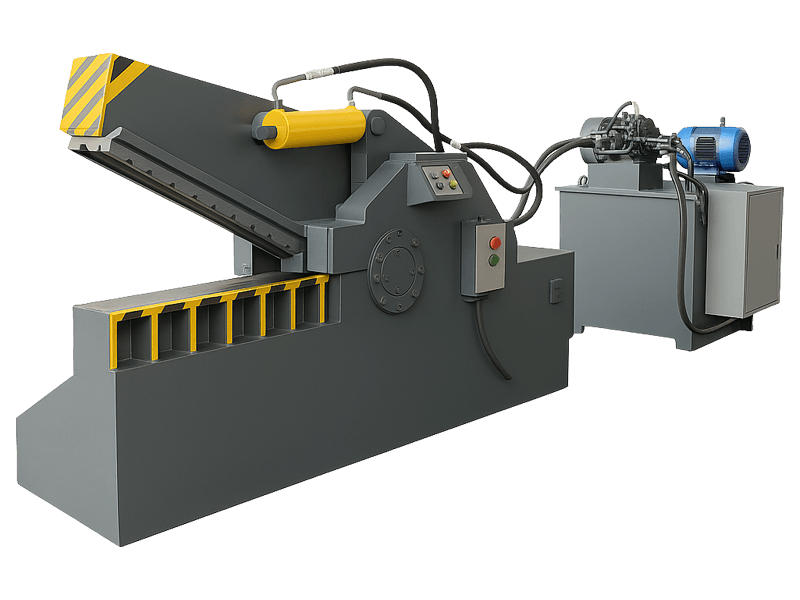
A compact hydraulic scrap shear with a hinged-jaw cutting action — engineered for clean, repeatable cuts on rebar, round and square bar, copper cable, aluminum profiles, and light ferrous and non-ferrous scrap in recycling yards, foundries, and metal fabrication shops.
30–250 Ton
Rated Cutting Force
250–700 mm
Blade Length Range
Hinged Jaw
Pivot-Action Cutting
Compact Footprint
Easy Workshop Installation
Product Overview
Why Operators Specify an Alligator Shear
When the job is bar stock, cable, light profiles, or small ferrous and non-ferrous scrap — and a gantry shear or container shear would be oversized — a hydraulic alligator shear is the right answer. Its hinged-jaw geometry concentrates cutting force at the blade tip for a clean, repeatable shear, while the compact frame fits comfortably into recycling yards, foundries, and metal workshops with limited floor space.
Hinged-Jaw Cutting Action
A pivoting upper jaw drives a hardened blade against the lower seat, concentrating force at the cut point for clean shears on bar, cable, and profile stock.
Hardened Alloy Blades
Heat-treated alloy-steel blades resist chipping on rebar, hardened bar, and copper bus bars; replaceable, multi-edge geometry extends service life and reduces downtime.
Compact Workshop Footprint
Self-contained hydraulic power pack and welded steel frame fit into narrow yard bays and indoor workshops without specialized foundations or overhead structures.
Foot-Pedal & Two-Hand Control
Operator-friendly controls — foot pedal for production cuts, two-hand control for setup — with emergency stop and pressure relief built into the hydraulic circuit.
Self-Contained Hydraulics
Integrated electric motor, gear pump, oil tank, and control valve form a sealed hydraulic package that minimizes leak points and simplifies installation and service.
Built for Continuous Duty
Robust frame welds, oversized pivot pins, oil cooling, and pressure-protected circuits support long production runs typical in recycling and fabrication operations.
Technical Data
Representative Specifications
The figures below illustrate typical configuration ranges for hydraulic alligator shears used in scrap recycling, foundry feed preparation, and metal fabrication. Final specifications depend on blade geometry, motor power, and the maximum bar diameter or profile thickness to be processed.
| Model | Cutting Force | Max Length | Max Diameter | Cutting Speed | Motor Power |
|---|---|---|---|---|---|
| ARZIR AS-100 | 100 tons | 1200 mm | 50 mm rebar | 15–20 cuts/min | 15 kW |
| ARZIR AS-200 | 200 tons | 1500 mm | 75 mm rebar | 12–18 cuts/min | 22 kW |
| ARZIR AS-300 | 300 tons | 1800 mm | 100 mm rebar | 10–15 cuts/min | 37 kW |
| ARZIR AS-400 | 400 tons | 2000 mm | 120 mm rebar | 8–12 cuts/min | 45 kW |
Operating Cycle
How the Hydraulic Alligator Shear Works
An alligator shear coordinates a single hydraulic cylinder, a hinged jaw, and a hardened blade pair. The operator feeds material through the throat, the cylinder drives the upper jaw downward in a pivoting arc, and the blade pair shears cleanly across bar, cable, or profile stock.
01
Material Feeding
Bar, cable, or profile stock is positioned on the work table and fed through the open jaw to the desired cut length, supported by the throat guide.
02
Jaw Activation
The operator engages the foot pedal or two-hand control; the hydraulic pump pressurizes the cylinder, beginning the downward jaw stroke.
03
Pivoting Shear Cut
The upper blade rotates through the material in an arc, concentrating cutting force at the blade tip and producing a clean, square shear against the lower blade.
04
Return & Discharge
The cylinder retracts and the jaw opens; cut pieces drop into a discharge tray or bin below, ready for collection, sorting, or downstream processing.
Feedstock
Materials Commonly Cut With an Alligator Shear
Alligator shears are specified for bar stock, cable, light profiles, and small non-ferrous and ferrous scrap streams — typical for scrap dealers, copper recyclers, foundries, and metal workshops handling sub-100 mm cross-sections.

Reinforcing Bar (Rebar)
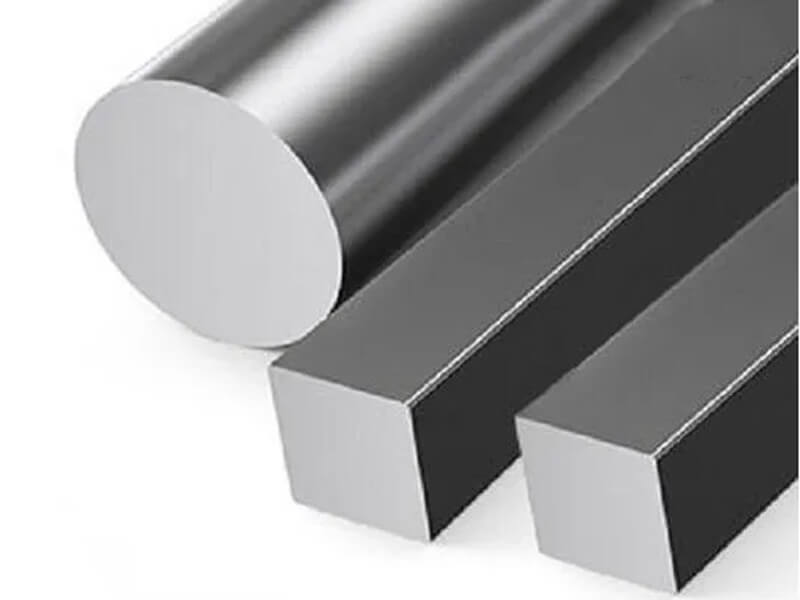
Round & Square Bar

Copper Cable & Wire
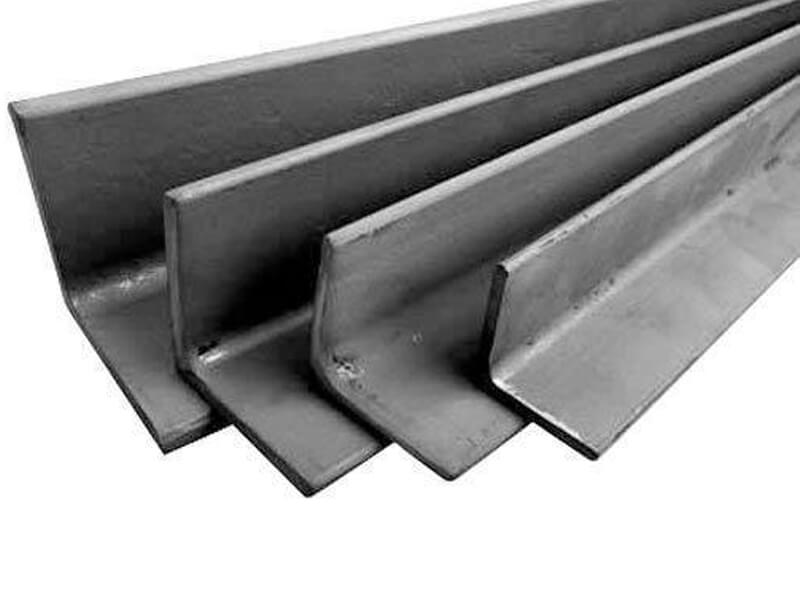
Light Angle Iron
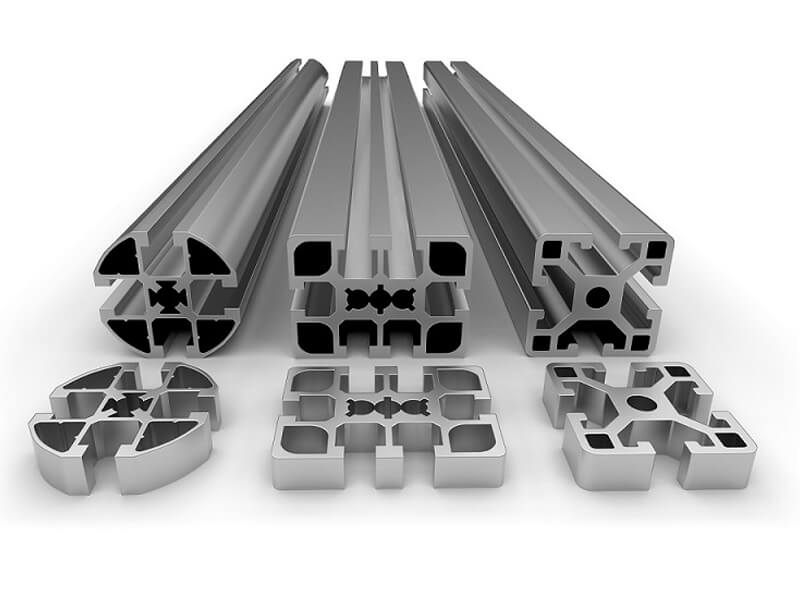
Aluminum Extrusions

Light Pipe & Tubing

Sheet Metal Offcuts
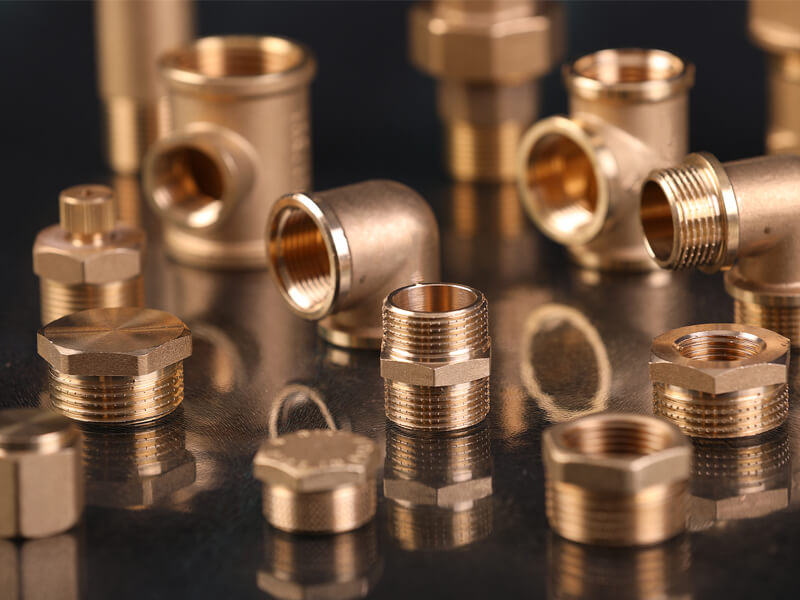
Brass & Mixed Non-Ferrous
Deployment Context
Where Alligator Shears Add Value
Alligator shears are positioned wherever bar stock, cable, and light profile scrap need consistent size reduction — without the cost or footprint of a large industrial shear. Their compact format and clean cutting action make them a workshop staple in recycling, fabrication, and foundry environments.
Metal Recycling Yards
Daily cutting of rebar, bar offcuts, light angle, and bundled wire into sortable, baleable lengths suitable for downstream densification or export.
Copper & Cable Recyclers
Producing consistent cable cut lengths to feed wire strippers, granulators, and copper-grade sorting lines for maximum recovery value.
Foundries & Steel Mills
Preparing predictable charge lengths from bar and light profile scrap to match furnace bucket dimensions and improve melt-shop yield control.
Metal Fabrication Shops
Reducing process offcuts, drop ends, and reject bar from production lines into manageable lengths for re-melt, resale, or yard disposal.
Electrical & Cable Demolition
Field or depot processing of decommissioned power cable, bus bar, and electrical hardware into compliant lengths for safe transport and recycling.
Automotive Parts Recycling
Cutting axles, drive shafts, suspension bar, and small ferrous components recovered from end-of-life vehicle dismantling and parts recovery operations.
Engineering Advantages
Why the Alligator Configuration Excels at Bar & Cable
The hinged-jaw design is purpose-built for bar, cable, and light profile scrap. Compared with abrasive saws, plasma cutters, or oversized scrap shears, the alligator concept delivers cleaner cuts, lower operating cost, and a much smaller footprint for small to medium throughput.
01
Concentrated Cutting Force
Pivoting jaw geometry concentrates hydraulic force at the blade tip, producing clean shears on round bar and rebar with significantly less energy than a straight-stroke design.
02
Clean, Burr-Free Cuts
Hardened blade pairs and tight clearances produce square, low-burr cut faces — important for cable processing, foundry charging, and bar resale quality.
03
Low Operating Cost
No consumable blades, no abrasive disks, no cutting gas — only periodic blade rotation, hydraulic oil service, and routine lubrication, dramatically lowering cost per cut.
04
Compact & Mobile-Friendly
Self-contained hydraulics and a small footprint allow installation on existing concrete pads, in workshops, or on trailer skids for mobile recycling deployments.
05
Operator Safety Built-In
Jaw guards, two-hand or foot-pedal control, emergency stop, and pressure relief valves keep operators away from the cut zone during the active stroke.
06
Multi-Edge Replaceable Blades
Four-edge blade geometry allows three rotations before replacement, extending blade life across abrasive scrap streams and minimizing planned downtime.
Use Cases
Application Scenarios
Alligator shears are deployed across small to medium recycling and fabrication operations wherever clean, repeatable cuts on bar, cable, and light profile stock are required for downstream processing.

Scrap Steel Recycling Centers
High-volume processing of mixed ferrous scrap, structural steel offcuts, and bundled bar into uniform lengths for sorting, baling, and downstream smelting.

Rebar Processing Facilities
Cutting recovered rebar and deformed bar to specified charge lengths for re-rolling mills, prefab shops, and construction material recycling programs.
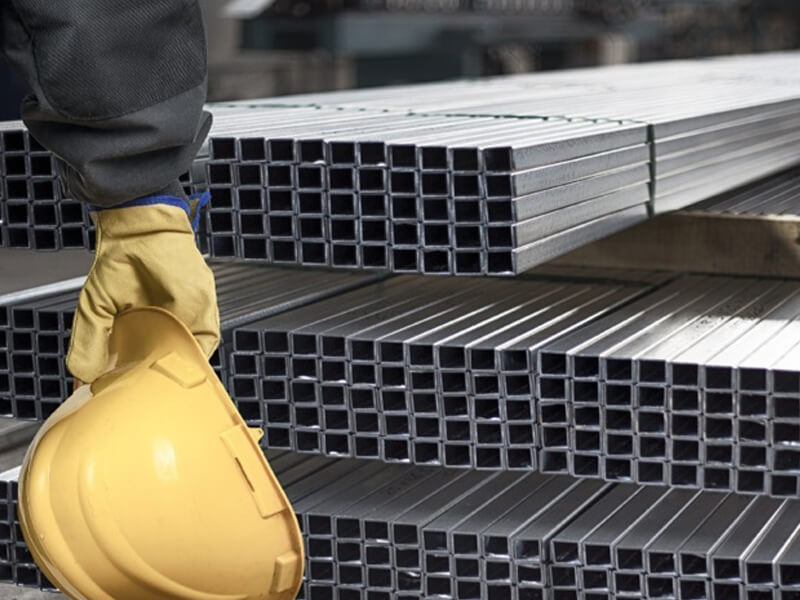
Metal Products Manufacturing
Trimming production offcuts, drop ends, and reject bar from fabrication lines into manageable lengths for re-melt, resale, or compact on-site storage.

Construction Demolition Sites
On-site or depot reduction of reclaimed rebar, structural sections, and embedded steel from demolished concrete structures for compliant transport and recycling.
Knowledge Base
Frequently Asked Questions
What is an alligator shear?
An alligator shear is a hydraulic metal-cutting machine that uses a hinged upper jaw to shear bar stock, rebar, cable, profiles, and light scrap against a fixed lower blade. Its jaw-pivot action resembles the opening and closing of an alligator’s mouth, which is where the machine gets its name. Alligator shears are commonly specified for small to medium scrap streams that do not require the cutting force of a gantry or container shear.
What materials can a hydraulic alligator shear cut?
Typical feedstock includes rebar, round and square bar, light angle iron, small structural profiles, copper cable, aluminum extrusions, brass scrap, light pipe, sheet offcuts, and bundled wire. The maximum cross-section that can be cut depends on the cutting force rating, blade length, and material hardness.
How is an alligator shear different from a gantry or container shear?
Gantry and container shears are large, high-tonnage machines built for ship-breaking, structural steel, and oversized ferrous scrap. An alligator shear is much more compact, uses a hinged jaw rather than a portal frame, and is optimized for smaller bar stock, cable, and light non-ferrous and ferrous scrap. It is the preferred solution where space, throughput, and material profile do not justify a larger shear.
Where are alligator shears typically used?
Alligator shears are widely used in metal recycling yards, scrap dealers, foundries, fabrication and steel service workshops, copper and cable recyclers, electrical demolition projects, automotive part recyclers, and any operation that needs reliable size reduction of bar, cable, or light profile scrap.
What cutting force range is typical for an alligator shear?
Industrial hydraulic alligator shears typically operate in a 30–250 ton cutting-force range, with blade lengths from roughly 250 mm to 700 mm. The exact rating is selected based on the maximum bar diameter, profile thickness, and the type of scrap being processed.
Can an alligator shear cut copper cable cleanly?
Yes. Alligator shears are commonly used by copper and cable recyclers because the jaw-pivot action produces clean, consistent cuts across cable bundles and copper bus bars. This supports downstream wire stripping, granulation, and grade separation, where consistent piece size is critical for maximum copper recovery value.
Is an alligator shear safe to operate?
Modern hydraulic alligator shears are equipped with safety guards around the jaw area, two-hand or foot-pedal control, emergency stop circuits, and pressure relief valves. Operators must follow lockout-tagout procedures during maintenance, wear PPE, and never reach into the jaw zone during operation.
What maintenance does an alligator shear require?
Routine maintenance includes hydraulic oil level and cleanliness checks, blade gap inspection and shimming, pivot-pin lubrication, blade rotation or replacement, hose and seal inspection, and electrical control verification. Following hours-based service intervals extends blade life and protects hydraulic components.
Get the Right Machine for Your Operation
Tell us about your material type, throughput requirements, and site conditions — our engineers will recommend the ideal equipment and provide a competitive quote within 24 hours.
- Response within 24 hours
- Free technical consultation & quotation
- ISO-certified factory & strict quality control
- Shipped to 100+ countries worldwide