Semi-Automatic Vs Fully Automatic Horizontal Baler Price: Which Is More Cost-Effective?

Price Range Overview
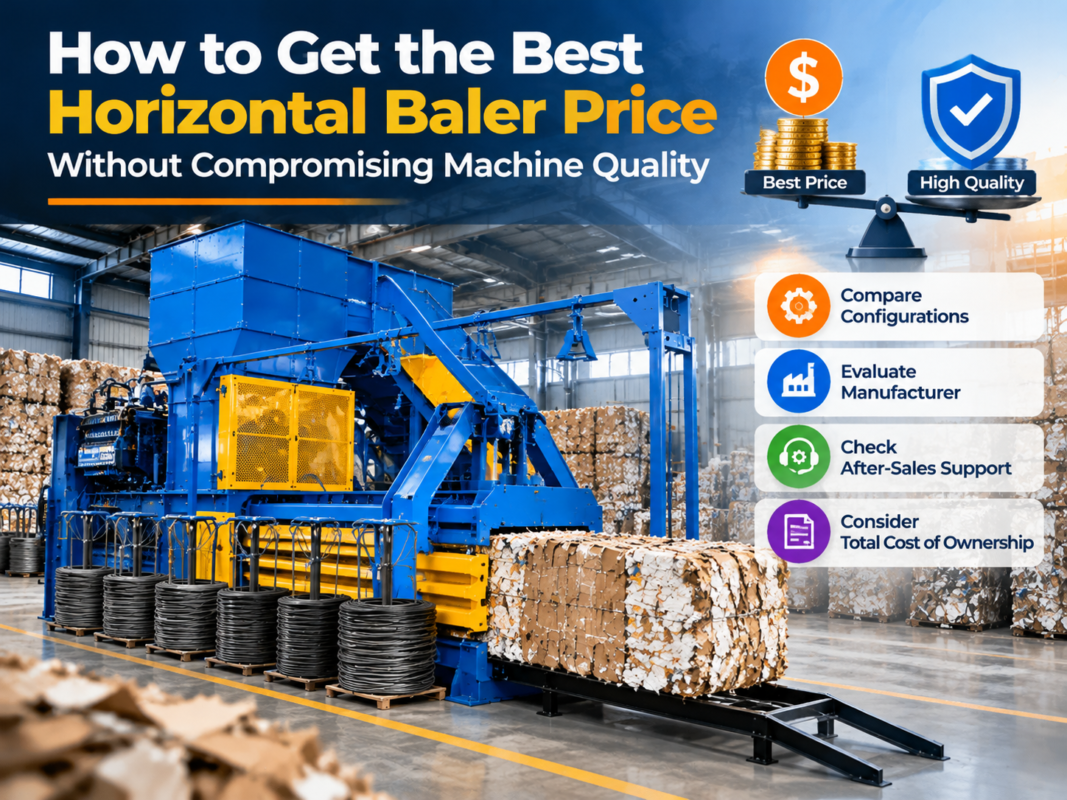
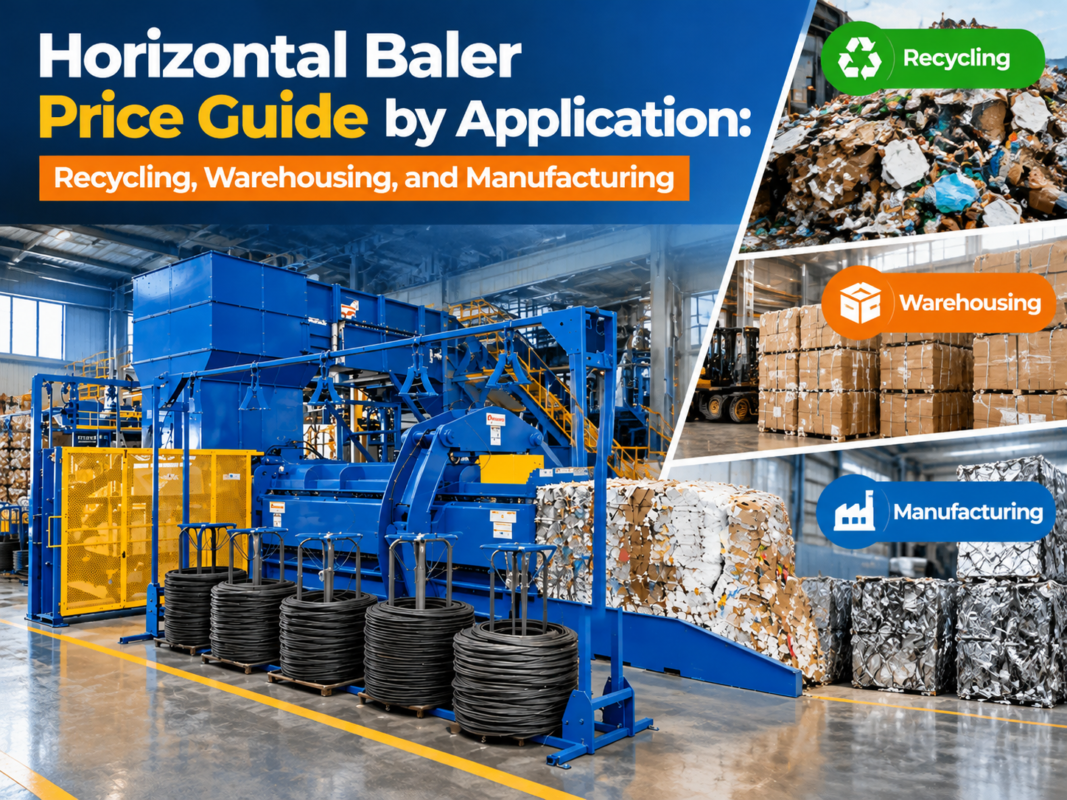
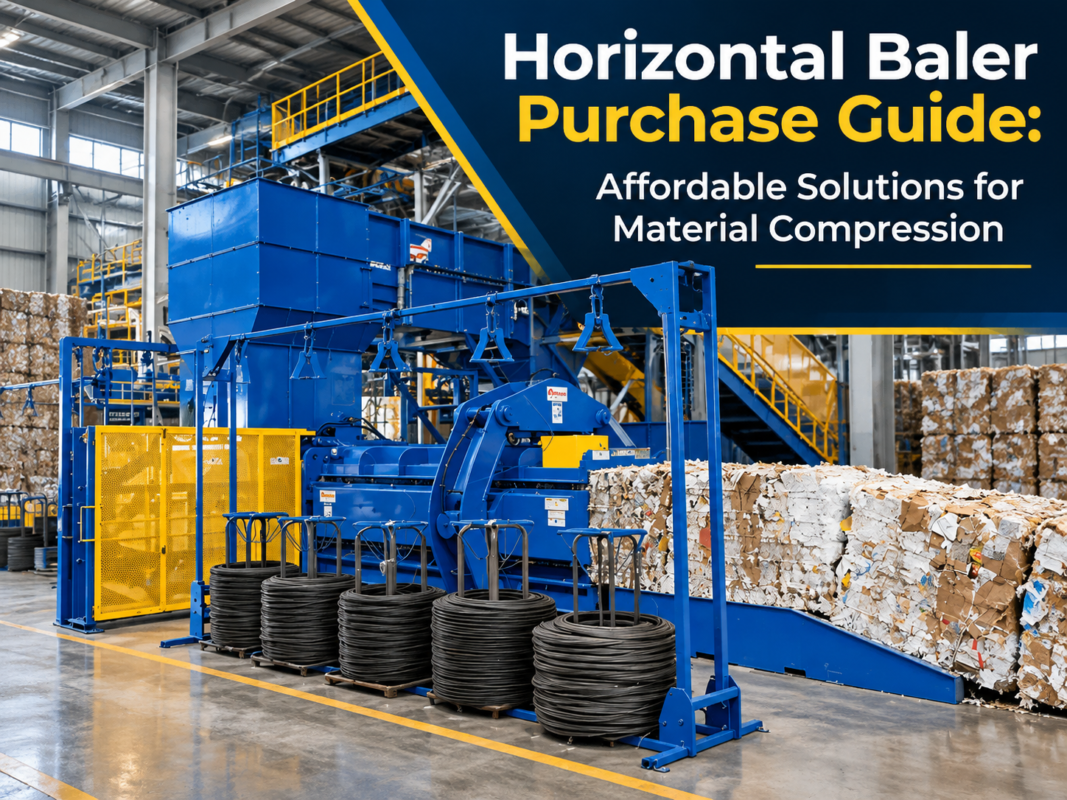
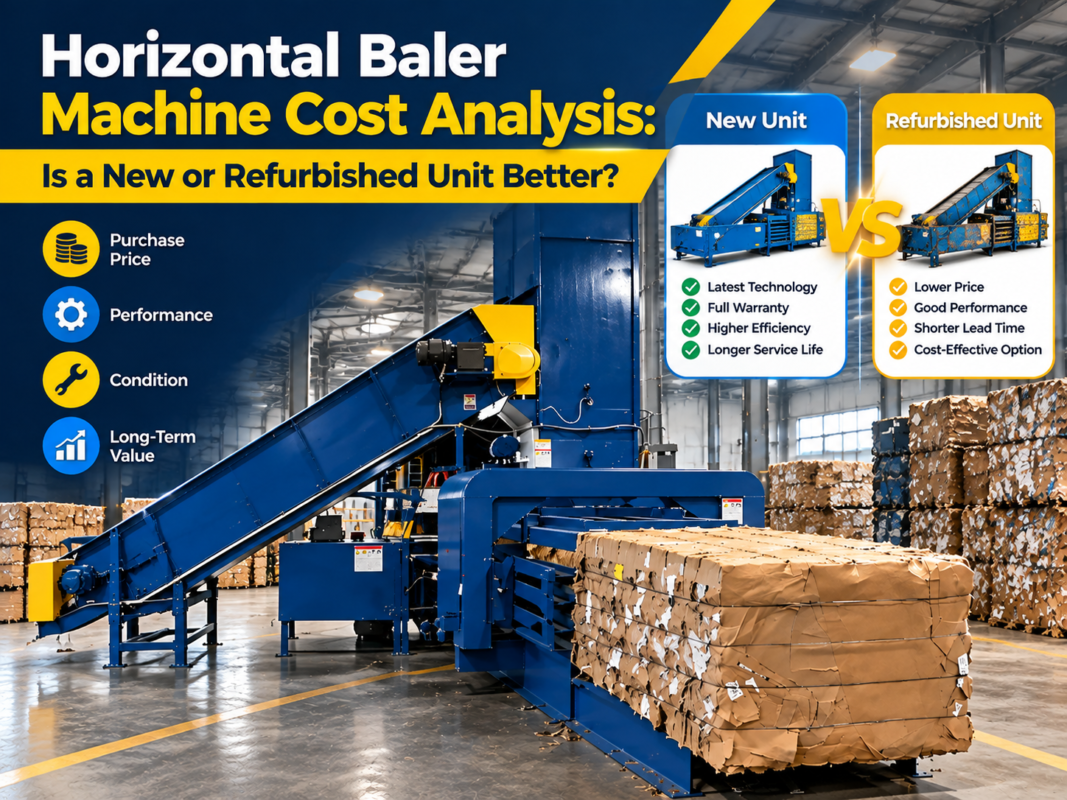
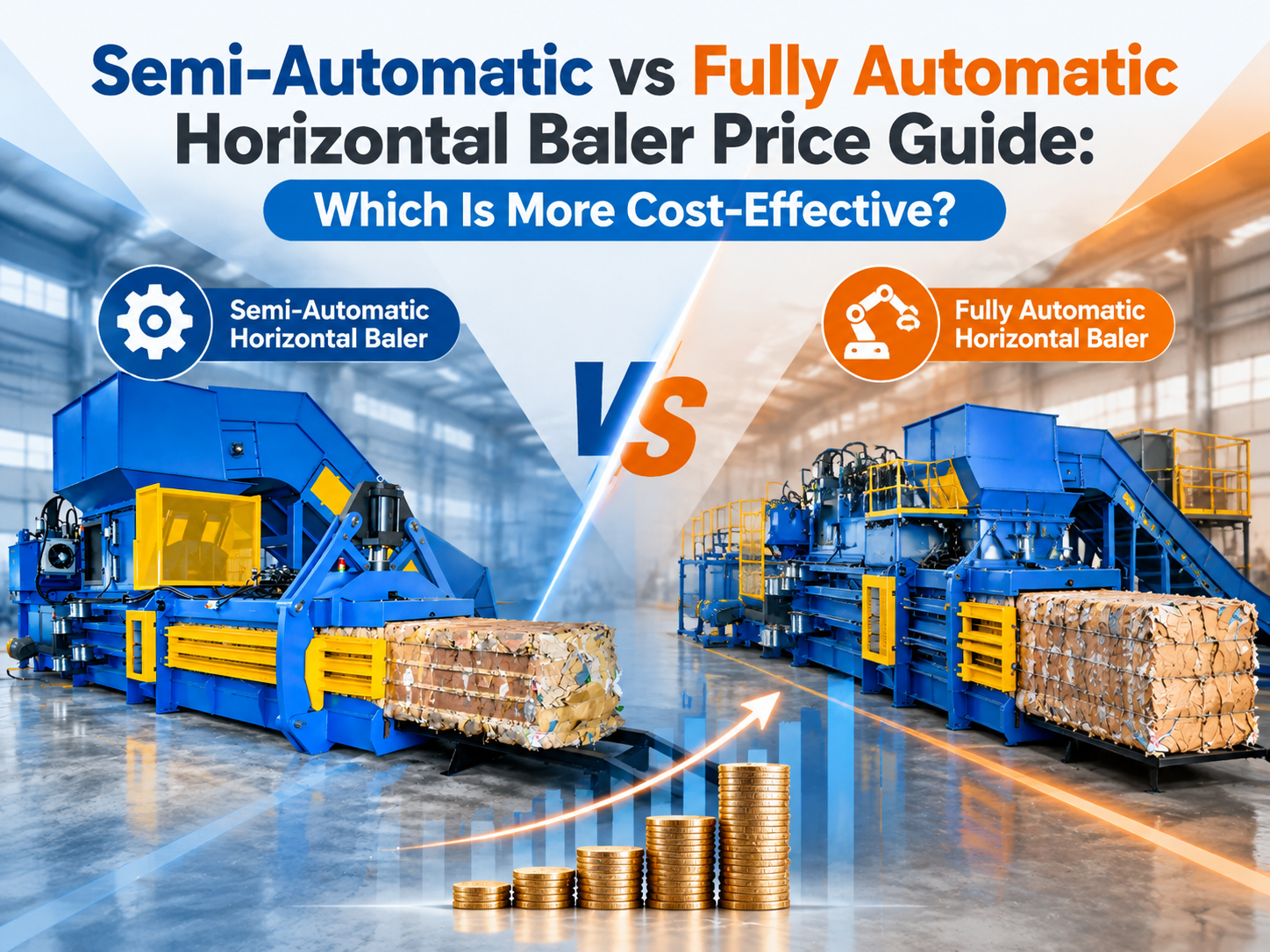
When evaluating the investment required for waste management infrastructure, the debate between semi-automatic and fully automatic horizontal balers is central to operational strategy. The Semi-Automatic Vs Fully Automatic Horizontal Baler Price: Which Is More Cost-Effective? question is not merely about the initial sticker price, but about the total cost of ownership over the machine’s lifecycle. Generally, semi-automatic horizontal balers represent a lower entry point, often ranging from $25,000 to $60,000 depending on tonnage and throughput capacity. These machines are ideal for small to medium-sized facilities where labor is available to assist with the tying process.
In contrast, fully automatic horizontal balers command a significantly higher initial investment, typically starting at $80,000 and scaling well into the $200,000+ range for high-capacity, heavy-duty industrial models. This price gap reflects the sophisticated engineering required to automate the bale tying, ejection, and monitoring processes. While the upfront cost is steeper, the reduction in labor requirements and the increase in processing speed often justify the expenditure for high-volume operations.
Understanding the market landscape requires looking at the specific needs of your facility. If your operation processes less than 50 tons of material per month, the semi-automatic route is often the most cost-effective choice. However, if your facility handles continuous streams of scrap metal, cardboard, or plastic, the fully automatic baler becomes a necessary capital expenditure to maintain throughput efficiency and safety standards.
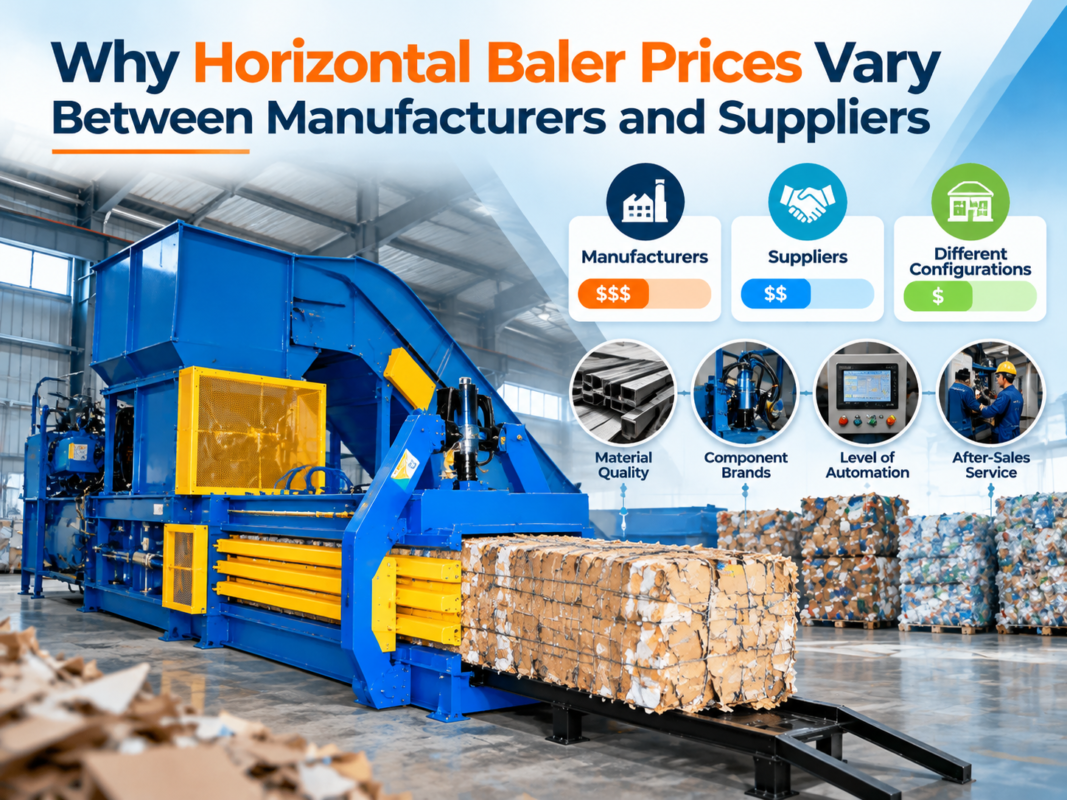
Ultimately, the price range is dictated by the complexity of the hydraulic systems, the quality of the steel used in the chamber, and the level of PLC (Programmable Logic Controller) integration. HARSLE provides a variety of configurations to ensure that whether you choose semi-automatic or fully automatic, you are receiving a machine built for durability and performance in demanding industrial environments.
Main Cost Drivers
Several technical factors influence the final price of a horizontal baler. The most significant driver is the main cylinder force, measured in tons. Higher tonnage allows for the compaction of denser materials, such as heavy-gauge scrap metal, which requires a more robust frame and more powerful hydraulic pumps. As the structural requirements increase, so does the cost of materials and manufacturing precision.
Another critical cost driver is the throughput capacity, which is directly linked to the motor size and the cycle time of the ram. Fully automatic balers require high-speed motors and advanced sensor arrays to detect material levels and trigger the tying cycle without human intervention. These components are expensive to source and calibrate, contributing to the higher price point compared to semi-automatic models that rely on manual operator input for tying.
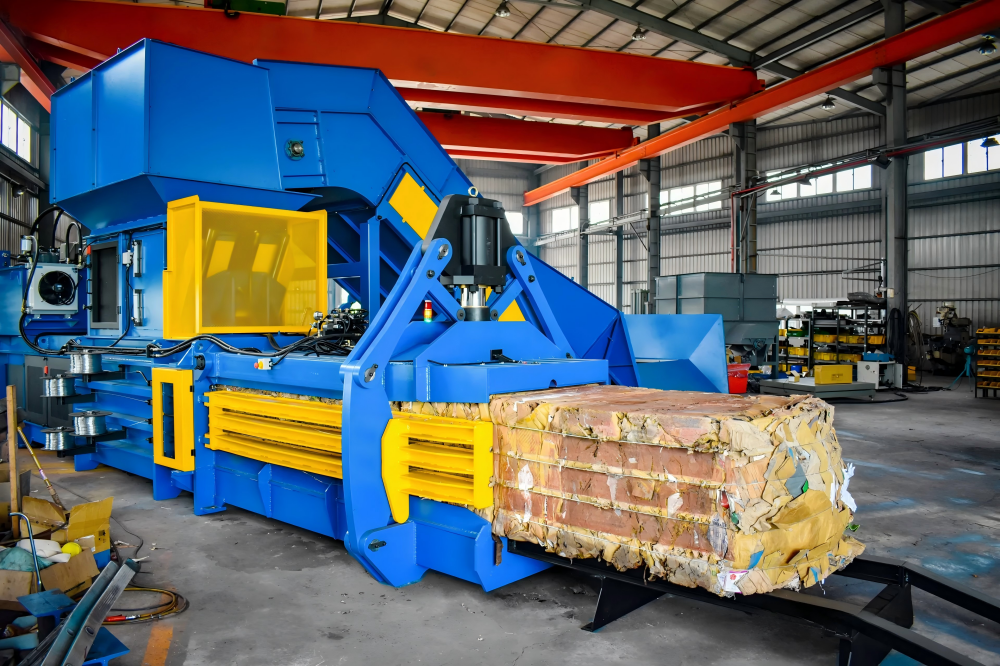
The complexity of the tying system is perhaps the most distinct cost differentiator. Semi-automatic balers use a manual or semi-manual needle system where the operator must feed the wire or strap through the slots. Fully automatic balers feature integrated, high-speed wire tiers that automatically feed, twist, and cut the wire. This level of automation involves complex mechanical linkages and precision engineering that significantly adds to the machine’s manufacturing cost.
Finally, the control system and software integration play a role. Modern fully automatic balers are equipped with HMI (Human-Machine Interface) touchscreens, remote monitoring capabilities, and diagnostic software. These digital features allow for predictive maintenance and real-time data tracking, which are invaluable for large-scale operations but add to the initial purchase price compared to the simpler, relay-based controls found on many semi-automatic units.
Configuration Impact
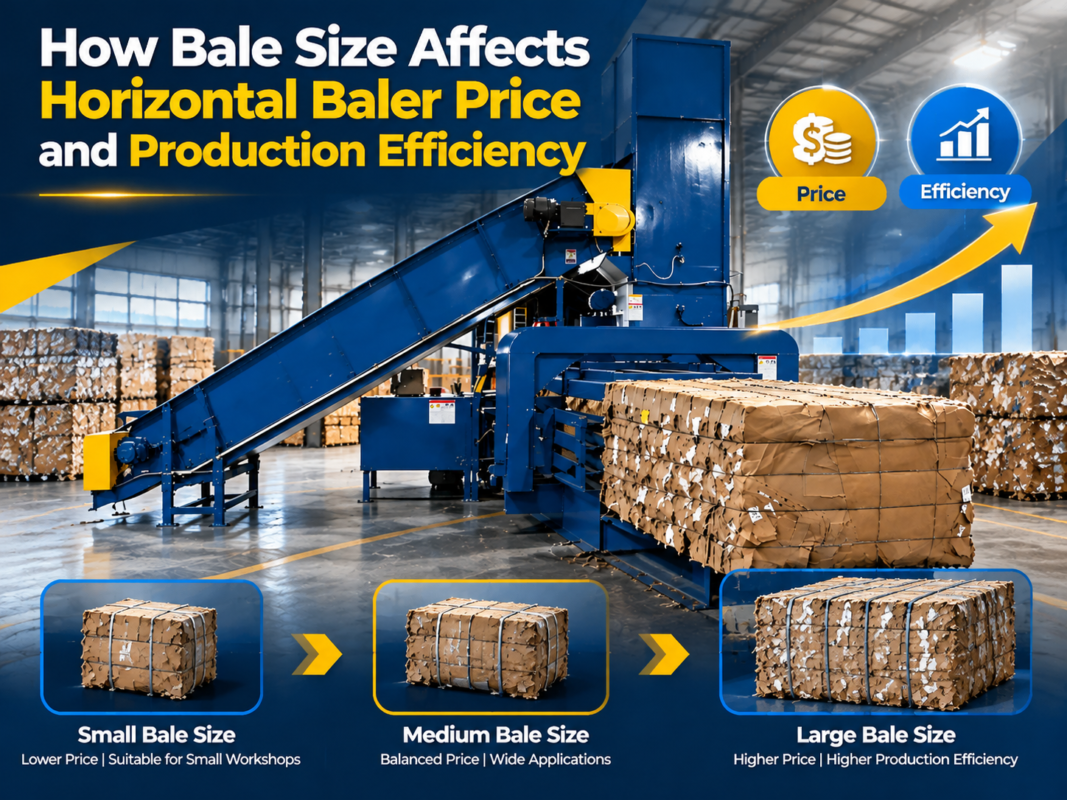
The configuration of your baler—specifically the feed opening size and the chamber dimensions—will dictate both the price and the operational efficiency. A larger feed opening allows for the processing of bulkier materials without the need for pre-shredding, which can save significant costs in auxiliary equipment. However, a larger chamber requires a larger frame and more steel, which increases the base price of the machine.
For facilities dealing with diverse material streams, a multi-purpose configuration might be necessary. This includes adjustable pressure settings and specialized ram faces designed to handle everything from thin plastic film to heavy aluminum scrap. While these versatile configurations are more expensive, they prevent the need for purchasing multiple machines, thereby improving the overall cost-effectiveness of your investment.
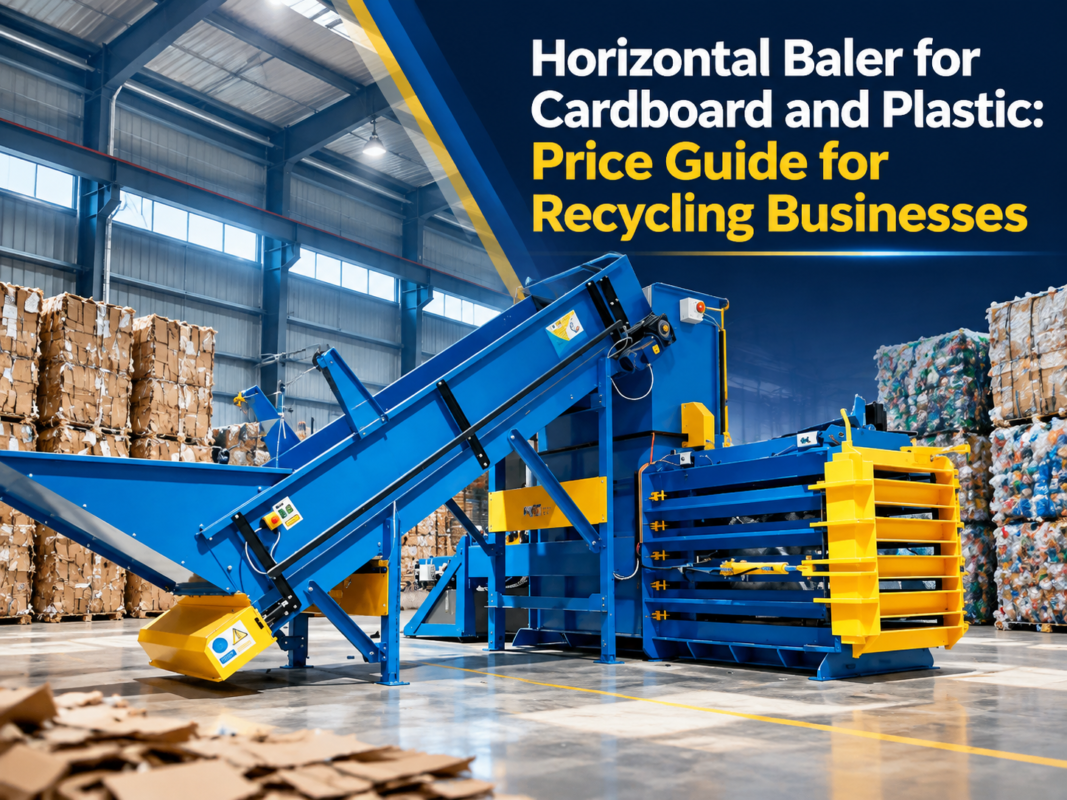
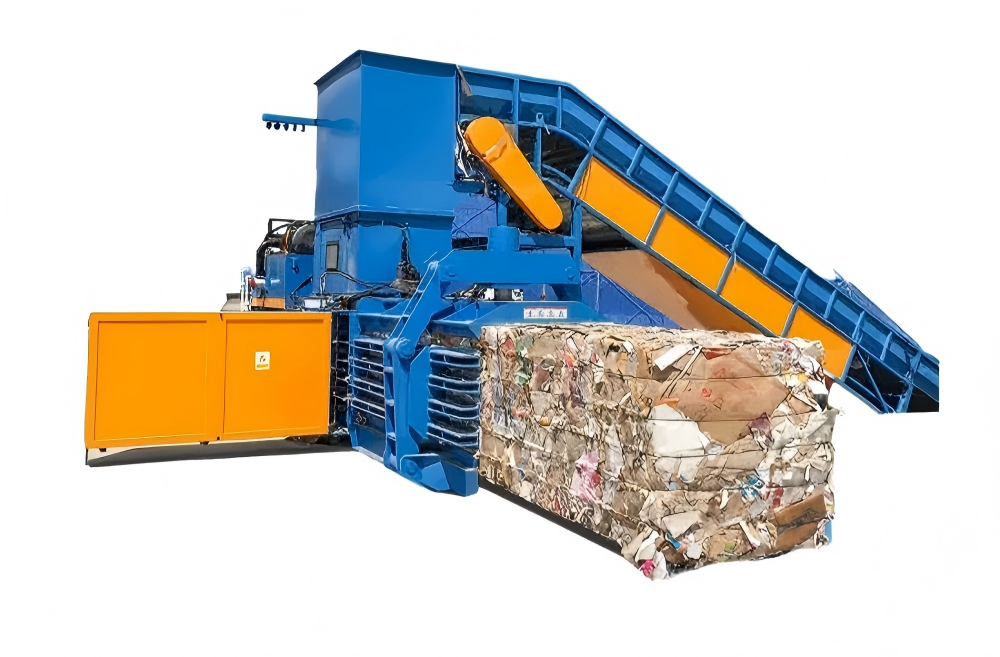
The integration of conveyor systems is another configuration choice that impacts the total price. A fully automatic baler is almost always paired with an in-feed conveyor to ensure a steady stream of material. While this adds to the total project cost, it is essential for achieving the high throughput that makes an automatic baler cost-effective. Without a conveyor, the automatic baler would be underutilized, leading to a poor return on investment.
Safety configurations, such as light curtains, emergency stop zones, and interlocked access doors, are non-negotiable in modern industrial settings. While these features are standard on HARSLE equipment, the level of sophistication in these safety systems can vary. Investing in advanced safety configurations not only protects your workforce but also reduces insurance premiums and potential liability costs, which should be factored into your long-term cost-effectiveness analysis.
Hidden Costs
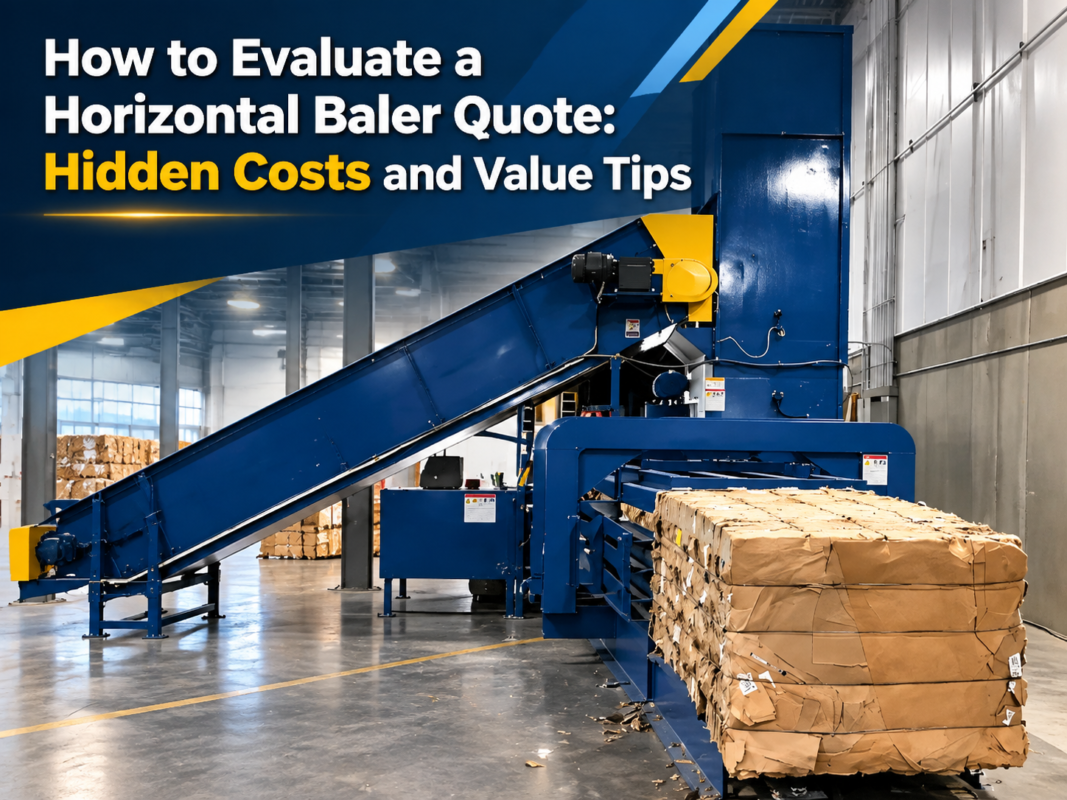
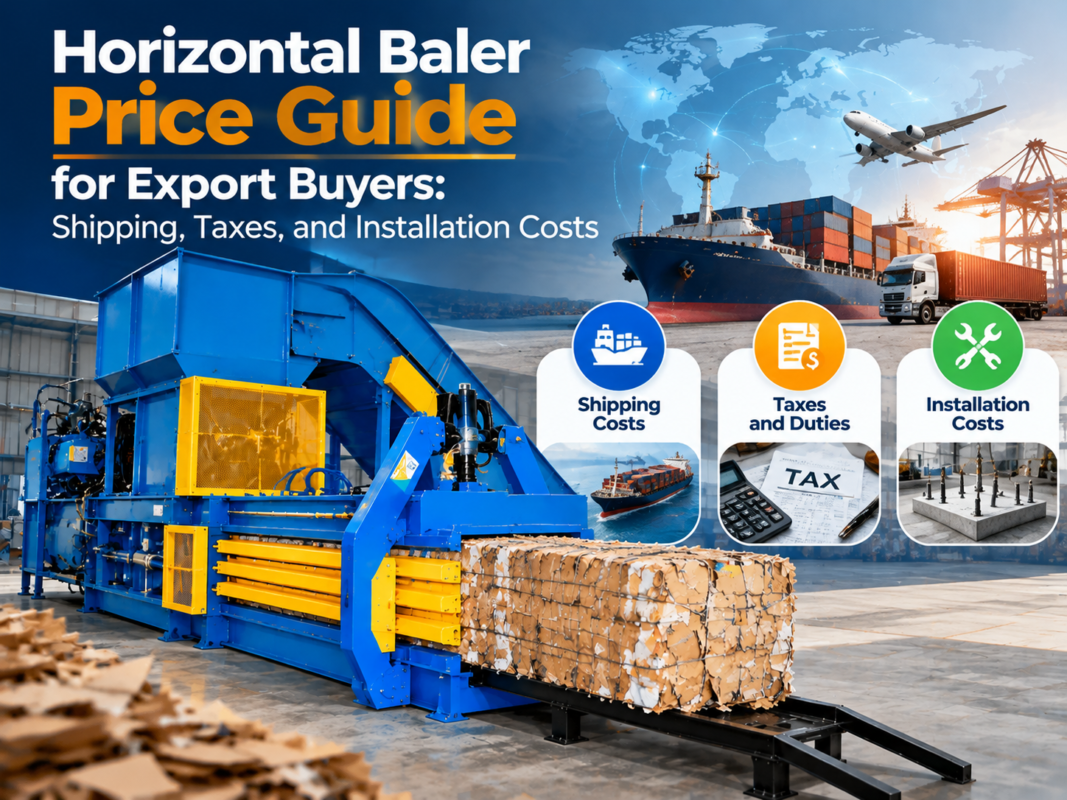
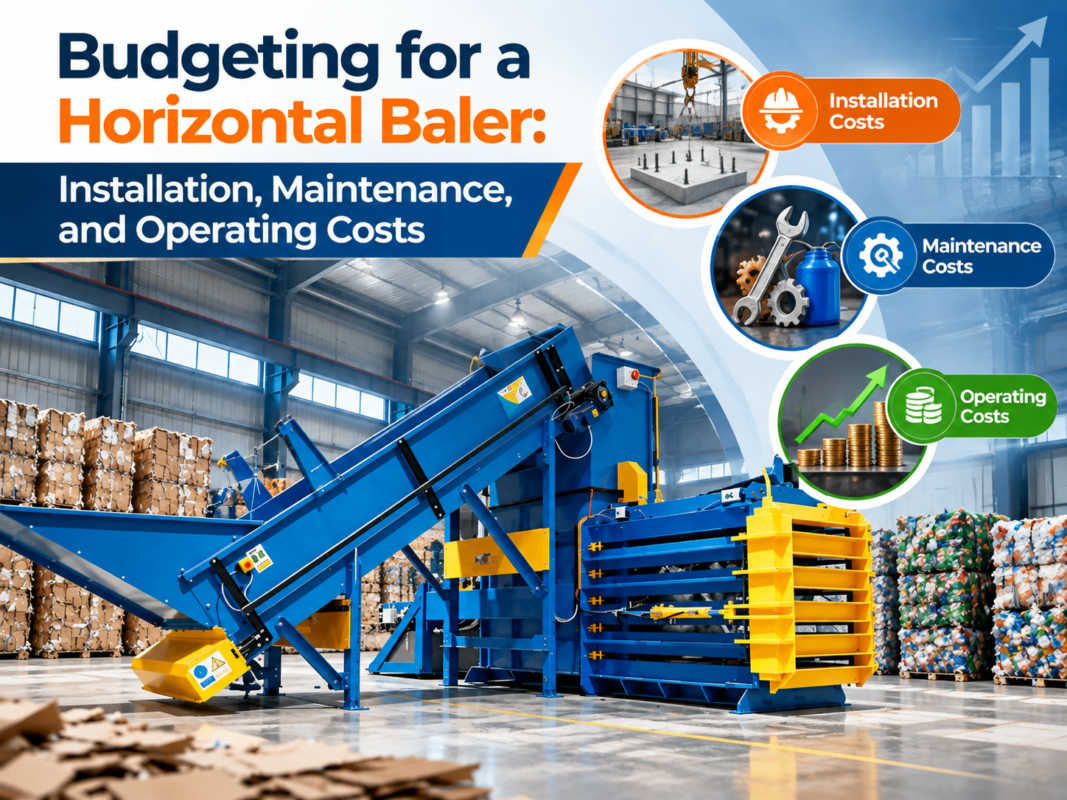
When calculating the Semi-Automatic Vs Fully Automatic Horizontal Baler Price, many buyers overlook the hidden costs associated with installation and ongoing operation. Installation costs include site preparation, such as reinforced concrete pads, electrical upgrades to accommodate high-voltage motors, and the logistics of transporting heavy machinery. Fully automatic systems often require more complex electrical work and integration with existing facility management systems.
Maintenance is a recurring cost that varies significantly between the two types. Semi-automatic balers have fewer moving parts and simpler electronics, making them easier and cheaper to maintain for in-house staff. Fully automatic balers, while more efficient, require specialized technicians for the maintenance of the automatic tying heads and the complex sensor arrays. Ignoring these maintenance requirements can lead to costly downtime, which must be factored into your budget.
Consumables represent another hidden cost. The type of wire or strapping used in an automatic baler must meet strict specifications to ensure the tying mechanism does not jam. These high-quality consumables are often more expensive than the generic strapping used in manual operations. Over the course of a year, the difference in consumable costs can be substantial, especially for high-volume facilities.
Energy consumption is a final, often overlooked, factor. A fully automatic baler running 24/7 will consume more electricity than a semi-automatic unit that is only operated intermittently. However, because the automatic baler processes material much faster, the energy cost per ton of baled material may actually be lower. It is essential to conduct a thorough energy audit based on your projected throughput to understand the true operational cost.
ROI Calculation
To determine which baler is more cost-effective, you must calculate the Return on Investment (ROI) based on your specific operational data. The formula for ROI is: (Total Savings + Revenue from Baled Material – Total Cost of Ownership) / Total Cost of Ownership. The primary savings come from reduced labor costs, as a fully automatic baler can replace the need for one or two full-time employees dedicated to the baling process.
Revenue generation is the second pillar of the ROI calculation. Denser, more uniform bales produced by high-quality balers command higher prices from recycling centers and scrap metal buyers. A fully automatic baler typically produces more consistent bale density and weight, which can lead to better shipping logistics and higher market value for your processed materials. This revenue increase can often offset the higher initial price of the automatic machine within 18 to 36 months.
Consider the cost of labor in your region. In areas with high labor costs, the ROI for a fully automatic baler is significantly shorter. Conversely, in regions where labor is inexpensive and readily available, the cost-effectiveness of a semi-automatic baler remains high. You must weigh the cost of human labor against the cost of machine maintenance and capital depreciation.
Finally, factor in the opportunity cost of throughput. If your current semi-automatic baler is a bottleneck that prevents you from processing more material, you are losing potential revenue. A fully automatic baler that eliminates this bottleneck allows for business growth. When calculating ROI, include the potential for increased material throughput and the resulting expansion of your processing capabilities.
Buying Advice
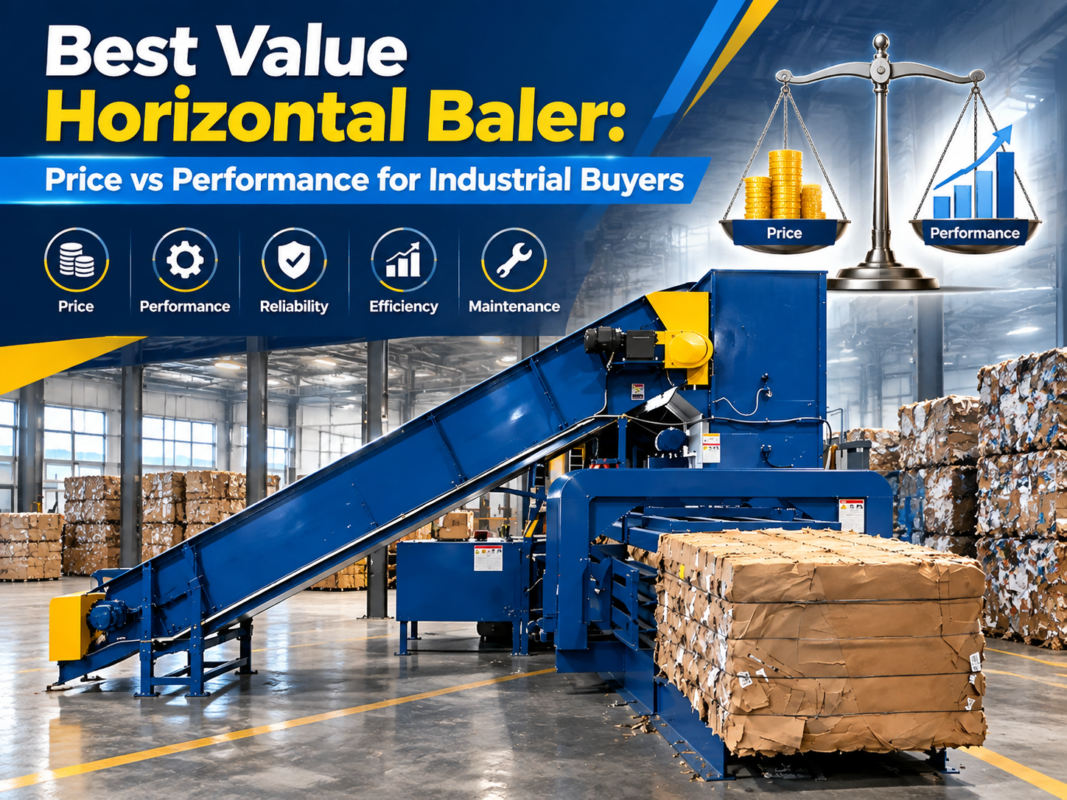
When choosing between a semi-automatic and a fully automatic horizontal baler, start by conducting a waste audit. Measure the volume and type of material you generate daily. If your waste stream is consistent and high-volume, the fully automatic baler is almost always the superior choice for long-term cost-effectiveness. If your waste is sporadic or low-volume, the semi-automatic baler provides the necessary functionality without the burden of excessive capital expenditure.
Always prioritize build quality over the lowest price. A baler is a long-term asset that will be subjected to immense physical stress. HARSLE machines are engineered with high-tensile steel and heavy-duty hydraulic components to ensure longevity. A cheaper machine that requires constant repair will quickly become more expensive than a premium model that operates reliably for years.
Consult with the manufacturer about your specific site requirements. A professional consultation can help you identify potential installation hurdles, such as space constraints or power limitations, before you commit to a purchase. HARSLE offers expert guidance to ensure that the machine you select fits seamlessly into your existing workflow, minimizing disruption and maximizing efficiency.
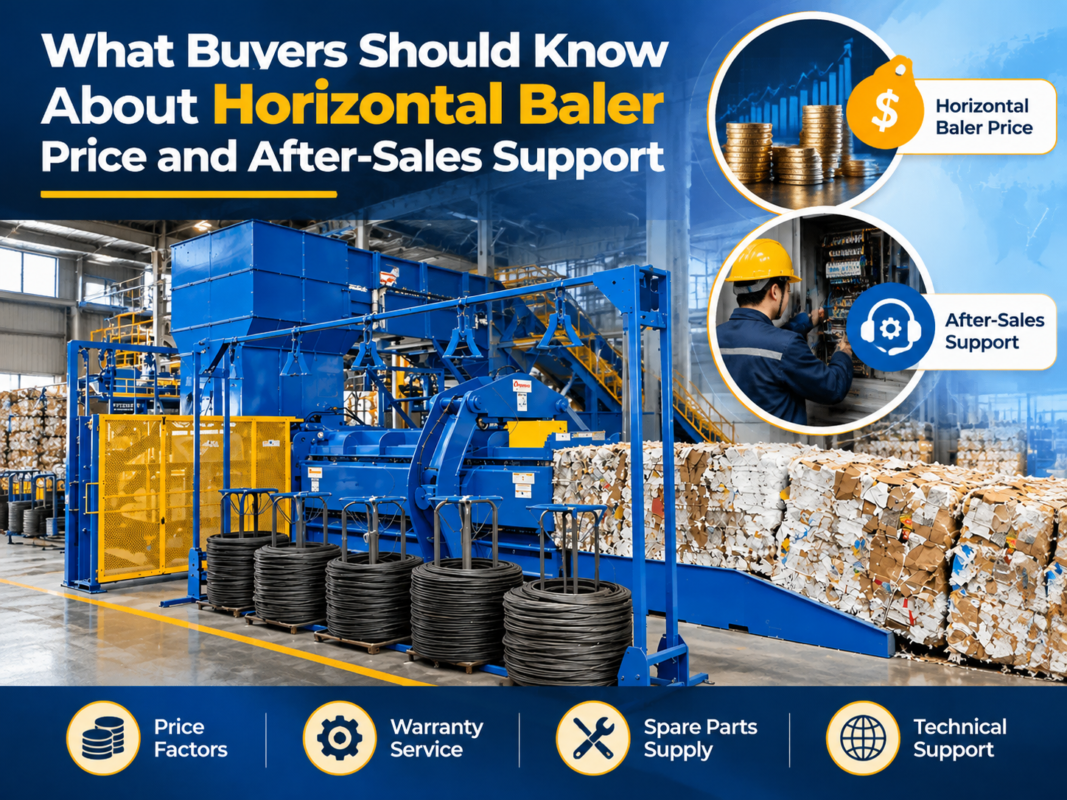
Lastly, consider the availability of spare parts and technical support. A baler is only as good as the support behind it. Ensure that the manufacturer has a robust service network and a readily available inventory of critical spare parts. This is particularly important for fully automatic balers, where a single failed sensor or tying component can halt your entire operation. Choosing a reputable partner like HARSLE ensures that you have the support necessary to keep your equipment running at peak performance.
FAQ
- Q: Is a fully automatic baler always better than a semi-automatic one?
A: Not necessarily. While fully automatic balers offer higher throughput and lower labor costs, they are only more cost-effective if your volume justifies the higher investment. For low-volume operations, a semi-automatic baler is more economical. - Q: How long does a horizontal baler typically last?
A: With proper maintenance, a high-quality horizontal baler from HARSLE can last 10 to 20 years. Regular hydraulic fluid changes and structural inspections are key to longevity. - Q: Can a semi-automatic baler be upgraded to fully automatic later?
A: Generally, no. The structural and control differences are too significant. It is better to invest in the right machine for your future growth projections from the start. - Q: What is the most important factor in bale density?
A: The main cylinder force (tonnage) and the design of the compression chamber are the primary factors. A well-designed baler ensures uniform density, which is critical for transport efficiency. - Q: How do I know if my facility has the power requirements for a fully automatic baler?
A: Consult with a certified electrician to review the motor specifications provided by the manufacturer. Most industrial balers require 3-phase power and specific amperage ratings.