Scrap Metal Baler Cost Breakdown: Capacity, Automation, and ROI Factors

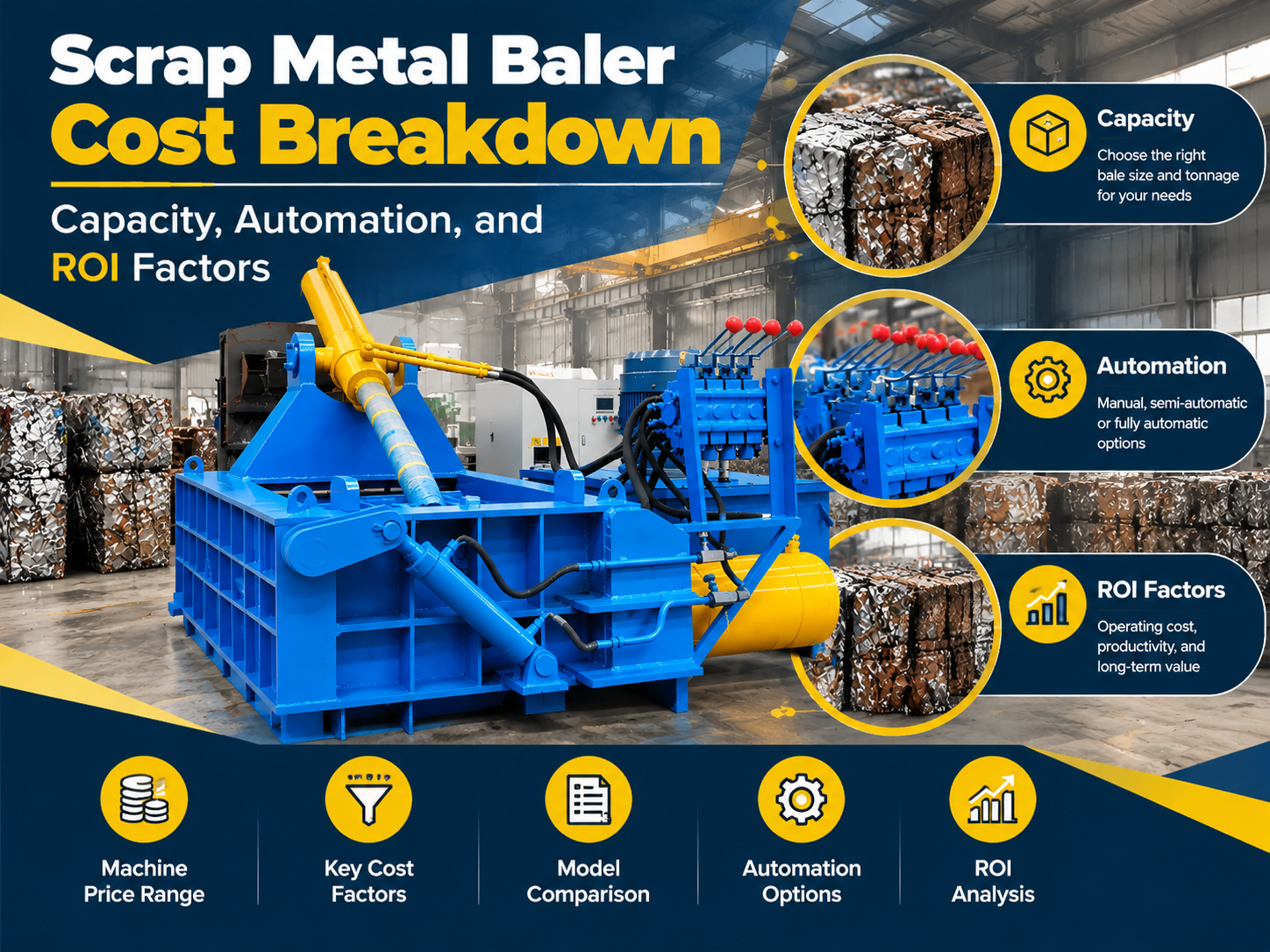
Price Range Overview
Investing in a scrap metal baler is a significant capital expenditure that requires a deep understanding of market pricing and machine capabilities. For businesses in the metal fabrication and recycling sectors, the cost of a scrap metal baler can range anywhere from $15,000 for entry-level, manual vertical balers to upwards of $500,000 for fully automated, high-capacity horizontal baling systems. Understanding this wide spectrum is the first step in aligning your operational needs with your budgetary constraints.
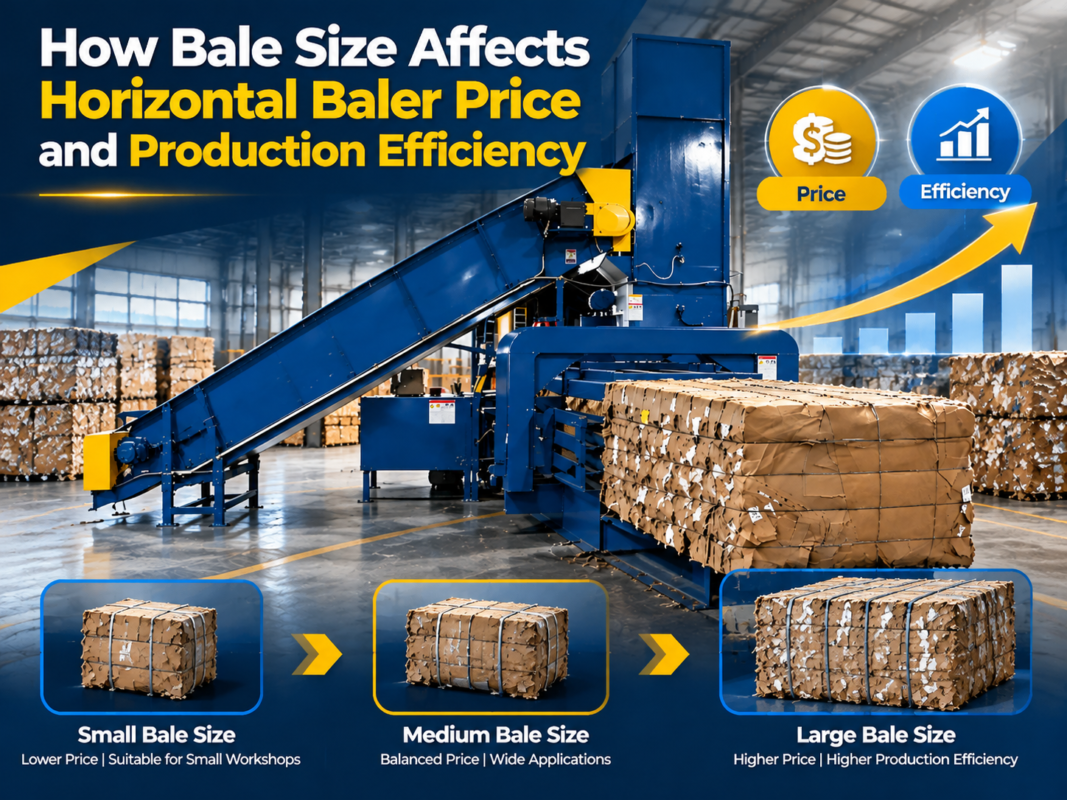
At the lower end of the price spectrum, you will typically find vertical balers designed for smaller workshops or facilities with lower volumes of scrap. These machines are often manually operated and require significant labor input. While the initial acquisition cost is low, the long-term operational costs—specifically labor—can be higher. These units are ideal for businesses just starting their recycling journey or those with limited floor space.
Mid-range balers, often priced between $50,000 and $150,000, represent the sweet spot for many mid-sized metal fabrication shops. These machines usually feature semi-automatic functions, such as automated bale ejection or integrated conveyor systems. They offer a balance between throughput capacity and investment cost, providing a reliable solution for processing consistent volumes of aluminum, copper, or steel offcuts.
High-end, fully automated horizontal balers represent the top tier of the market. These systems are engineered for high-volume recycling centers and large-scale manufacturing plants. With prices exceeding $200,000, these machines offer advanced features like continuous feeding, automatic wire tying, and remote monitoring capabilities. The investment is justified by the massive reduction in labor costs and the ability to process tons of material per hour with minimal human intervention.
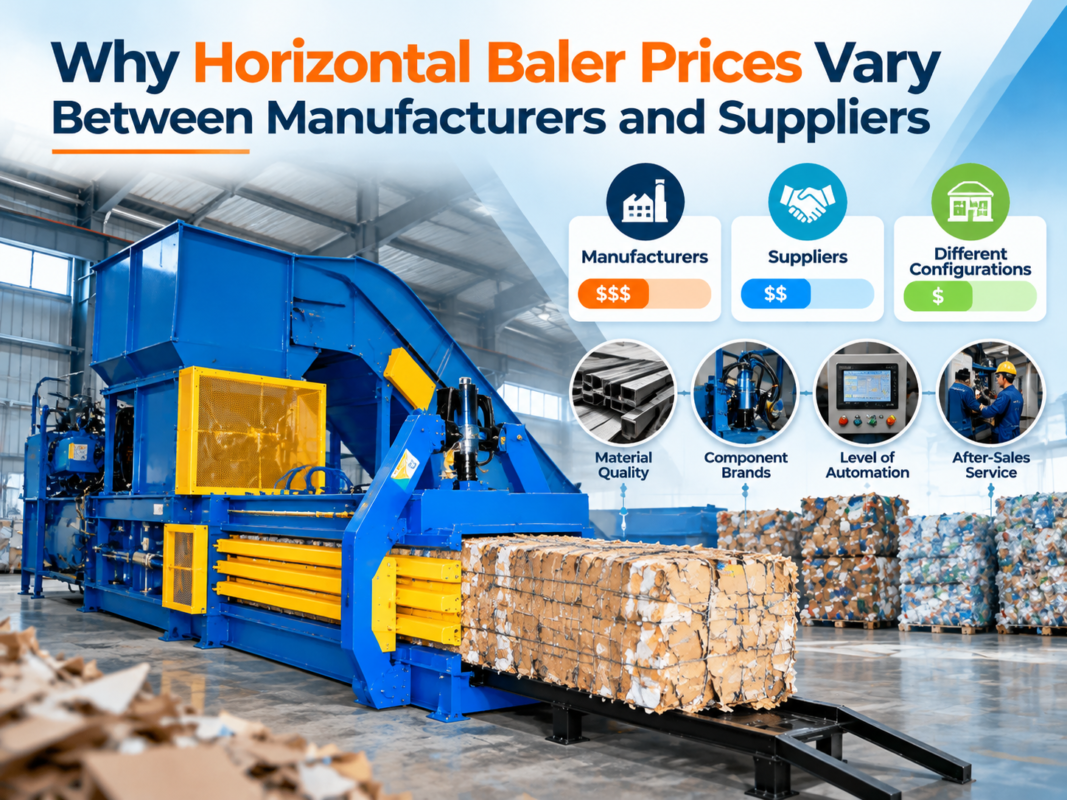
Ultimately, the price you pay is a reflection of the machine’s engineering complexity, the quality of hydraulic components, and the level of automation integrated into the system. HARSLE provides a diverse range of solutions tailored to these specific price brackets, ensuring that whether you are a small shop or a large industrial facility, there is a machine that fits your financial and operational profile.
Main Cost Drivers
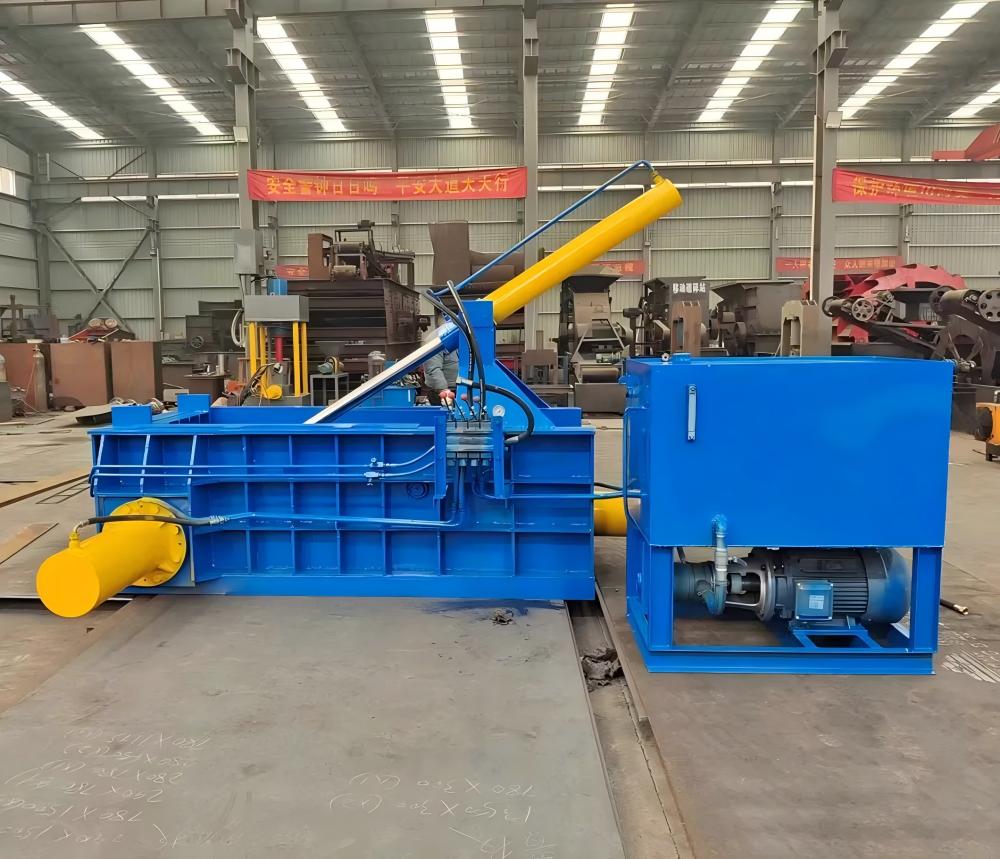
The primary cost driver for any scrap metal baler is its structural integrity and hydraulic power. A baler is essentially a giant press that must withstand immense internal pressure to compress metal into dense, transportable bales. The thickness of the steel plating, the quality of the hydraulic cylinders, and the robustness of the frame all contribute to the final price tag. Machines built with high-tensile steel and heavy-duty welding are naturally more expensive but offer a longer service life.
Another significant factor is the motor and pump system. High-performance balers utilize sophisticated hydraulic power units (HPUs) that require high-quality pumps and valves to maintain consistent pressure. Energy efficiency is also a major consideration; modern balers often incorporate variable frequency drives (VFDs) that adjust motor speed based on the load, reducing electricity consumption. While these features increase the upfront cost, they significantly lower the total cost of ownership over the machine’s lifespan.
The control system is the brain of the baler and a major driver of cost. Basic machines use simple relay logic, which is inexpensive but limited in functionality. Advanced balers utilize Programmable Logic Controllers (PLCs) with touch-screen interfaces. These systems allow for precise control over cycle times, pressure settings, and diagnostic reporting. The software development and the hardware required to run these systems add to the overall investment.
Material handling components, such as conveyors, hoppers, and shredders, are often sold as part of an integrated system. If your facility requires a custom-engineered feeding system to move scrap from the production line directly into the baler, this will add substantial costs. However, these systems are essential for maximizing throughput and minimizing the manual handling of sharp, hazardous metal scrap.
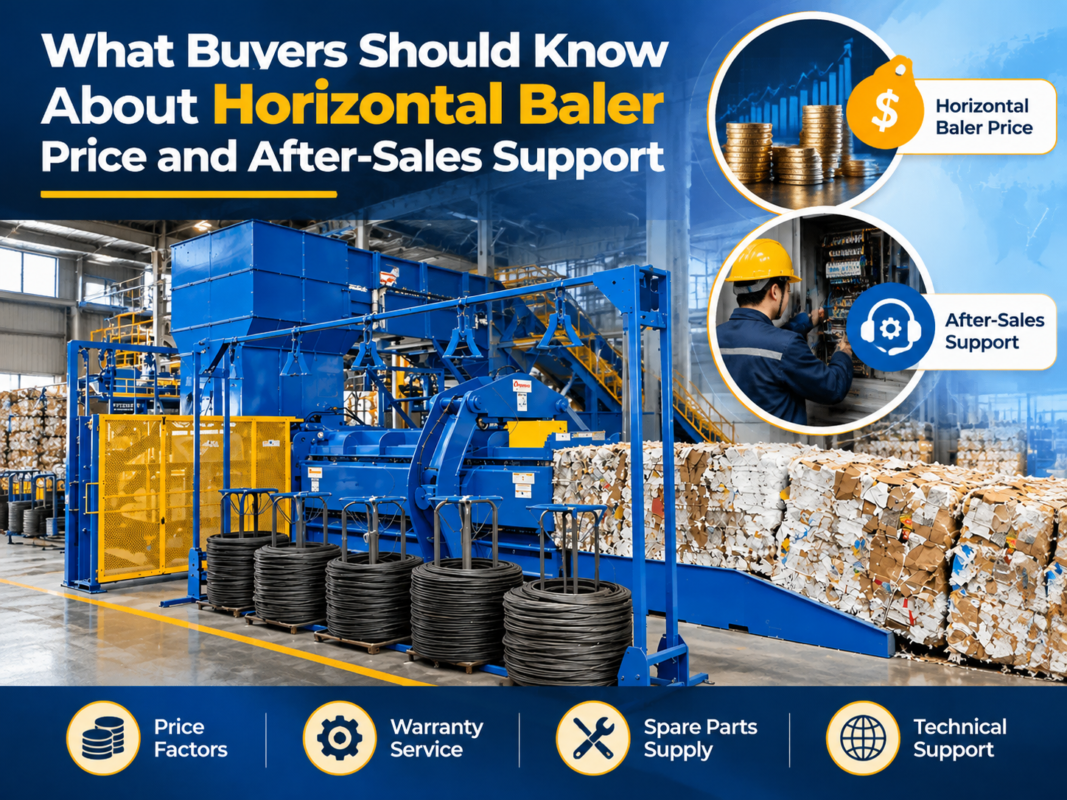
Finally, brand reputation and after-sales support play a role in pricing. Established manufacturers like HARSLE invest heavily in R&D, quality control, and global service networks. When you purchase a machine from a reputable manufacturer, you are paying for the peace of mind that comes with reliable performance, readily available spare parts, and expert technical support, which are critical for avoiding costly downtime.
Configuration Impact
The configuration of your scrap metal baler—whether it is a vertical or horizontal design—is a fundamental decision that dictates both price and performance. Vertical balers are compact and cost-effective, using a single ram to compress material. They are perfect for facilities with limited space and lower throughput requirements. Because they have fewer moving parts and a simpler design, they are generally the most affordable option.
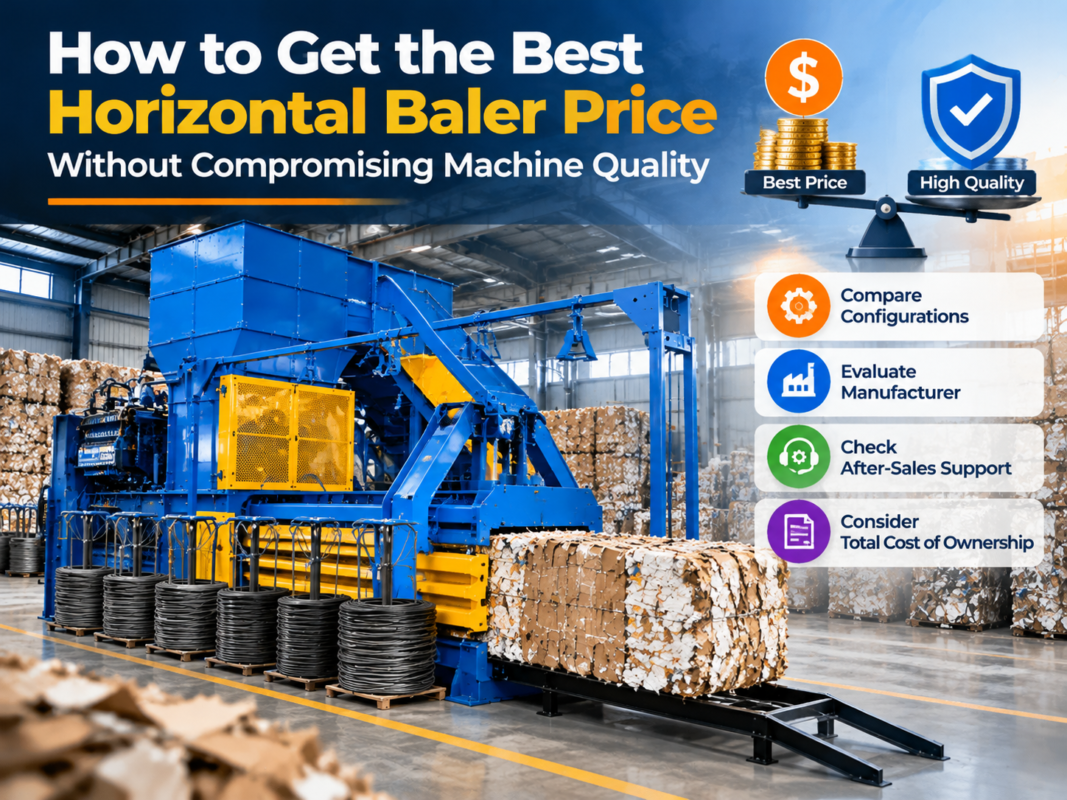
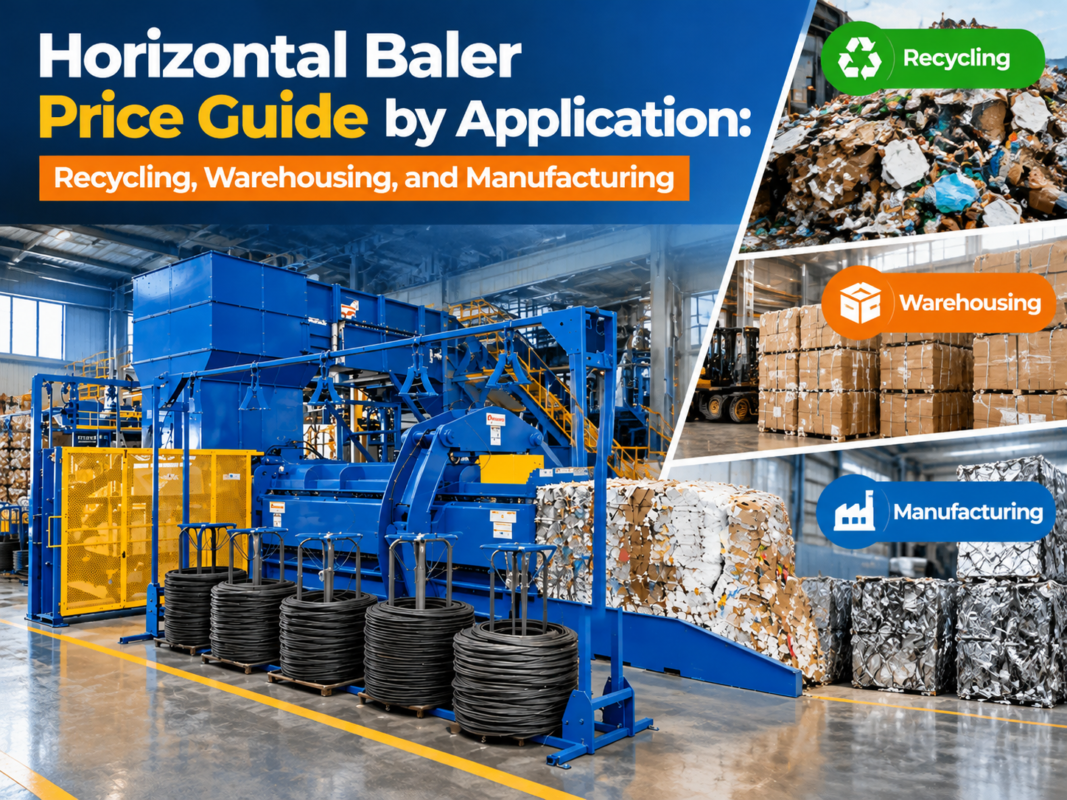
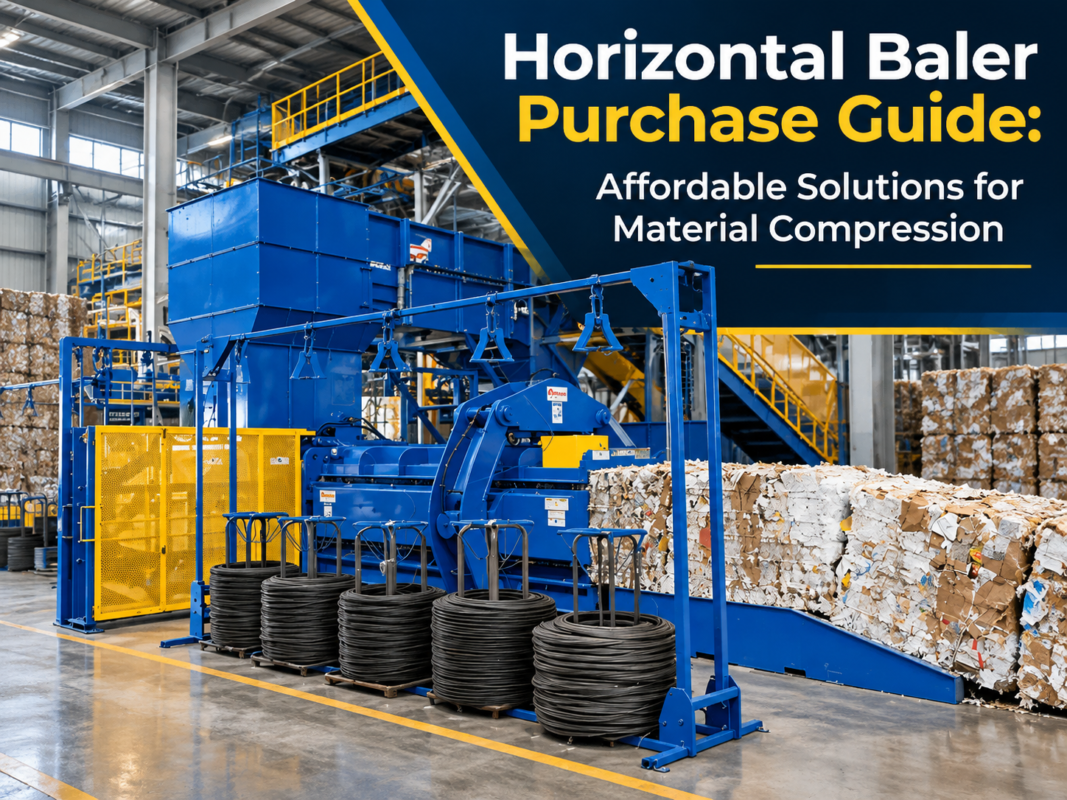
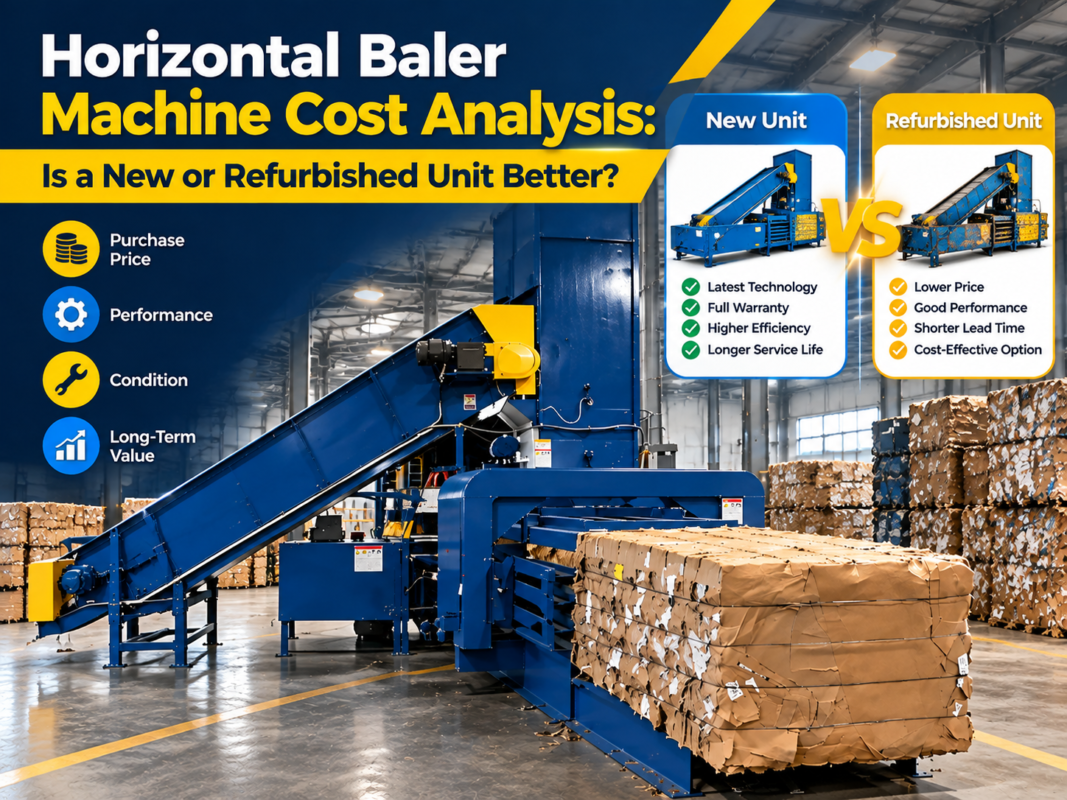
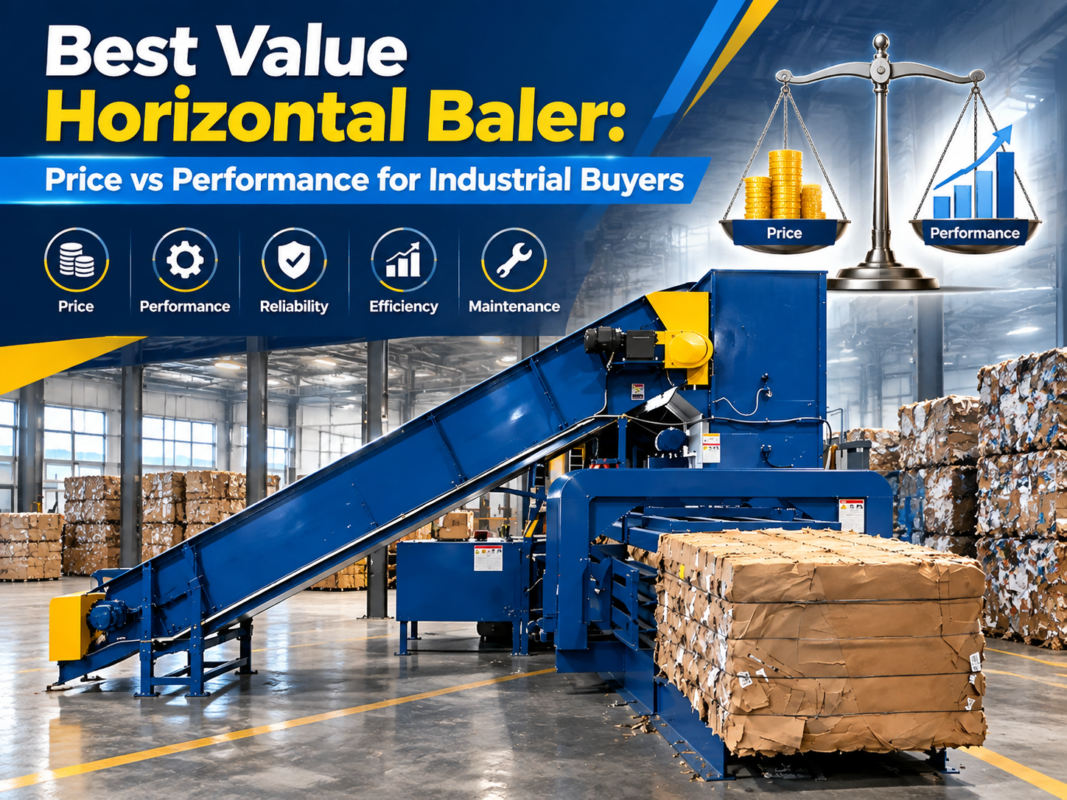
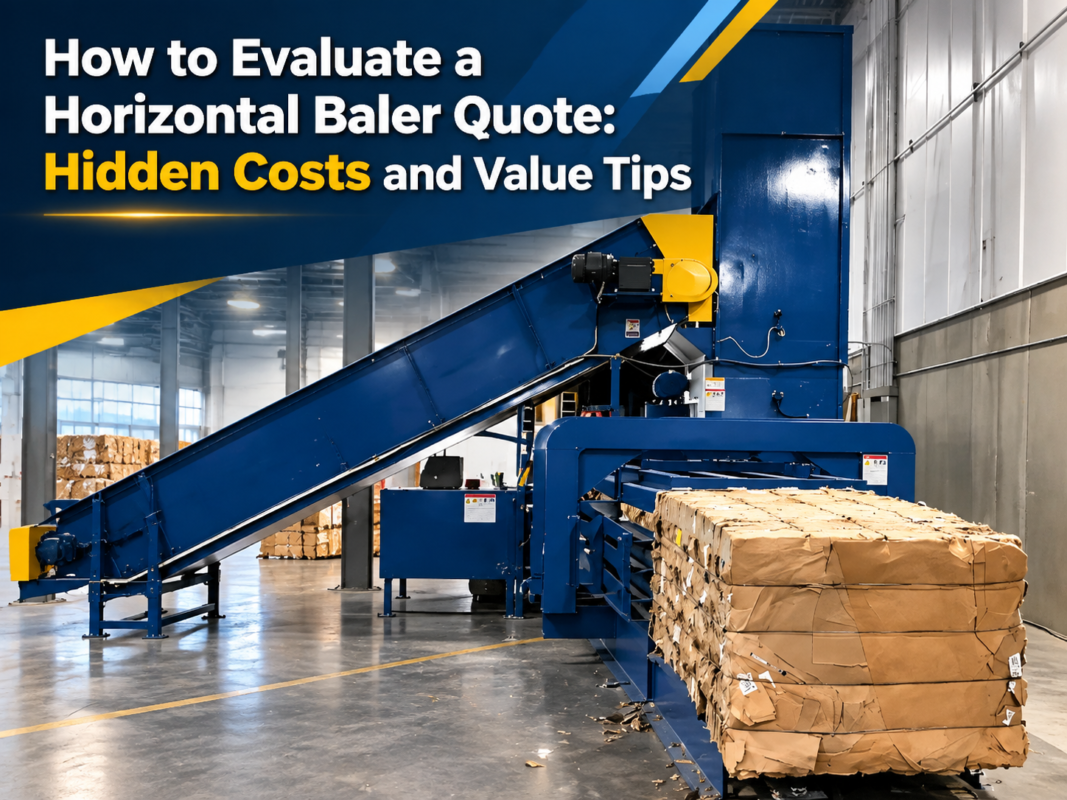
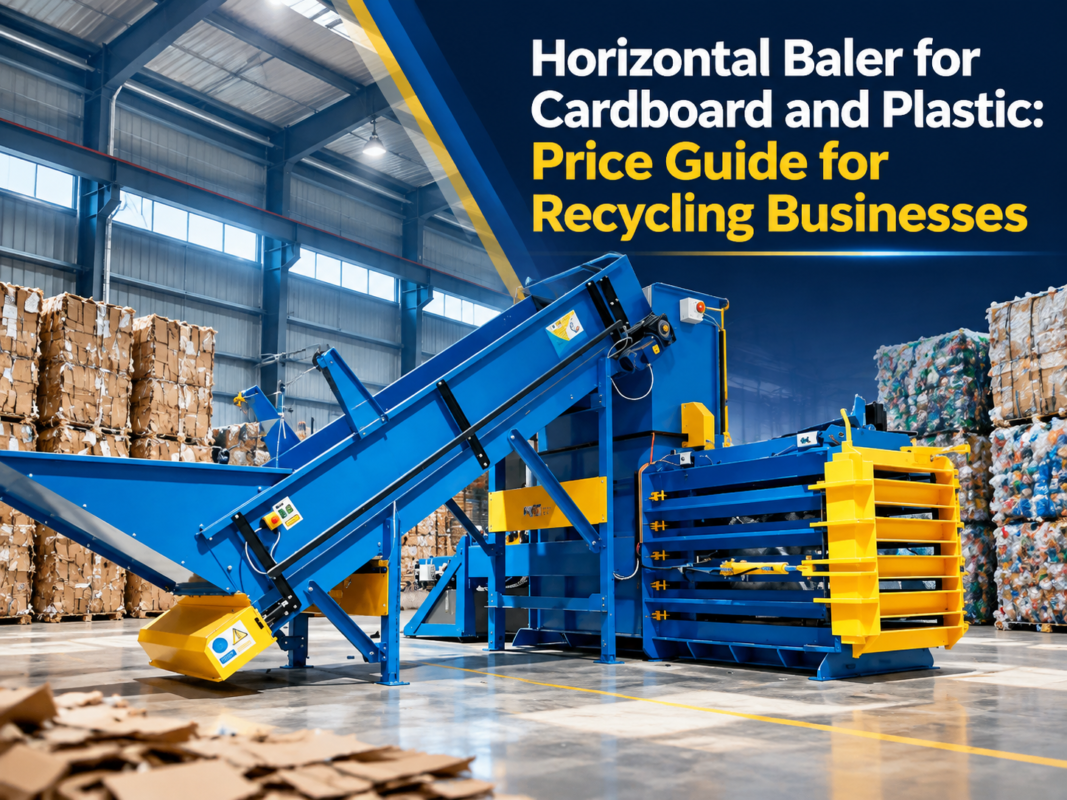
Horizontal balers, by contrast, are designed for high-volume, continuous operation. They feature a horizontal ram that pushes material through a compression chamber. These machines can be configured for automatic or semi-automatic operation. The complexity of the horizontal design, which often includes a feed hopper and a bale tying system, makes them significantly more expensive than vertical models. However, the ability to process material continuously makes them indispensable for high-output environments.
Automation level is another critical configuration choice. A manual baler requires an operator to load, cycle, and tie the bale. A semi-automatic baler might automate the compression cycle but still require manual tying. A fully automatic baler handles everything from material intake to bale ejection and wire tying. Each step of automation added to the configuration increases the initial cost but drastically reduces the cost per bale by minimizing labor requirements.
The size of the feed opening and the chamber dimensions also impact the cost. Larger feed openings allow for the processing of bulkier scrap without the need for pre-processing or cutting. This requires a larger, more powerful machine with a wider frame and more robust hydraulic components. Customizing the chamber size to fit specific types of scrap—such as long aluminum extrusions or bulky steel sheets—can also lead to higher engineering and manufacturing costs.
Integration with existing facility infrastructure is a final configuration factor. Some balers are designed to be installed in a pit to allow for ground-level loading, which requires civil engineering work and additional installation costs. Others are designed for elevated platforms or direct conveyor feed. Each installation scenario requires specific structural considerations that must be factored into the total project budget.
Hidden Costs
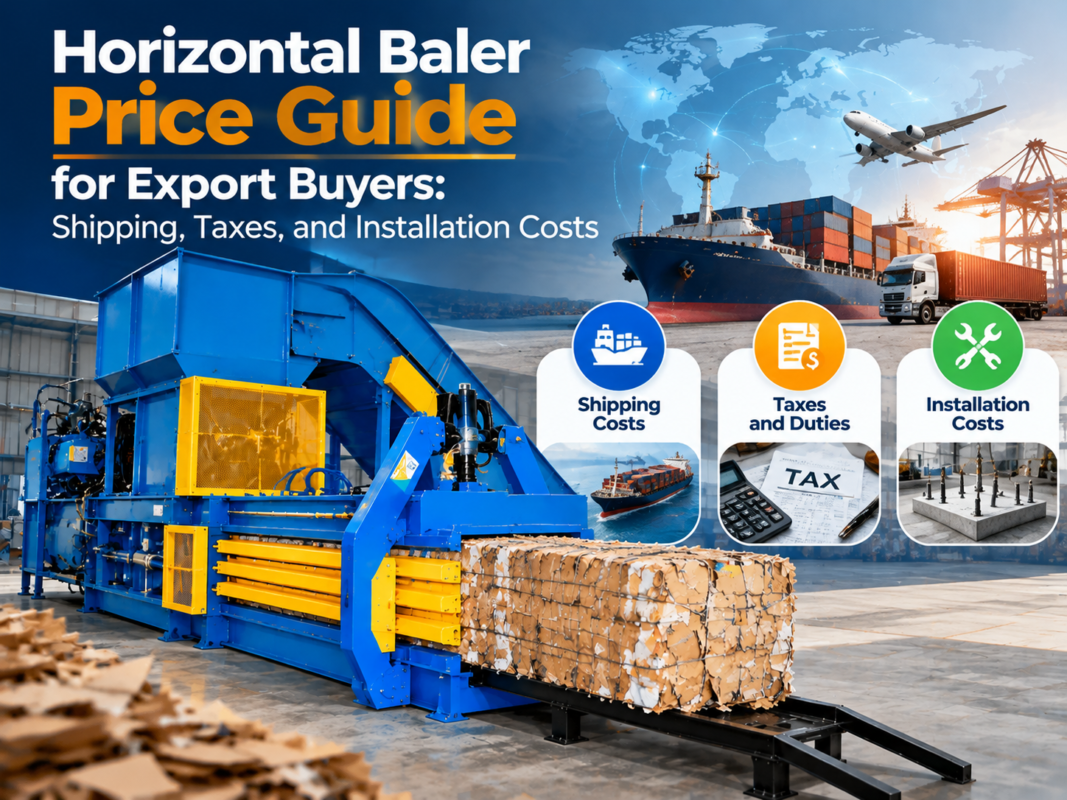
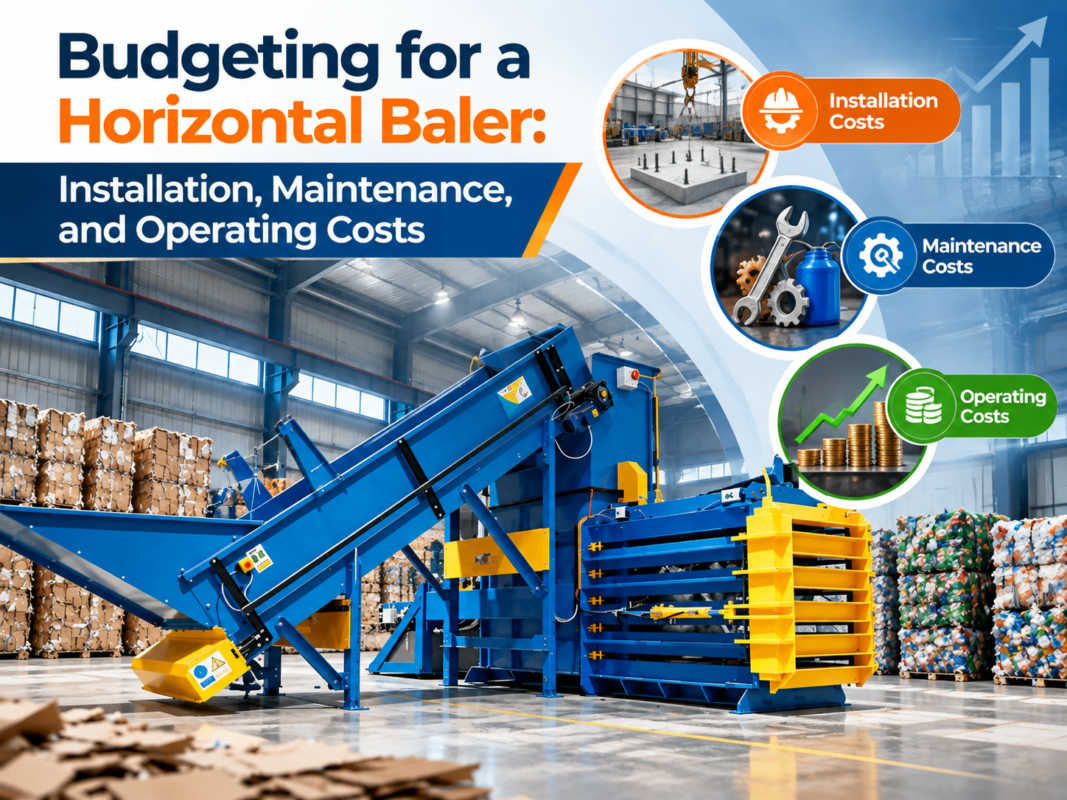
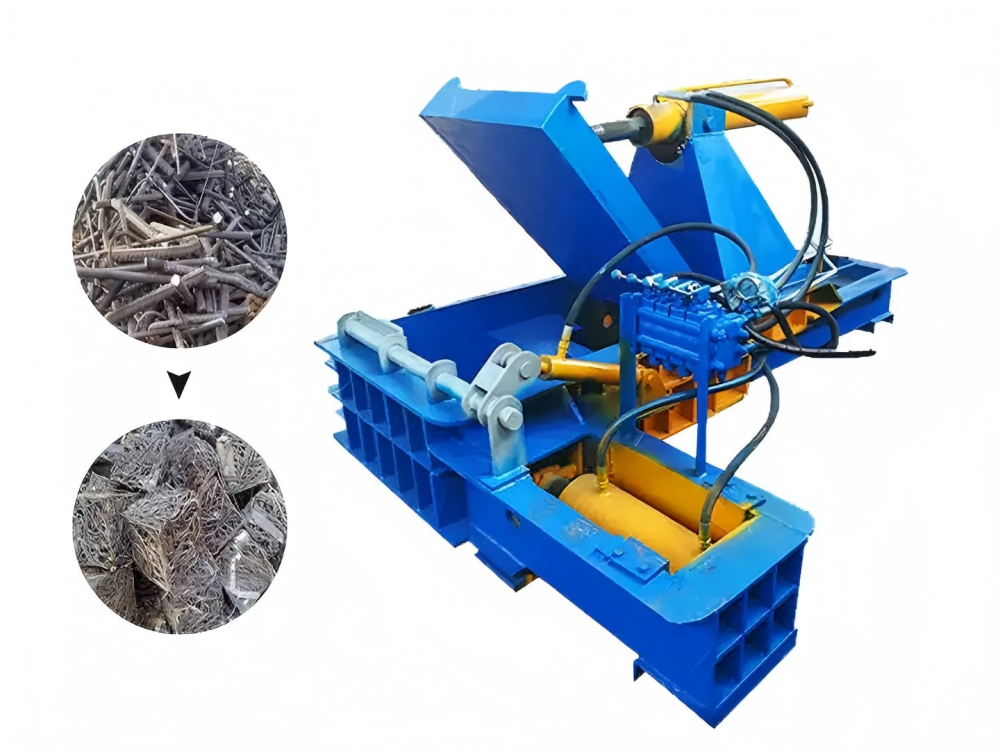
When calculating the scrap metal baler cost breakdown, it is easy to focus solely on the purchase price. However, there are several hidden costs that can impact your budget. Installation is the most immediate, as it involves not just the physical placement of the machine, but also electrical upgrades, hydraulic fluid filling, and potential site modifications. If your facility requires a concrete pad or specialized power supply, these costs can add up quickly.
Maintenance and spare parts are ongoing expenses that should be factored into your long-term budget. Hydraulic seals, hoses, and filters require regular replacement. Furthermore, the wear and tear on the baler’s chamber liners and ram face will eventually necessitate repairs. Choosing a machine with easily accessible parts and a clear maintenance schedule is essential for controlling these long-term costs.
Training and labor costs are often overlooked. Even if a machine is automated, your staff will need training on safe operation, basic troubleshooting, and daily maintenance procedures. If the machine is complex, you may need to hire or train specialized technicians. Additionally, the cost of consumables—such as baling wire or strapping—must be accounted for in your operational budget, as these are recurring expenses that scale with your production volume.
Energy consumption is another factor that can be hidden in plain sight. An inefficient hydraulic system can lead to high electricity bills over the life of the machine. It is important to evaluate the energy efficiency ratings of the baler’s motor and pump. Investing in a machine with energy-saving features may have a higher upfront cost but will pay for itself through lower utility bills over several years.
Finally, consider the cost of downtime. If your baler breaks down and you don’t have a service contract or a local support team, the cost of lost production can be devastating. This is why it is crucial to factor in the cost of a service agreement and the availability of technical support when evaluating different manufacturers. A slightly more expensive machine from a company with excellent support is often cheaper in the long run than a bargain-priced machine that leaves you stranded.
ROI Calculation
Calculating the Return on Investment (ROI) for a scrap metal baler involves comparing the total cost of ownership against the revenue generated from selling baled scrap and the savings achieved through operational efficiencies. The first step is to determine the value difference between loose scrap and baled scrap. Baled metal is much easier to transport and store, and it commands a higher price from recyclers because it is ready for the furnace.
Next, calculate the labor savings. If your current process involves manual handling, sorting, and loading of loose scrap, you are likely spending a significant amount on labor. By automating this process with a baler, you can reallocate staff to more productive tasks. The reduction in labor hours per ton of scrap processed is a direct financial gain that should be included in your ROI analysis.
Logistics and storage savings are also significant. Loose scrap takes up a massive amount of space and is expensive to transport because you are essentially paying to ship air. Baled scrap is dense and compact, allowing you to fit more weight into a single shipping container or truck. This reduces the number of trips required to transport your scrap, leading to substantial savings in freight costs.
To calculate the ROI, use the following formula: (Annual Savings + Annual Revenue Increase – Annual Operating Costs) / Total Investment Cost. The annual savings include reduced labor, lower freight costs, and lower storage costs. The annual revenue increase is the difference in price between loose and baled scrap. The annual operating costs include electricity, maintenance, and consumables.
It is also important to consider the tax benefits, such as depreciation, which can improve your ROI. Many governments offer incentives for businesses that invest in recycling equipment, which can further offset the initial purchase price. By conducting a thorough ROI analysis, you can justify the investment to stakeholders and ensure that your scrap metal baler is a profitable addition to your facility.
Buying Advice
Before purchasing a scrap metal baler, conduct a thorough audit of your scrap output. What types of metal are you processing? What are the volumes? What are the dimensions of the largest pieces? Understanding these variables is essential for selecting the right machine. A baler that is too small will be a bottleneck, while a baler that is too large will be an unnecessary expense.
Always request a demonstration or visit a facility that uses the model you are considering. Seeing the machine in action will give you a better understanding of its cycle time, ease of use, and noise levels. Ask the operator about their experience with the machine and whether they have encountered any recurring issues. This real-world feedback is invaluable.
Evaluate the manufacturer’s support network. Can they provide remote diagnostics? How quickly can they dispatch a technician if something goes wrong? Do they have a local inventory of spare parts? A machine is only as good as the support behind it. HARSLE prides itself on providing comprehensive support, ensuring that our clients can operate their equipment with confidence.
Consider the future growth of your business. If you expect your production volume to increase, it might be worth investing in a machine with a higher capacity than you currently need. Upgrading a baler later is often more expensive than buying the right capacity from the start. Think of your baler as a long-term asset that should grow with your company.
Finally, don’t be afraid to ask for a customized solution. Many manufacturers, including HARSLE, can tailor their machines to meet specific requirements. Whether it’s a custom hopper design, a specific bale size, or integration with an existing conveyor system, a customized solution can provide a significant competitive advantage by optimizing your workflow and maximizing your efficiency.
FAQ
- What is the typical lifespan of a scrap metal baler? With proper maintenance, a high-quality industrial baler can last 15 to 20 years or more.
- How do I choose between a vertical and horizontal baler? Choose a vertical baler for low-to-medium volumes and limited space. Choose a horizontal baler for high-volume, continuous processing.
- Does the type of metal affect the baler choice? Yes, different metals have different densities and spring-back characteristics. Ensure the baler’s pressure rating is sufficient for the specific metal you are processing.
- What maintenance is required for a scrap metal baler? Regular checks of hydraulic fluid levels, hose inspections, cleaning of the chamber, and periodic lubrication of moving parts are essential.
- Can a scrap metal baler be integrated into an existing production line? Yes, most modern balers can be integrated with conveyors and automated feeding systems to create a seamless workflow.
- Are there financing options available for industrial balers? Many manufacturers and third-party lenders offer financing or leasing options to help manage the upfront capital expenditure.