Vertical Baler Investment: Cost Savings and Payback Analysis

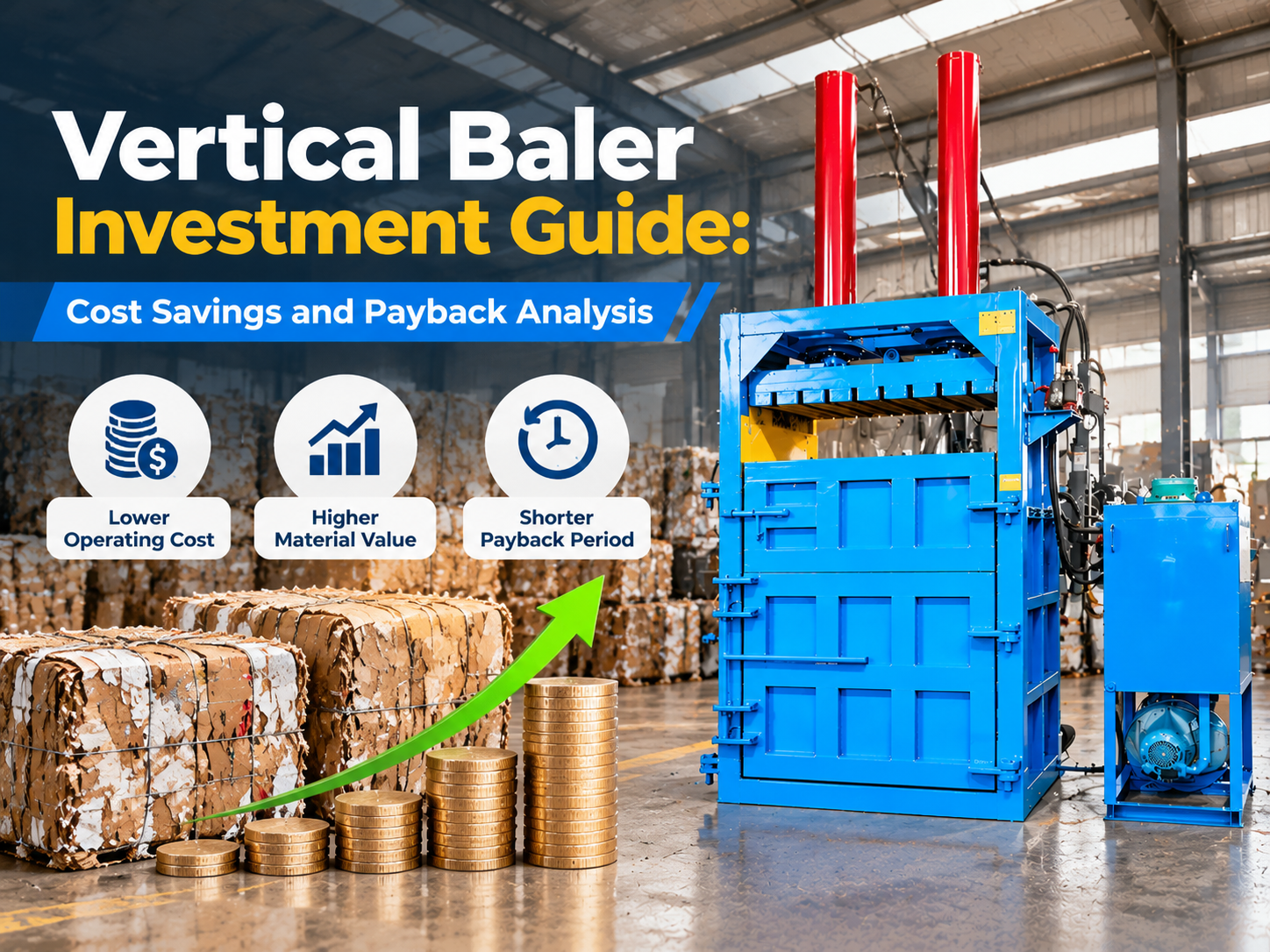
Price Range Overview
Investing in a vertical baler is a strategic decision that transforms waste management from a recurring expense into a potential revenue stream. For businesses in the metal fabrication and manufacturing sectors, understanding the price range is the first step in the procurement process. Generally, entry-level vertical balers designed for small-scale operations or light cardboard recycling start in the range of $5,000 to $8,000. These machines are typically manual-tie units with lower compaction forces, suitable for businesses with limited daily waste output.
Mid-range vertical balers, which are the most common choice for medium-sized fabrication shops, typically fall between $10,000 and $20,000. These units offer higher compaction ratios, semi-automatic tie systems, and more robust hydraulic components capable of handling denser materials like thin-gauge sheet metal scraps or high volumes of packaging waste. HARSLE provides various configurations in this tier that balance durability with operational efficiency.
High-capacity industrial vertical balers, designed for heavy-duty applications and continuous operation, can range from $25,000 to upwards of $50,000. These machines feature reinforced chambers, high-pressure cylinders, and advanced safety features. When evaluating the price, it is essential to look beyond the initial capital expenditure and consider the total cost of ownership, including installation, electrical upgrades, and long-term maintenance requirements.
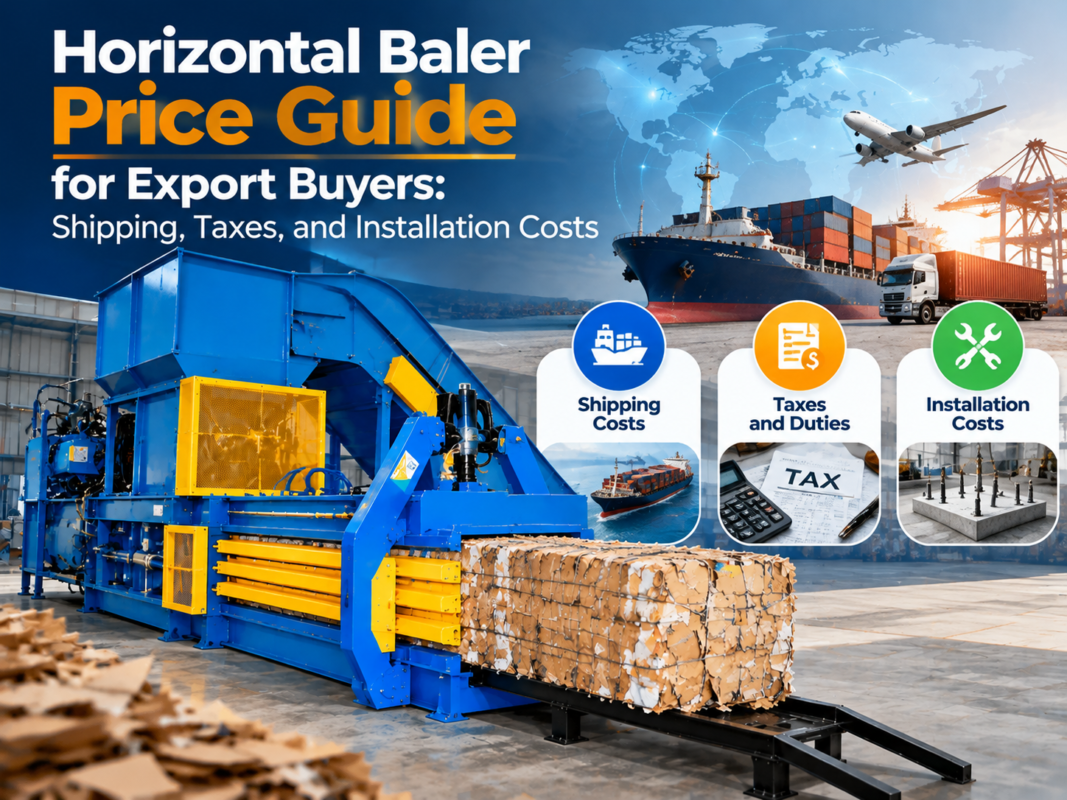
It is important to note that market fluctuations in steel prices and hydraulic components can influence these ranges. Furthermore, shipping and rigging costs—often overlooked—can add $1,000 to $3,000 to the final invoice depending on the distance from the manufacturer and the complexity of the site installation. Always request a comprehensive quote that includes delivery and commissioning to avoid unexpected budget overruns.
Main Cost Drivers
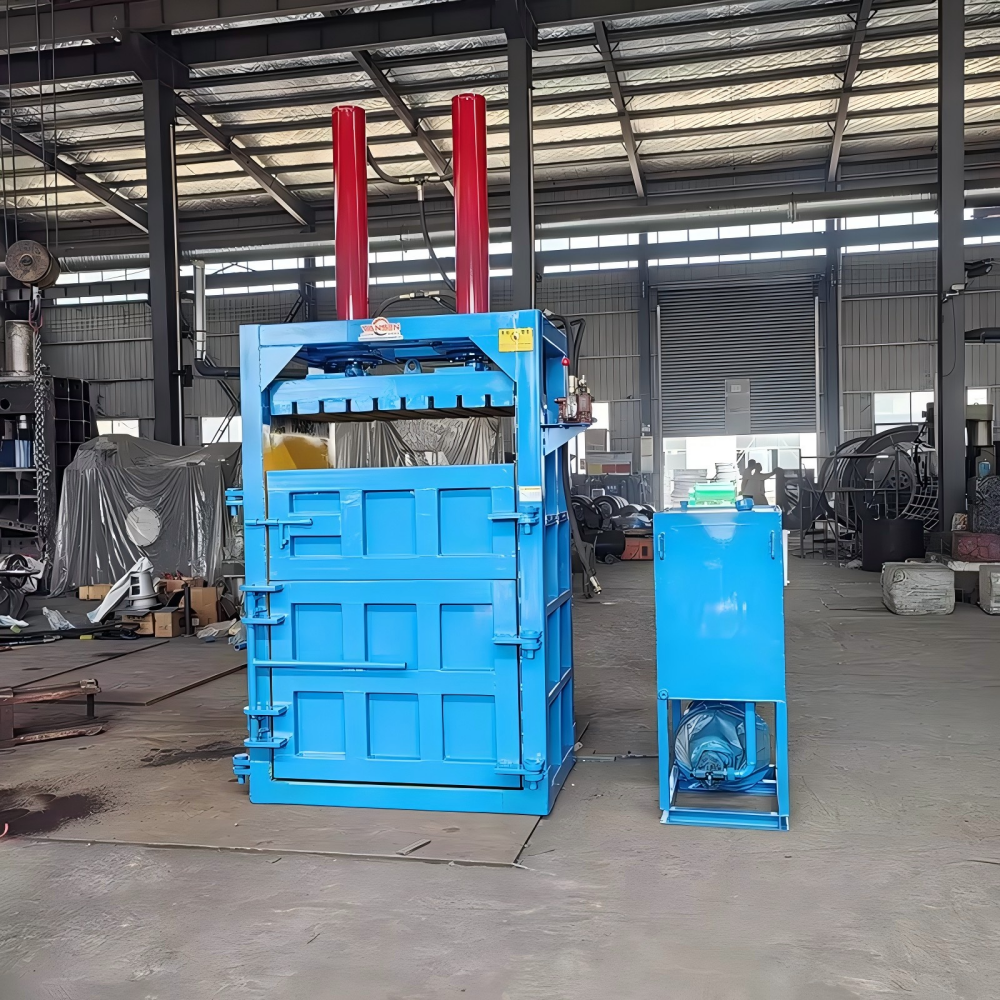
The primary driver of a vertical baler’s cost is the compaction force, measured in tons. Higher tonnage requires larger hydraulic cylinders, more powerful motors, and thicker steel plating to withstand the internal pressure. A machine designed to crush heavy metal offcuts will naturally cost significantly more than one designed for light plastic or cardboard due to the structural integrity required to prevent chamber deformation.
Another significant cost driver is the automation level. Manual balers require an operator to manually tie off the bale, which is labor-intensive and time-consuming. Semi-automatic and fully automatic systems incorporate bale ejection mechanisms and automated wire-tying systems. While these features increase the upfront investment, they drastically reduce labor costs and improve the consistency of the bale density, which is critical for maximizing recycling rebates.
The physical dimensions and chamber size also dictate the price. Larger chambers allow for bigger feed openings, reducing the need to pre-process or cut down waste before loading. This efficiency gain is a major selling point for high-volume facilities. However, larger machines require more floor space and may necessitate specialized concrete foundations to handle the weight and vibration during the compaction cycle.
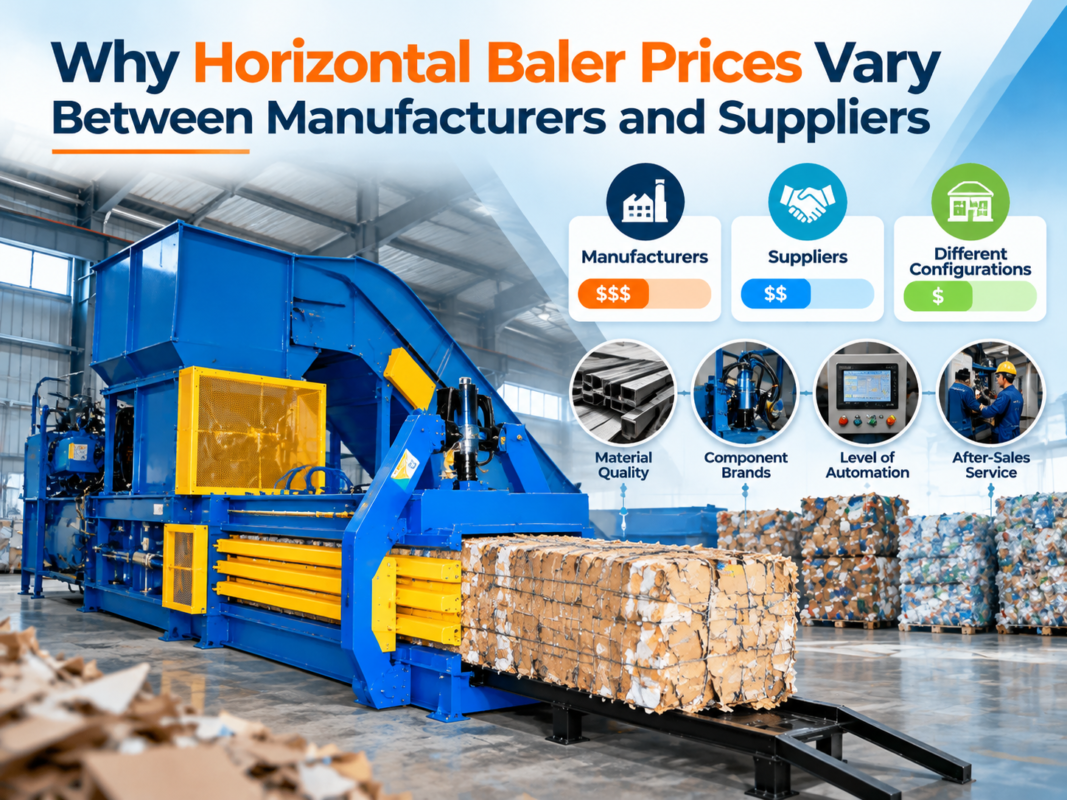
Finally, the brand reputation and the quality of hydraulic components play a major role. HARSLE utilizes high-grade hydraulic pumps, valves, and seals that are designed for industrial longevity. Cheaper alternatives might save money initially but often suffer from premature seal failure, hydraulic leaks, and motor burnout, leading to higher long-term costs. Investing in reputable industrial machinery ensures that your equipment remains operational during peak production times.
Configuration Impact
Selecting the right configuration is vital for achieving the expected ROI. A vertical baler configured with a cross-cylinder design provides more even pressure distribution across the bale, which is essential for materials that have high memory or spring-back, such as aluminum scraps or thick cardboard. This configuration prevents the bale from expanding once the door is opened, ensuring a neat, stackable product.
The feed opening design is another critical configuration factor. For metal fabrication shops, a front-loading door with a wide aperture is standard, but some applications benefit from a sliding door or a hopper feed system. If your waste stream includes bulky items, a hopper-fed baler allows for continuous loading without stopping the machine, which significantly increases throughput and reduces operator fatigue.
Safety configurations are non-negotiable in modern industrial environments. Modern vertical balers should include interlocked doors, emergency stop buttons, and light curtains if the machine is integrated into an automated line. While these features add to the initial cost, they prevent costly workplace accidents and ensure compliance with OSHA or local safety regulations, which can save thousands in potential fines and insurance premiums.
Integration with peripheral equipment, such as conveyors or dust extraction systems, can also impact the configuration. If your facility generates a high volume of small metal chips or shavings, a baler configured with a specialized liquid collection tray is necessary to manage cutting fluids and oils. This prevents environmental contamination and allows for the recovery and recycling of expensive coolants, adding another layer of cost savings to your investment.
Hidden Costs
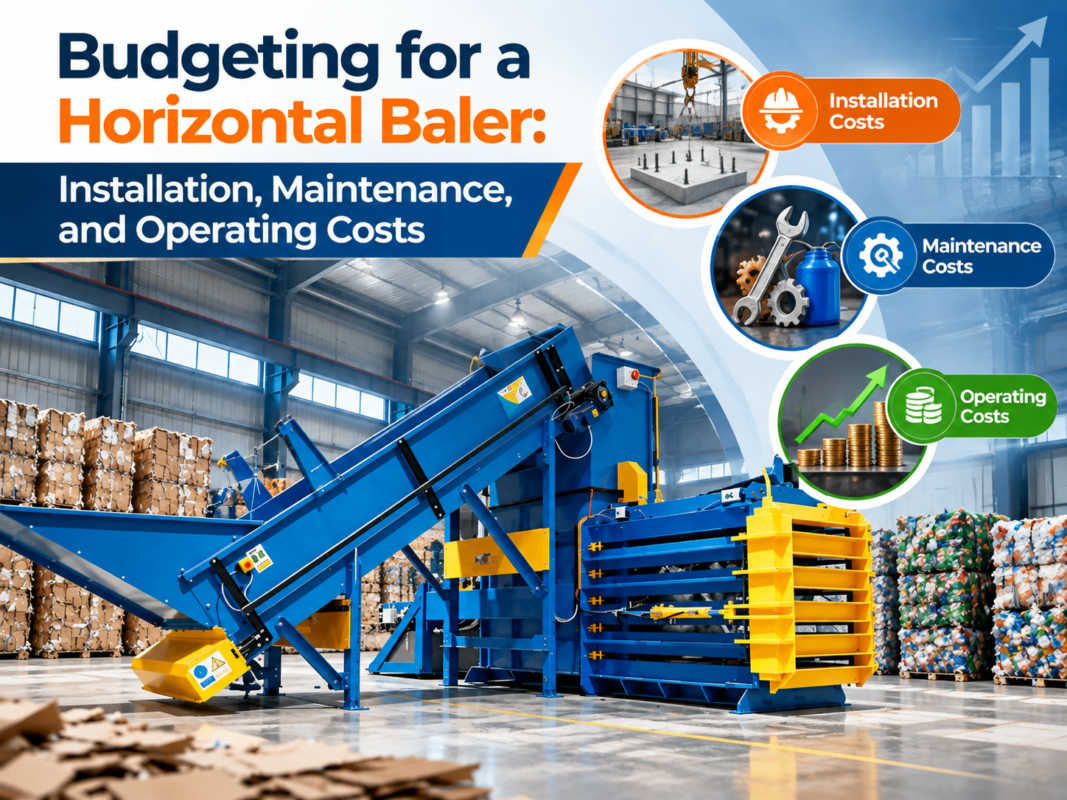
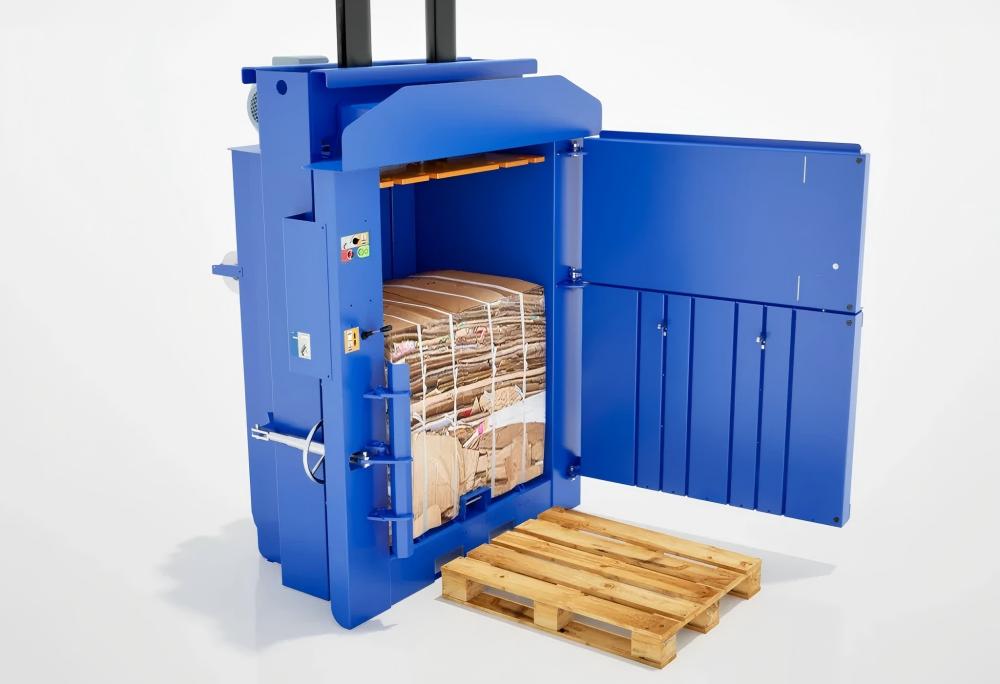
When calculating the total cost of a vertical baler investment, many businesses fail to account for hidden operational expenses. Electrical requirements are a common oversight; high-tonnage balers often require three-phase power and dedicated circuits. If your facility lacks the necessary electrical infrastructure, upgrading your panel and running new lines can be a significant hidden cost that should be factored into the initial budget.
Maintenance and consumables are ongoing expenses that must be planned for. This includes hydraulic oil changes, filter replacements, and the cost of baling wire or strapping material. High-quality wire is essential for maintaining bale integrity during transport. Using inferior wire can lead to bale breakage, which not only creates a mess but also results in rejected loads from recycling centers, negating the potential revenue from the sale of the material.
Training costs are another often-ignored factor. While vertical balers are relatively simple to operate, proper training is required to ensure safety and to teach operators how to create consistent, high-density bales. Inefficient operation—such as overfilling the chamber or failing to tie the bale correctly—can lead to machine damage and reduced recycling value. Factor in the time required for staff training and the potential for initial productivity dips.
Finally, consider the cost of floor space. In a busy fabrication shop, every square foot has a value. A large baler occupies space that could otherwise be used for production machinery or inventory storage. When calculating the ROI, it is helpful to consider the “opportunity cost” of the floor space occupied by the baler and the space required for staging the finished bales before they are picked up by the recycling hauler.
ROI Calculation
To determine the payback period for your vertical baler investment, you must first calculate the current cost of waste disposal. This includes dumpster rental fees, hauling charges, and the frequency of pickups. If your shop is paying to have loose scrap or cardboard hauled away, you are essentially paying to transport air. A baler reduces the volume of waste by up to 90%, which can reduce your hauling frequency from daily to weekly, leading to immediate savings.
The second component of the ROI calculation is the revenue generated from the sale of baled materials. Recyclers pay a premium for baled material because it is easier to transport and process. By comparing the current market price for baled aluminum, steel, or cardboard against the cost of hauling loose waste, you can estimate your monthly revenue. A well-maintained HARSLE baler produces dense, uniform bales that command the highest possible market price.
The formula for the payback period is: (Total Investment Cost) / (Monthly Savings + Monthly Revenue). For example, if a baler costs $15,000 and saves you $500 in hauling fees while generating $500 in recycling revenue per month, your total monthly benefit is $1,000. In this scenario, the payback period is 15 months. Most industrial balers have a service life of 10 to 15 years, meaning the machine will provide significant profit long after the initial investment is recovered.
It is also important to factor in the reduction in labor time. If your team spends two hours a day managing loose waste, and the baler reduces this to 30 minutes, you are reclaiming 1.5 hours of labor per day. At an average shop rate, this labor savings can be substantial. When you combine reduced hauling fees, recycling revenue, and labor efficiency, the ROI of a vertical baler is often much faster than most other capital equipment investments.
Buying Advice
Before purchasing, conduct a thorough waste audit. Track the volume and type of waste your facility generates over a 30-day period. This data is essential for sizing the baler correctly. Buying a machine that is too small will lead to bottlenecks and frustration, while buying one that is too large is a waste of capital. HARSLE experts can assist in analyzing your waste stream to recommend the optimal model for your specific needs.
Always prioritize build quality over the lowest price. A baler is a piece of heavy-duty industrial equipment that will be subjected to high stress daily. Look for features like reinforced door hinges, high-quality hydraulic cylinders, and a user-friendly control interface. Check if the manufacturer offers local support or has a network of service technicians who can provide quick assistance if the machine goes down.
Consider the future growth of your business. If you anticipate an increase in production volume, it may be wise to invest in a slightly larger machine than you currently need. This “future-proofing” approach prevents the need for a costly equipment upgrade in a few years. Additionally, check for modular features that allow you to add accessories like conveyors or automatic bale ejectors later as your needs evolve.
Finally, ask for references from other businesses in the metal fabrication industry that use the same model. Speaking with current owners can provide invaluable insights into the machine’s reliability, the ease of maintenance, and the actual ROI they have experienced. A reputable manufacturer like HARSLE will be happy to provide case studies or connect you with existing customers to demonstrate the value of their equipment.
FAQ
- How often does a vertical baler require maintenance? Generally, a visual inspection should be performed weekly, with a professional service check every 6 months to ensure hydraulic pressure, seal integrity, and electrical connections are in optimal condition.
- Can one baler handle different types of materials? While many balers are versatile, it is best to consult with the manufacturer. Some materials, like mixed metals and cardboard, have different compaction requirements and may require specific settings or machine configurations.
- What is the typical lifespan of a HARSLE vertical baler? With proper maintenance and regular service, our industrial vertical balers are designed to provide 10 to 15 years of reliable service in a standard fabrication environment.
- Do I need a special floor for the baler? Most standard vertical balers can be placed on a level, reinforced concrete floor. However, for high-tonnage models, a specific foundation thickness may be required to handle the vibration and weight.
- How do I sell the bales I produce? Once you have a consistent supply of baled material, you can contact local recycling centers or scrap metal dealers. They will often provide a pickup service and pay based on the weight and quality of the bales.