Scrap Metal Baler Machine Price Guide for HARSLE Buyers

Scrap Metal Baler Machine Price Range Overview
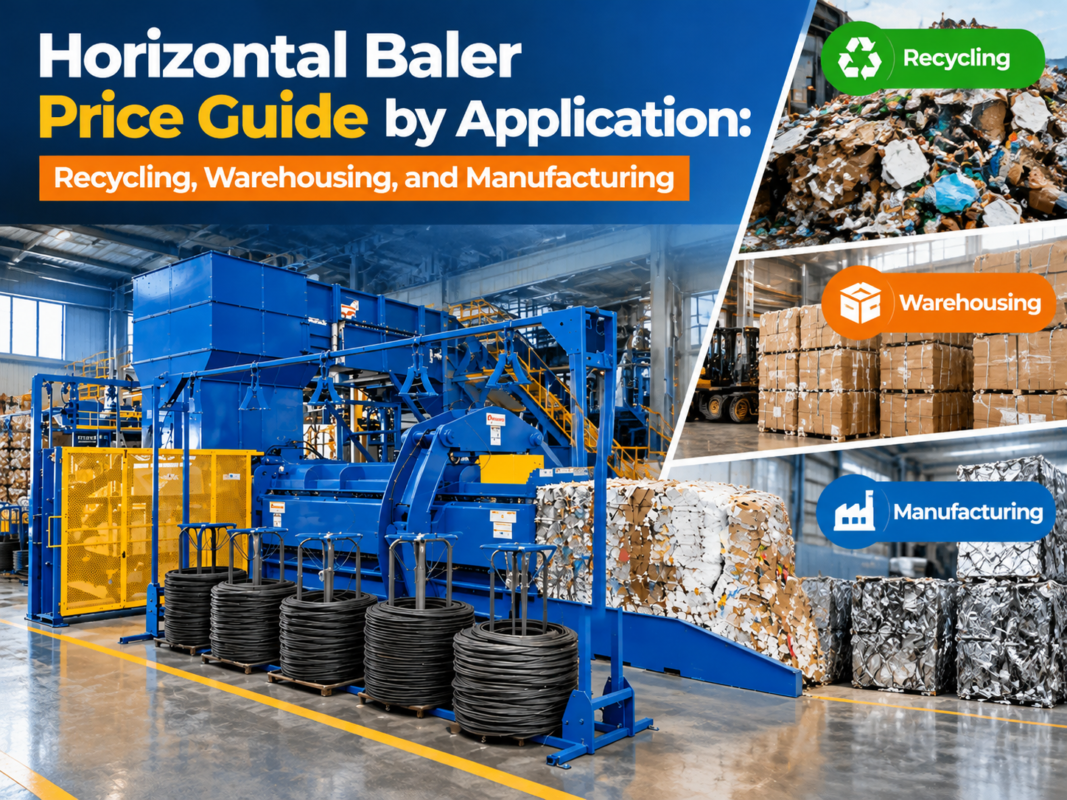
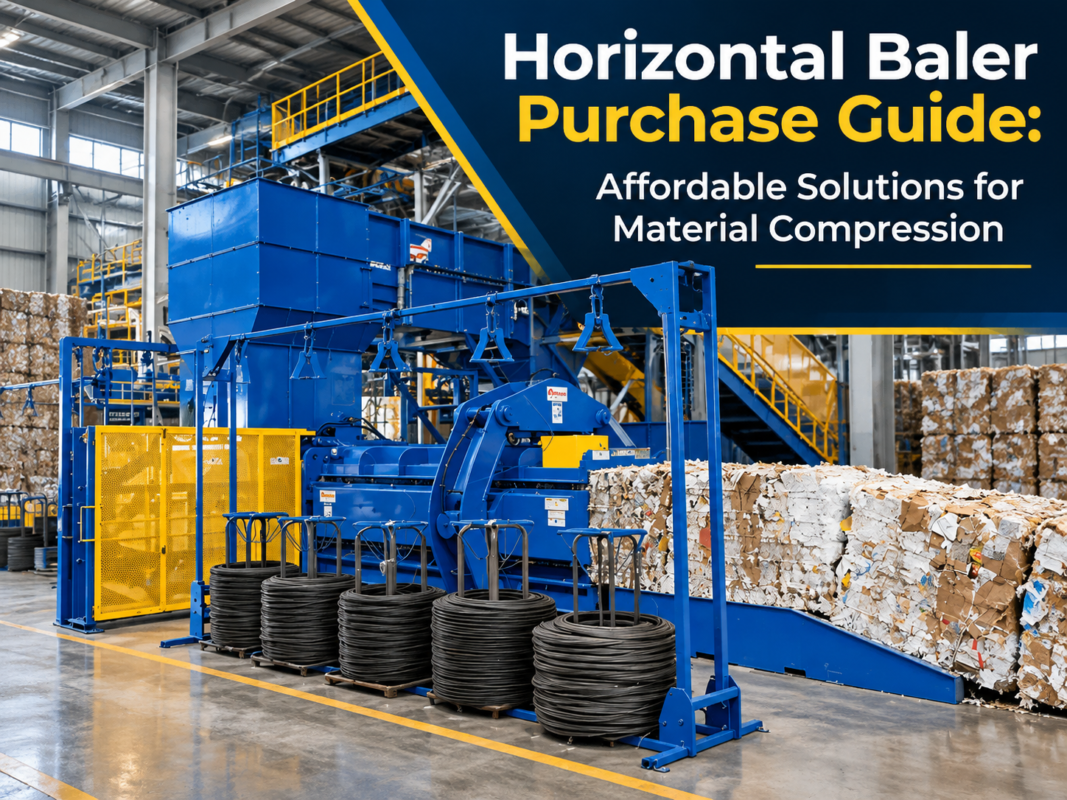
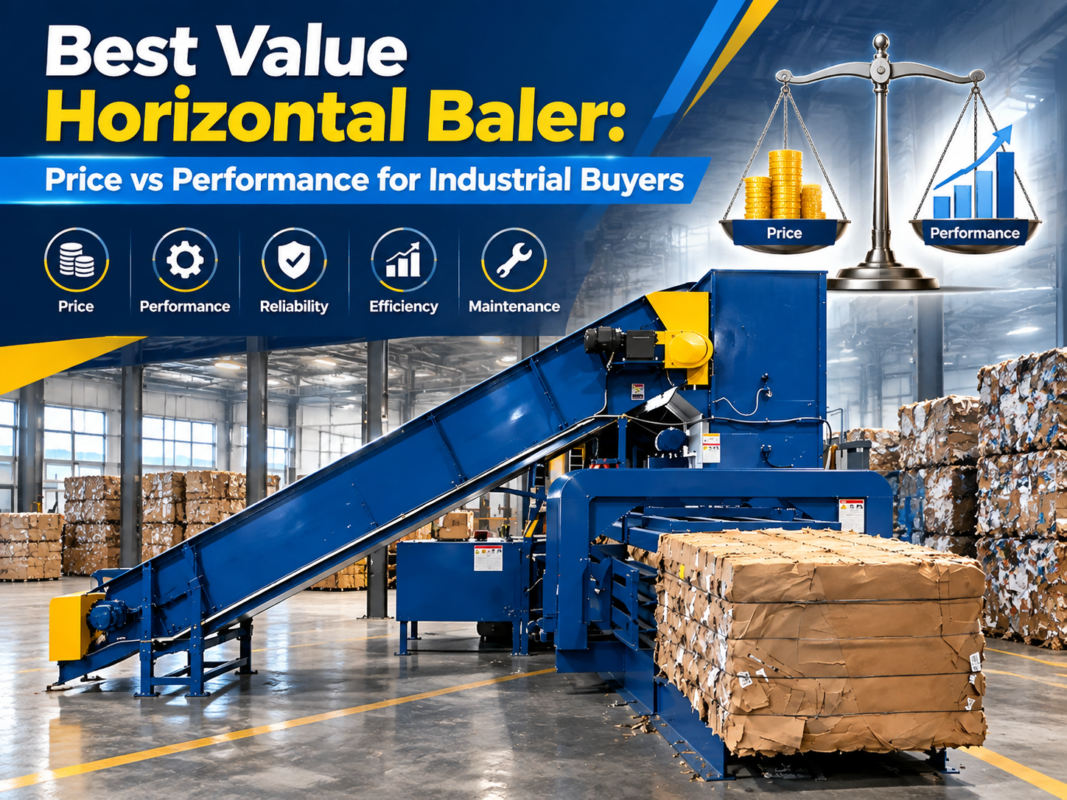
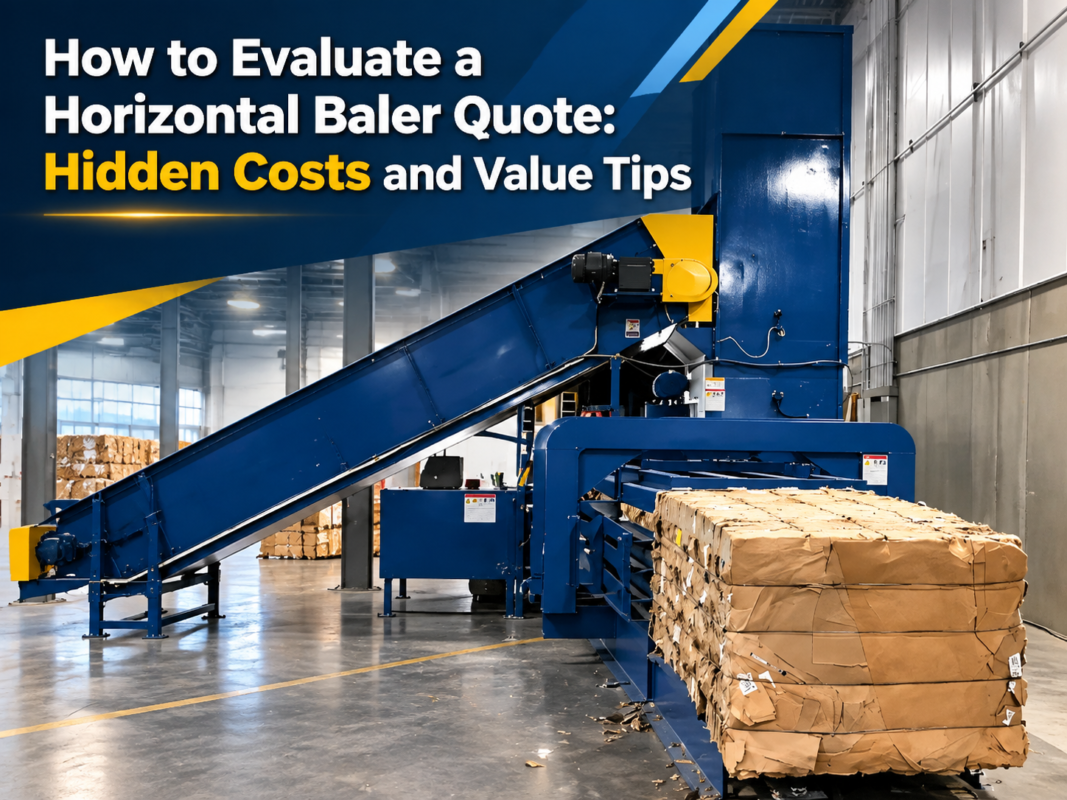
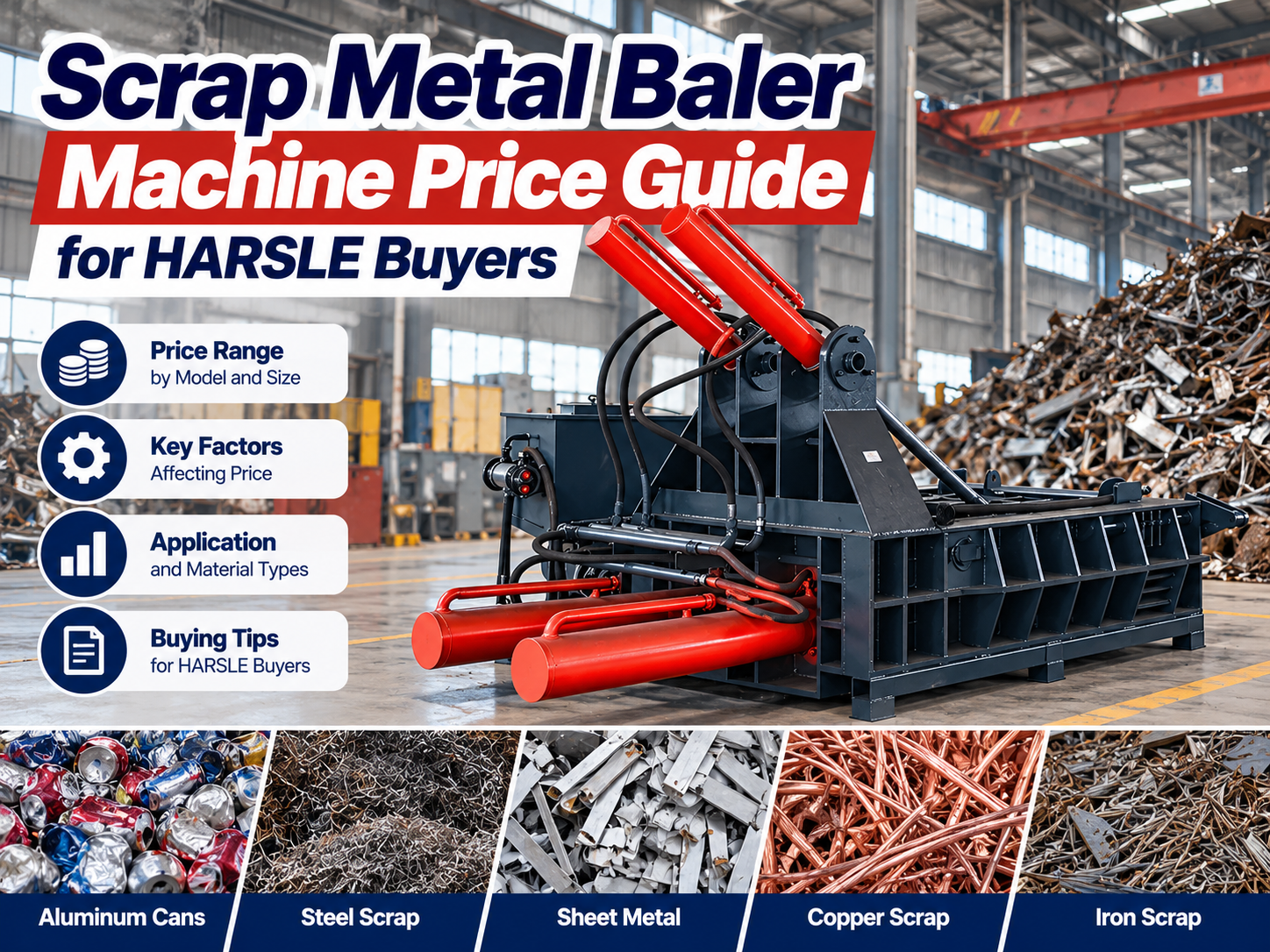
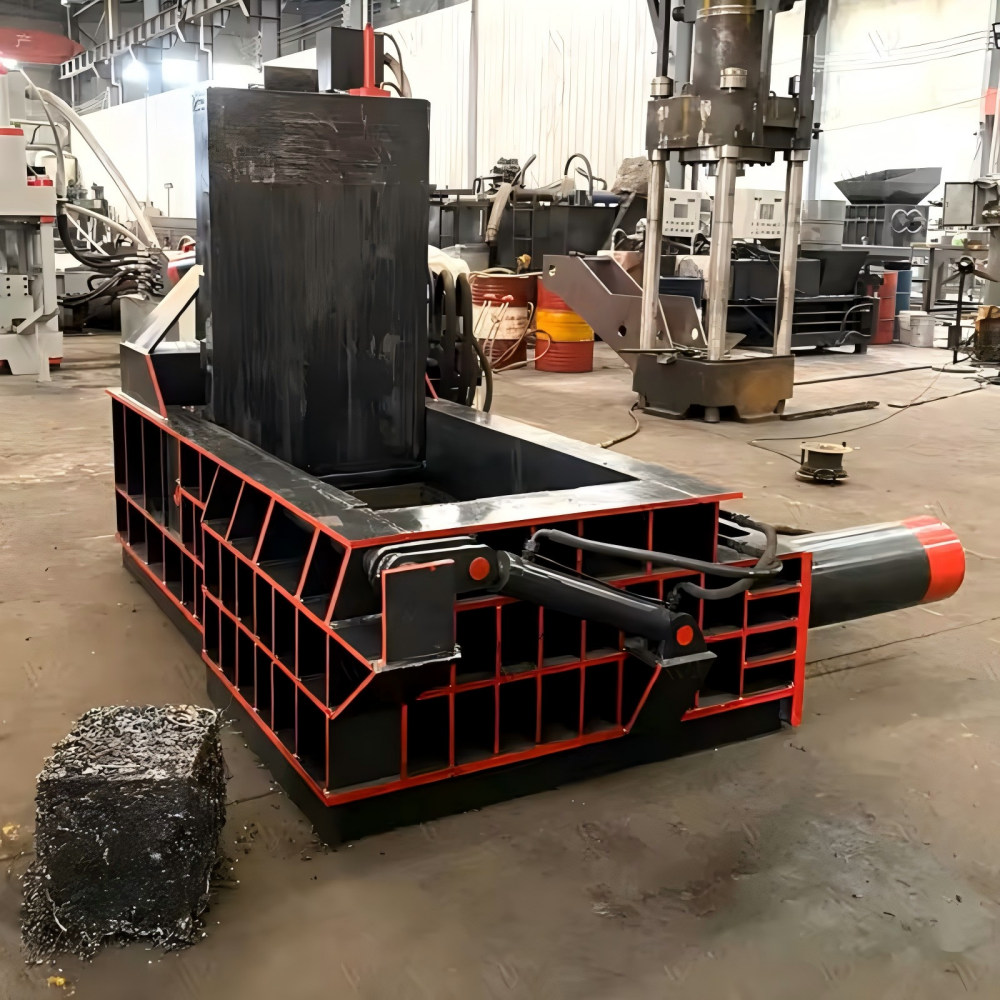
For industrial facilities and recycling centers looking to optimize their waste management, understanding the scrap metal baler machine price Harsle buyers can expect is the first step toward a successful investment. HARSLE offers a diverse range of baling solutions, from compact vertical units to heavy-duty horizontal systems. Generally, entry-level vertical balers start in the lower price brackets, suitable for small-scale workshops or light metal processing, while fully automated horizontal balers represent a significant capital expenditure designed for high-volume industrial operations.
The pricing structure for HARSLE equipment is tiered based on throughput capacity, force output, and automation level. Buyers should anticipate a wide variance in quotes because each machine is often configured to meet specific site requirements. A basic vertical baler might range from $5,000 to $15,000, whereas high-performance horizontal balers with conveyor integration can exceed $50,000 to $100,000. This price guide aims to demystify these figures by breaking down the variables that influence your final quote.
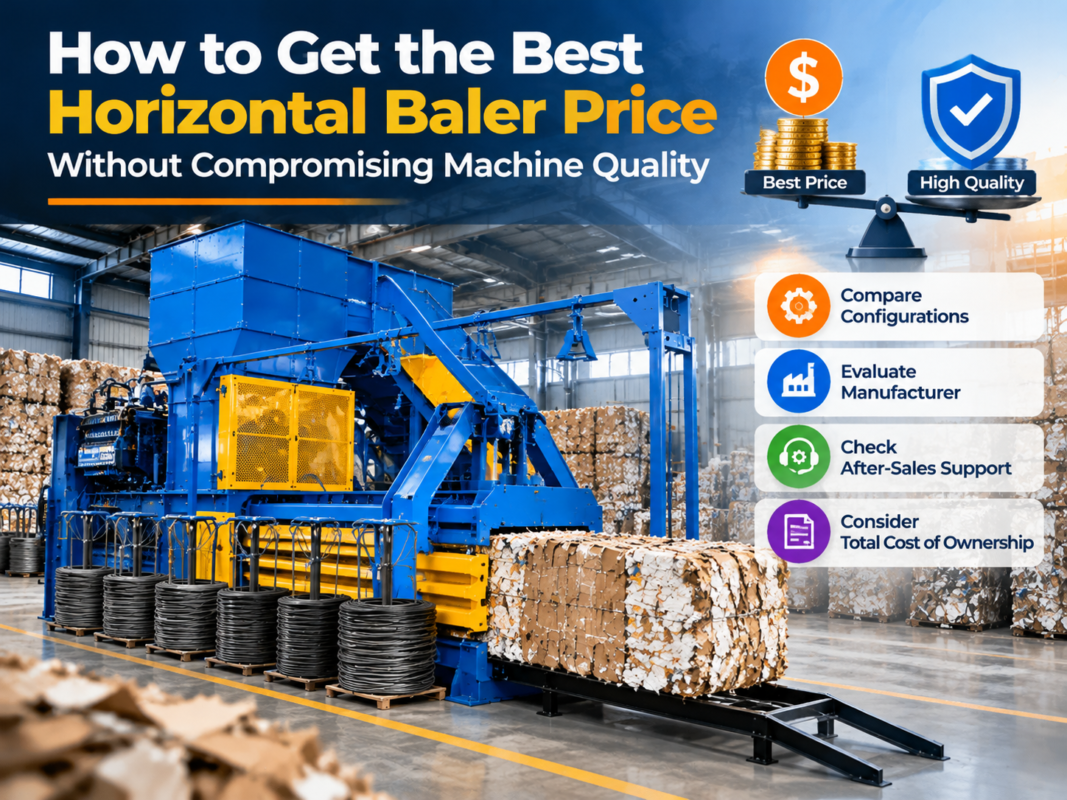
When evaluating the scrap metal baler machine price, it is essential to look beyond the initial invoice. HARSLE provides robust engineering, which means the cost reflects the longevity and reliability of the hydraulic systems. Investing in a machine that is slightly above your current capacity requirements can often save money in the long run by reducing maintenance frequency and preventing bottlenecks as your business scales.
Market volatility in steel and hydraulic component pricing also plays a role in the final cost. Because HARSLE manufactures high-quality industrial machinery, the price is tied to global raw material costs. Buyers should request quotes that are valid for a specific timeframe to ensure budget accuracy. By understanding the market, HARSLE buyers can time their purchases to align with favorable pricing cycles or seasonal promotions.
Main Cost Drivers for Industrial Balers
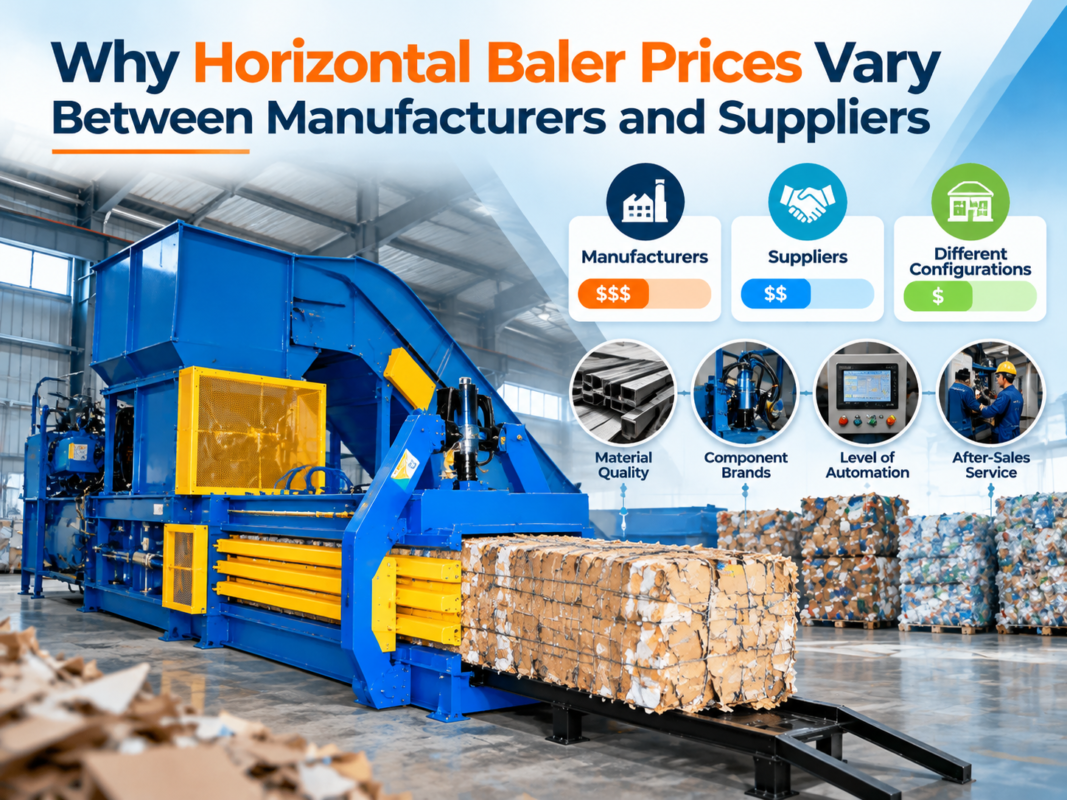
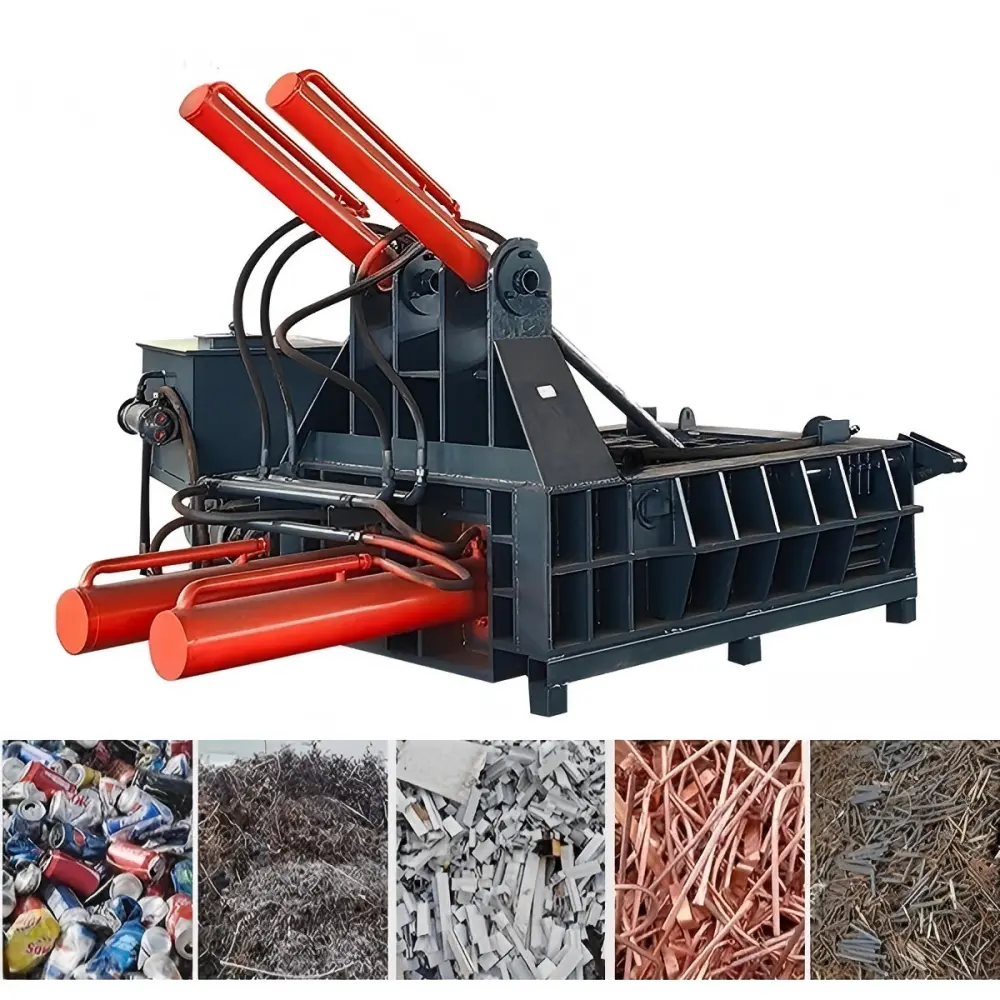
The primary driver of the scrap metal baler machine price for Harsle buyers is the total pressing force, measured in tons. Higher force requirements necessitate larger hydraulic cylinders, more powerful motors, and reinforced structural steel frames. A machine designed to compress heavy-gauge steel scrap requires significantly more robust components than one designed for aluminum cans or thin-gauge sheet metal, directly impacting the manufacturing cost.
Automation level is the second major cost factor. Manual balers require an operator to load, cycle, and tie off the bales, which keeps the machine cost lower but increases labor expenses. Conversely, semi-automatic and fully automatic balers feature integrated conveyor systems, automated bale ejection, and sophisticated PLC controls. While these machines carry a higher upfront price, they drastically reduce labor costs and increase the consistency of bale density, which is crucial for maximizing scrap resale value.
The size of the feed opening and the chamber dimensions also dictate the price. Larger openings allow for the processing of bulky scrap without the need for pre-cutting or shredding, which saves time and labor. However, larger chambers require more material to build and more powerful hydraulics to achieve the necessary compression ratios. Buyers must balance the physical size of their scrap with the machine’s footprint to avoid overpaying for capacity they do not need.
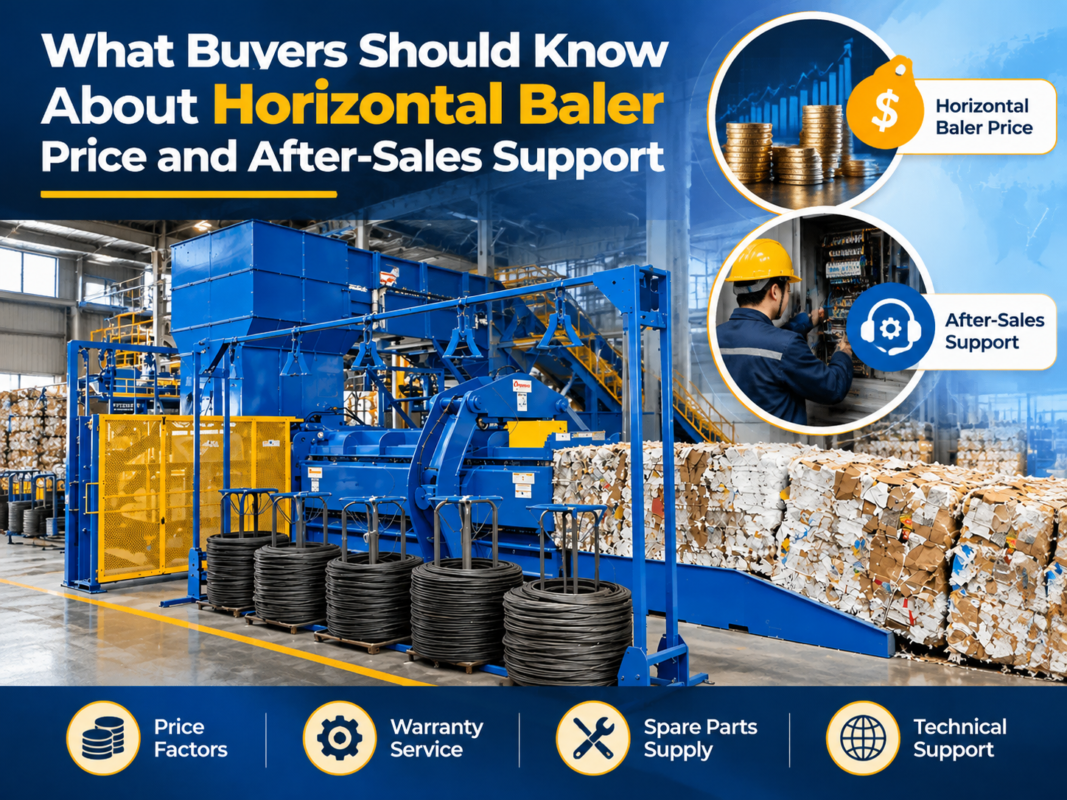
Finally, the brand reputation and support infrastructure of HARSLE contribute to the value proposition. When you purchase a HARSLE baler, you are paying for more than just steel and hydraulics; you are paying for engineering expertise, spare parts availability, and technical support. These intangible assets ensure that your machine remains operational, minimizing downtime—a critical factor in the total cost of ownership that often outweighs the initial purchase price.
Configuration Impact on Total Investment
Customization is a hallmark of HARSLE equipment, and the configuration you choose will significantly alter the scrap metal baler machine price. Many buyers opt for custom feed hoppers, which allow for direct loading via forklift or overhead crane. While this adds to the initial cost, it eliminates the need for manual loading, significantly increasing the throughput and safety of the facility.
Another configuration choice is the type of tying system. Manual tying is the most economical but is labor-intensive. Semi-automatic systems often use a needle-based tying mechanism that speeds up the process, while fully automatic systems use high-speed wire tiers. The complexity of the tying mechanism is a major cost driver, but it is also the primary factor in determining how quickly you can process a bale and move to the next cycle.
Integration with peripheral equipment such as shredders, conveyors, and sorting belts also impacts the total investment. A standalone baler is cheaper, but a fully integrated recycling line provides a much higher return on investment by creating a seamless workflow. HARSLE engineers can design these systems to fit specific floor plans, ensuring that the equipment layout maximizes space efficiency and minimizes material handling time.
Control systems also vary in price. Basic push-button controls are reliable and cost-effective, but modern HARSLE balers often feature advanced HMI (Human Machine Interface) touchscreens. These interfaces provide real-time data on bale weight, cycle times, and maintenance alerts. While these digital features increase the price, they provide the data necessary to optimize operations and predict maintenance needs before a failure occurs.
Hidden Costs to Consider
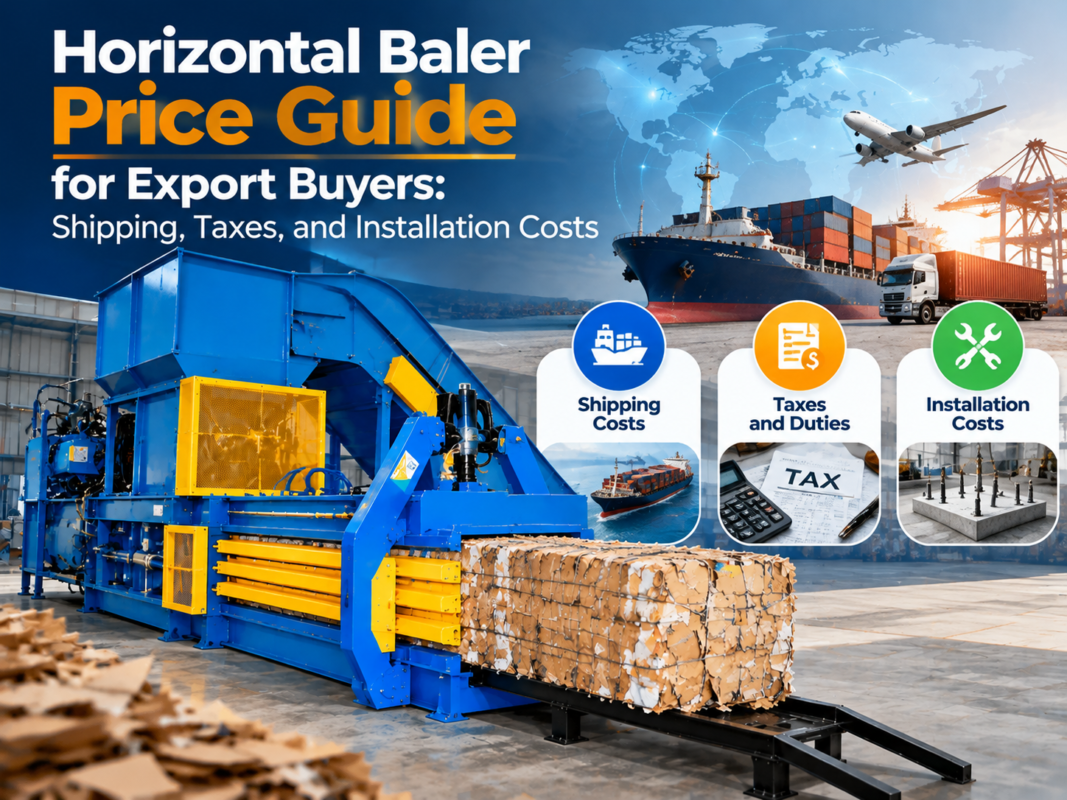
When calculating the scrap metal baler machine price, Harsle buyers must account for hidden costs that occur after the machine leaves the factory. Shipping and logistics are often the first surprise. Because these machines are heavy and bulky, freight costs can be substantial, especially for international shipments. It is vital to get a clear quote for delivery, including unloading and positioning at your facility.
Installation and commissioning are another area where costs can accumulate. While HARSLE provides detailed manuals, most industrial balers require professional installation to ensure the hydraulic systems are properly primed and the electrical connections meet local safety codes. Some buyers attempt to install the machines themselves to save money, but this can void the warranty and lead to long-term performance issues.
Site preparation is frequently overlooked. A heavy-duty baler requires a reinforced concrete pad to handle the weight and the vibrations generated during the compression cycle. If your existing floor is not suitable, you will need to factor in the cost of concrete work, anchoring, and potentially electrical upgrades to handle the high-amperage motors required by the baler.
Maintenance and consumables represent the ongoing hidden costs. Hydraulic oil, filters, seals, and baling wire are recurring expenses. Furthermore, you should budget for an annual service contract or a stock of critical spare parts. Ignoring these costs can lead to unexpected downtime, which is far more expensive than the cost of routine maintenance. Always ask your HARSLE representative for a recommended spare parts list for the first two years of operation.
ROI Calculation for HARSLE Balers
To justify the scrap metal baler machine price, Harsle buyers should perform a formal ROI analysis. The primary source of return is the increased value of your scrap. Loose scrap takes up significant volume and is expensive to transport. By baling your metal, you increase the density, which allows you to load more weight onto a single truck, significantly reducing your logistics costs and increasing the price per ton offered by scrap metal recyclers.
Labor savings are the second major component of ROI. By automating the baling process, you can reallocate staff to more value-added tasks. Calculate the number of man-hours currently spent handling loose scrap and compare that to the time required to operate a HARSLE baler. The difference, multiplied by your hourly labor rate, provides a clear picture of the annual savings generated by the machine.
Space reclamation is another often-ignored benefit. Loose scrap piles are inefficient and take up valuable floor space that could be used for production or storage. A baler allows you to store your scrap in neat, stackable cubes. If you are currently paying for off-site storage or renting extra warehouse space, the baler can pay for itself simply by allowing you to consolidate your operations.
Finally, consider the environmental and safety benefits. A clean, organized facility is safer for employees and reduces the risk of workplace accidents. Additionally, many regions offer tax incentives or grants for businesses that invest in recycling and waste reduction technology. When you combine the increased scrap value, labor savings, and operational efficiencies, the payback period for a HARSLE baler is often surprisingly short, frequently ranging from 18 to 36 months depending on the volume of material processed.
Buying Advice for HARSLE Customers
Before finalizing your purchase, conduct a thorough audit of your waste stream. What type of metal are you processing? What is the volume per day? What are the dimensions of the largest pieces? Answering these questions will help you and your HARSLE representative select the right machine. Buying a machine that is too small will lead to constant maintenance issues, while buying one that is too large is a waste of capital.
Always request a demonstration or a site visit to see a similar machine in action. Seeing the baler process your specific type of scrap is the best way to ensure it meets your expectations. If a site visit isn’t possible, ask for video footage of the machine processing similar materials. This provides confidence that the hydraulic force and chamber size are appropriate for your needs.
Negotiate the service package as part of the initial deal. HARSLE is known for its support, but having a clear agreement on training for your operators and a schedule for preventative maintenance will save you headaches later. Ensure that your staff is properly trained on the safety protocols, as industrial balers are powerful machines that require respect and proper handling.
Finally, consider the future. Is your business growing? If you expect your scrap volume to double in the next three years, it might be wise to invest in a machine with a higher capacity now rather than having to replace it later. HARSLE offers modular solutions that can sometimes be upgraded, so discuss your long-term growth plans with your sales contact to ensure your investment remains relevant as your business evolves.
FAQ: Scrap Metal Baler Machine Price Harsle Buyers
- What is the typical lead time for a HARSLE scrap metal baler? Lead times vary based on the model and customization. Standard units may be available for immediate shipment, while custom-configured horizontal balers can take 8-12 weeks.
- Does the price include installation? Typically, the price covers the machine and standard documentation. Installation is usually quoted separately based on your location and site requirements.
- What kind of maintenance does a HARSLE baler require? Routine maintenance includes checking hydraulic fluid levels, inspecting hoses for leaks, cleaning the chamber, and replacing filters according to the maintenance schedule in the manual.
- Can I process different types of metal in the same baler? Yes, but you must ensure the baler is rated for the toughest material you intend to process. Mixing metals can also affect the resale value, so sorting is recommended.
- Is financing available for HARSLE equipment? Many HARSLE distributors offer financing options or leasing programs. It is best to discuss your financial requirements with your local sales representative.
- How do I determine the right size baler for my facility? Calculate your daily volume of scrap in tons or cubic meters. Your HARSLE representative will use this data to recommend a machine with the appropriate throughput capacity.