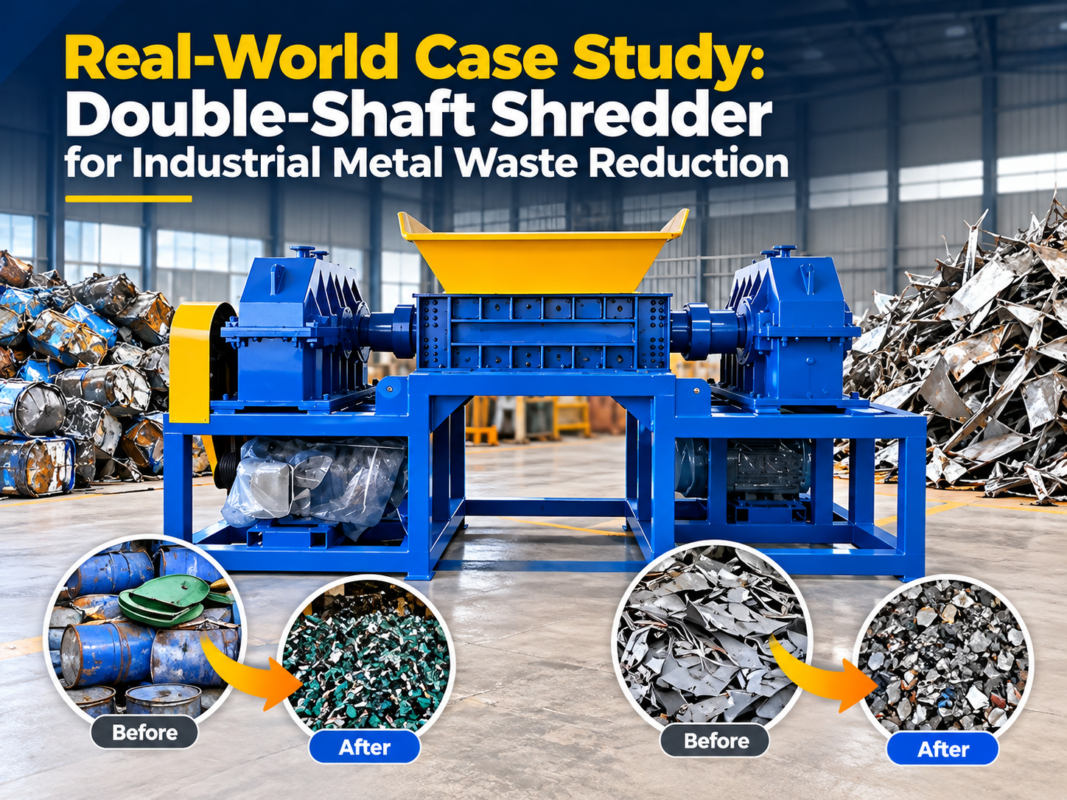
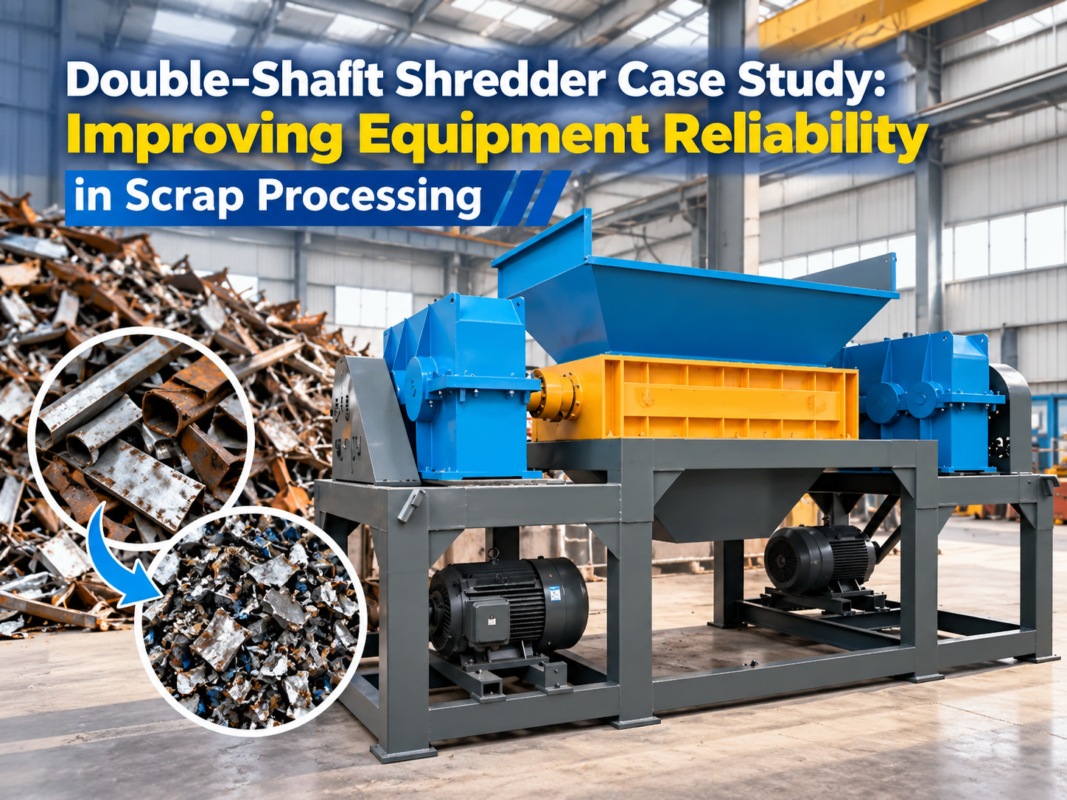
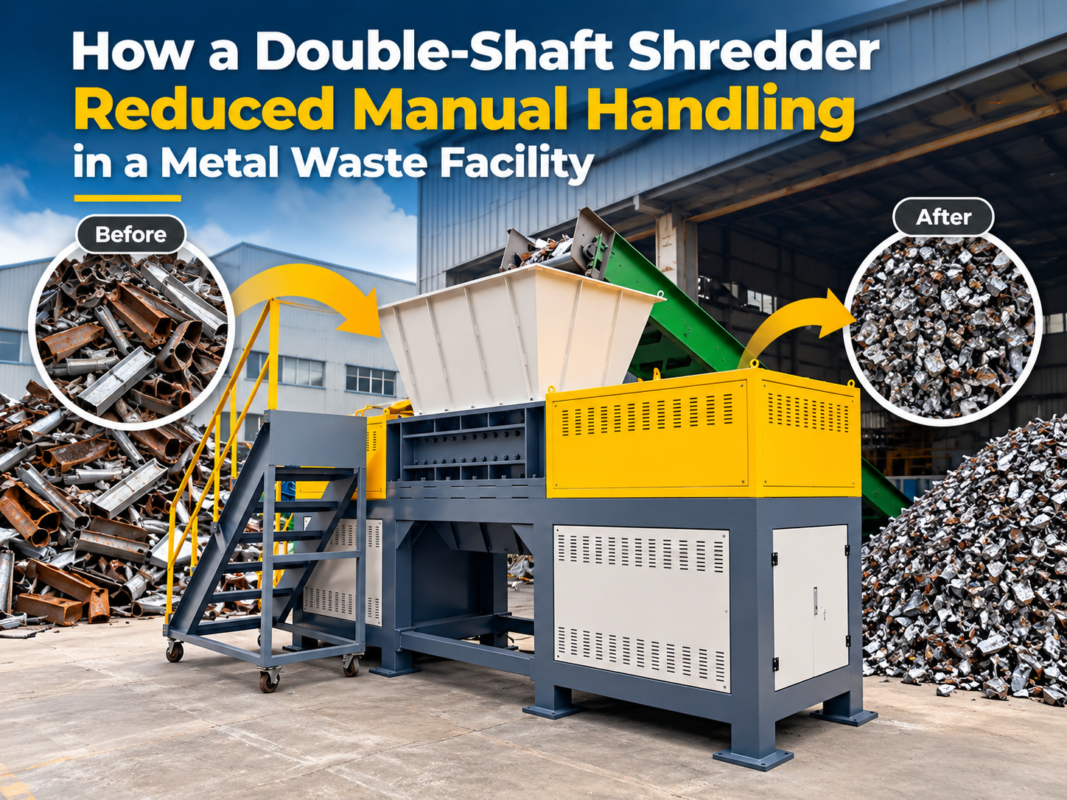
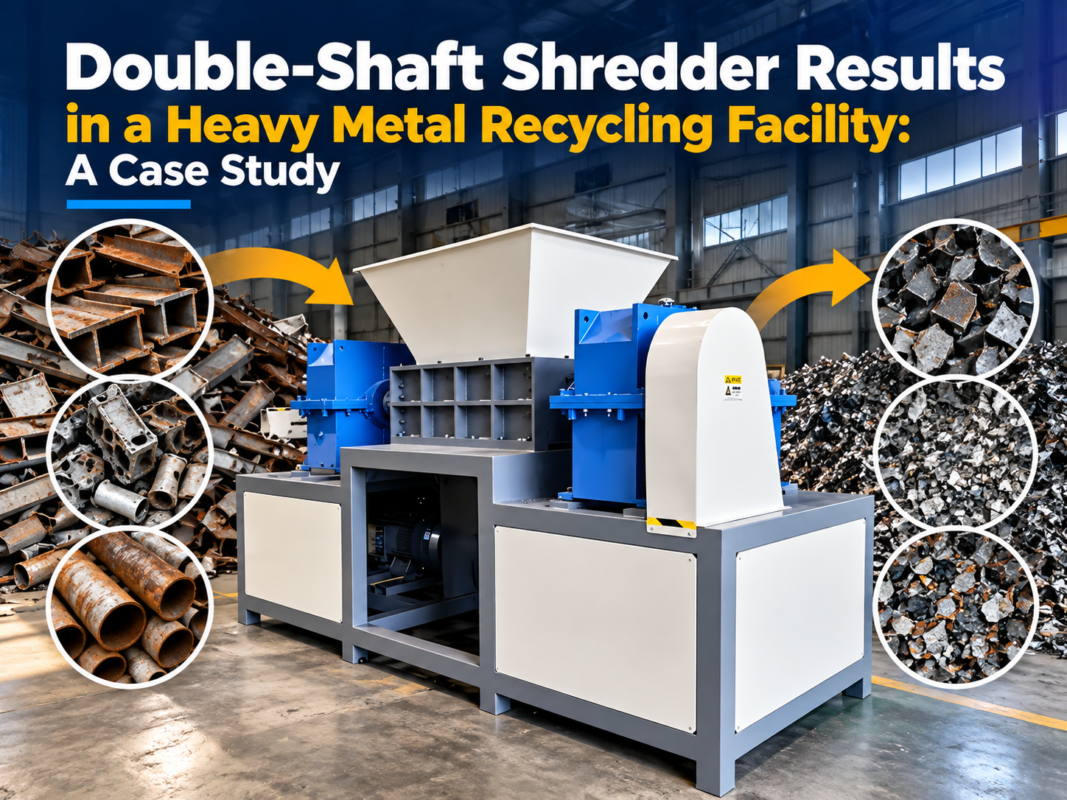
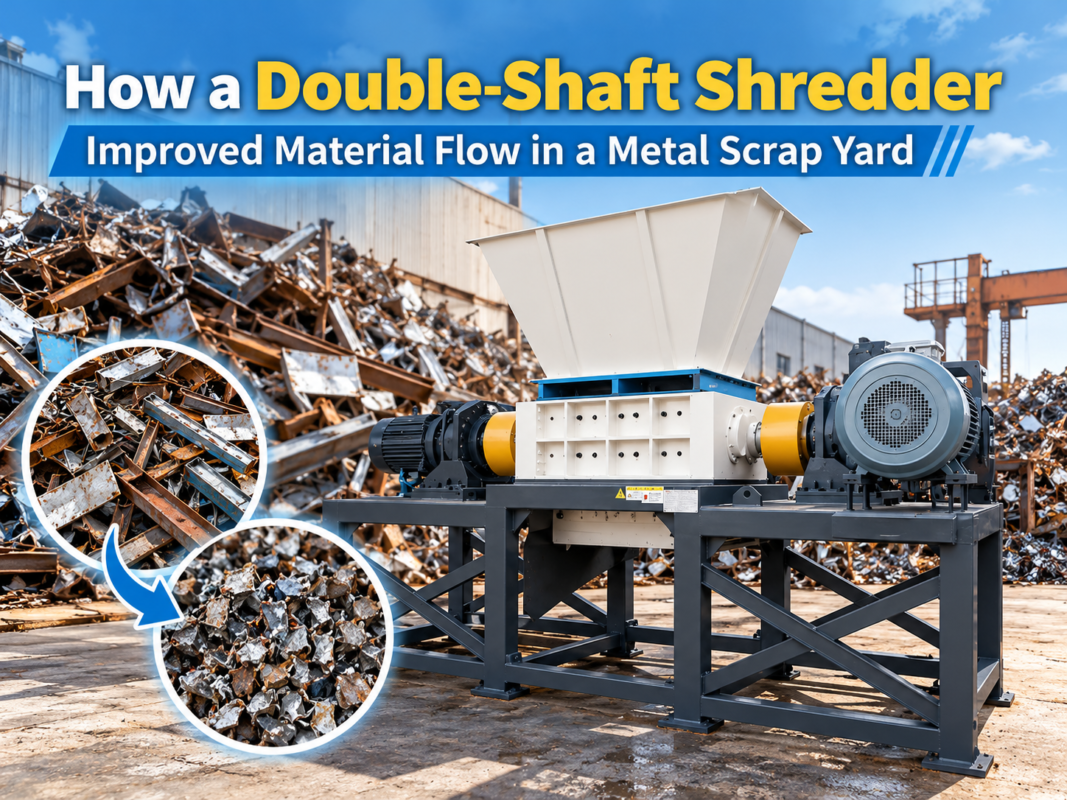
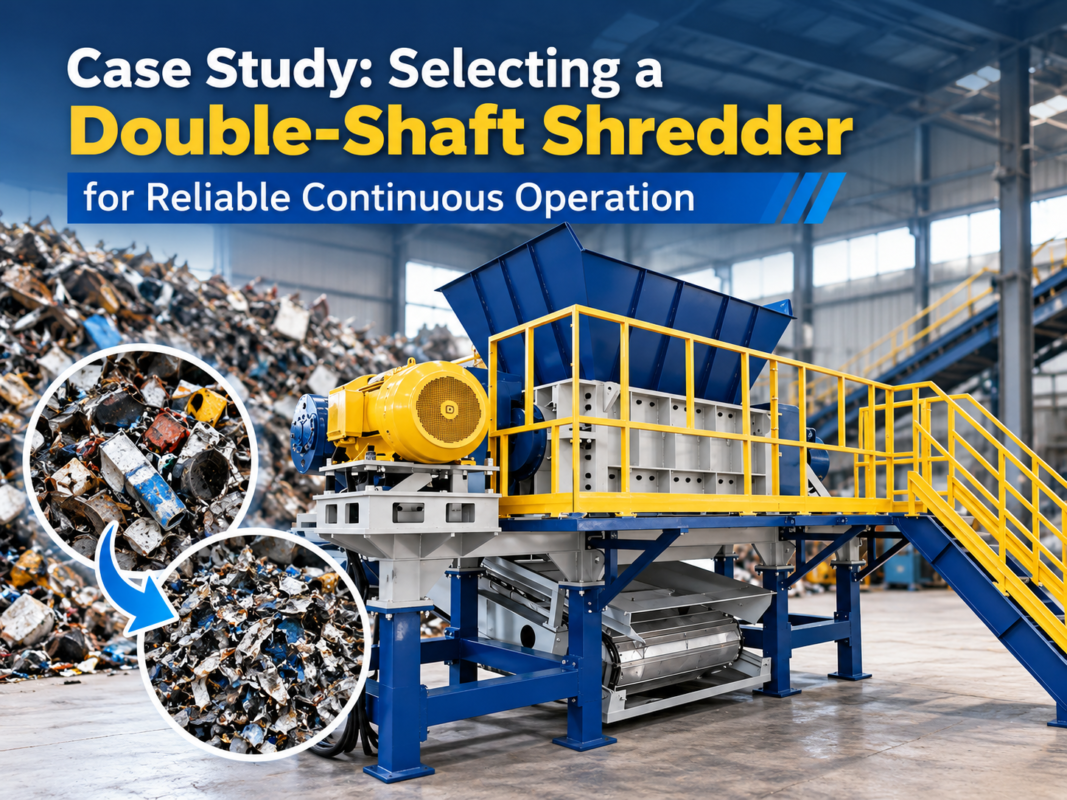
Case Study On Double-Shaft Shredder Selection For High-Resistance Materials: A HARSLE Engineering Perspective

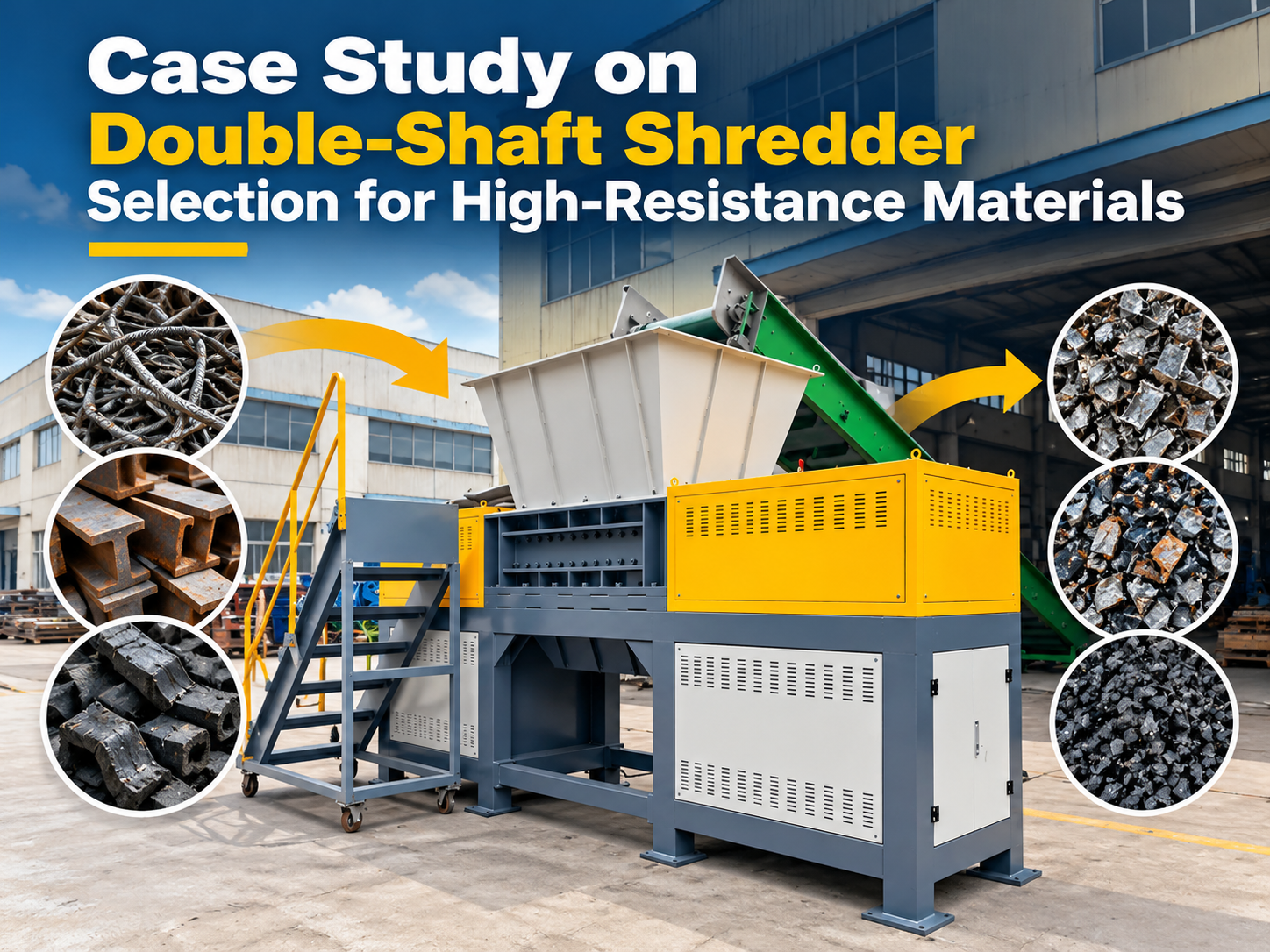
Introduction to Industrial Shredding Challenges
In the modern landscape of metal fabrication and industrial waste management, the ability to process high-resistance materials is a critical operational requirement. When dealing with hardened alloys, thick-gauge steel, or complex composite scrap, standard shredding equipment often falls short, leading to excessive downtime, blade wear, and mechanical failure. This article provides a detailed Case Study On Double-Shaft Shredder Selection For High-Resistance Materials, drawing on HARSLE’s extensive experience in engineering robust solutions for demanding environments.
The selection of a double-shaft shredder is not merely a purchase decision; it is a strategic investment in production efficiency. High-resistance materials, characterized by their high tensile strength and abrasive nature, require specific torque-to-speed ratios and metallurgical integrity in the cutting chamber. By analyzing real-world application scenarios, we aim to guide facility managers and engineers through the complex process of selecting machinery that balances throughput with longevity.
HARSLE has observed that many industrial facilities struggle with premature equipment failure due to improper shredder sizing. When a machine is under-specified for the material hardness, the motor experiences thermal overload, and the cutting shafts suffer from fatigue. This case study explores how to identify the correct specifications, evaluate material properties, and implement a shredding system that stands the test of time.
Understanding the physics of shredding is the first step toward successful implementation. High-resistance materials do not simply ‘break’; they must be sheared under immense pressure. This requires a deep dive into the interaction between the shredder’s teeth geometry, the shaft speed, and the power transmission system. Throughout this guide, we will break down these technical nuances to ensure your facility makes an informed choice.
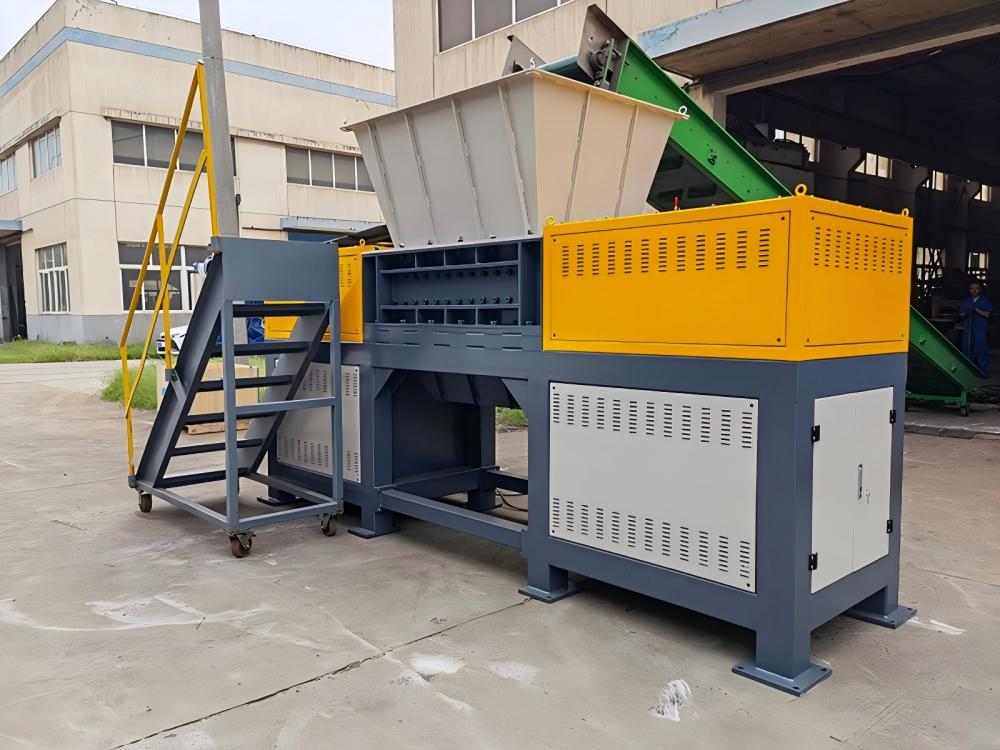
Key Considerations for High-Resistance Material Processing
When embarking on a Case Study On Double-Shaft Shredder Selection For High-Resistance Materials, the primary consideration must be the material’s physical properties. Not all metals are created equal; stainless steel, hardened tool steel, and titanium alloys present vastly different challenges compared to mild steel or aluminum. The shredder must be designed to handle the specific yield strength and ductility of the target material to prevent jamming or shaft deflection.
Torque management is the second critical factor. High-resistance materials require high-torque, low-speed operation. Unlike high-speed granulators that rely on impact, double-shaft shredders utilize a shearing action that demands consistent, high-force delivery. If the motor torque is insufficient, the shredder will stall frequently, leading to increased energy consumption and potential damage to the gearbox. HARSLE recommends evaluating the peak torque requirements during the initial material testing phase.
The cutting chamber design plays a pivotal role in material throughput. For high-resistance materials, the gap between the blades and the distance between the shafts must be precisely calibrated. If the gap is too wide, the material may pass through without being shredded; if it is too narrow, the machine may experience excessive strain. Our case studies indicate that modular cutting chambers, which allow for blade configuration adjustments, offer the best return on investment for facilities processing a variety of scrap types.
Environmental factors and operational duty cycles also influence selection. Is the shredder operating in a continuous 24/7 production line, or is it used for batch processing? High-resistance materials generate significant heat during the shearing process. Therefore, the cooling system for the hydraulic or electric drive must be robust enough to prevent thermal degradation of the components. Proper ventilation and lubrication systems are non-negotiable for long-term reliability.
Technical Details of HARSLE Shredder Engineering
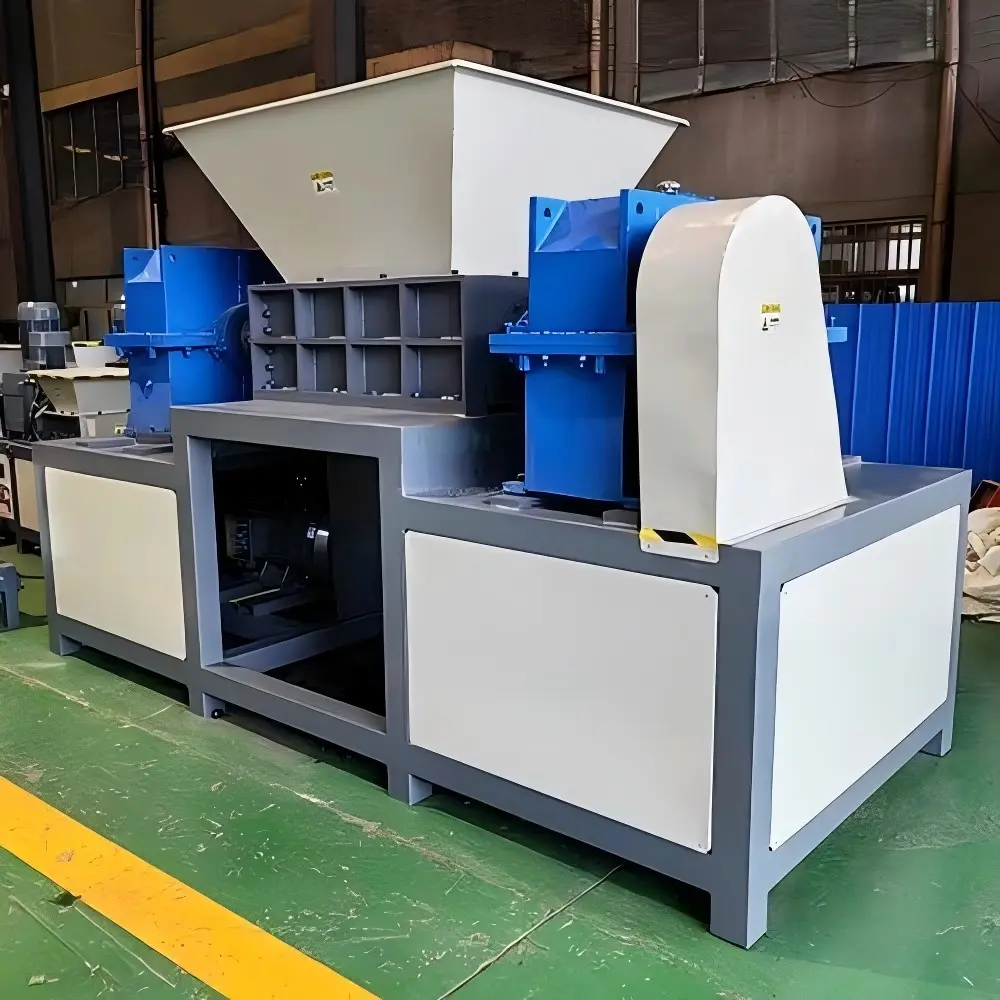
The engineering behind a high-performance double-shaft shredder involves a sophisticated integration of metallurgy and mechanical design. At the heart of the HARSLE shredder is the cutting shaft, typically forged from high-alloy steel and heat-treated to achieve the perfect balance between hardness and toughness. This ensures that the blades can withstand the impact of high-resistance materials without chipping or cracking under pressure.
The drive system is another area where technical precision is paramount. HARSLE utilizes advanced planetary gearboxes that provide high reduction ratios, ensuring that the motor’s power is converted into the necessary shearing force. By utilizing variable frequency drives (VFDs), operators can adjust the shaft speed to match the specific resistance of the material being processed, effectively optimizing the shredding cycle and reducing energy waste.
Blade geometry is the unsung hero of the shredding process. For high-resistance materials, we often employ specialized hook designs that ‘grab’ the material and pull it into the cutting zone. The number of hooks per blade and the thickness of the blade are determined by the desired output size and the material’s hardness. A thicker blade provides more structural integrity, while a higher hook count increases the throughput rate for smaller, more uniform particles.
Safety and control systems are integrated into the machine’s architecture to protect both the operator and the equipment. Modern HARSLE shredders feature intelligent PLC (Programmable Logic Controller) systems that monitor motor current in real-time. If the system detects a potential jam—a common occurrence when processing high-resistance materials—the shredder automatically reverses the shafts to clear the obstruction before resuming operation. This ‘auto-reverse’ feature is essential for preventing downtime and protecting the drive train.
Selection Advice: Matching Machinery to Application
Selecting the right shredder requires a systematic approach. The first step is a comprehensive material analysis. We advise clients to provide samples of their most difficult-to-shred materials for bench testing. This allows our engineering team to observe how the material behaves under stress and to determine the necessary cutting force and blade configuration required for optimal results.
Consider the desired output size. If the goal is to achieve a specific particle size for downstream recycling or smelting, the shredder must be paired with an appropriate screen or sizing system. For high-resistance materials, achieving a fine output size in a single pass is often impossible without excessive wear. A two-stage process—using a primary shredder for volume reduction followed by a secondary granulator—is often the most cost-effective long-term strategy.
Evaluate the total cost of ownership (TCO) rather than just the initial purchase price. A cheaper machine may seem attractive, but if it requires frequent blade sharpening or replacement, the operational costs will quickly exceed the savings. HARSLE emphasizes the importance of ‘wear-part availability’ and ease of maintenance. A machine that is easy to service, with accessible components and modular blade assemblies, will provide a much better TCO over its operational life.
Finally, consider the integration with existing material handling systems. A shredder is only as efficient as the conveyor system feeding it and the discharge system removing the shredded material. Bottlenecks in the material flow can lead to under-utilization of the shredder. Ensure that the entire line is balanced to handle the throughput capacity of the shredder, preventing material buildup and ensuring a smooth, continuous operation.
Frequently Asked Questions (FAQ)
What is the primary difference between a single-shaft and a double-shaft shredder for metal?
A double-shaft shredder uses two counter-rotating shafts to pull and tear material, making it ideal for high-resistance, bulky, or tangled metal scrap. Single-shaft shredders typically use a rotor and a counter-blade, which is better suited for uniform, smaller-sized materials.
How often should the blades be sharpened when processing high-resistance alloys?
The frequency of sharpening depends on the hardness of the material and the volume processed. For high-resistance materials, we recommend a scheduled inspection every 500-1000 operational hours to maintain peak efficiency and prevent excessive stress on the motor.
Can a HARSLE double-shaft shredder handle mixed waste?
Yes, our shredders are designed for versatility. However, when processing mixed waste, it is important to ensure that the material does not contain non-shreddable items like large solid steel blocks or concrete, which could damage the cutting teeth.
What safety features are included to prevent motor burnout?
HARSLE shredders are equipped with PLC-based load monitoring and auto-reverse functions. If the motor current exceeds the safe threshold, the machine automatically reverses the shafts to clear the jam, preventing thermal overload.
Conclusion: Investing in Reliability
The Case Study On Double-Shaft Shredder Selection For High-Resistance Materials highlights that success in industrial shredding is a result of careful planning, precise engineering, and a deep understanding of material science. By prioritizing torque, blade metallurgy, and intelligent control systems, facilities can transform their waste management processes into efficient, value-generating operations.
HARSLE remains committed to providing the metal fabrication industry with equipment that not only meets the challenges of today but is also built to adapt to the demands of tomorrow. Whether you are processing hardened steel scrap or complex industrial alloys, our double-shaft shredders are engineered to deliver consistent performance, durability, and safety. We invite you to consult with our engineering team to discuss your specific application requirements and discover how the right shredding solution can optimize your production line.
In conclusion, the selection process should always be viewed as a partnership between the manufacturer and the end-user. By leveraging the technical insights provided in this guide, you are well-equipped to navigate the complexities of industrial shredding and make a decision that will serve your facility for years to come. Remember, the goal is not just to shred material, but to do so with maximum efficiency, minimum downtime, and the highest possible return on your investment.