How a Single-Shaft Shredder Helped Process Thick-Walled Plastic Scrap Efficiently

Introduction: The Challenge of Thick-Walled Plastic Waste
In the modern industrial landscape, the management of plastic waste has become a critical operational pillar. Specifically, thick-walled plastic scrap—such as industrial pipes, automotive components, and large containers—presents a unique set of challenges for recycling facilities. These materials are characterized by high density, extreme rigidity, and significant volume, making them difficult to handle with standard grinding or crushing equipment. This is where the implementation of advanced shredding technology becomes a game-changer for production efficiency.
Many manufacturers struggle with the bottleneck created by bulky plastic waste. When scrap accumulates, it occupies valuable floor space, increases logistics costs, and hinders the overall workflow of a metal fabrication or plastic processing plant. The transition from manual handling or inefficient shearing to automated shredding is essential for companies aiming to adopt circular economy practices. By integrating specialized machinery, businesses can transform waste into a valuable secondary raw material.
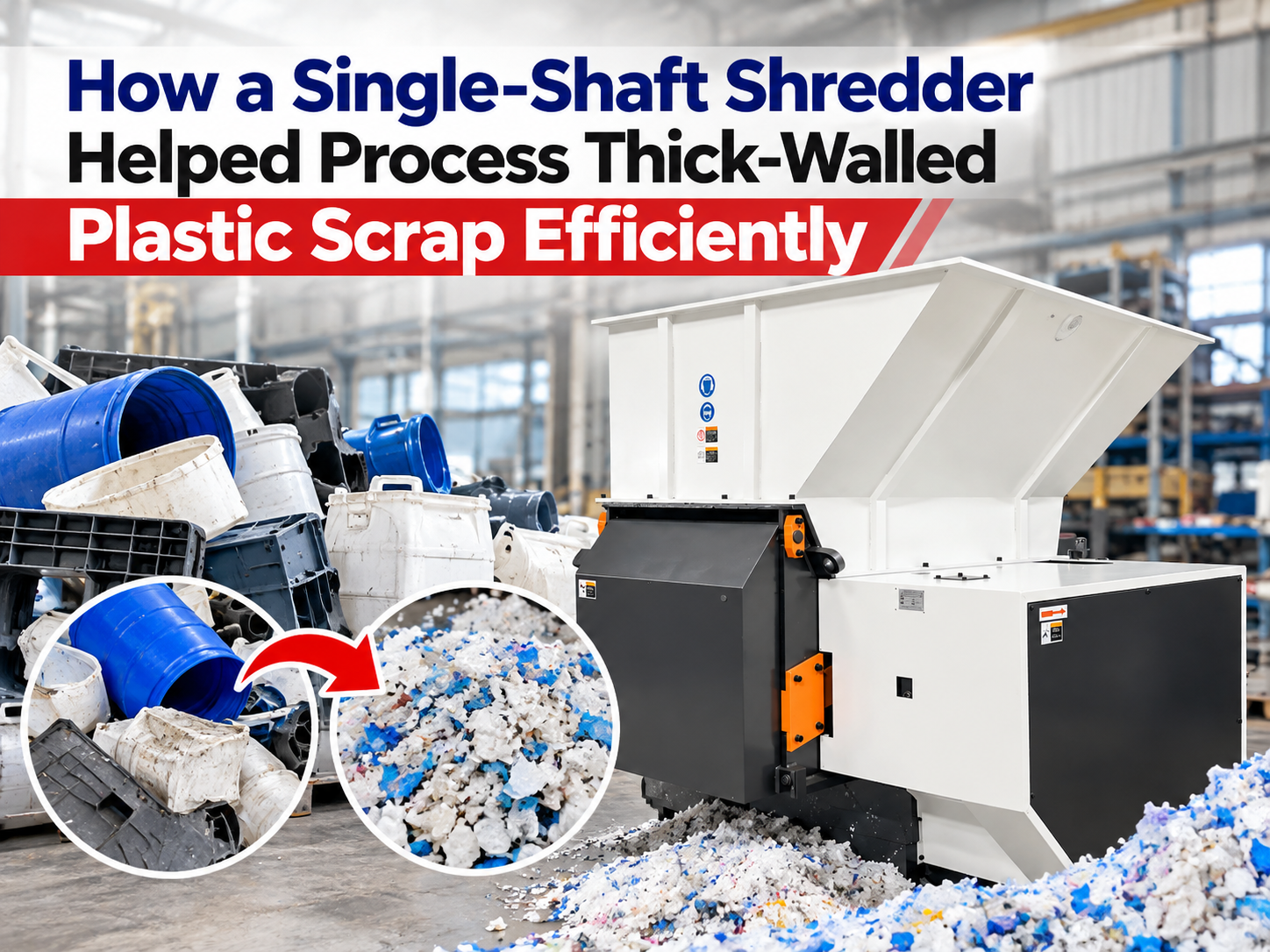
This article explores the specific scenario where a single-shaft shredder helped process thick-walled plastic scrap efficiently. We will delve into the technical mechanics, the operational benefits, and the strategic advantages of choosing the right equipment for your facility. HARSLE remains at the forefront of providing robust industrial solutions designed to withstand the rigors of heavy-duty plastic reduction.
Understanding the physics of shredding is the first step toward optimizing your recycling line. Thick-walled plastics require a specific combination of torque, blade geometry, and screen sizing to achieve a uniform output. Without the correct setup, machines may experience frequent jams, motor overheating, or excessive wear on cutting components. By analyzing how a single-shaft shredder helped process thick-walled plastic scrap efficiently, we can identify the best practices for your own industrial setup.

Key Considerations for Processing High-Density Plastic
When dealing with thick-walled plastic, the primary concern is the material’s resistance to deformation. Unlike thin films or soft plastics, thick-walled items like HDPE pipes or purge blocks require high-torque, low-speed shredding. The goal is to shear the material rather than tear it, which minimizes dust generation and heat buildup. A single-shaft shredder is uniquely suited for this task because it utilizes a hydraulic pusher system to force the material against a rotating cutter shaft.
The hydraulic pusher is a critical component in this process. It ensures that the plastic scrap is consistently fed into the cutting chamber, preventing the material from “bridging” or floating above the rotor. For thick-walled scrap, the pusher must be programmed with specific pressure settings to handle the varying density of the input material. This controlled feeding mechanism is exactly how a single-shaft shredder helped process thick-walled plastic scrap efficiently in high-volume environments.
Another key consideration is the rotor design. For thick-walled plastics, a rotor with specialized, hardened steel cutters is necessary. These cutters are often reversible, allowing for multiple cutting edges to be utilized before replacement is required. This design choice significantly reduces downtime and maintenance costs, which is a vital factor for facilities operating on a 24/7 production schedule. The geometry of the rotor also dictates the size of the final output, which is crucial for downstream processing like granulation or extrusion.
Finally, the screen size plays a decisive role in the quality of the shredded output. By selecting the correct screen aperture, operators can ensure that the plastic particles are of a uniform size, which is essential for consistent melting in plastic injection or extrusion processes. If the screen is too small, the machine may struggle with throughput; if it is too large, the output may not be suitable for further recycling. Balancing these factors is the hallmark of a well-engineered shredding system.
Technical Details: How the Single-Shaft Shredder Works
The operational efficiency of a single-shaft shredder is rooted in its robust mechanical design. At the heart of the machine is a large-diameter rotor equipped with high-strength cutting knives. As the rotor turns, these knives pass against a stationary counter-knife, creating a shearing action that is incredibly effective at cutting through thick plastic walls. This mechanical advantage is the primary reason why a single-shaft shredder helped process thick-walled plastic scrap efficiently in industrial case studies.
The drive system, typically consisting of a high-torque motor and a heavy-duty gearbox, provides the necessary force to overcome the resistance of thick plastic. Modern shredders from HARSLE incorporate intelligent control systems that monitor the load on the motor. If the shredder encounters an exceptionally tough piece of material, the system can automatically reverse the rotor to clear the obstruction, preventing damage and minimizing manual intervention.
The cutting chamber is designed for durability and ease of maintenance. The knives are typically bolted onto the rotor, allowing for quick replacement or rotation. Furthermore, the chamber is lined with wear-resistant plates that protect the main housing from the abrasive nature of plastic scrap. This modular design ensures that even if individual components wear out, the entire machine does not need to be replaced, extending the lifecycle of the equipment significantly.
Integration with auxiliary equipment is another technical strength. Many shredding lines include conveyor belts for automated feeding and magnetic separators to remove any metallic contaminants that might have been embedded in the plastic scrap. This holistic approach ensures that the output is clean and ready for immediate reuse, maximizing the return on investment for the facility. The synergy between the shredder and the rest of the production line is a key factor in overall operational success.

Selection Advice: Choosing the Right Equipment
Selecting the right shredder requires a thorough assessment of your specific waste stream. Not all plastic is created equal, and the shredder must be matched to the material’s hardness, volume, and throughput requirements. Before purchasing, conduct a material analysis to determine the density and potential contaminants in your scrap. This information will guide the selection of motor power, rotor speed, and knife material.
Consider the throughput capacity of your facility. If you are processing several tons of plastic per hour, you will need a machine with a larger hopper and a more powerful drive system. Conversely, for smaller operations, a compact shredder may provide the necessary efficiency without the high energy consumption of a larger unit. HARSLE offers a range of models, and our technical team can assist in sizing the machine to meet your specific production targets.
Maintenance accessibility is another critical factor. Look for machines that offer easy access to the cutting chamber and the screen. A shredder that requires hours of disassembly for routine knife changes will negatively impact your bottom line. Prioritize equipment with user-friendly interfaces and clear diagnostic tools that alert operators to maintenance needs before a failure occurs. This proactive approach is essential for maintaining high uptime.
Finally, consider the long-term support provided by the manufacturer. Industrial shredders are significant investments, and you need a partner who provides reliable spare parts, technical training, and responsive customer service. When you choose a HARSLE machine, you are not just buying hardware; you are gaining access to a wealth of expertise in metal fabrication and industrial processing. Our commitment to quality ensures that your investment continues to deliver value for years to come.
FAQ: Common Questions About Plastic Shredding
Why is a single-shaft shredder better than a double-shaft shredder for thick plastic?
While double-shaft shredders are excellent for high-volume, low-density material, single-shaft shredders offer superior control over particle size. For thick-walled plastic, the single-shaft design provides a more precise shearing action, resulting in a uniform output that is easier to process in downstream equipment.
How often should the knives be sharpened or replaced?
The frequency of knife maintenance depends on the abrasiveness of the plastic and the daily throughput. Generally, high-quality knives can be rotated several times before needing a full sharpening. Regular inspections are recommended to ensure the cutting edges remain sharp, which reduces energy consumption and mechanical stress.
Can a single-shaft shredder handle metal contaminants?
While these machines are designed for plastic, they can handle minor metallic contaminants. However, it is highly recommended to use a magnetic separator or metal detector upstream to prevent damage to the knives. Large metal objects can cause significant wear or catastrophic failure of the cutting system.
What is the typical energy consumption of these machines?
Energy consumption varies based on the motor size and the load. Modern shredders are designed for high efficiency, often utilizing variable frequency drives (VFDs) to optimize power usage based on the actual shredding load. This helps in reducing operational costs significantly.
Conclusion: Optimizing Your Recycling Workflow
The case for implementing advanced shredding technology is clear. By understanding how a single-shaft shredder helped process thick-walled plastic scrap efficiently, businesses can identify the path to greater sustainability and profitability. These machines are not merely tools; they are essential components of a modern, efficient production line that values resource recovery and waste reduction.
HARSLE is dedicated to providing the industrial machinery necessary to tackle the most challenging waste management tasks. Our single-shaft shredders combine robust engineering with intelligent design, ensuring that your facility can handle thick-walled plastic scrap with ease. Whether you are looking to reduce disposal costs, create high-quality recycled pellets, or simply clear your warehouse floor, we have the solution for you.
Investing in the right equipment is the first step toward a more efficient future. We encourage you to reach out to our technical team to discuss your specific requirements and learn how our shredding solutions can be integrated into your existing operations. Together, we can turn your plastic waste into a valuable asset, proving that industrial efficiency and environmental responsibility go hand in hand.
As you move forward with your equipment selection, remember that the success of your recycling program depends on the reliability of your machinery. Choose HARSLE for equipment that is built to last, designed to perform, and backed by industry-leading support. Let us help you achieve your production goals and set a new standard for efficiency in your facility.