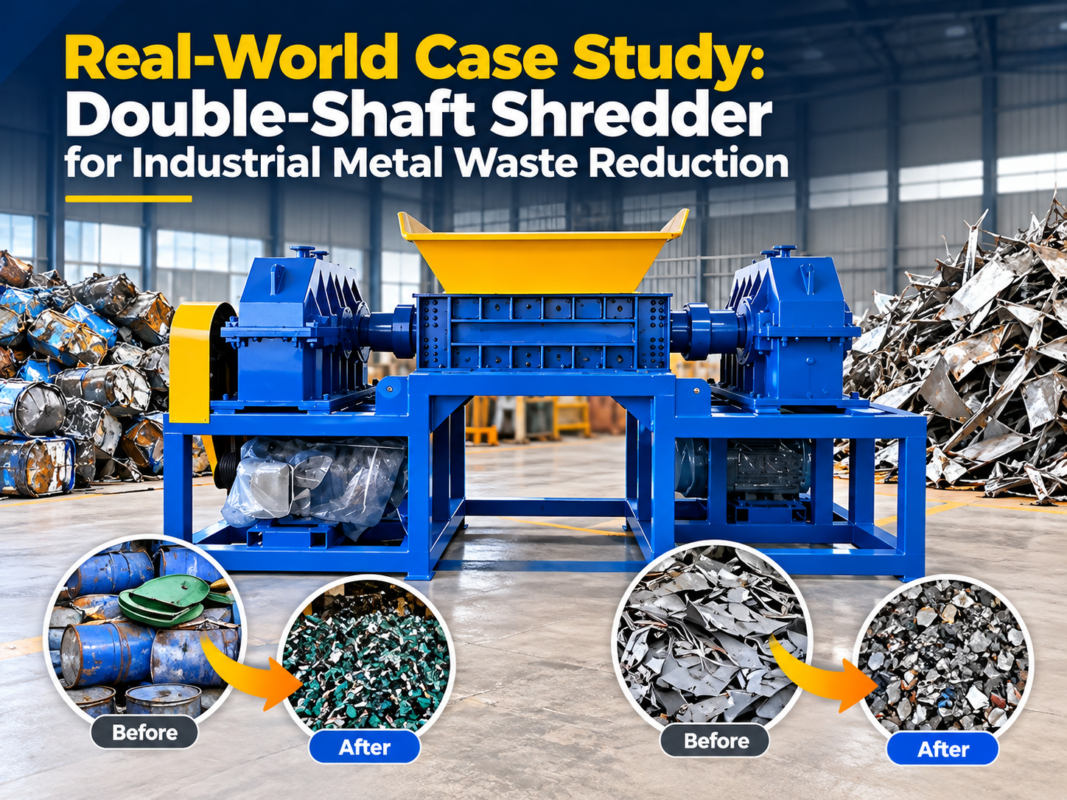
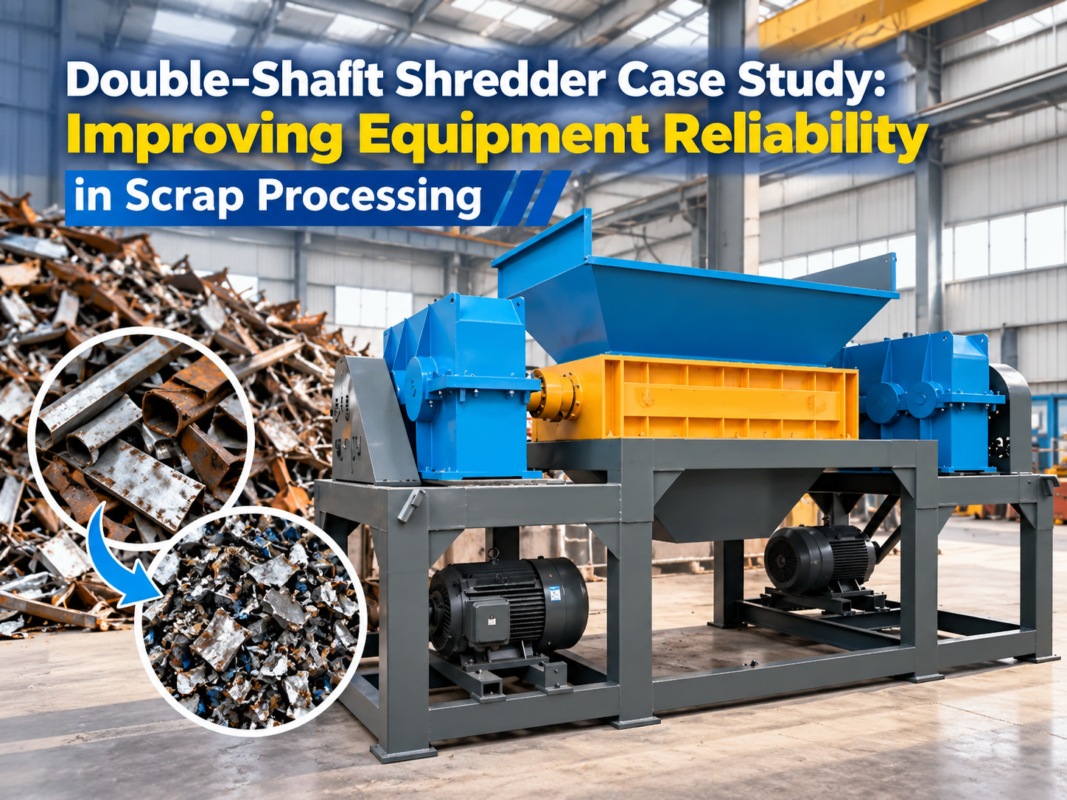
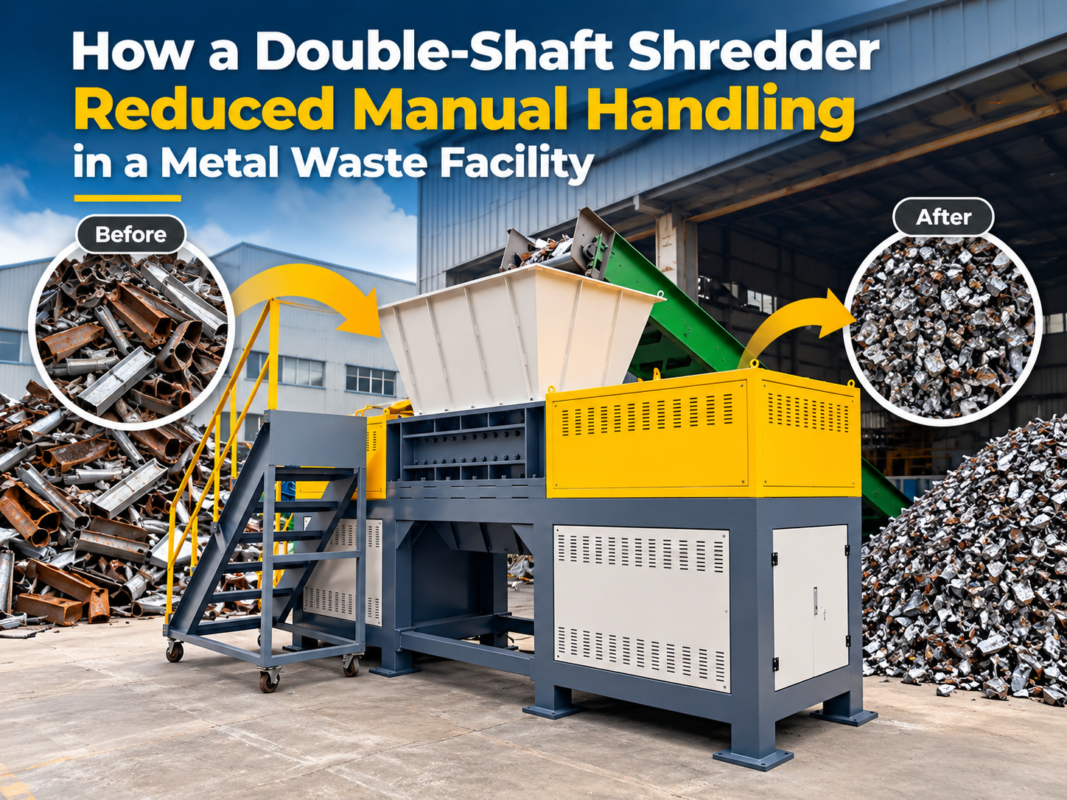
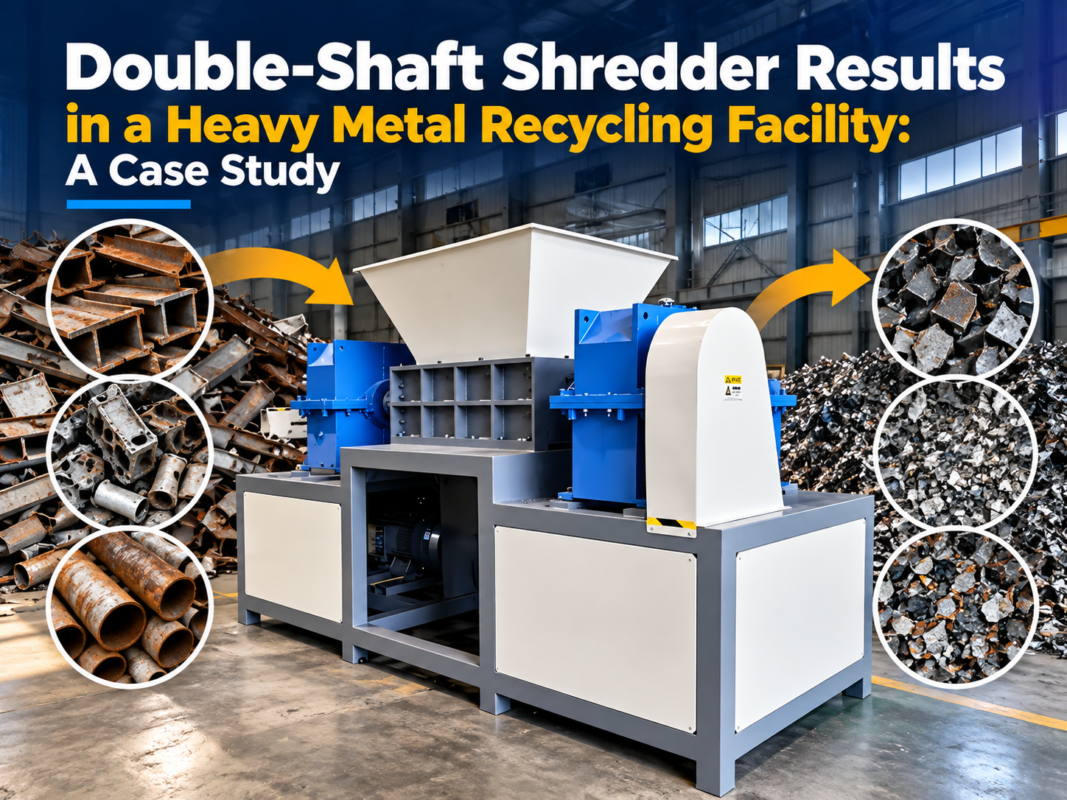
Alligator Shear Case Study: Boosting Throughput In A Busy Recycling Facility

Introduction
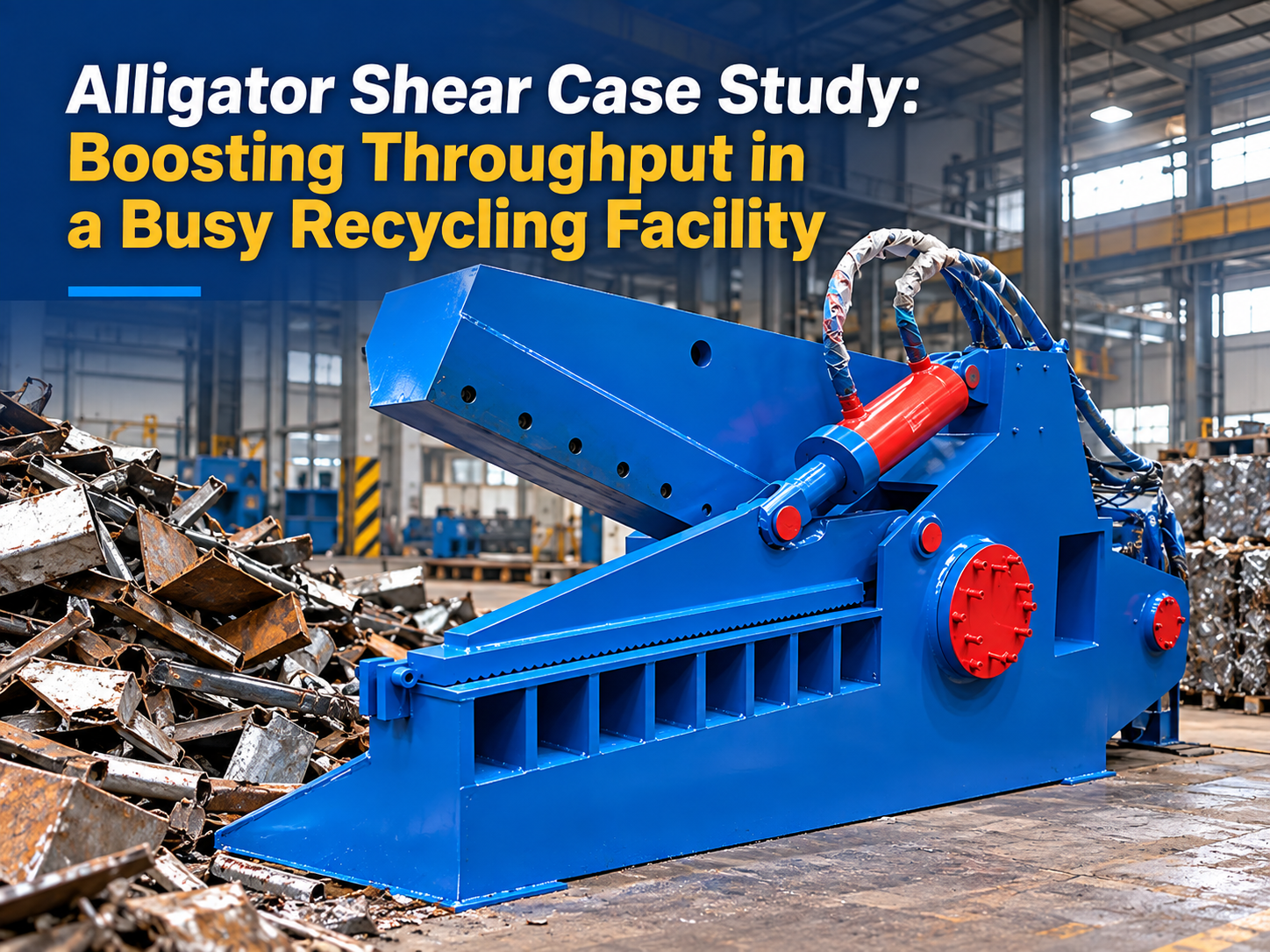
In the high-stakes world of industrial metal recycling, efficiency is the primary driver of profitability. Facilities processing thousands of tons of scrap metal annually face constant pressure to reduce downtime, minimize labor costs, and maximize the density of their output. This Alligator Shear Case Study: Boosting Throughput In A Busy Recycling Facility explores how a mid-sized scrap yard integrated HARSLE hydraulic alligator shears to revolutionize their operational workflow.
The facility in question, located in a high-traffic industrial zone, was struggling with bottlenecks in their non-ferrous and ferrous processing lines. Their manual cutting methods were not only labor-intensive but also created significant safety hazards and inconsistent material sizing. By transitioning to automated, high-force hydraulic shearing, the facility was able to streamline their sorting and baling processes, ultimately increasing their daily throughput by over 40%.
HARSLE has long been a leader in metal fabrication equipment, providing robust solutions for scrap yards worldwide. This article delves into the technical specifications, operational advantages, and strategic implementation of these machines. We will examine how the right equipment choice can turn a stagnant recycling operation into a high-performance processing powerhouse.
Understanding the role of an alligator shear requires looking beyond the basic cutting action. It is about the integration of force, speed, and durability. As we analyze this case study, we will highlight the specific challenges faced by the facility and how HARSLE’s engineering solutions addressed them directly, providing a blueprint for other recycling businesses looking to scale their operations.
Key Considerations for High-Volume Recycling
When evaluating the needs of a busy recycling facility, the first consideration is material diversity. A facility rarely processes just one type of metal; they handle everything from copper piping and aluminum extrusions to heavy steel rebar and structural beams. The equipment must be versatile enough to handle varying thicknesses and hardness levels without requiring constant blade adjustments or maintenance downtime.
Operational safety is the second critical factor. Traditional manual cutting methods, such as torch cutting or manual shears, expose workers to extreme heat, toxic fumes, and the physical strain of repetitive motion. An industrial alligator shear provides a controlled, enclosed cutting environment that significantly reduces the risk of workplace injuries. This shift not only protects the workforce but also lowers insurance premiums and reduces the likelihood of costly operational shutdowns.
Throughput consistency is the third pillar of a successful recycling operation. In a busy facility, the shear is often the heart of the production line. If the shear fails, the entire downstream process—including baling, sorting, and shipping—comes to a halt. Therefore, reliability and ease of maintenance are paramount. HARSLE machines are designed with modular components, allowing for quick blade changes and routine servicing, ensuring that the machine remains operational during peak hours.
Finally, the economic impact of material density cannot be overstated. By shearing scrap into uniform, manageable sizes, facilities can maximize the capacity of their shipping containers. This reduces transportation costs significantly, as shipping “air” in a loosely packed container is one of the most common profit-killers in the recycling industry. A high-quality alligator shear ensures that every load is optimized for weight and volume.
Technical Details of HARSLE Alligator Shears
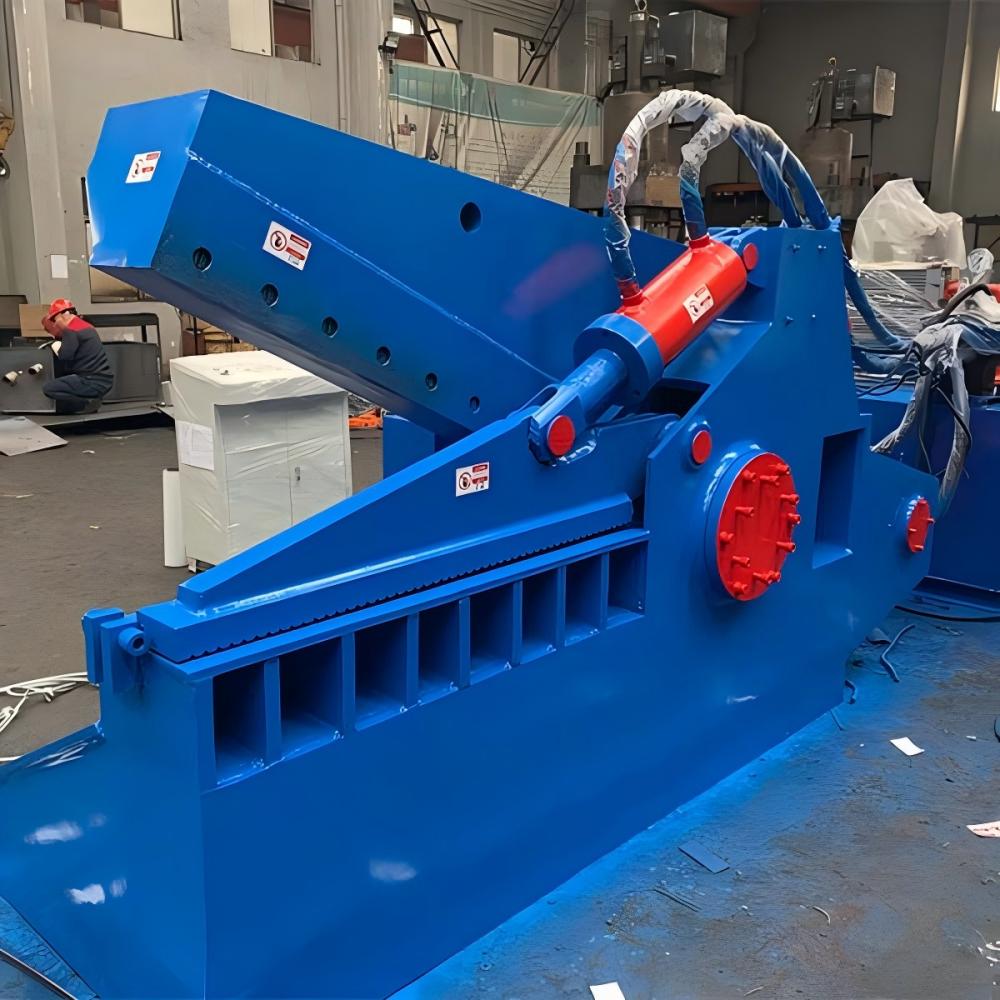
HARSLE alligator shears are engineered with a focus on hydraulic efficiency and structural integrity. The core of the machine is a high-pressure hydraulic cylinder that drives the upper blade with immense force. Unlike mechanical shears, which rely on flywheels and clutches, hydraulic systems offer superior control, allowing the operator to stop or reverse the blade mid-stroke if necessary, which is a vital safety feature when dealing with unpredictable scrap materials.
The frame of the HARSLE shear is constructed from heavy-duty, stress-relieved steel plate. This rigidity is essential for maintaining blade alignment under extreme pressure. If the frame flexes during a cut, the blades can gap, leading to poor cutting performance and premature wear. HARSLE’s design ensures that the shearing action remains precise, even when processing hardened steel or thick-walled pipes.
Another technical advantage is the adjustable blade gap. Different metals require different clearances to achieve a clean shear. HARSLE shears allow operators to fine-tune this gap, which extends the life of the blades and ensures that the cut is clean, minimizing the need for secondary processing. The blades themselves are manufactured from high-carbon, high-chromium tool steel, heat-treated to withstand the abrasive nature of recycled metals.
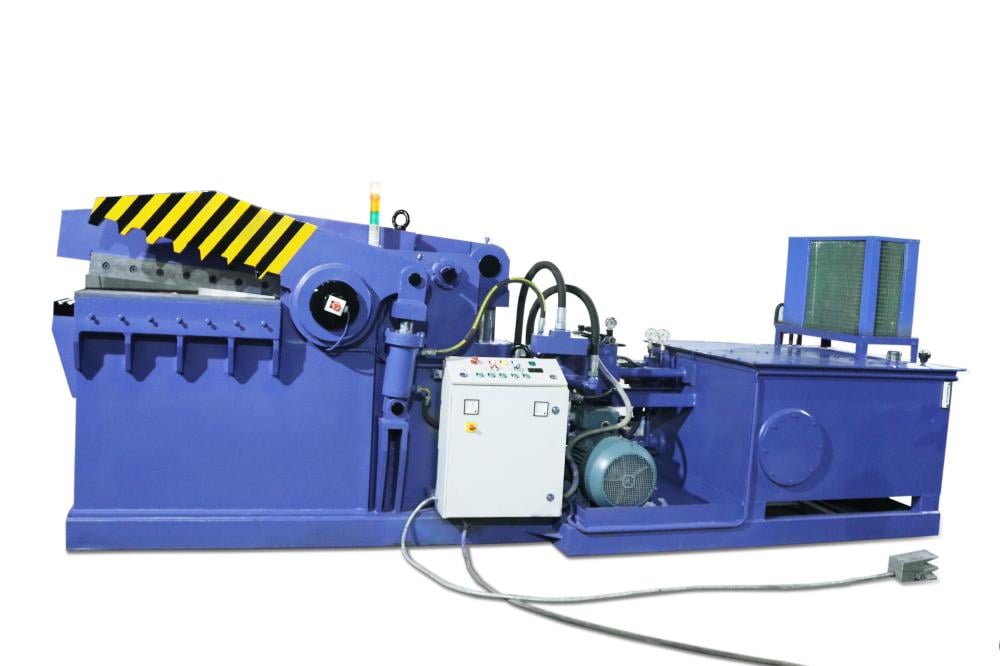
The hydraulic power unit (HPU) is the brain of the operation. HARSLE utilizes energy-efficient motors that provide high torque at lower speeds, reducing energy consumption while maintaining high cutting frequencies. The integration of advanced PLC (Programmable Logic Controller) systems allows for automated cycle times, enabling the operator to focus on feeding the machine rather than manually triggering every cut. This automation is a key factor in the throughput gains observed in our case study.
Selection Advice: Choosing the Right Shear
Selecting the right alligator shear for your facility involves a careful assessment of your current and future material streams. Start by analyzing the maximum thickness and tensile strength of the materials you process most frequently. If your facility primarily handles light-gauge aluminum, a smaller, faster machine may be appropriate. However, if you are processing heavy structural steel, you will need a machine with a larger jaw opening and higher tonnage.
Consider the power source and space constraints of your facility. HARSLE offers various configurations, including electric-hydraulic and diesel-powered models for remote sites. Ensure that your facility’s electrical infrastructure can support the motor requirements of the shear. Additionally, consider the footprint of the machine. An alligator shear should be positioned to allow for efficient material flow, with enough space for in-feed conveyors and out-feed bins.
Maintenance support is another crucial selection criterion. When purchasing industrial machinery, you are not just buying a piece of equipment; you are entering a partnership with the manufacturer. HARSLE provides comprehensive documentation, spare parts availability, and technical support to ensure that your machine remains in peak condition. Always ask about the availability of replacement blades and hydraulic seals, as these are the most common wear items.
Finally, look for ergonomic features that improve operator comfort. A machine that is easy to operate will lead to higher productivity. Features like foot-pedal controls, adjustable work tables, and clear sightlines to the cutting zone are essential. In our case study, the facility chose a model with an extended in-feed table, which allowed for safer handling of long materials and reduced the physical burden on the operators, leading to a more consistent pace throughout the shift.
FAQ: Alligator Shear Operations
What is the primary advantage of a hydraulic alligator shear over a mechanical one?
Hydraulic alligator shears offer superior control, safety, and power. The ability to stop or reverse the blade mid-stroke is a critical safety feature, and the hydraulic system provides consistent force regardless of the material thickness, whereas mechanical shears can struggle with varying loads.
How often should I replace the blades on my HARSLE shear?
Blade life depends on the type of material processed and the volume of work. However, by maintaining the correct blade gap and ensuring the material is properly positioned, you can significantly extend blade life. HARSLE blades are reversible, effectively doubling their lifespan before needing a professional regrind or replacement.
Can an alligator shear process non-ferrous metals like copper and aluminum?
Yes, alligator shears are excellent for processing non-ferrous metals. They provide clean, precise cuts that are ideal for sorting and high-value recovery. The adjustable settings allow for the delicate handling of copper tubing as well as the aggressive shearing of aluminum extrusions.
What maintenance is required to keep the shear running efficiently?
Routine maintenance includes checking hydraulic fluid levels, inspecting hoses for leaks, cleaning the blade area of debris, and ensuring that all moving parts are properly lubricated. Following the HARSLE maintenance schedule will prevent unexpected downtime and extend the life of your equipment.
Conclusion
The Alligator Shear Case Study: Boosting Throughput In A Busy Recycling Facility demonstrates that the right equipment is the difference between a struggling operation and a thriving business. By investing in HARSLE hydraulic alligator shears, the facility was able to overcome the limitations of manual processing, improve safety, and significantly increase their output density. The transition to automated, high-force shearing is not just an upgrade; it is a strategic move toward long-term profitability in the competitive metal recycling market.
As we have explored, the success of this implementation relied on selecting the right machine for the specific material stream, prioritizing operator safety, and committing to a rigorous maintenance schedule. HARSLE’s commitment to quality and engineering excellence provides recycling facilities with the tools they need to meet the demands of modern industry. Whether you are a small scrap yard or a large-scale processing center, the principles outlined in this case study remain the same: efficiency, reliability, and precision are the keys to success.
If you are looking to optimize your recycling facility, consider the impact that a HARSLE alligator shear could have on your bottom line. With the right equipment, you can transform your scrap processing workflow, reduce labor costs, and maximize the value of every ton of metal you handle. Contact HARSLE today to learn more about our range of industrial shearing solutions and how we can help you achieve your throughput goals.