How a Fabrication Company Improved Workflow with a Continuous Horizontal Baler

Introduction: The Hidden Cost of Scrap in Metal Fabrication
In the high-stakes world of modern metal fabrication, efficiency is measured not just by the precision of a press brake or the speed of a laser cutter, but by how effectively a facility manages its byproduct. For many shops, scrap metal accumulation is a silent profit killer. It clutters the floor, creates safety hazards, and consumes valuable square footage that could be utilized for production. This article explores how a fabrication company improved workflow with a continuous horizontal baler, transforming a logistical nightmare into a streamlined, revenue-generating process.
When a fabrication shop scales its operations, the volume of offcuts, shavings, and sheet metal remnants grows exponentially. Without an automated system, employees spend hours manually handling, sorting, and transporting waste to bins. This manual labor is not only costly but also diverts skilled technicians from high-value tasks. By integrating a continuous horizontal baler, companies can automate the compaction process, ensuring that the shop floor remains clear and that scrap is ready for immediate transport to recycling facilities.
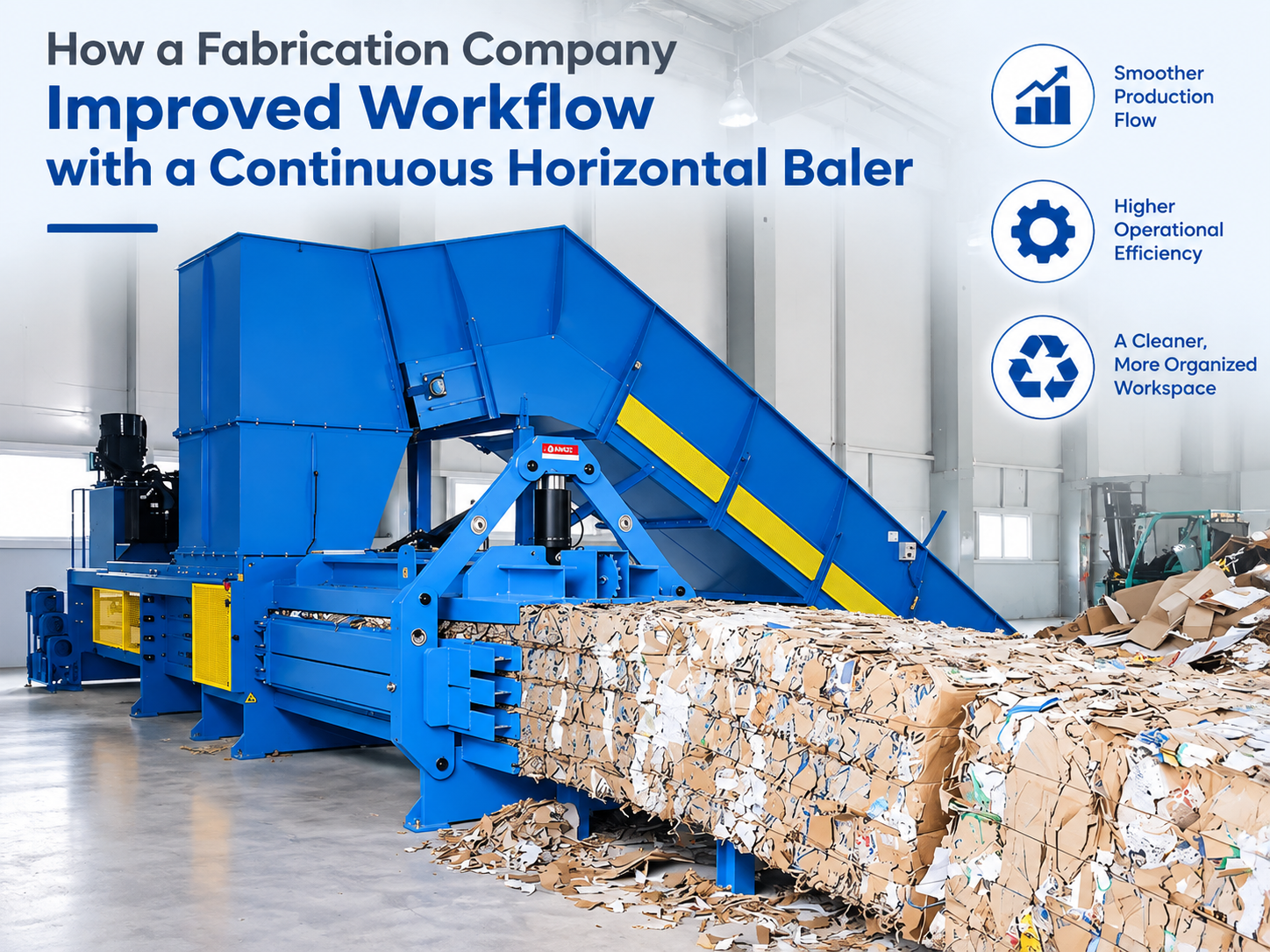
The transition to automated baling is more than just a waste management upgrade; it is a strategic workflow overhaul. A continuous horizontal baler allows for non-stop feeding, meaning the machine works in tandem with the production line. As the fabrication equipment produces scrap, the baler processes it into dense, uniform bales. This synchronization is the key to unlocking hidden productivity in any metal fabrication environment.
In this guide, we will delve into the technical specifications, operational advantages, and strategic considerations for implementing this technology. Whether you are a small job shop or a large-scale manufacturing plant, understanding how to leverage a continuous horizontal baler is essential for maintaining a competitive edge in today’s industrial landscape.
Key Considerations for Workflow Optimization
Before investing in a continuous horizontal baler, it is critical to analyze the current bottlenecks in your facility. Workflow optimization is not just about buying a machine; it is about understanding the flow of materials from the raw sheet metal stage to the final product and, eventually, the scrap bin. A fabrication company improved workflow with a continuous horizontal baler by first mapping out their material handling paths and identifying where manual labor was causing delays.
Space utilization is a primary consideration. In many fabrication shops, floor space is at a premium. A continuous horizontal baler is designed to be compact yet powerful, often replacing multiple smaller, inefficient bins that clutter the production area. By centralizing the scrap collection point, companies can reclaim floor space for additional machinery or assembly stations, directly impacting the bottom line.
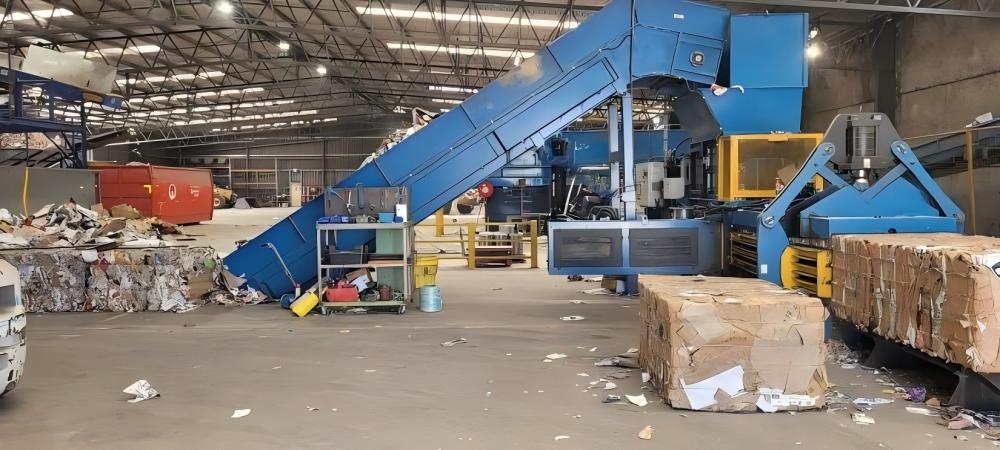
Safety is another critical factor. Loose scrap metal is a major cause of workplace injuries, including lacerations and trips. By automating the compaction process, the amount of loose material on the floor is drastically reduced. A continuous horizontal baler keeps the scrap contained within the system, creating a cleaner, safer environment for employees. This reduction in safety incidents leads to lower insurance premiums and higher employee morale.
Finally, consider the financial impact of scrap management. Unprocessed scrap is often sold at a lower rate because it is bulky and difficult to transport. By compressing scrap into dense, uniform bales, fabrication companies can significantly increase the value of their waste. Recycling centers prefer baled material because it is easier to handle and process, allowing the fabrication shop to negotiate better pricing for their scrap output.
Technical Details of Continuous Horizontal Balers
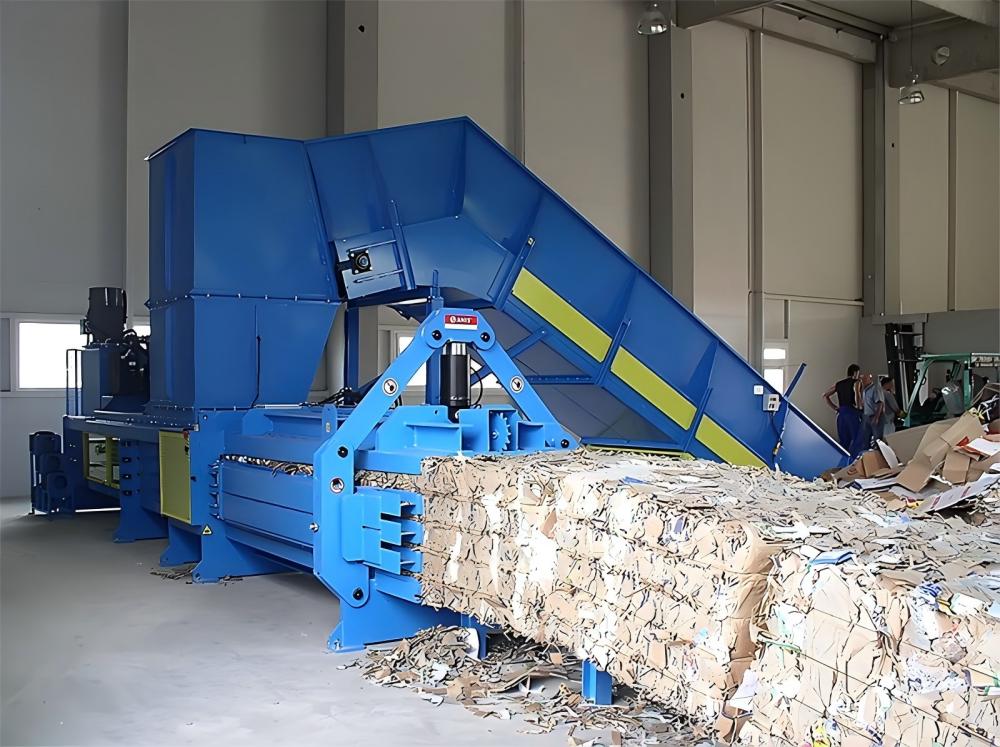
The technical superiority of a continuous horizontal baler lies in its design and automation capabilities. Unlike vertical balers that require manual loading and frequent stopping, a continuous horizontal baler features an automated feed system, often utilizing a conveyor belt or a hopper. This allows the machine to operate continuously, matching the output speed of the fabrication equipment.
The hydraulic system is the heart of the baler. HARSLE-engineered balers utilize high-pressure hydraulic cylinders to exert massive force on the material. This force is essential for achieving the high density required for efficient transport. The compression chamber is designed to handle various types of metal, from thin aluminum shavings to heavy steel offcuts, ensuring versatility across different fabrication projects.
Automation features, such as photo-eye sensors, detect when material is present in the feed chute and automatically trigger the compaction cycle. This means the machine only runs when necessary, saving energy and reducing wear and tear on the components. Advanced control panels allow operators to monitor the status of the baler, adjust compression settings, and receive maintenance alerts in real-time.
Durability is paramount in an industrial setting. These machines are constructed with heavy-duty steel frames and wear-resistant liners to withstand the abrasive nature of metal scrap. The shear blades, which cut off excess material during the compaction cycle, are made from hardened tool steel, ensuring long-lasting performance even when processing tough alloys. Regular maintenance of these components is essential for consistent operation.
Selection Advice: Choosing the Right Equipment
Selecting the right continuous horizontal baler requires a thorough assessment of your shop’s specific needs. Start by calculating your daily or weekly scrap volume. A machine that is too small will become a bottleneck, while one that is too large may be an unnecessary capital expense. Look for a manufacturer that offers a range of models with varying throughput capacities to find the perfect fit for your production volume.
Consider the material type you are processing. If your shop primarily handles stainless steel or high-strength alloys, you will need a baler with higher compaction force compared to a shop that works mostly with aluminum or mild steel. Discuss your material specifications with the manufacturer to ensure the baler’s shear force and chamber dimensions are appropriate for your specific scrap profile.
Integration capabilities are also vital. Can the baler be easily connected to your existing conveyor systems? Does it require specialized electrical infrastructure? A reputable manufacturer like HARSLE will provide comprehensive installation support and can help design a layout that maximizes the efficiency of your entire production line. Do not overlook the importance of after-sales support, including the availability of spare parts and technical training for your staff.
Finally, evaluate the total cost of ownership. This includes not just the initial purchase price, but also energy consumption, maintenance requirements, and the expected lifespan of the machine. A high-quality, reliable baler may have a higher upfront cost but will offer a better return on investment through reduced labor costs, increased scrap value, and minimal downtime over the long term.
Maintenance and Operational Best Practices
To ensure your continuous horizontal baler remains a reliable asset, a proactive maintenance schedule is essential. Daily inspections should include checking hydraulic fluid levels, inspecting the feed conveyor for obstructions, and ensuring the safety sensors are functioning correctly. Keeping the area around the baler clean and free of debris will prevent mechanical issues and extend the life of the machine.
Weekly maintenance should involve a more thorough check of the shear blades and the compression chamber. If the blades become dull, the baler will struggle to cut through the material, putting unnecessary strain on the hydraulic system. Sharpening or replacing these blades on a regular basis is a simple task that prevents major repairs down the line. Additionally, lubricate all moving parts according to the manufacturer’s recommendations.
Training your staff is equally important. Operators should be well-versed in the safe operation of the baler, including emergency stop procedures and proper loading techniques. When employees understand how the machine works and why it is important to keep it running smoothly, they are more likely to take ownership of its maintenance and report potential issues before they become critical failures.
Keep a detailed log of all maintenance activities. This documentation is invaluable for tracking the performance of the machine and can help identify patterns that might indicate a need for adjustments or upgrades. By treating the baler as a critical piece of production equipment rather than just a waste bin, you ensure that it continues to contribute to your company’s efficiency for years to come.
FAQ: Common Questions About Horizontal Balers
- What is the primary benefit of a continuous horizontal baler? The primary benefit is the automation of scrap handling, which reduces labor costs, improves shop floor safety, and increases the market value of your scrap metal.
- How does a continuous baler differ from a vertical baler? A continuous horizontal baler is designed for high-volume, automated processing, whereas a vertical baler is typically manual and intended for lower-volume applications.
- Can a horizontal baler handle all types of metal? Most horizontal balers are versatile, but it is important to match the machine’s compaction force and shear capacity to the specific hardness and thickness of the metals you process.
- How much space does a horizontal baler require? While they are industrial machines, modern horizontal balers are designed to be space-efficient. However, you must account for the footprint of the machine plus the space needed for loading and bale removal.
- Is it difficult to maintain a continuous horizontal baler? With a regular maintenance schedule and proper operator training, maintenance is straightforward. HARSLE provides detailed manuals and support to assist with routine care.
Conclusion: Transforming Your Fabrication Workflow
The journey of how a fabrication company improved workflow with a continuous horizontal baler serves as a blueprint for any shop looking to modernize its operations. By shifting from manual, reactive waste management to an automated, proactive system, fabrication companies can achieve significant gains in productivity, safety, and profitability. The continuous horizontal baler is not merely an accessory; it is a core component of a lean, efficient manufacturing environment.
As the metal fabrication industry continues to evolve, the ability to manage resources—including scrap—will become an increasingly important differentiator. Companies that invest in the right technology today will be better positioned to handle the demands of tomorrow. By carefully selecting the right equipment, maintaining it with diligence, and integrating it into the broader production workflow, you can turn your scrap management process into a competitive advantage.
If you are ready to take the next step in optimizing your fabrication facility, consider the range of industrial solutions offered by HARSLE. With a commitment to quality, innovation, and customer support, we are here to help you streamline your operations and achieve your production goals. Contact our team today to learn more about how our horizontal balers can transform your shop floor.