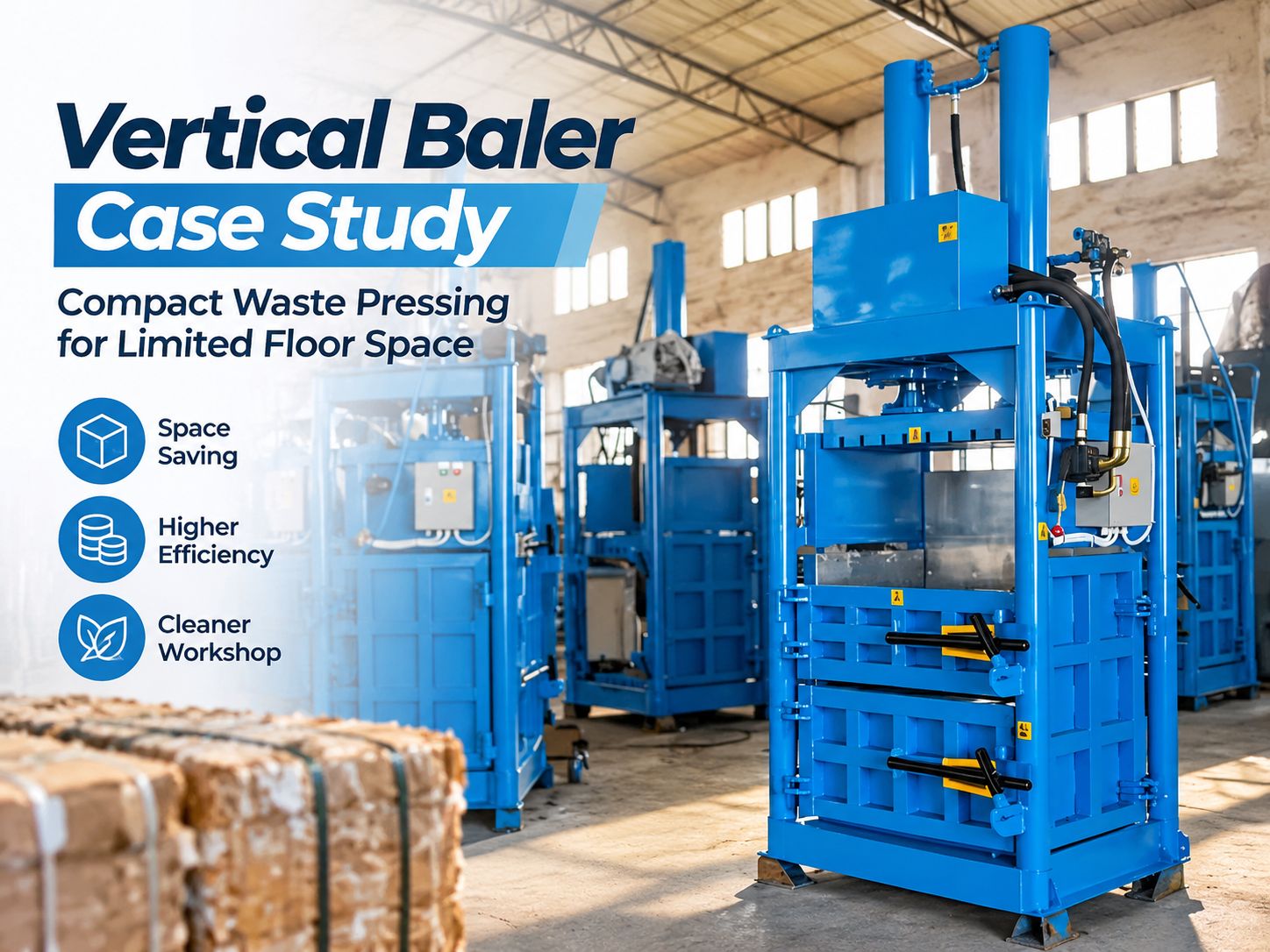
Vertical Baler Case Study: Compact Waste Pressing for Limited Floor Space

Introduction: The Challenge of Spatial Constraints in Modern Fabrication
In the fast-paced world of metal fabrication and industrial manufacturing, floor space is often the most expensive asset. As production lines expand and inventory requirements grow, the management of waste materials—specifically cardboard, plastic, and thin-gauge metal scrap—can quickly become a logistical bottleneck. This Vertical Baler Case Study: Compact Waste Pressing Limited Floor Space explores how HARSLE helps facilities reclaim valuable square footage while streamlining their waste disposal processes.
Many facilities struggle with the “clutter cycle,” where loose waste accumulates in corners, creating fire hazards and obstructing forklift traffic. Traditional waste disposal methods, such as open-top dumpsters, are inefficient because they occupy significant floor area while failing to maximize the density of the waste being hauled away. By implementing a vertical baler, manufacturers can transform loose, bulky waste into dense, stackable bales, effectively turning a waste management problem into a streamlined operational asset.
This article serves as a comprehensive guide for facility managers and production engineers looking to optimize their workspace. We will examine the technical specifications, selection criteria, and real-world benefits of integrating compact baling technology into tight environments. Through this Vertical Baler Case Study: Compact Waste Pressing Limited Floor Space, you will gain the insights necessary to make an informed investment in your facility’s infrastructure.
HARSLE has spent decades refining the design of hydraulic machinery to ensure that power does not come at the expense of footprint. Our engineering philosophy centers on the idea that industrial machinery should adapt to the facility, not the other way around. By focusing on vertical orientation, we utilize the often-neglected vertical dimension of a warehouse, leaving the floor clear for critical production tasks.
Key Considerations for Space-Constrained Facilities
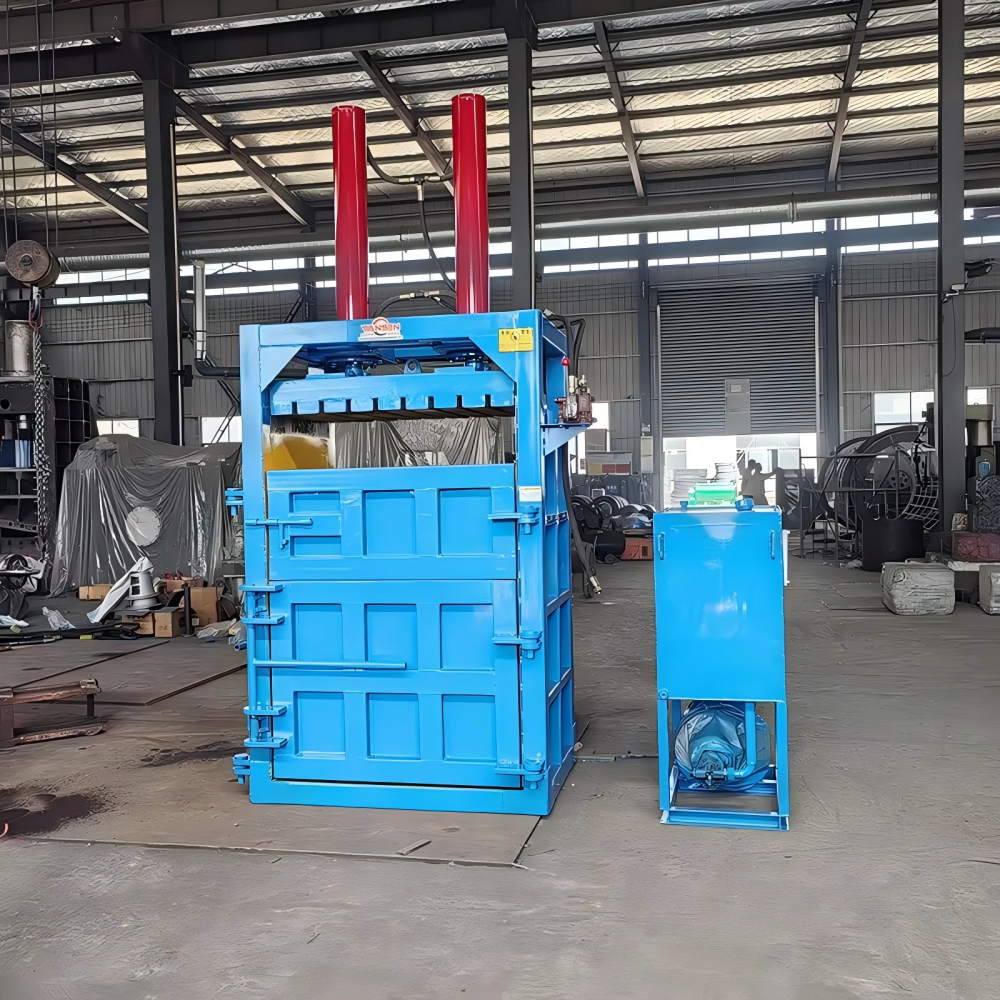
When evaluating waste management equipment for a facility with limited floor space, the first consideration must be the machine’s physical footprint versus its throughput capacity. A common mistake is selecting a baler that is too small, leading to frequent cycling and premature wear, or one that is too large, creating a new obstruction in the production flow. The goal is to find the “sweet spot” where the baler fits comfortably within the existing layout without requiring a dedicated expansion of the facility.
Workflow integration is the second critical factor. A vertical baler should be positioned as close to the source of the waste as possible. If the baler is located too far from the packaging or assembly area, employees will be forced to transport loose waste across the floor, increasing the risk of accidents and reducing overall productivity. Our case studies show that placing a compact baler directly adjacent to the primary waste generation point reduces labor hours spent on housekeeping by up to 30%.
Safety and ergonomics cannot be overlooked in tight spaces. In a cramped environment, the operation of the baler must be intuitive and safe. This includes features like dual-hand controls, safety interlocks on the loading door, and easy-to-access bale ejection systems. When space is limited, the machine must be designed so that the operator can perform all necessary tasks—loading, tying, and ejecting—without having to navigate around other equipment or obstacles.
Finally, consider the vertical clearance of your facility. While vertical balers are designed to save floor space, they do require a certain amount of overhead clearance, especially during the ejection phase. Before installation, it is essential to measure the ceiling height and account for any hanging lights, HVAC ducts, or overhead cranes that might interfere with the baler’s operation. HARSLE provides detailed installation diagrams to ensure that your chosen model fits perfectly within your specific architectural constraints.
Technical Details: Engineering for Efficiency
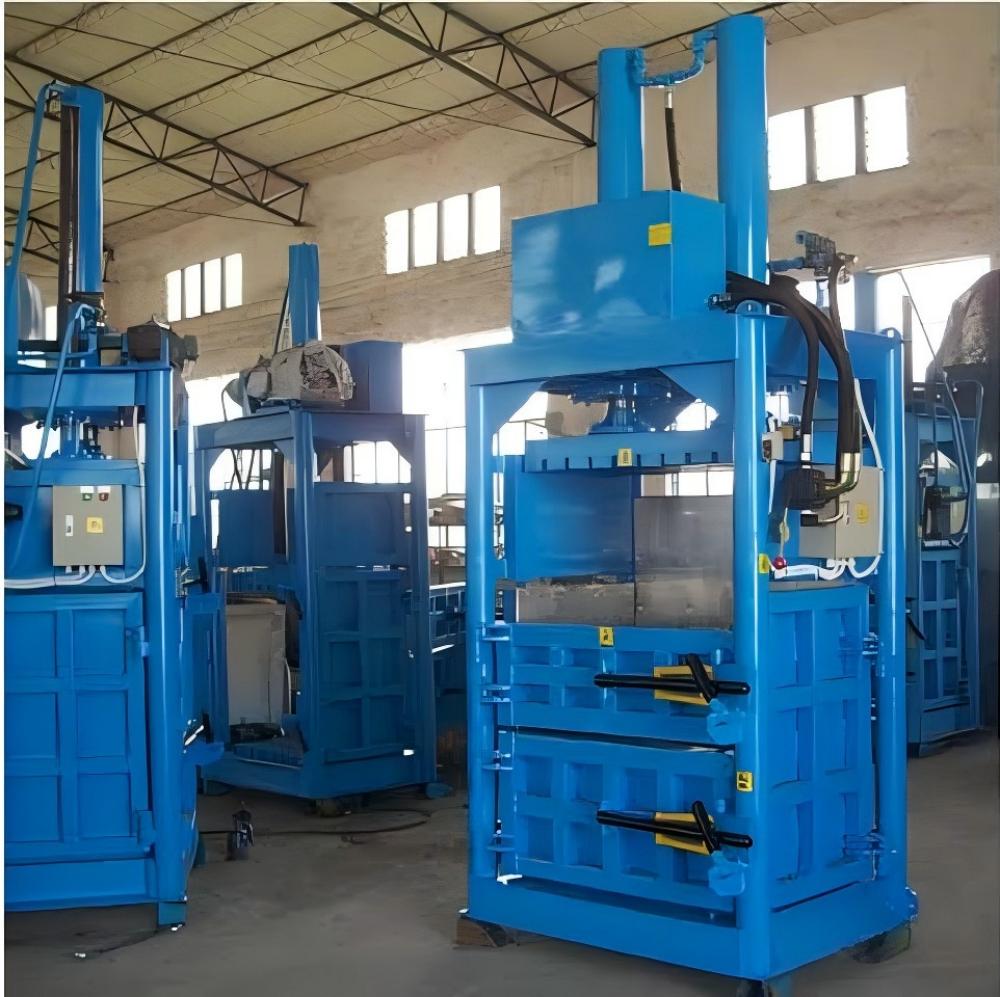
The core of a HARSLE vertical baler is its hydraulic power unit, which is engineered to provide maximum compaction force within a compact frame. By utilizing high-pressure hydraulic cylinders, our balers can compress waste materials to a fraction of their original volume. This density is crucial for facilities with limited space, as it means fewer bales are produced over time, and each bale occupies less storage space before being picked up by a recycling service.
Structural integrity is another hallmark of our design. Because the baler is subjected to immense internal pressure, the frame must be constructed from high-grade, reinforced steel. In our compact models, we use computer-aided design (CAD) to optimize the placement of structural members, ensuring that the machine remains rigid and stable even under maximum load. This prevents the frame from flexing, which could otherwise lead to misalignment of the platen and increased maintenance requirements.
The control system is the brain of the operation. Modern HARSLE balers feature programmable logic controllers (PLCs) that allow for precise control over the compaction cycle. These systems can be configured to handle different types of materials, from soft cardboard to more resilient plastic films. By optimizing the cycle time and pressure settings, the machine operates more efficiently, consuming less electricity and reducing the wear and tear on hydraulic components.
Maintenance accessibility is a key technical feature for compact installations. We design our balers with side-access panels that allow technicians to perform routine inspections and hydraulic fluid checks without needing to move the machine or clear a large perimeter around it. This design philosophy ensures that even in a crowded shop floor, your maintenance team can keep the equipment running at peak performance without disrupting production.
Selection Advice: Choosing the Right Baler for Your Needs
Selecting the right vertical baler requires a thorough audit of your current waste stream. Start by categorizing your waste: is it primarily corrugated cardboard, plastic film, or light metal scrap? Each material has different compression characteristics. For example, plastic film requires a higher compaction force to stay compressed, whereas cardboard is easier to bale but produces more volume. Knowing your material mix will help you determine the required tonnage for your baler.
Consider the volume of waste generated on a daily basis. If your facility produces a high volume of waste, you may need a baler with a larger feed opening to accommodate larger boxes or bulky items without requiring them to be broken down manually. While a larger feed opening might slightly increase the machine’s footprint, the time saved in labor often justifies the investment. HARSLE offers a range of sizes to balance these competing requirements.
Think about the future growth of your facility. If you anticipate an increase in production, it is often wise to invest in a slightly more robust model than your current needs dictate. A baler that is operating at 60% of its capacity will last significantly longer than one that is pushed to its limit every day. This long-term view is essential for maximizing the return on investment for your metal fabrication equipment.
Finally, consult with our technical team regarding site-specific requirements. We can conduct a virtual or on-site assessment to help you determine the optimal placement for the baler. We look at factors such as power supply availability, proximity to loading docks, and the path of travel for the finished bales. By involving our experts early in the selection process, you can avoid costly mistakes and ensure a seamless installation.
Frequently Asked Questions (FAQ)
1. How much floor space does a typical compact vertical baler require?
A compact vertical baler typically requires a footprint of approximately 1.5 to 2.5 square meters. However, you must also account for the “swing space” for the loading door and the area required for the operator to stand safely while operating the machine.
2. Can a vertical baler handle metal scrap?
Yes, many of our vertical balers are capable of handling light-gauge metal scrap, such as aluminum cans or thin sheet metal offcuts. It is important to specify the material type during the selection process so we can recommend the appropriate hydraulic pressure and structural reinforcement.
3. What are the electrical requirements for these machines?
Most HARSLE vertical balers operate on standard industrial three-phase power. We provide detailed electrical schematics with every machine to ensure your facility’s power supply is compatible and properly protected.
4. How often does a vertical baler require maintenance?
Routine maintenance, such as checking hydraulic fluid levels and inspecting hoses, should be performed monthly. A professional service inspection is recommended every six months to ensure the safety interlocks and structural components are in optimal condition.
5. Is it difficult to train staff to operate a vertical baler?
No, HARSLE balers are designed with user-friendly controls. Most operators can be trained to safely and efficiently operate the machine in under an hour. We provide comprehensive manuals and can offer remote training support.
Conclusion: Investing in Efficiency
The implementation of a vertical baler is more than just a waste management decision; it is a strategic move toward a more efficient, organized, and profitable manufacturing environment. As demonstrated in this Vertical Baler Case Study: Compact Waste Pressing Limited Floor Space, the ability to consolidate waste at the source allows facilities to reclaim valuable floor space, reduce labor costs, and improve overall workplace safety.
HARSLE remains committed to providing high-quality metal fabrication equipment that meets the unique challenges of modern industry. Our compact balers are built to withstand the rigors of daily use while fitting seamlessly into the tightest of floor plans. By choosing the right equipment and planning for its integration, you can transform your waste management process from a hidden cost into a streamlined operational advantage.
If you are ready to optimize your facility’s layout and improve your waste handling efficiency, contact the HARSLE team today. We are here to provide the technical expertise and support you need to select the perfect solution for your specific requirements. Let us help you turn your limited floor space into a high-performance production environment.