Vertical Baler In Action: A Real Case Study From A High-Volume Metal Processing Facility

Introduction
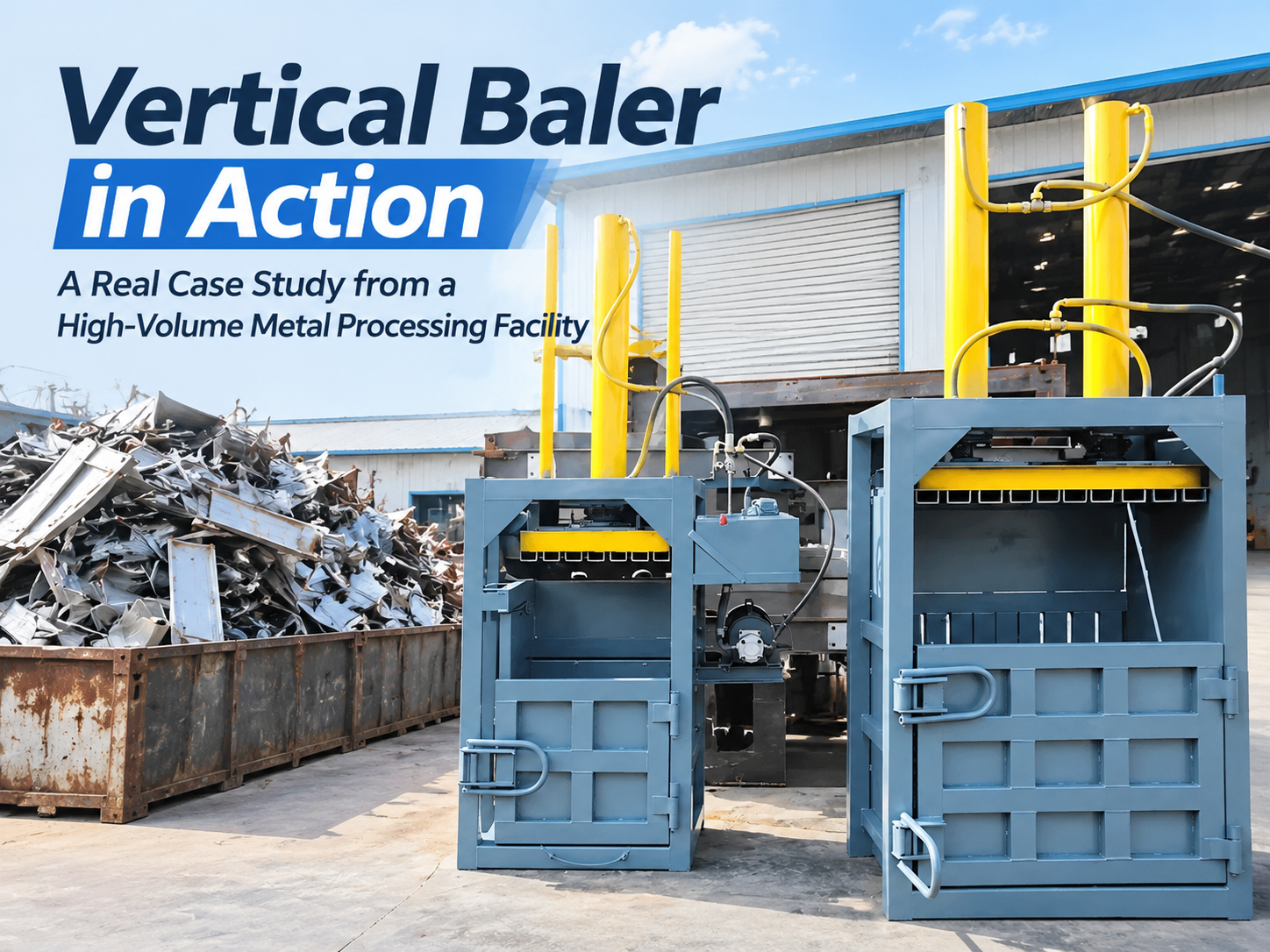
In the fast-paced world of modern metal fabrication, waste management is often the silent bottleneck that dictates overall operational efficiency. For high-volume metal processing facilities, the accumulation of scrap—ranging from aluminum offcuts to steel shavings—presents a significant logistical challenge. Without an effective compaction strategy, these facilities face inflated disposal costs, cluttered floor space, and reduced safety standards. This article explores a Vertical Baler In Action: A Real Case Study From A High-Volume Metal Processing Facility, highlighting how HARSLE machinery transforms scrap handling into a streamlined, profitable process.
The facility in question, a mid-sized automotive parts manufacturer, was struggling with the sheer volume of light-gauge metal waste. Their previous manual handling process was labor-intensive and resulted in frequent trips to the local landfill, which was both environmentally unsustainable and financially draining. By integrating a high-performance HARSLE vertical baler, the facility was able to consolidate their waste into dense, manageable bales, significantly reducing their carbon footprint and logistics overhead.
This case study serves as a blueprint for other industrial players looking to optimize their waste streams. We will delve into the technical specifications that make HARSLE equipment a leader in the industry, the selection criteria for choosing the right baler, and the long-term operational benefits of investing in professional-grade compaction technology. Whether you are managing a small workshop or a large-scale fabrication plant, understanding the mechanics of vertical baling is essential for modern industrial success.
As we move through this guide, we will examine how the transition from loose scrap to high-density bales impacts the bottom line. We will also address common maintenance concerns and provide a comprehensive checklist for facility managers tasked with upgrading their waste management infrastructure. By the end of this article, you will have a clear understanding of why a vertical baler is not just an accessory, but a core component of a high-efficiency metal fabrication ecosystem.
Key Considerations for High-Volume Facilities
When evaluating the need for a vertical baler, high-volume facilities must first assess their current waste output. The primary consideration is the material type and density. Metal scrap behaves differently than cardboard or plastic; it requires significantly higher hydraulic pressure to achieve a stable bale. A facility processing stainless steel sheets will have vastly different requirements than one handling aluminum extrusions. Understanding the ‘spring-back’ factor of your specific metal waste is critical to selecting a machine that won’t stall under pressure.
Space optimization is another vital factor. In a high-volume facility, every square foot of floor space is dedicated to production machinery. A vertical baler is often chosen over a horizontal one because of its smaller footprint. However, the placement of the baler must account for the flow of materials. It should be positioned near the source of the scrap to minimize the distance employees need to transport waste, thereby reducing labor hours and the risk of workplace injuries associated with manual handling.
Safety and regulatory compliance cannot be overlooked. High-volume metal processing involves sharp edges and heavy materials. A professional-grade vertical baler from HARSLE comes equipped with advanced safety interlocks, emergency stops, and reinforced loading doors. These features ensure that the machine operates safely even in high-traffic areas. Furthermore, local environmental regulations often mandate the proper handling and recycling of metal waste; a baler ensures that your facility remains compliant by facilitating cleaner, more organized recycling streams.
Finally, consider the long-term return on investment (ROI). While the initial capital expenditure for a high-capacity vertical baler is significant, the savings are realized through reduced waste hauling fees, potential revenue from selling high-density metal bales to recyclers, and improved facility cleanliness. A well-maintained baler can last for over a decade, making it a strategic asset rather than a simple expense. When analyzing the ROI, factor in the reduction in labor costs and the potential for increased scrap value due to the purity and density of the bales produced.
Technical Details of the HARSLE Solution
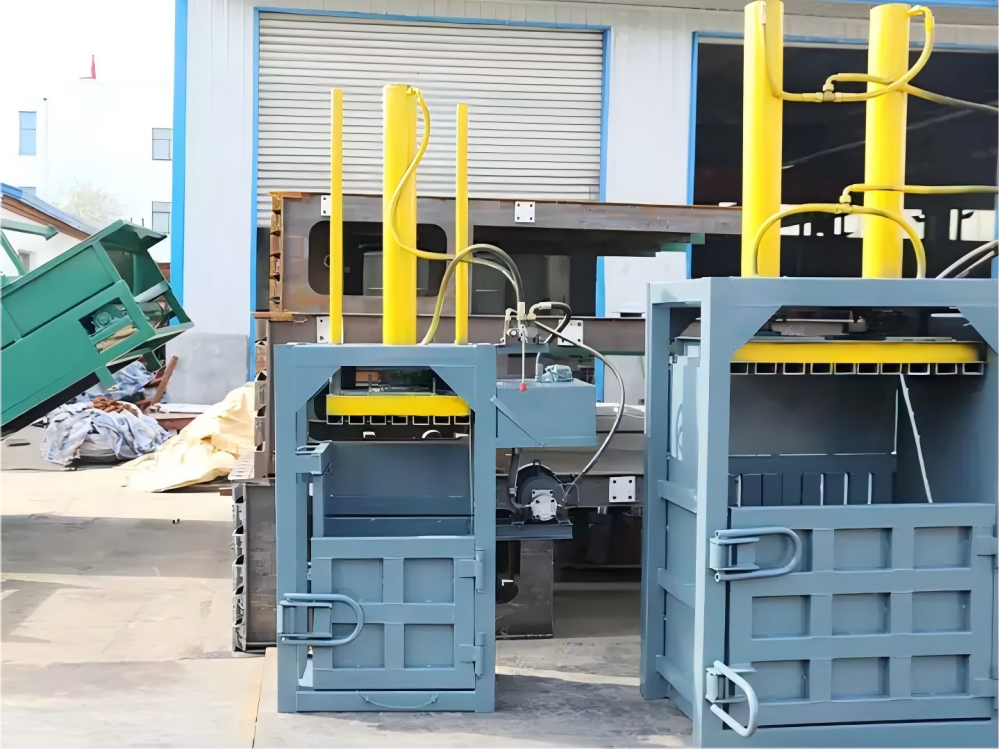
The core of the HARSLE vertical baler lies in its robust hydraulic system. Designed for the rigors of metal fabrication, these machines utilize high-pressure cylinders that deliver consistent force across the entire compression chamber. The hydraulic power unit is engineered for continuous duty cycles, ensuring that even during peak production hours, the baler maintains its performance without overheating or losing pressure. This reliability is what sets industrial-grade equipment apart from lighter, commercial-grade alternatives.
The structural integrity of the baler is equally important. HARSLE utilizes heavy-duty steel plate construction, reinforced at critical stress points to prevent deformation under the immense pressure required to compact metal. The chamber walls are designed to withstand the abrasive nature of metal scrap, which can quickly wear down inferior materials. By using high-grade wear-resistant steel, HARSLE ensures that the baler remains operational for years with minimal structural maintenance.
User interface and control systems are another area where HARSLE excels. Modern balers are equipped with PLC (Programmable Logic Controller) systems that allow operators to customize compression cycles based on the material being processed. This includes adjustable pressure settings, automatic bale ejection systems, and cycle timers. These digital controls reduce the margin for human error and ensure that every bale produced meets the exact specifications required by recycling facilities, maximizing the market value of the scrap.
Maintenance accessibility is a key technical feature. HARSLE designs its balers with modular components, allowing for quick inspection and replacement of hydraulic hoses, seals, and electrical sensors. This ‘design-for-maintenance’ approach minimizes downtime, which is crucial for high-volume facilities where every minute of machine inactivity can lead to a backlog of waste. Detailed diagnostic displays provide real-time feedback on the machine’s health, allowing maintenance teams to address minor issues before they escalate into costly repairs.
Selection Advice: Choosing the Right Baler
Selecting the right vertical baler requires a thorough audit of your facility’s waste stream. Start by measuring the volume of scrap produced daily. If your facility generates more than a few tons of metal waste per week, you should look for a baler with a high-tonnage rating. A 100-ton to 150-ton baler is typically the sweet spot for high-volume metal processing, providing enough force to create dense, stackable bales that are easy to transport and highly valued by scrap buyers.
Consider the loading method. For high-volume operations, manual loading can be a bottleneck. Look for balers that offer wide-opening doors or integrated conveyor systems. Some HARSLE models can be customized to accept scrap directly from a hopper or a chute, which significantly speeds up the process and reduces the need for manual handling. If your scrap consists of large, bulky pieces, ensure the feed opening is large enough to accommodate them without requiring pre-cutting.
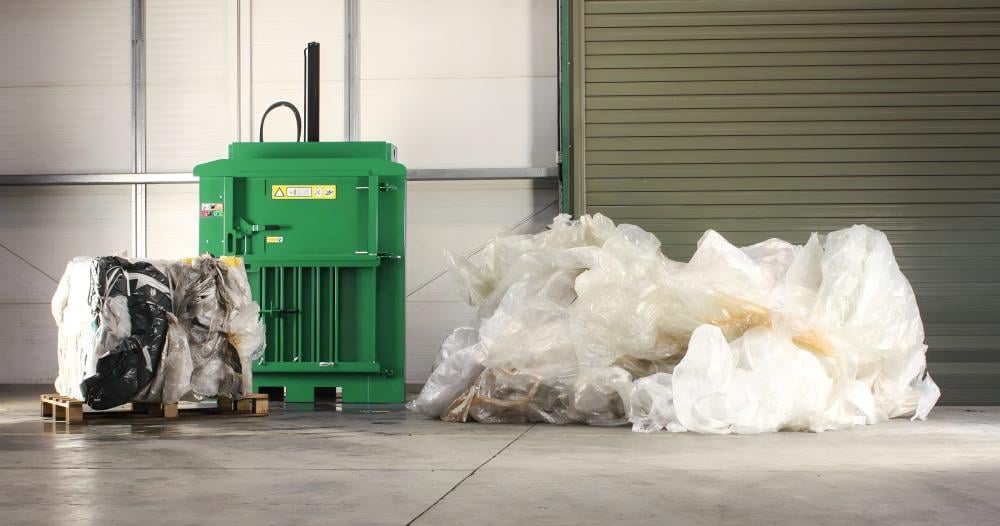
Think about the bale size and weight. Different recycling centers have different requirements for bale dimensions. Some prefer smaller, lighter bales that can be moved with a pallet jack, while others require large, heavy bales that must be handled by a forklift. Ensure the baler you choose produces a bale size that is compatible with your logistics chain. HARSLE offers various chamber sizes, so it is important to align the machine’s output with your downstream transport capabilities.
Finally, do not underestimate the importance of after-sales support. A vertical baler is a long-term investment, and you need a partner who can provide spare parts, technical training, and remote support. HARSLE has built a reputation for excellent customer service, offering comprehensive manuals and a responsive support team that can help you troubleshoot issues quickly. When comparing quotes, always factor in the cost of support and the availability of local technicians, as these will influence your total cost of ownership over the life of the machine.
FAQ: Common Questions About Vertical Balers
- What is the primary advantage of a vertical baler for metal? The primary advantage is volume reduction. By compacting loose scrap into dense bales, you reduce the number of trips required for waste removal, lower your transportation costs, and often receive a higher price for your scrap metal from recyclers.
- How often does a vertical baler need maintenance? Routine maintenance should be performed monthly, including checking hydraulic fluid levels, inspecting hoses for leaks, and cleaning the chamber. A professional service check should be conducted annually to ensure all safety systems and structural components are in top condition.
- Can one baler handle different types of metal? Yes, most HARSLE vertical balers are versatile. However, you should adjust the pressure settings when switching between materials like aluminum and steel to ensure the best results and prevent damage to the machine.
- Is special training required to operate a HARSLE baler? While the machines are user-friendly, proper training is essential for safety. Operators should be trained on the control panel, emergency stop procedures, and the correct way to tie off and eject a bale.
- How much space do I need for a vertical baler? A typical vertical baler requires a footprint of approximately 6 to 10 square feet, plus additional clearance for the operator and loading access. Always check the specific dimensions of the model you are considering.
Conclusion
The case study of the high-volume metal processing facility demonstrates that a vertical baler is a transformative tool for industrial efficiency. By moving away from inefficient, manual waste handling and adopting a HARSLE vertical baler, the facility was able to turn a logistical burden into a streamlined, value-added process. The combination of high-pressure hydraulic performance, durable construction, and intelligent control systems makes HARSLE equipment an ideal choice for any facility looking to optimize its operations.
Investing in the right machinery is about more than just buying a piece of equipment; it is about choosing a partner that understands the complexities of metal fabrication. With the right vertical baler in place, you can improve workplace safety, reduce your environmental impact, and significantly lower your operational costs. As the metal processing industry continues to evolve, those who prioritize efficiency and waste management will undoubtedly maintain a competitive edge.
We encourage you to assess your current waste management practices and consider how a HARSLE vertical baler could fit into your facility. Whether you are looking to save on disposal fees or simply want a cleaner, more organized workspace, the benefits are clear. Reach out to our team today to discuss your specific requirements and find the perfect baler to take your metal processing facility to the next level.