How to Troubleshoot Briquetting Machine Wear On Compression Chambers: A Comprehensive Maintenance Guide

Introduction
In the modern metal fabrication industry, the efficiency of chip recycling and waste management is paramount. Briquetting machines play a critical role in transforming loose metal shavings, turnings, and swarf into dense, manageable pucks. However, the heart of this process—the compression chamber—is subjected to extreme mechanical stress, abrasive friction, and high-pressure cycles. Learning how to troubleshoot briquetting machine wear on compression chambers is not just a maintenance task; it is a vital operational strategy to ensure longevity and profitability.
At HARSLE, we understand that downtime is the enemy of productivity. When a compression chamber begins to show signs of wear, the quality of the briquettes drops, energy consumption rises, and the risk of catastrophic mechanical failure increases. This guide provides a deep dive into identifying, diagnosing, and mitigating wear patterns within the compression chamber, ensuring your equipment remains a reliable asset in your production line.
Understanding the mechanics of wear requires a look at the interaction between the material being processed and the chamber walls. Whether you are dealing with aluminum, steel, or copper, the abrasive nature of metal chips acts like sandpaper against the hardened steel surfaces of the chamber. Over time, this leads to dimensional changes, surface pitting, and structural fatigue that require immediate attention.
By following the troubleshooting steps outlined in this article, maintenance teams can transition from reactive repairs to proactive asset management. We will explore the technical indicators of wear, the environmental factors that accelerate degradation, and the best practices for extending the life of your HARSLE briquetting system. Let us begin by examining the key considerations for maintaining these high-pressure environments.
Key Considerations for Compression Chamber Integrity
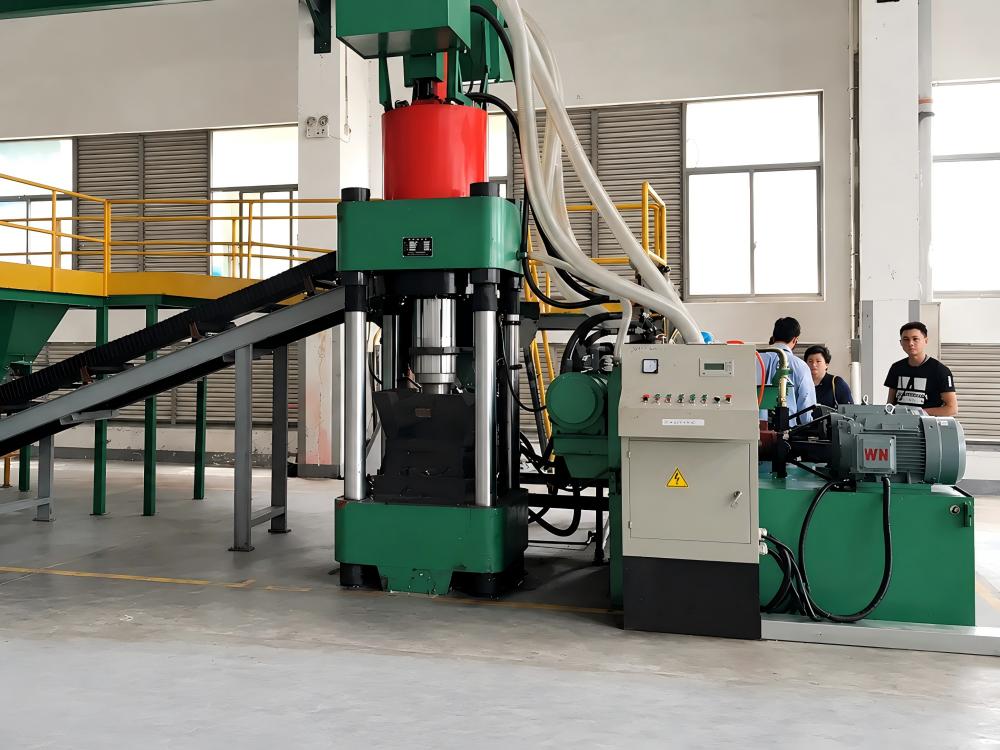
The compression chamber is a precision-engineered component designed to withstand thousands of pounds of hydraulic pressure. When you troubleshoot briquetting machine wear on compression chambers, the first consideration must be the material composition of the chamber liners. Most high-quality briquetting machines utilize replaceable, hardened steel liners. If these liners are not inspected regularly, the wear can migrate to the main housing, leading to significantly more expensive repairs.
Another key consideration is the consistency of the feedstock. If your briquetting machine is fed with contaminated material—such as tramp oil, coolant residue, or non-metallic debris—the wear rate on the chamber walls increases exponentially. Coolants, in particular, can act as a carrier for fine metallic dust, which creates a grinding paste that accelerates the erosion of the chamber surface. Maintaining clean feedstock is the first line of defense against premature wear.
Thermal management also plays a significant role. During the compression cycle, friction generates heat. If the cooling system of the briquetting machine is compromised, the elevated temperatures can soften the surface of the chamber liners, making them more susceptible to deformation and scoring. Monitoring the operating temperature of the hydraulic fluid and the chamber assembly is a critical step in your daily maintenance routine.
Finally, consider the alignment of the compression ram. If the ram is slightly misaligned, it will exert uneven pressure on the chamber walls. This results in localized wear patterns, often seen as deep grooves or “gouging” on one side of the chamber. Ensuring that the ram guides are properly lubricated and adjusted is essential to prevent this uneven mechanical stress, which is a common culprit in premature chamber failure.
Technical Details: Identifying Wear Patterns
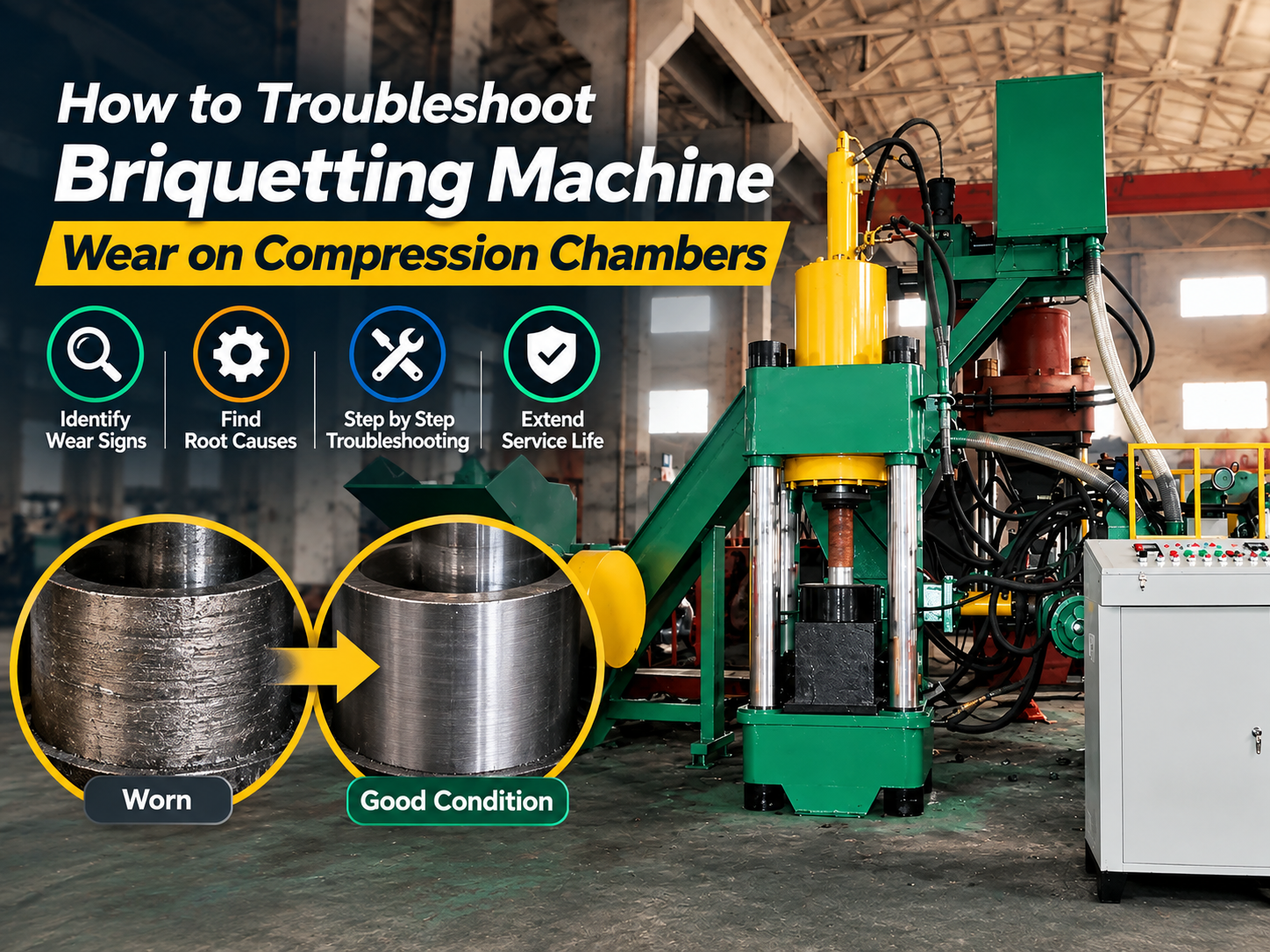
To effectively troubleshoot briquetting machine wear on compression chambers, you must be able to identify specific wear patterns. The most common indicator is a change in the briquette density or shape. If the briquettes are coming out with irregular edges or are crumbling upon ejection, it is a clear sign that the chamber wall has lost its dimensional integrity, allowing material to bypass the compression zone.
Visual inspection should focus on the inner diameter of the chamber. Look for “scalloping” or “washboarding” effects. These patterns occur when the material is forced against the wall under extreme pressure, causing microscopic fractures that eventually lead to material loss. If you can feel these ridges with your fingernail, the chamber liner is likely nearing the end of its service life and should be scheduled for replacement.
Another technical indicator is the increase in cycle time. As the chamber wears, the friction between the briquette and the wall increases. The hydraulic system must work harder to push the briquette out of the chamber, which is often reflected in higher pressure readings on the gauge or a slower ejection stroke. If your machine is consistently hitting its pressure limits during the ejection phase, it is a strong signal that the chamber surface has become too rough.
We also recommend performing periodic dimensional checks using a bore gauge. By measuring the diameter of the chamber at the top, middle, and bottom, you can identify taper wear. A tapered chamber is particularly problematic because it prevents the briquette from being compressed uniformly, leading to internal stress fractures within the puck itself. Keeping a log of these measurements over time allows you to predict when a liner replacement will be necessary, preventing unexpected downtime.
Selection Advice: Choosing the Right Components
When the time comes to replace your compression chamber or its liners, the selection process is just as important as the troubleshooting itself. Not all liners are created equal. For high-abrasion applications, such as processing cast iron or hardened steel chips, you should opt for liners with specialized surface treatments or high-chromium alloys. These materials offer superior hardness and resistance to the abrasive forces that cause rapid wear.
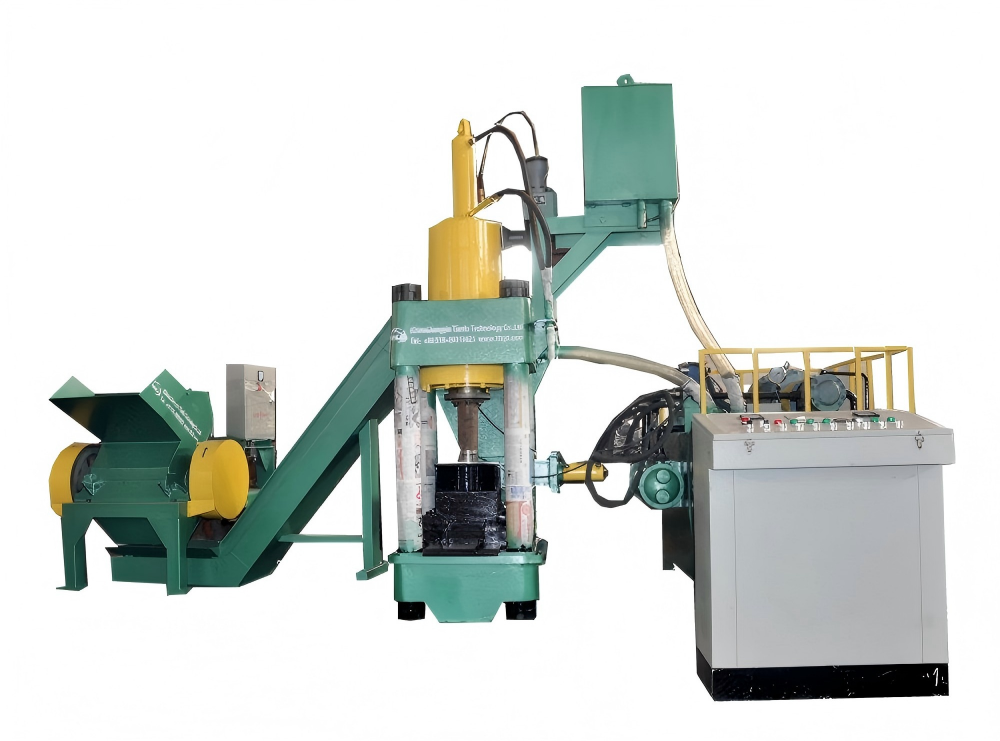
Consider the modularity of the design. HARSLE briquetting machines are designed with modular components to facilitate easier maintenance. When selecting replacement parts, ensure they are OEM-certified. While third-party, cheaper alternatives may seem attractive, they often lack the precise heat treatment required to withstand the specific pressures of your machine, leading to even faster wear and potential damage to the main housing.
Evaluate the lubrication system compatibility. Some modern chambers feature integrated lubrication channels that reduce friction during the ejection stroke. If your machine supports this, ensure that your replacement liners are compatible with the existing lubrication delivery system. Proper lubrication is the single most effective way to reduce the coefficient of friction and extend the life of your compression chamber.
Finally, consult with your manufacturer regarding the specific material you are processing. If you have recently changed your production output—for example, moving from aluminum to stainless steel—the wear characteristics of your chamber will change. A chamber that worked perfectly for aluminum may be inadequate for the higher pressures required for stainless steel. Always match the chamber material and design to the specific density and hardness of your metal waste stream.
Maintenance Best Practices for Longevity
Preventative maintenance is the cornerstone of avoiding the need to troubleshoot briquetting machine wear on compression chambers in the first place. Establish a daily checklist that includes cleaning the chamber area of any residual metal dust. Even small amounts of debris left in the chamber can be compressed into the wall, acting as a cutting tool during the next cycle.
Implement a weekly lubrication schedule for all moving parts associated with the compression ram. Friction is the enemy of the chamber. By ensuring the ram moves smoothly and perfectly centered, you eliminate the lateral forces that cause uneven wear. Use only the recommended hydraulic oils and greases specified in your HARSLE manual, as improper lubricants can break down under high pressure and lose their protective properties.
Train your operators to listen to the machine. A healthy briquetting machine has a consistent, rhythmic sound. Changes in the pitch of the motor or the sound of the hydraulic pump during the compression stroke are often the first signs of increased resistance due to chamber wear. Encouraging operators to report these subtle changes can save thousands of dollars in secondary damage.
Lastly, keep a detailed maintenance log. Documenting every inspection, measurement, and part replacement allows you to identify trends. If you notice that you are replacing liners every six months, you can investigate if there is a way to improve the feedstock quality or adjust the machine settings to extend that interval. Data-driven maintenance is the most effective way to manage industrial machinery.
FAQ: Common Questions About Briquetting Machine Wear
- Q: How often should I inspect the compression chamber?
A: We recommend a visual inspection every 500 operating hours and a dimensional check every 2,000 hours to ensure the chamber remains within tolerance. - Q: Can I repair a worn compression chamber by welding?
A: Generally, no. Welding can alter the heat treatment of the steel, leading to brittle spots that may crack under the high pressures of the briquetting process. Replacement is the safest and most cost-effective option. - Q: Why are my briquettes breaking apart?
A: This is often caused by a worn chamber wall that prevents the material from reaching the necessary density. It can also be caused by insufficient hydraulic pressure or incorrect material moisture levels. - Q: Does the type of metal affect chamber wear?
A: Absolutely. Harder metals like steel and titanium cause significantly more wear than softer metals like aluminum or copper. Adjust your maintenance intervals accordingly. - Q: What is the most common cause of premature chamber failure?
A: Contamination in the feedstock, such as sand, grit, or non-metallic debris, is the most common cause of rapid, abrasive wear on the chamber walls.
Conclusion
Troubleshooting briquetting machine wear on compression chambers is a fundamental skill for any facility manager or maintenance technician working with metal fabrication equipment. By understanding the signs of wear—such as dimensional changes, increased cycle times, and surface scoring—you can take proactive steps to maintain your machine’s performance. Remember that the compression chamber is a precision component; treating it with care, using high-quality replacement parts, and maintaining a strict lubrication schedule will pay dividends in the form of reduced downtime and consistent briquette quality.
At HARSLE, we are committed to providing not just the machinery, but the knowledge required to keep your operations running at peak efficiency. Whether you are looking for replacement parts, technical support, or advice on optimizing your chip recycling process, our team is here to assist. By prioritizing the health of your compression chamber, you are investing in the long-term success and sustainability of your metal fabrication business. Stay vigilant, keep your equipment clean, and always prioritize precision in your maintenance routines.