How to Troubleshoot Abnormal Temperature Rise in a Hammer Shredder: A Comprehensive Industrial Guide


Introduction to Hammer Shredder Thermal Management
In the demanding world of metal fabrication and recycling, the hammer shredder serves as a cornerstone of production efficiency. However, operators often face the critical challenge of thermal instability. When you need to troubleshoot abnormal temperature rise in a hammer shredder, time is of the essence. Excessive heat not only degrades the quality of processed materials but also accelerates the wear and tear of vital mechanical components, leading to costly downtime and potential catastrophic failure.
At HARSLE, we understand that industrial machinery is a significant investment. Maintaining optimal operating temperatures is not just about performance; it is about extending the lifecycle of your equipment. An abnormal temperature rise is usually the first symptom of an underlying mechanical or operational issue. By identifying these signs early, maintenance teams can transition from reactive repairs to proactive management, ensuring that your metal fabrication equipment remains a reliable asset in your production line.
This guide provides a deep dive into the technical aspects of thermal regulation in shredding systems. We will explore the root causes of overheating, ranging from lubrication failures to structural misalignment, and provide actionable steps to restore your machinery to peak operating conditions. Whether you are managing a large-scale recycling facility or a specialized fabrication shop, these troubleshooting strategies are essential for maintaining operational continuity.
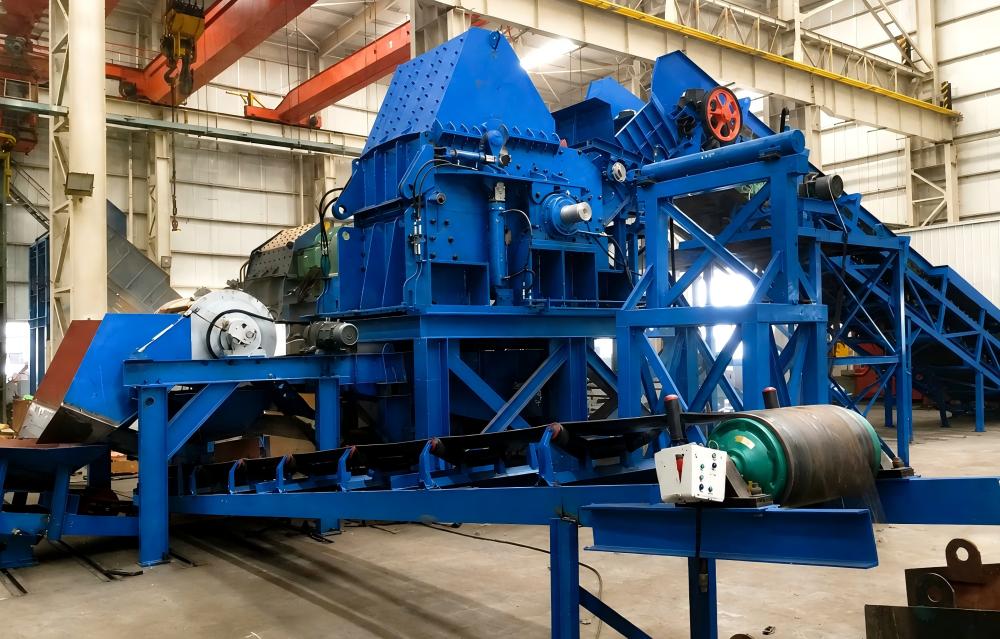
Key Considerations for Thermal Stability
The first step to troubleshoot abnormal temperature rise in a hammer shredder is understanding the environment in which the machine operates. Heat generation is a natural byproduct of friction and kinetic energy conversion, but when temperatures exceed the manufacturer’s specified threshold, it indicates an imbalance. Operators must monitor the bearing housings, the motor casing, and the shredding chamber itself to identify where the heat is originating.
Environmental factors play a significant role in thermal management. If the shredder is located in a poorly ventilated area or exposed to direct sunlight in a high-temperature climate, the ambient heat will exacerbate the internal operating temperature. Ensuring adequate airflow around the motor and the main drive system is a fundamental requirement. Furthermore, the accumulation of dust and debris on the machine’s exterior can act as an insulator, trapping heat inside the housing and preventing natural cooling.
Operational load is another critical factor. Hammer shredders are designed for specific throughput capacities. When a machine is consistently pushed beyond its rated capacity, the motor draws excessive current, leading to resistive heating in the windings. This not only increases the temperature of the motor but also places undue stress on the drive train, which can manifest as heat in the coupling and bearing assemblies. Always verify that your feed rate aligns with the machine’s technical specifications.
Finally, the quality of the raw material being processed must be considered. Contaminants such as high-strength alloys, non-shreddable inclusions, or excessive moisture can cause the hammers to work harder than intended. If the material is too dense or too hard for the current hammer configuration, the resulting impact energy is converted into heat rather than material deformation. Monitoring the feed material is a vital part of the troubleshooting process.
Technical Details: Identifying Root Causes
When you begin to troubleshoot abnormal temperature rise in a hammer shredder, you must systematically inspect the mechanical components. The most common culprit for localized overheating is the bearing assembly. Bearings require precise lubrication and alignment to function without excessive friction. If the lubricant has degraded, become contaminated, or is insufficient, the resulting metal-on-metal contact will cause rapid temperature spikes that can destroy the bearing race in minutes.
Another technical area to investigate is the alignment of the drive system. Misalignment between the motor shaft and the shredder rotor creates a constant side-load on the bearings and couplings. This misalignment forces the components to operate under stress, generating heat through friction. Using laser alignment tools, maintenance teams should verify that the shafts are perfectly parallel and concentric. Even a slight deviation can lead to significant thermal issues over time.
The hammer and rotor assembly itself must be inspected for balance. If hammers are worn unevenly or if a hammer has broken off, the rotor becomes unbalanced. This imbalance creates vibration, which is essentially kinetic energy being dissipated as heat throughout the machine structure. Vibration analysis is a powerful tool in this context; by identifying the frequency of the vibration, technicians can pinpoint whether the issue is a loose bolt, a worn hammer, or a structural crack in the rotor.
Electrical system health is equally important. A motor that is struggling due to low voltage or phase imbalance will run significantly hotter than a motor operating under ideal electrical conditions. Check the current draw across all three phases. If one phase is drawing significantly more current, it indicates a potential issue with the motor windings or the power supply. Addressing electrical inefficiencies is a crucial step to troubleshoot abnormal temperature rise in a hammer shredder effectively.
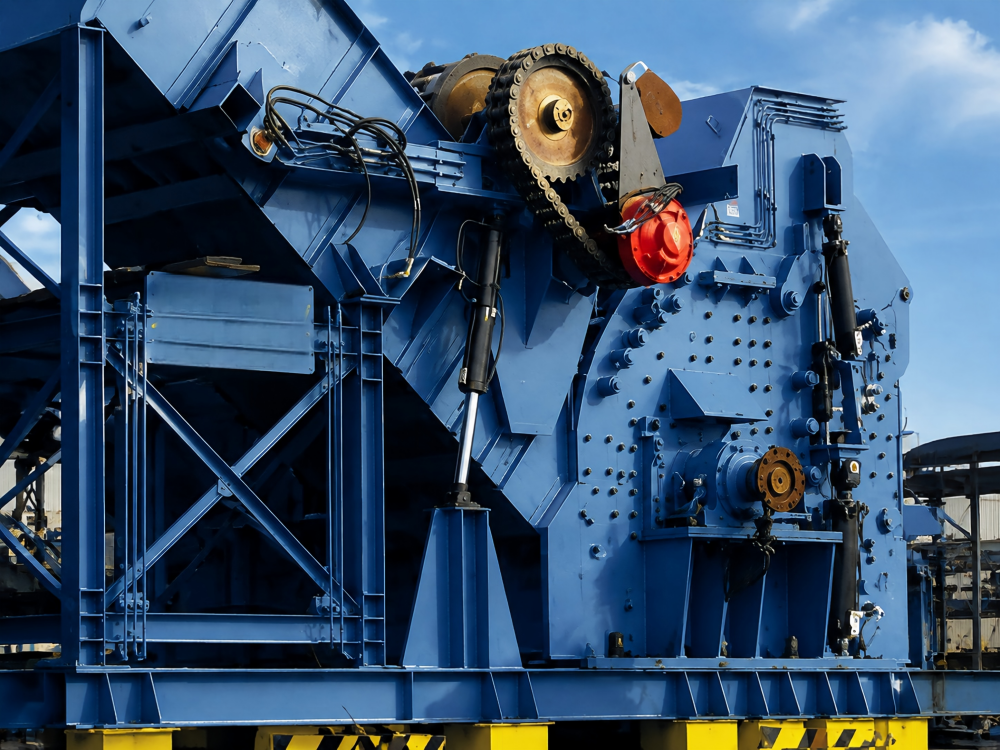
Selection Advice for Long-Term Performance
Choosing the right hammer shredder is the best way to prevent thermal issues before they start. When selecting equipment from HARSLE, consider the specific material density and throughput requirements of your facility. A machine that is undersized for your application will inevitably run hot, leading to premature failure. Always opt for a shredder with a robust cooling system, such as forced-air ventilation or integrated oil cooling for the main bearings, if your application involves high-duty cycles.
Consider the material of the hammers and the grate. High-manganese steel is often preferred for its work-hardening properties, but the geometry of the hammer must match the material being shredded. Using the wrong hammer profile can lead to excessive friction and heat. Consult with HARSLE engineers to ensure that your shredder configuration is optimized for your specific waste stream, whether it is scrap metal, aluminum, or electronic waste.
Maintenance accessibility is another factor that influences thermal management. A machine that is easy to clean and lubricate is more likely to be maintained properly. Look for features like quick-access inspection doors, automated lubrication systems, and vibration monitoring sensors. These features allow your team to troubleshoot abnormal temperature rise in a hammer shredder with greater accuracy and speed, reducing the risk of catastrophic damage.
Finally, invest in high-quality lubricants and spare parts. Using generic, low-grade grease can lead to premature breakdown under high-load conditions, causing the very temperature spikes you are trying to avoid. Stick to the manufacturer’s recommended specifications for all consumables. By prioritizing quality during the selection and maintenance phases, you ensure that your shredder operates within its thermal design limits for years to come.
FAQ: Common Questions on Shredder Overheating
- Q: How hot is too hot for a hammer shredder bearing?
A: Generally, bearing temperatures should not exceed 70-80°C (158-176°F). If you notice temperatures consistently above this, it is time to troubleshoot abnormal temperature rise in a hammer shredder immediately. - Q: Can a dull hammer cause overheating?
A: Yes. Dull hammers require more force to process material, which increases the load on the motor and the rotor, leading to higher operating temperatures throughout the system. - Q: How often should I check my lubrication system?
A: Lubrication should be checked according to the maintenance schedule provided in your HARSLE manual. In high-dust environments, you may need to increase the frequency of inspections to prevent contamination. - Q: Does vibration always lead to heat?
A: Yes, vibration is a sign of energy loss. This energy is converted into heat through friction and structural stress, making vibration control a key part of thermal management. - Q: What is the first thing I should do if the shredder starts smoking?
A: Immediately shut down the machine, disconnect the power, and allow it to cool down naturally. Do not attempt to restart it until you have identified the source of the heat.
Conclusion
The ability to troubleshoot abnormal temperature rise in a hammer shredder is a vital skill for any maintenance professional in the metal fabrication industry. By understanding the relationship between mechanical friction, electrical load, and environmental factors, you can maintain your equipment in top-tier condition. Remember that heat is a messenger; it tells you exactly where your machine is struggling.
At HARSLE, we are committed to providing not only the best metal fabrication equipment but also the knowledge required to keep it running efficiently. Regular maintenance, proper lubrication, and a keen eye for operational anomalies will save you thousands in repair costs and lost production time. If you encounter persistent thermal issues, do not hesitate to reach out to our technical support team for expert guidance tailored to your specific machine configuration.
By following the steps outlined in this guide, you can ensure that your hammer shredder remains a productive, reliable, and cool-running component of your facility. Stay proactive, keep your machinery clean, and always prioritize the health of your equipment to maximize your return on investment.