Hammer Shredder Noise Problems: What the Sounds Mean and How to Solve Them


Introduction to Hammer Shredder Noise Problems
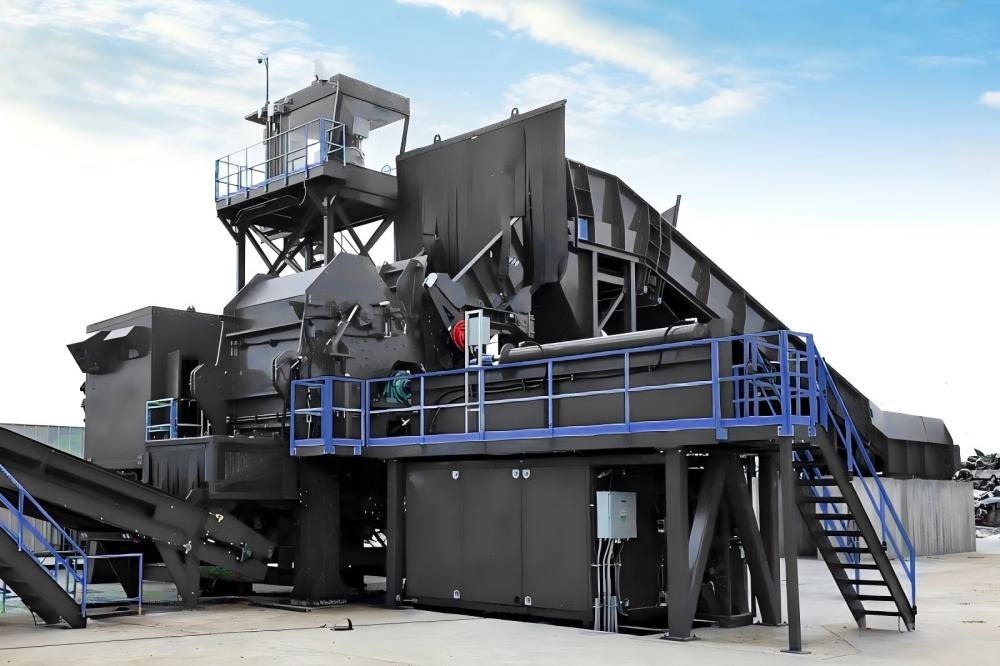
In the demanding world of metal fabrication and recycling, the hammer shredder stands as a cornerstone of productivity. However, operators often encounter Hammer Shredder Noise Problems: What the Sounds Mean and How to Solve Them. Understanding the acoustic signature of your machinery is not just about workplace comfort; it is a critical diagnostic tool for preventative maintenance. When a machine that is designed to crush heavy-duty scrap begins to emit irregular sounds, it is often the first warning sign of mechanical fatigue, misalignment, or impending component failure.
At HARSLE, we emphasize that industrial machinery should operate within a predictable decibel range. While shredders are inherently loud due to the nature of impact-based size reduction, there is a distinct difference between the rhythmic hum of a healthy machine and the erratic clatter of a failing one. By learning to interpret these sounds, maintenance teams can transition from reactive repairs to proactive care, significantly extending the lifespan of the equipment and ensuring consistent throughput in your production line.
This comprehensive guide explores the common acoustic indicators of shredder distress. We will break down the mechanical origins of these noises, provide actionable troubleshooting steps, and offer expert advice on how to mitigate noise pollution while maintaining peak operational efficiency. Whether you are managing a large-scale recycling facility or a specialized fabrication shop, mastering these diagnostic skills is essential for operational success.
Key Considerations for Shredder Acoustics
The first step in addressing Hammer Shredder Noise Problems: Sounds Mean Solve Them is establishing a baseline. Every industrial environment has a unique ambient noise profile, but the shredder itself should maintain a consistent sound signature under load. When the sound changes, it is usually indicative of a change in the physical state of the internal components. Operators should be trained to listen for changes in pitch, frequency, and rhythm, as these are the primary indicators of mechanical health.
Environmental factors also play a significant role in how noise is perceived and transmitted. In enclosed facilities, sound reverberation can amplify minor mechanical issues, making them seem more severe than they are. Conversely, in open-air yards, high-frequency squeals might be masked by wind or ambient traffic. It is vital to conduct regular acoustic audits of your equipment, ideally using decibel meters or vibration analysis tools to track performance trends over time.
Material consistency is another major factor. If you are feeding the shredder inconsistent scrap—such as mixing light-gauge sheet metal with heavy, hardened steel—the machine will naturally produce varying levels of noise. However, if the noise persists even when the feed is consistent, the issue is likely internal. Understanding the relationship between feed material and machine output is crucial for distinguishing between normal operational noise and genuine mechanical distress.
Finally, consider the structural integrity of the machine’s foundation. A shredder that is not perfectly leveled or anchored will vibrate excessively, creating structural noise that can be mistaken for internal mechanical failure. Always check the mounting bolts, vibration dampeners, and the concrete pad before assuming the noise is coming from the rotor or the hammers themselves. A stable machine is a quiet machine.
Technical Details: Decoding the Sounds
When investigating Hammer Shredder Noise Problems, it is helpful to categorize the sounds into specific mechanical symptoms. A rhythmic, metallic banging sound often points to loose or damaged hammers. If the hammers are not swinging freely or if the pins holding them in place have worn down, they will strike the rotor or the grate in an uneven pattern, creating a distinct ‘clunking’ noise that increases in intensity as the rotor speed fluctuates.
A high-pitched, piercing squeal is almost always a symptom of bearing failure or belt slippage. Bearings that are starved of lubrication or have reached the end of their service life will generate heat and friction, resulting in a high-frequency whine. Similarly, if the drive belts are loose or misaligned, they will slip under load, creating a screeching sound that is particularly noticeable during startup or when the shredder is under heavy torque.
Grinding or growling noises are often associated with internal debris or foreign object damage. If a piece of non-shreddable material, such as a hardened tool steel or a large chunk of concrete, enters the chamber, it can cause the hammers to deflect and strike the internal liners. This creates a deep, resonant growl that indicates the machine is struggling to process the material. Immediate shutdown is required in these instances to prevent catastrophic damage to the rotor assembly.
Finally, rattling sounds often indicate loose hardware or worn-out liners. Over time, the constant vibration of the shredding process can cause bolts to loosen. If the internal wear liners are not securely fastened, they will vibrate against the housing, creating a persistent rattling sound. Regular inspection of all internal fasteners is a simple yet effective way to eliminate this type of noise and prevent further mechanical degradation.
Selection Advice and Maintenance Strategies
Choosing the right equipment is the first step in avoiding long-term Hammer Shredder Noise Problems. When selecting a shredder, consider the specific material you intend to process. A machine designed for light aluminum will struggle and become noisy if used to process heavy steel scrap. HARSLE recommends selecting a shredder with a robust rotor design and high-quality, heat-treated hammers that are specifically matched to your material throughput requirements.
Maintenance is the most effective way to solve noise problems before they escalate. Implement a strict lubrication schedule for all bearings and moving parts. Friction is the enemy of quiet operation; by ensuring that every pivot point and bearing housing is properly greased, you reduce the mechanical stress that leads to noise. Use high-quality lubricants that are rated for the high-temperature, high-pressure environments typical of metal fabrication.
Regular inspection of the hammer assembly is non-negotiable. Hammers should be rotated or replaced according to the manufacturer’s recommended service intervals. When hammers wear unevenly, they cause the rotor to become unbalanced. An unbalanced rotor creates massive amounts of vibration, which not only generates noise but also puts excessive strain on the main shaft and the drive motor. Balancing the rotor is a specialized task that should be performed by trained technicians to ensure long-term stability.
Consider the installation of noise-dampening enclosures if your facility is located in a noise-sensitive area. While these enclosures do not fix the underlying mechanical issue, they can significantly reduce the acoustic footprint of the machine. Ensure that any enclosure is properly ventilated to prevent the shredder from overheating, as excessive heat can lead to premature component failure and even more noise in the long run.
Troubleshooting Checklist for Operators
- Check the Feed: Ensure the material being fed is within the machine’s design specifications.
- Inspect Hammers: Look for uneven wear, missing hammers, or seized pins.
- Verify Alignment: Check the drive motor and rotor alignment to ensure there is no binding.
- Lubrication Audit: Confirm that all grease points are serviced and that bearings are not running hot.
- Fastener Check: Tighten all housing bolts, liner bolts, and mounting hardware.
- Belt Tension: Inspect drive belts for signs of wear, glazing, or improper tension.
- Vibration Analysis: Use a handheld vibration meter to identify if the noise is coming from a specific bearing or shaft.
FAQ: Common Questions About Shredder Noise
Q: Why does my hammer shredder make a loud banging noise when it starts up?
A: This is often caused by the hammers swinging into position. If the noise is excessive, it may indicate that the hammer pins are worn or that the hammers are stuck due to debris buildup.
Q: Is it normal for a shredder to get louder as the hammers wear down?
A: Yes, as hammers wear, their geometry changes, which can lead to inefficient shredding and increased vibration, resulting in higher noise levels.
Q: How often should I perform a vibration analysis on my shredder?
A: For high-production environments, a monthly vibration analysis is recommended to catch bearing issues before they lead to a total machine failure.
Q: Can I use soundproofing foam to stop the noise?
A: You can use acoustic panels to reduce noise transmission, but never cover the machine in a way that restricts airflow or prevents access for maintenance.
Conclusion
Addressing Hammer Shredder Noise Problems: Sounds Mean Solve Them is a vital aspect of industrial maintenance that directly impacts your bottom line. By treating every unusual sound as a diagnostic data point, you can prevent minor issues from becoming costly repairs. HARSLE remains committed to providing the high-quality metal fabrication equipment and the technical knowledge necessary to keep your operations running smoothly and quietly. Remember, a well-maintained shredder is not only quieter but also more efficient, safer, and longer-lasting. Invest the time in regular inspections and proactive maintenance, and your machinery will reward you with years of reliable service.