Why Is My Four-Shaft Shredder Producing Oversized Pieces? Troubleshooting Guide


Introduction
In the world of industrial waste management and metal fabrication, the four-shaft shredder stands as a powerhouse of efficiency. Designed to handle complex, high-volume materials, these machines are engineered for precision and durability. However, even the most robust equipment can encounter operational hurdles. A common inquiry we receive at HARSLE is: “Is my four-shaft shredder producing oversized pieces?” When your output fails to meet the required particle size, it disrupts downstream processes, increases energy consumption, and can lead to premature wear on secondary equipment.
Understanding why your shredder is producing oversized pieces is the first step toward restoring peak operational efficiency. This troubleshooting guide explores the mechanical, material, and operational factors that contribute to inconsistent shredding. By systematically addressing these variables, you can ensure your HARSLE equipment continues to deliver the high-quality output your facility demands.
The four-shaft shredder operates on a principle of high-torque, low-speed shearing. Unlike two-shaft shredders, the addition of two extra shafts provides a secondary cutting stage, which is critical for achieving a uniform, smaller particle size. When this process is compromised, it is rarely due to a single catastrophic failure; rather, it is usually a symptom of cumulative wear or improper configuration. This article will walk you through the technical nuances of these machines to help you diagnose and resolve the issue effectively.
Whether you are processing scrap metal, electronic waste, or industrial plastics, the consistency of your output is a direct reflection of your machine’s health. We will examine the role of blade geometry, screen integrity, and feed rates in maintaining the desired output specifications. Let’s dive into the technical details of why your shredder might be underperforming and how you can rectify it.
Key Considerations for Shredder Performance
Before diving into complex mechanical repairs, it is essential to evaluate the operational environment of your four-shaft shredder. Often, the issue of oversized pieces is rooted in how the machine is being fed or the nature of the material being processed. If the material density or hardness has changed, your current machine settings may no longer be optimal for the task at hand.
The feed rate is a primary factor in shredder performance. If the shredding chamber is overfed, the material may bridge or bypass the cutting zones, leading to incomplete shredding. Conversely, an inconsistent feed can cause the shafts to fluctuate in speed, preventing the blades from engaging with the material at the necessary torque levels. Maintaining a steady, metered feed is crucial for consistent particle size.
Material characteristics play a significant role in output quality. Are you introducing materials that are outside the machine’s design specifications? For example, if your shredder is configured for light-gauge aluminum but you are feeding it heavy-duty steel, the blades will deflect, and the material will pass through the cutting gap without being properly sheared. Always verify that the material hardness matches the blade material and machine torque capacity.
Environmental factors, such as ambient temperature and lubrication, also influence performance. High-viscosity hydraulic oil in cold climates can slow down the hydraulic motors, reducing the cutting force. Ensure that your machine is operating within the recommended temperature range and that all lubrication points are serviced according to the HARSLE maintenance manual. Neglecting these basic operational parameters is a common cause of performance degradation.
Finally, consider the role of the discharge system. If the discharge conveyor is blocked or moving too slowly, material can back up into the shredding chamber. This creates a “cushion” of material that prevents the blades from making clean cuts, resulting in larger, ragged pieces. Ensuring a clear path for processed material is just as important as the shredding process itself.
Technical Details: Blade Wear and Screen Integrity
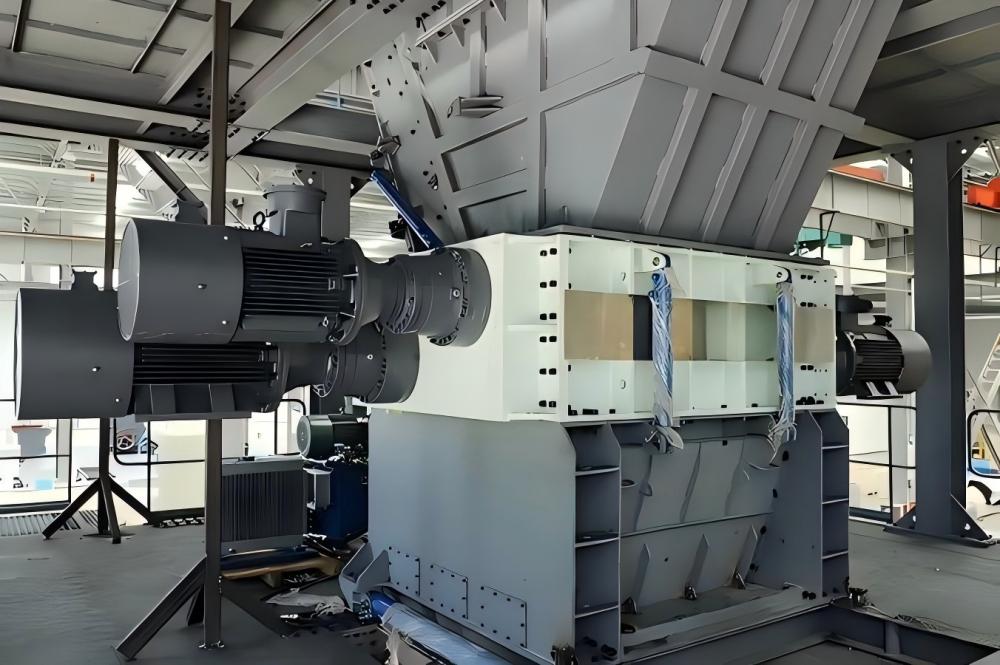
The heart of the four-shaft shredder is its cutting assembly. The interaction between the primary and secondary shafts is what defines the final output size. When you ask, “Is my four-shaft shredder producing oversized pieces?” the most likely culprit is the condition of the cutting blades. Over time, the edges of the blades become rounded or chipped, reducing their ability to “bite” into the material.
Blade gap is another critical technical parameter. As blades wear, the gap between the cutting edges increases. If this gap exceeds the manufacturer’s tolerance, the material will simply pass through the space rather than being sheared. Regular inspection of the blade gap using feeler gauges is a mandatory maintenance task. If the gap is too wide, it may be necessary to shim the blades or replace them entirely to restore the cutting efficiency.
The screen, or sizing grate, is the final arbiter of output size. If your shredder is equipped with a screen, it acts as a physical barrier that prevents material from exiting the chamber until it is small enough to pass through the apertures. If you are seeing oversized pieces, check the screen for signs of damage. A hole or a bent bar in the screen will allow large chunks of material to bypass the sizing process, leading to immediate quality issues.
Furthermore, the configuration of the blades—specifically the hook design—must match the application. Some materials require a more aggressive hook profile to pull the material into the cutting zone. If you have recently changed the type of material you are processing, your current blade configuration might be ill-suited for the new task. Consult with HARSLE technical support to determine if a different blade profile would better suit your current production needs.
Shaft synchronization is also vital. In a four-shaft system, the shafts must rotate in perfect harmony. If the timing gears are worn or if there is excessive play in the drive train, the shafts may not align correctly during the cutting cycle. This misalignment can create “dead zones” where material is not effectively gripped, leading to oversized output. Checking the gear backlash and timing is a more advanced troubleshooting step that should be performed by a qualified technician.
Selection Advice: Choosing the Right Shredder for Your Needs
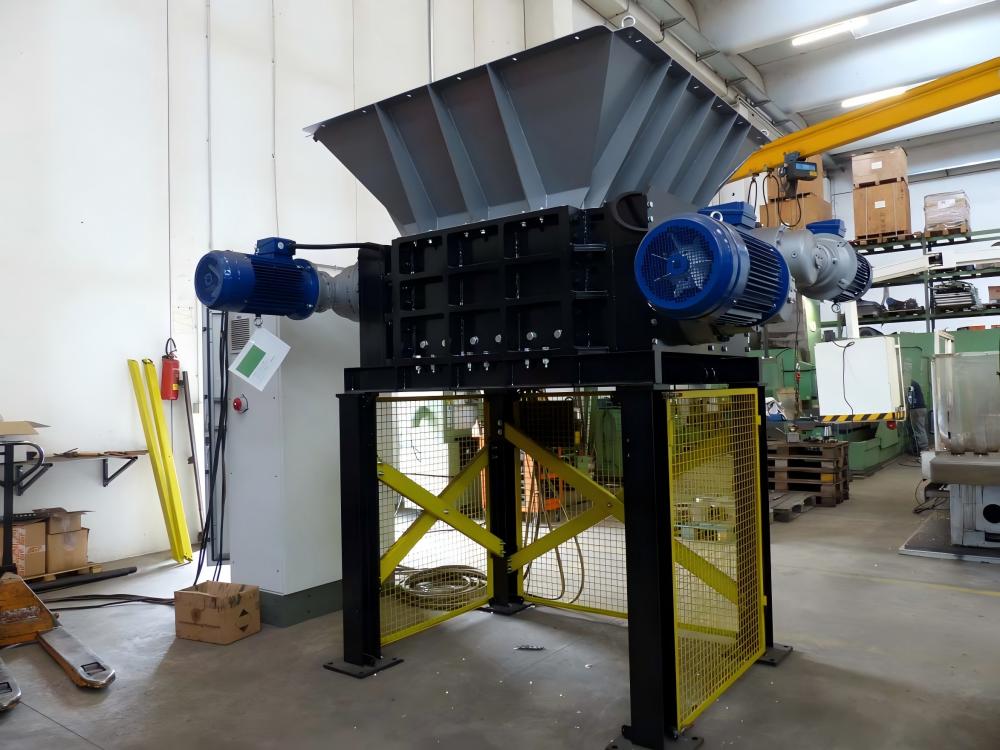
If you find that your current four-shaft shredder is consistently struggling to produce the desired output despite rigorous maintenance, it may be time to re-evaluate your equipment selection. Choosing the right shredder is not just about capacity; it is about matching the machine’s mechanical architecture to the specific physical properties of your waste stream.
When selecting a shredder, consider the torque-to-speed ratio. High-torque machines are better suited for dense, tough materials, while higher-speed machines may be more effective for lighter, voluminous materials. If your current machine lacks the torque to shear your material effectively, it will stall or produce oversized pieces as the blades fail to penetrate the material fully.
Consider the modularity of the shredder. HARSLE offers various configurations that allow for the swapping of blade types and screen sizes. If your business processes a wide variety of materials, a modular system is highly recommended. This flexibility allows you to optimize the machine for each specific job, ensuring that you are always producing the highest quality output with the lowest possible energy expenditure.
Think about the long-term cost of ownership. While a lower-cost shredder might seem attractive, the cost of frequent blade replacements and downtime due to poor output quality can quickly exceed the initial savings. Invest in equipment that features high-grade alloy steel blades and robust drive systems. These components are designed to maintain their integrity over thousands of hours of operation, providing a more consistent return on investment.
Finally, look for manufacturers that provide comprehensive support and training. Understanding the nuances of your machine is the best way to prevent performance issues. HARSLE provides detailed documentation and training resources to help your team master the operation and maintenance of your shredder. A well-trained operator is the most effective tool in your arsenal for preventing oversized output and maximizing machine longevity.
Troubleshooting FAQ
- Q: How often should I inspect the blade gap?
A: We recommend a visual inspection weekly and a precision measurement using feeler gauges every 200-500 operating hours, depending on the abrasiveness of the material. - Q: Can I sharpen the blades myself?
A: While some minor dressing can be done, professional regrinding is recommended to ensure the blade profile and hardness are maintained. Improper sharpening can lead to premature blade failure. - Q: Why does my shredder stall when processing large pieces?
A: Stalling is often caused by an overload of the cutting chamber or a lack of torque for the material density. Try reducing the feed rate or checking for material that is outside the machine’s rated capacity. - Q: Is it normal for the shredder to vibrate excessively?
A: Excessive vibration is usually a sign of an unbalanced load or worn bearings. If you notice unusual vibrations, stop the machine immediately and inspect the shafts and bearing housings. - Q: What is the most common cause of oversized output?
A: The most common cause is worn blades or an increased blade gap. Always check these two components first before moving on to more complex mechanical issues.
Conclusion
Addressing the question, “Is my four-shaft shredder producing oversized pieces?” requires a methodical approach that balances mechanical inspection with operational best practices. By focusing on the health of your cutting assembly—specifically the blades and the screen—and ensuring that your feed rates and material types are within the machine’s design parameters, you can effectively eliminate inconsistent output. Remember that the four-shaft shredder is a precision instrument; treating it with the appropriate level of care and maintenance will pay dividends in the form of increased productivity and reduced downtime.
At HARSLE, we are committed to providing the metal fabrication industry with the most reliable and efficient machinery available. If you have followed this troubleshooting guide and are still experiencing issues, our technical support team is always ready to assist. Whether you need replacement parts, a blade profile consultation, or a complete system audit, we are here to ensure your operations run smoothly. Don’t let oversized pieces compromise your production quality—take control of your shredding process today.
Regular maintenance is not just a chore; it is a strategic investment in the longevity of your equipment. By keeping a detailed maintenance log and training your staff on the signs of wear, you can catch problems before they result in significant downtime. Thank you for choosing HARSLE for your industrial shredding needs. We look forward to helping you achieve the consistent, high-quality results your business deserves.