How to Fix Uneven Output From A Four-Shaft Shredder: A Comprehensive Maintenance Guide


Introduction to Four-Shaft Shredder Performance
In the world of industrial waste management and metal fabrication, the four-shaft shredder stands as a pinnacle of efficiency and power. Designed to handle complex materials ranging from hazardous waste to bulky scrap metal, these machines rely on a precise synchronization of four rotating shafts to achieve uniform particle size. However, even the most robust HARSLE equipment can encounter performance issues over time. When operators notice that the shredded material is coming out in irregular sizes or inconsistent volumes, it is time to address the problem systematically.
Learning how to fix uneven output from a four-shaft shredder is essential for maintaining operational throughput and protecting the longevity of your machinery. Uneven output is rarely a sign of a single catastrophic failure; rather, it is usually a symptom of wear, misalignment, or improper feeding techniques. By understanding the mechanical interplay between the shafts, the cutting blades, and the screen sizing system, operators can restore peak performance and ensure that their recycling or fabrication process remains profitable and efficient.
This guide serves as a comprehensive resource for maintenance teams and plant managers. We will explore the technical nuances of four-shaft shredder operation, identify the root causes of output inconsistency, and provide actionable steps to troubleshoot and resolve these issues. Whether you are processing RDF (Refuse Derived Fuel) or heavy-duty industrial scrap, the principles of maintaining a consistent output remain the same.
Key Considerations for Shredder Consistency
Before diving into mechanical repairs, it is vital to consider the operational environment. The most common reason for uneven output is often related to the material being fed into the machine. If the feedstock is too heterogeneous—meaning it contains a mix of materials with vastly different hardness levels—the shredder will naturally struggle to produce a uniform output. For instance, mixing light plastics with heavy-gauge steel will cause the shafts to deflect differently, leading to inconsistent shearing.
Another critical factor is the feed rate. Overloading the shredder chamber can lead to “bridging,” where material gets stuck above the shafts rather than being pulled through the cutting zone. When this happens, the material is shredded intermittently, resulting in a mix of finely shredded pieces and large, un-shredded chunks. Maintaining a steady, metered feed is one of the simplest ways to fix uneven output from a four-shaft shredder without needing to disassemble the machine.
Environmental factors also play a role. If the shredder is operating in a high-moisture environment, sticky materials can clog the screen or the gaps between the blades. This buildup creates a barrier that prevents material from passing through at the intended size, forcing the machine to re-shred some pieces while letting others pass through prematurely. Regular cleaning cycles and environmental control are essential for consistent output.
Finally, consider the power supply and motor synchronization. Four-shaft shredders rely on high-torque motors that must operate in perfect harmony. If one motor is lagging or experiencing voltage drops, the shafts will not rotate at the required speed, leading to uneven shearing forces. Monitoring the electrical load and ensuring that the VFD (Variable Frequency Drive) settings are optimized for the specific material density is a key step in the troubleshooting process.
Technical Details: Troubleshooting the Cutting System
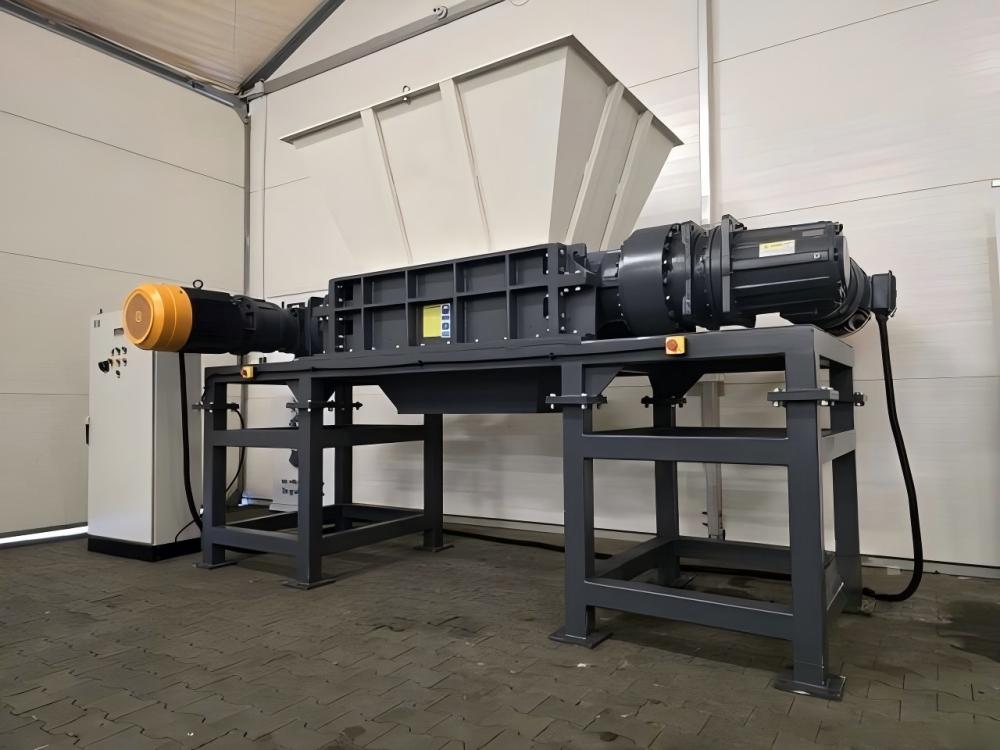
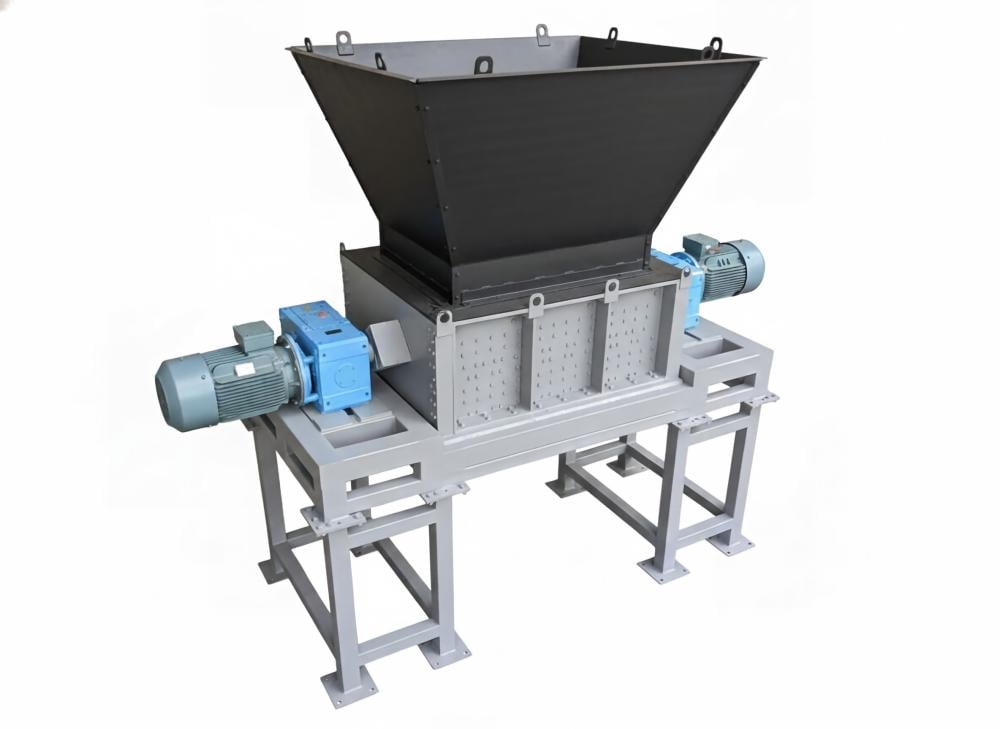
The heart of the four-shaft shredder is its cutting chamber. The interaction between the primary shafts and the secondary shafts is what dictates the final particle size. If you are looking to fix uneven output from a four-shaft shredder, the first technical area to inspect is the blade condition. Over time, the teeth of the shredder blades will dull. When blades are dull, they tend to tear the material rather than cut it cleanly, which results in jagged, uneven edges and inconsistent sizing.
Blade gap adjustment is equally important. The clearance between the blades on adjacent shafts must be maintained within the manufacturer’s specifications. If the gap is too wide, material can pass through without being properly sheared. If the gap is too narrow, the blades may collide or experience excessive friction, leading to heat buildup and potential shaft deflection. Using feeler gauges to check these gaps during scheduled maintenance is a standard procedure for HARSLE equipment owners.
The screen or sizing grate at the bottom of the shredder is the final gatekeeper of output quality. If the screen is damaged, warped, or partially blocked, the material will not be discharged uniformly. Inspect the screen for signs of fatigue or holes that have widened due to abrasive wear. A damaged screen will allow larger-than-intended pieces to exit the chamber, creating an immediate perception of uneven output. Replacing or repairing the screen is often the most direct solution to this specific problem.
Shaft alignment is a more complex technical issue. If the shafts have become slightly misaligned due to heavy impact or bearing wear, the synchronization of the teeth will be compromised. This misalignment can cause one side of the shredder to work harder than the other, leading to uneven wear patterns on the blades. Checking the bearing housings and the drive train for play or vibration is essential. If you detect excessive vibration, it is a strong indicator that the shafts are not running true, and professional recalibration may be necessary.
Selection Advice for Optimal Performance
When selecting a four-shaft shredder, the best way to avoid output issues is to choose the right machine for your specific application from the start. HARSLE offers various configurations, and selecting a model with the correct torque-to-speed ratio for your material is paramount. If you are shredding high-tensile metals, you need a machine with a lower RPM and higher torque to ensure that the material is forced through the cutting zone consistently.
Consider the blade configuration. Different hook designs are available for different materials. A multi-hook blade is excellent for high-volume, low-density materials, while a single-hook blade provides the aggressive bite needed for heavy scrap. Using the wrong blade design for your material is a common cause of uneven output. Consult with HARSLE technical representatives to ensure your blade profile matches your feedstock requirements.
Maintenance accessibility should also be a selection criterion. A machine that is easy to open and inspect will be maintained more frequently. Look for features like hydraulic screen changers or modular blade shafts that allow for quick replacements. When maintenance is easy, operators are more likely to perform it, which directly correlates to more consistent output over the life of the machine.
Finally, invest in a robust control system. Modern shredders come with intelligent PLC systems that monitor motor load and automatically adjust the feed rate or reverse the shafts if a jam is detected. This automation prevents the machine from struggling with oversized material, which is a primary cause of uneven shredding. A well-integrated control system acts as a buffer, ensuring that the machine operates within its optimal parameters at all times.
FAQ: Common Questions on Shredder Output
Why is my shredder producing oversized pieces?
Oversized pieces are usually caused by a damaged or worn screen, or by excessive blade gaps. Inspect the screen for holes and check the blade clearance to ensure it meets HARSLE specifications.
How often should I sharpen the shredder blades?
The frequency of sharpening depends on the abrasiveness of the material. For heavy metal scrap, we recommend a visual inspection every 200 operating hours. If the edges show significant rounding, it is time for maintenance.
Can the feed rate affect the output size?
Yes. Feeding the machine too quickly causes the chamber to choke, preventing the blades from making clean cuts. Always maintain a steady, consistent feed rate to ensure uniform output.
What should I do if the shafts are vibrating?
Vibration is a sign of mechanical imbalance. Check the bearings for wear and ensure that the shafts are properly aligned. If the vibration persists, contact HARSLE support for a professional inspection.
Is it normal for the shredder to make loud banging noises?
Occasional loud noises are normal when shredding dense materials, but constant banging suggests that the shafts are hitting each other or that there is a foreign object in the chamber. Stop the machine immediately and inspect the cutting chamber.
Conclusion: Maintaining Your HARSLE Shredder
Fixing uneven output from a four-shaft shredder is a process of elimination that starts with the material and ends with the mechanical integrity of the cutting chamber. By maintaining a consistent feed, regularly inspecting blade gaps, and ensuring that the sizing screen is in perfect condition, you can ensure that your HARSLE equipment continues to deliver the high-quality output your business demands. Remember that proactive maintenance is always more cost-effective than reactive repairs.
As an operator of industrial metal fabrication equipment, your goal is to maximize uptime and efficiency. When you understand the technical nuances of your shredder, you gain the ability to troubleshoot issues before they lead to downtime. HARSLE is committed to providing not just the machinery, but the knowledge required to keep your operations running smoothly. If you encounter persistent issues that cannot be resolved with standard maintenance, our technical support team is always available to assist with advanced diagnostics and parts replacement.
Consistency in output is the hallmark of a well-maintained machine. By following the guidelines outlined in this article, you can extend the service life of your four-shaft shredder and maintain the high standards of your production line. Whether you are processing scrap for recycling or preparing materials for further fabrication, a properly tuned shredder is your most valuable asset in the facility.