How to Fix Inconsistent Rotational Speed in a Double-Shaft Shredder: A Comprehensive HARSLE Maintenance Guide


Introduction
In the demanding world of metal fabrication and industrial waste management, the double-shaft shredder stands as a cornerstone of efficiency. However, operators often encounter the frustrating issue of fluctuating performance. When you need to fix inconsistent rotational speed in a double-shaft shredder, it is essential to understand that this is rarely a single-point failure. Instead, it is usually a symptom of a deeper mechanical or electrical imbalance within the system.
At HARSLE, we prioritize equipment longevity and peak operational performance. Inconsistent rotational speed not only reduces your throughput but also places undue stress on the shredder’s internal components, such as the shafts, bearings, and gearboxes. By addressing these speed fluctuations early, you can prevent catastrophic equipment failure and ensure your recycling or fabrication line remains profitable and productive.
This guide is designed to walk you through the diagnostic process, technical adjustments, and preventative maintenance strategies required to stabilize your machinery. Whether you are dealing with minor speed jitters or significant torque drops, understanding the root cause is the first step toward a permanent solution.
Key Considerations for Shredder Stability
Before diving into complex repairs, it is crucial to evaluate the operational environment. Often, the reason you need to fix inconsistent rotational speed in a double-shaft shredder lies in the material feed process. If the shredder is being fed unevenly, the motor will naturally struggle to maintain a constant RPM as it encounters varying levels of resistance. Ensure that your feeding mechanism, whether manual or automated, provides a steady stream of material to the cutting chamber.
Another key consideration is the power supply stability. Industrial shredders require significant electrical current to maintain high torque at consistent speeds. Voltage drops or phase imbalances in your facility’s power grid can cause the motor to stutter. Using a multimeter to check the voltage across all three phases while the machine is under load can help you identify if the issue is electrical rather than mechanical.
Environmental factors also play a role. Dust, debris, and extreme temperature fluctuations can affect the performance of sensors and electrical controllers. Ensure that your control cabinet is properly sealed and that the cooling fans for your motor and VFD (Variable Frequency Drive) are clean and operational. A motor that is overheating will often throttle its own speed to prevent internal damage.
Finally, consider the age and wear of your cutting blades. If the blades are dull or chipped, they will catch on materials inconsistently, causing the shafts to jerk or slow down as they struggle to shear the metal. A visual inspection of the cutting teeth should be a part of your daily pre-shift routine to ensure that the mechanical load remains predictable throughout the shredding cycle.
Technical Details: Diagnosing the Drive Train
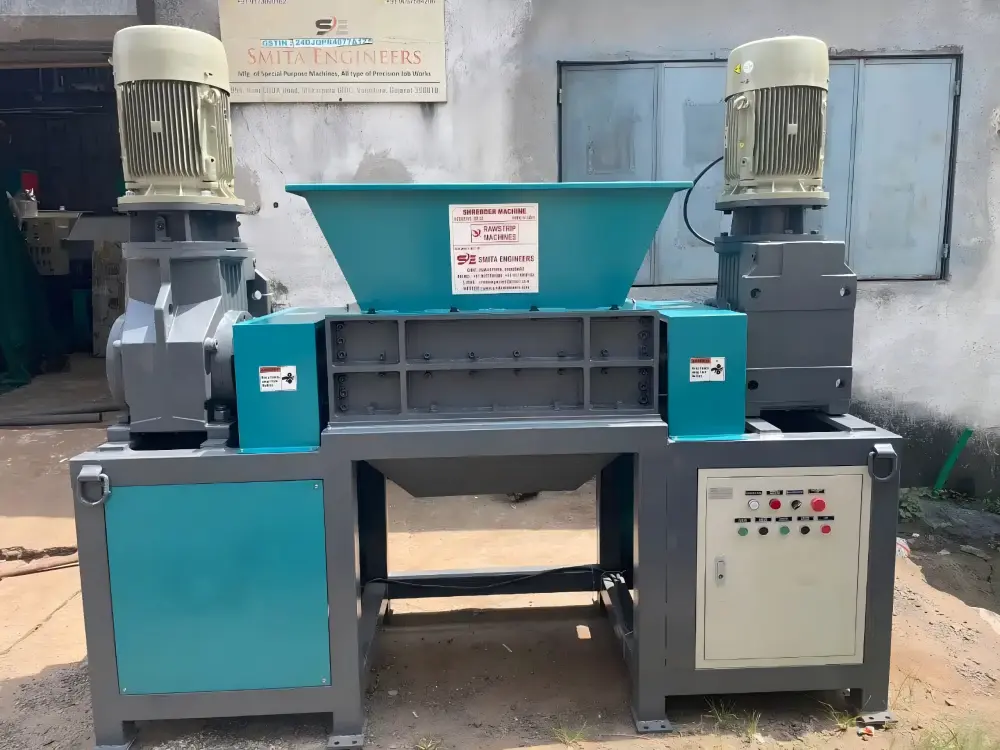
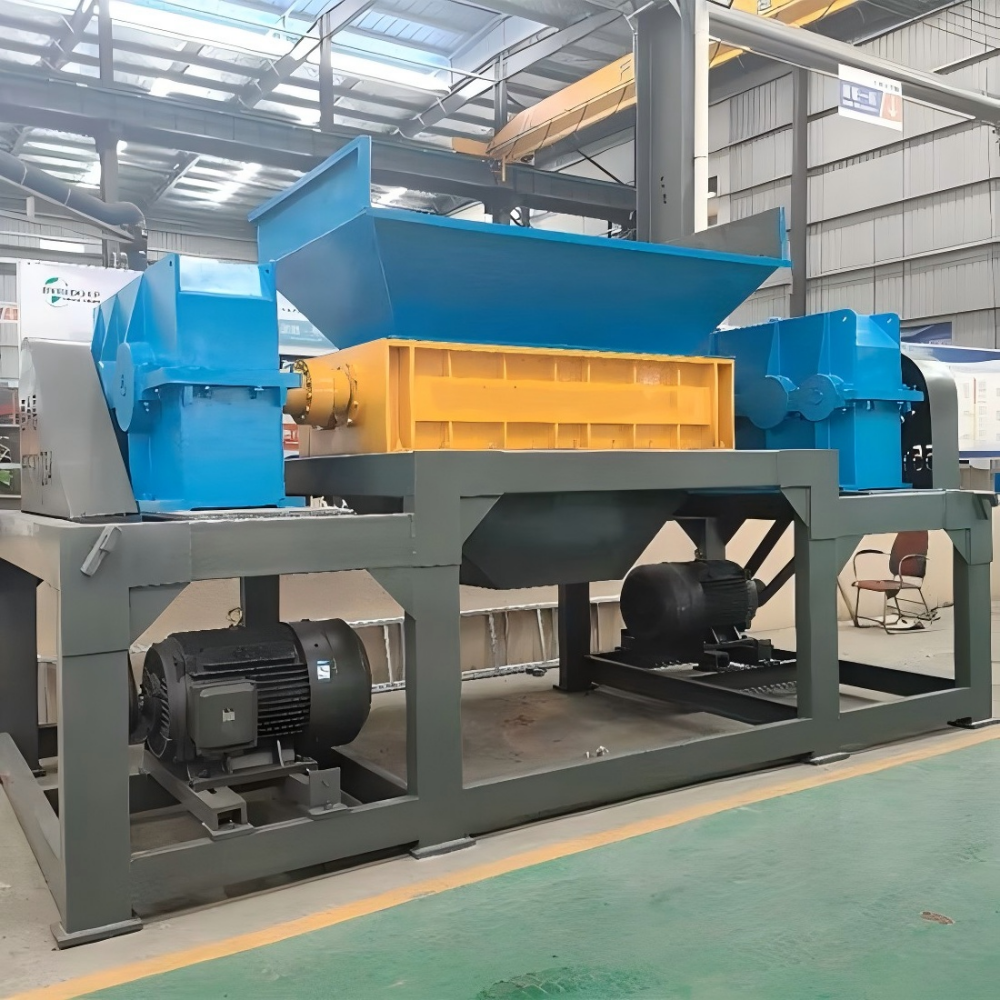
When you set out to fix inconsistent rotational speed in a double-shaft shredder, the drive train is your primary area of focus. The drive train consists of the motor, the coupling, the gearbox, and the shafts themselves. Any slippage or mechanical resistance in these components will manifest as inconsistent speed. Start by checking the coupling between the motor and the gearbox. If the rubber inserts or the alignment is compromised, you will experience vibration and speed fluctuations.
The gearbox is the heart of the shredder’s torque delivery. If the internal gears are worn or if the lubrication is contaminated, the friction will increase, causing the motor to work harder and fluctuate in speed. Check the oil levels and look for metal shavings in the lubricant. The presence of metal particles is a clear indicator of gear wear that requires immediate attention to prevent total gearbox failure.
The VFD settings are another technical area that requires scrutiny. If your shredder is equipped with a VFD, the parameters for torque compensation and acceleration/deceleration ramps might be incorrectly configured. Sometimes, a simple reset or recalibration of the VFD can resolve speed inconsistencies. Ensure that the drive is correctly programmed to handle the specific load characteristics of the material you are processing.
Bearings are often overlooked but are critical for smooth rotation. If a bearing is beginning to seize, it will create intermittent drag on the shaft. Use a thermal imaging camera or a vibration analyzer to check the temperature and vibration levels of the bearing housings. A bearing that runs significantly hotter than its counterpart is likely failing and needs to be replaced before it causes the shaft to bind.
Selection Advice: Choosing the Right Equipment
If you find that you are constantly struggling to fix inconsistent rotational speed in a double-shaft shredder, it may be time to evaluate whether your current machine is properly sized for your application. A common mistake in metal fabrication is under-specifying the shredder. If you are processing heavy-gauge steel with a shredder designed for light aluminum, the machine will always struggle, leading to speed fluctuations and premature wear.
When selecting a new shredder, look for models with high-torque, low-speed designs. These machines are inherently more stable when processing tough materials. HARSLE offers a range of double-shaft shredders engineered with robust gearboxes and high-efficiency motors specifically designed to handle the rigors of industrial metal recycling without losing rotational consistency.
Consider the control system as well. Modern shredders should come with intelligent PLC (Programmable Logic Controller) systems that can automatically reverse the shafts if a jam is detected. This prevents the motor from stalling and helps maintain a consistent workflow. Investing in a machine with advanced diagnostic capabilities will save you countless hours of troubleshooting in the long run.
Finally, prioritize build quality. The rigidity of the frame and the precision of the shaft alignment are paramount. A machine that flexes under load will never maintain a consistent speed. Choose a manufacturer that uses high-grade steel and precision machining for all structural components. At HARSLE, we emphasize the importance of structural integrity to ensure that our equipment performs reliably under the most demanding conditions.
FAQ: Common Questions About Shredder Speed
Why does my shredder slow down when it hits a thick piece of metal?
It is normal for a shredder to experience a slight momentary dip in speed when encountering high-density material. However, if the speed does not recover quickly, it indicates that the motor lacks the necessary torque or the gearbox is experiencing excessive internal friction.
How often should I check the gearbox oil?
You should inspect the gearbox oil every 500 to 1,000 hours of operation. If you notice discoloration or metallic particles, change the oil immediately and investigate the cause of the contamination.
Can a loose drive belt cause speed issues?
Yes, if your shredder uses a belt-driven system, a loose or worn belt will slip under load, causing the shafts to lose speed even if the motor is running at full capacity. Always ensure belts are tensioned to the manufacturer’s specifications.
Is it possible that the PLC is causing the speed fluctuations?
While less common, a faulty PLC or a corrupted program can send erratic signals to the VFD. If all mechanical components check out, consult your HARSLE technical manual to verify the PLC logic and sensor inputs.
Conclusion
Learning how to fix inconsistent rotational speed in a double-shaft shredder is a vital skill for any maintenance team in the metal fabrication industry. By systematically checking your power supply, drive train, and material feed, you can identify the root cause of speed fluctuations and implement a lasting fix. Remember that consistent maintenance is the best way to avoid these issues in the first place.
At HARSLE, we are committed to providing not only the best metal fabrication equipment but also the knowledge required to keep your operations running smoothly. If you have followed these steps and are still experiencing issues, do not hesitate to reach out to our technical support team. We are here to ensure your shredder remains a reliable asset in your facility for years to come.
Regular inspections, proper lubrication, and timely replacement of worn parts are the pillars of industrial machinery longevity. By staying proactive, you ensure that your production line remains efficient, your downtime is minimized, and your equipment continues to deliver the high-performance results your business demands.