Double-Shaft Shredder Seal Leakage Problems: Causes, Risks, and Solutions


Introduction to Double-Shaft Shredder Seal Leakage Problems: Causes, Risks, and Solutions
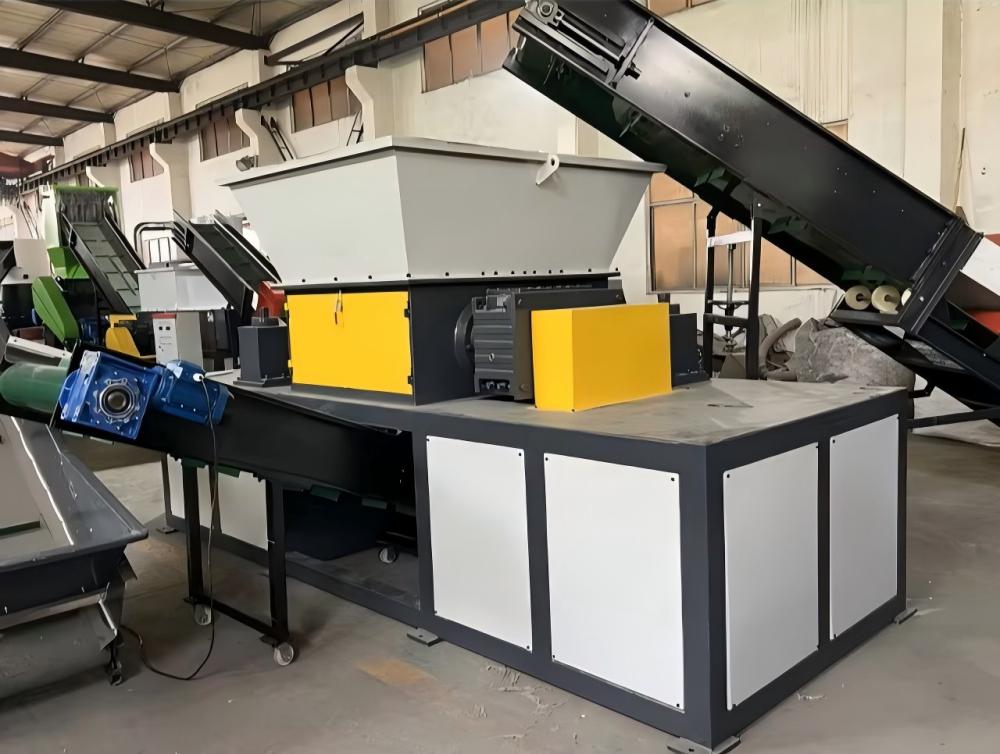
In the demanding world of industrial waste management and metal fabrication, the double-shaft shredder stands as a cornerstone of efficiency. These machines are engineered to process high-volume, high-density materials, ranging from scrap metal to complex industrial waste. However, even the most robust HARSLE equipment is subject to mechanical wear. Among the most critical maintenance challenges operators face is the issue of seal leakage. Understanding the Double-Shaft Shredder Seal Leakage Problems: Causes, Risks, and Solutions is essential for any facility manager looking to maximize uptime and protect their capital investment.
The sealing system in a double-shaft shredder serves a dual purpose: it retains the lubricating grease within the bearing housing and prevents external contaminants—such as metal dust, moisture, and shredded debris—from entering the sensitive internal components. When this barrier is compromised, the entire integrity of the shredder is at risk. This article provides a comprehensive deep dive into why these leaks occur, the catastrophic risks they pose to your machinery, and the professional solutions required to mitigate them effectively.
Key Considerations for Shredder Seal Integrity
Maintaining the seal integrity of a double-shaft shredder requires a proactive approach rather than a reactive one. The environment in which these machines operate is inherently hostile. High-torque shredding generates significant heat, vibration, and airborne particulates that constantly attack the sealing surfaces. Operators must prioritize the environmental conditions surrounding the machine, as excessive dust accumulation can accelerate the degradation of rubber or mechanical seals.
Another key consideration is the lubrication management system. Seals are designed to operate within specific temperature and pressure ranges. If the lubrication system is improperly calibrated, or if the wrong type of grease is utilized, the seal material may harden, crack, or lose its elasticity. This leads to “dry running” conditions where the seal lip rubs against the shaft without adequate lubrication, resulting in rapid wear and eventual leakage.
Furthermore, the material being processed plays a significant role. Shredding abrasive materials, such as hardened steel or contaminated plastics, creates fine dust that acts like sandpaper when it reaches the seal interface. Facilities processing these materials must implement more frequent cleaning cycles and consider upgrading to specialized, heavy-duty seal configurations designed for high-abrasion environments.
Finally, the human element cannot be overlooked. Proper operator training regarding the early warning signs of seal failure—such as unusual noise, localized heating, or visible grease seepage—is the first line of defense. A culture of preventative maintenance, where seals are inspected during every scheduled downtime, ensures that minor issues are addressed before they escalate into major mechanical failures.
Technical Details: Why Seal Leakage Occurs
The technical causes of Double-Shaft Shredder Seal Leakage Problems: Causes, Risks, and Solutions are multifaceted. Primarily, mechanical wear is the most common culprit. Over thousands of hours of operation, the shaft surface where the seal lip makes contact can develop grooves or scoring. Even a microscopic groove provides a path for lubricant to escape and contaminants to enter. In such cases, simply replacing the seal is insufficient; the shaft surface must be repaired or sleeved to restore a smooth contact area.
Thermal expansion and contraction also play a significant role. As the shredder operates, the internal components heat up, causing the metal shafts and housings to expand. If the seal material is not compatible with these thermal fluctuations, it may lose its sealing force. This is particularly common in high-speed shredding applications where internal temperatures can spike rapidly, putting immense stress on standard elastomer seals.
Misalignment is another technical factor that often goes unnoticed. If the shredder shafts are not perfectly parallel or if the bearing housing has shifted due to heavy impact loads, the seal will be subjected to uneven pressure. This causes the seal to wear prematurely on one side, leading to a classic “crescent-shaped” leakage pattern. Precision alignment during installation and periodic checks are mandatory to prevent this structural stress.
Lastly, chemical degradation is a factor for facilities processing hazardous or chemically active waste. If the seal material is not chemically resistant to the substances being shredded, the material will swell, soften, or become brittle. It is imperative to consult with HARSLE technical support to ensure that the seal material—whether it be Viton, Nitrile, or PTFE—is compatible with the specific waste stream being processed.
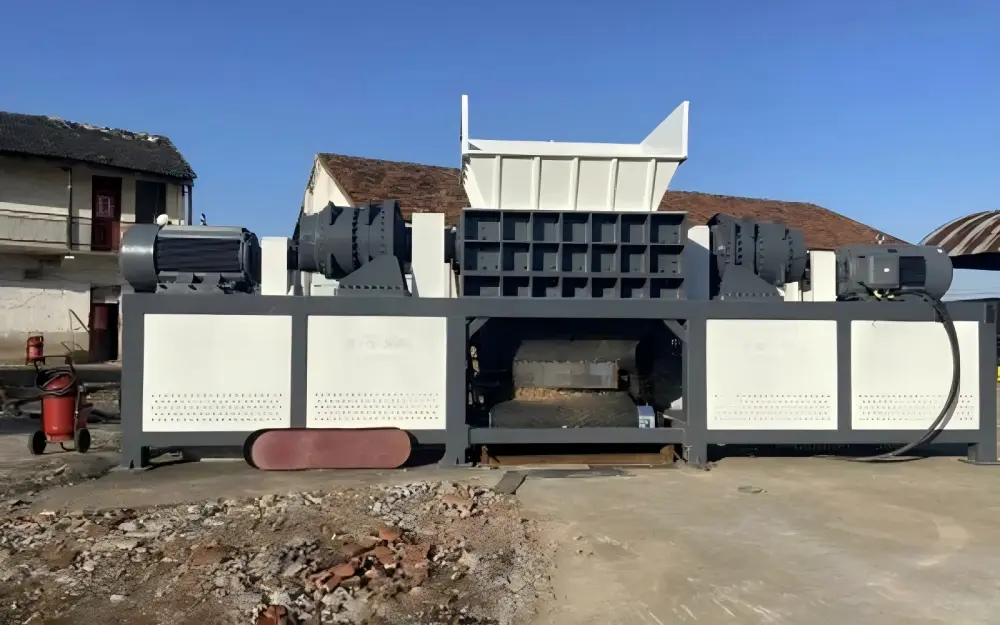
Risks Associated with Seal Failure
Ignoring the early signs of seal leakage leads to a cascade of risks that can cripple industrial operations. The most immediate risk is the contamination of the bearing assembly. Bearings are the heart of the double-shaft shredder; once metal dust or moisture enters the bearing race, the lubricant is compromised, leading to rapid overheating, spalling, and eventual bearing seizure. A seized bearing can cause the entire shaft to lock up, potentially damaging the gearbox and motor.
Financial risks are equally significant. Beyond the cost of replacing the seals and bearings, the downtime associated with a major shredder failure is often the most expensive component. Unplanned maintenance disrupts production schedules, delays shipments, and incurs overtime costs for repair crews. In high-volume facilities, even a few hours of downtime can result in thousands of dollars in lost revenue.
Safety risks to personnel must also be considered. A leaking seal often results in grease or oil pooling on the floor around the machine, creating a significant slip-and-fall hazard. Furthermore, if a bearing fails catastrophically while the machine is under load, the resulting vibration and mechanical stress can lead to structural damage to the shredder frame or even the ejection of debris, posing a direct threat to nearby workers.
Finally, there is the environmental risk. Industrial lubricants and greases are hazardous materials. Leakage that is not contained can seep into the facility’s drainage system or contaminate the processed material, leading to potential regulatory fines and environmental cleanup costs. Maintaining a clean, leak-free machine is not just a maintenance task; it is a commitment to operational safety and environmental compliance.
Selection Advice and Maintenance Strategies
When selecting a double-shaft shredder, or when performing a major overhaul, the choice of sealing technology is paramount. For standard applications, high-quality radial lip seals are often sufficient. However, for heavy-duty metal fabrication, labyrinth seals or mechanical face seals offer superior protection. Labyrinth seals, in particular, use a series of intricate paths to prevent contaminants from reaching the bearing, making them ideal for dusty environments.
Maintenance strategies should be built around a rigorous schedule. We recommend the following checklist for facility managers:
- Daily Visual Inspection: Check for any signs of grease leakage or unusual dust accumulation around the shaft ends.
- Temperature Monitoring: Use infrared thermometers to monitor bearing housing temperatures. A sudden spike is often a precursor to seal and bearing failure.
- Lubrication Analysis: Regularly sample the grease. If the grease appears grey or contains metallic particles, it is a definitive sign that the seal has failed and contaminants are entering the housing.
- Vibration Analysis: Implement periodic vibration testing to detect early signs of shaft misalignment or bearing wear.
When it comes to replacement, always use original equipment manufacturer (OEM) parts. While aftermarket seals may be cheaper, they often lack the precise tolerances and material specifications required for the high-torque, high-impact environment of a HARSLE shredder. Investing in genuine parts ensures that the seal will perform as intended, providing the necessary protection for your expensive internal components.
FAQ: Common Questions About Shredder Seals
Q: How often should I replace the seals on my double-shaft shredder?
A: There is no fixed interval, as it depends on the material processed and the operating hours. However, a proactive replacement schedule during major overhauls (every 2,000–4,000 hours) is recommended to prevent unexpected failures.
Q: Can I repair a grooved shaft without replacing it?
A: Yes, in many cases, you can use a shaft repair sleeve (such as a Speedi-Sleeve) to restore the sealing surface. This is a cost-effective alternative to replacing the entire shaft.
Q: What is the most common cause of seal failure?
A: Contamination ingress due to poor maintenance or operating in an excessively dusty environment is the most frequent cause. Keeping the area around the seal clean is critical.
Q: Does the type of grease matter for seal longevity?
A: Absolutely. Using a grease that is incompatible with the seal material can cause the seal to swell or degrade. Always follow the HARSLE maintenance manual for recommended lubricant specifications.
Conclusion
Addressing Double-Shaft Shredder Seal Leakage Problems: Causes, Risks, and Solutions is a fundamental aspect of owning and operating industrial metal fabrication equipment. By understanding the technical causes—ranging from mechanical wear to thermal expansion—and recognizing the severe risks associated with neglect, operators can take control of their maintenance destiny. Through rigorous inspection, the use of high-quality OEM components, and a commitment to proactive lubrication management, you can ensure that your HARSLE double-shaft shredder remains a reliable, high-performing asset for years to come. Remember, a well-maintained seal is the silent guardian of your machine’s longevity and your facility’s profitability.