How to Prevent and Fix Blade Cracking in an Alligator Shear: A Comprehensive Maintenance Guide


Introduction
In the demanding world of metal recycling and scrap processing, the alligator shear stands as a workhorse. Known for its robust design and high-force cutting capabilities, this machine is essential for reducing oversized metal components into manageable sizes. However, one of the most persistent and costly challenges operators face is the premature failure of the cutting blades. When you need to prevent fix blade cracking in an alligator shear, you are not just performing maintenance; you are protecting the longevity of your investment and ensuring workplace safety.
Blade cracking is rarely a random event. It is almost always the result of a combination of mechanical stress, improper material handling, or metallurgical fatigue. For operators using HARSLE industrial equipment, understanding the root causes of these fractures is the first step toward operational excellence. This guide explores the technical nuances of blade integrity, offering actionable strategies to minimize downtime and maximize the lifespan of your cutting tools.
By adhering to strict maintenance protocols and understanding the limitations of your machinery, you can significantly reduce the frequency of blade replacements. Whether you are dealing with high-carbon steel, stainless alloys, or mixed scrap, the principles of shear maintenance remain consistent. Let us dive into the technical requirements for maintaining blade integrity in high-pressure environments.
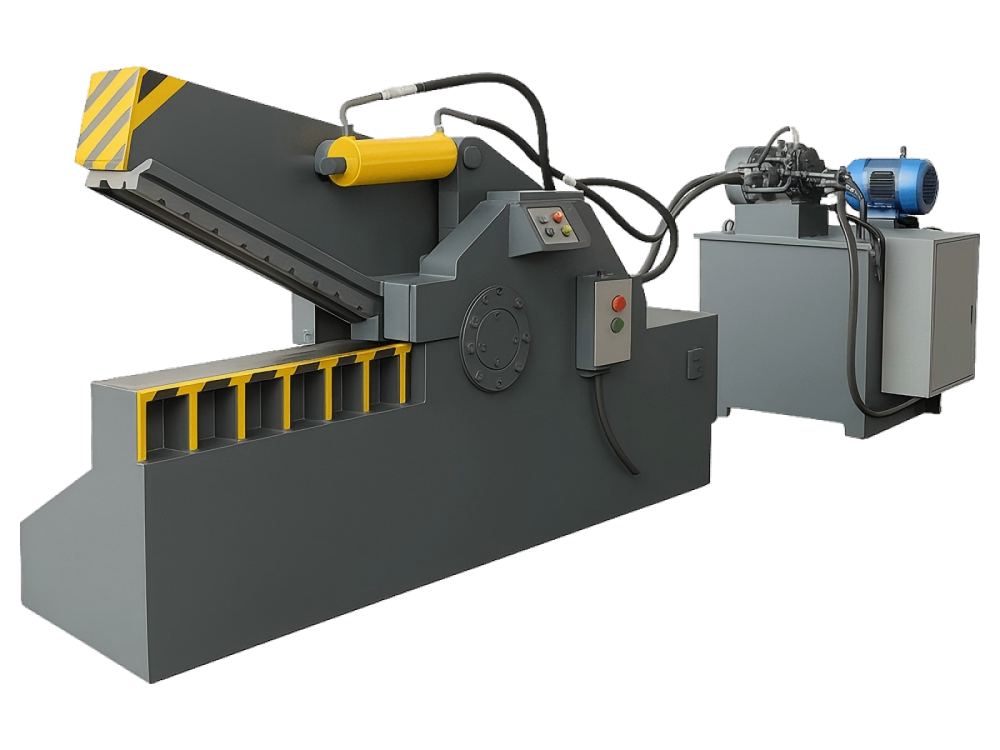
Key Considerations for Blade Longevity
The primary factor in blade failure is often the mismatch between the material being cut and the blade’s hardness profile. Alligator shears are designed to handle specific tensile strengths. When an operator attempts to cut hardened steel or materials that exceed the machine’s rated capacity, the shock load is transferred directly to the blade edge. This shock can cause microscopic fissures that eventually propagate into full-scale cracks.
Another critical consideration is the clearance between the upper and lower blades. If the gap is too wide, the material tends to bend rather than shear, creating a “tearing” effect that puts uneven lateral pressure on the blade. Conversely, if the clearance is too tight, the blades may collide or rub, leading to galling and heat buildup. Both scenarios accelerate the fatigue process, making it vital to calibrate your shear settings regularly.
Environmental factors also play a role. Operating in extreme temperatures or environments with high levels of abrasive dust can degrade the blade surface. Dust and debris can get trapped between the blades, acting as a wedge that creates localized stress points. Keeping the shear area clean and properly lubricated is not just a housekeeping task; it is a fundamental requirement for preventing structural failure.
Finally, the operator’s technique is paramount. Feeding material at an angle or attempting to cut multiple layers of thick scrap simultaneously can cause the blade to twist under load. The alligator shear is designed for a clean, perpendicular cut. Any deviation from this path introduces torsional forces that the blade material is not designed to withstand, leading to brittle fractures.
Technical Details: Why Blades Crack
To effectively prevent fix blade cracking in an alligator shear, one must understand the metallurgy involved. Most shear blades are manufactured from high-alloy tool steels, such as D2 or H13, which are heat-treated to achieve a balance between hardness and toughness. Hardness allows the blade to maintain a sharp edge, while toughness prevents it from shattering under impact.
When a blade cracks, it is often due to “hydrogen embrittlement” or improper tempering. If a blade has been reground too many times, the heat generated during the grinding process can draw the temper out of the steel, making it brittle. Once the temper is compromised, the blade loses its ability to absorb the shock of the cutting cycle, leading to hairline cracks that eventually grow into catastrophic failures.
Thermal fatigue is another technical culprit. During continuous operation, the blades heat up due to friction. If the cooling process is inconsistent or if the machine is pushed beyond its duty cycle, the rapid expansion and contraction of the metal can induce internal stresses. These stresses manifest as cracks, particularly near the bolt holes or the cutting edge where the material is thinnest.
Furthermore, the mounting surface of the blade seat must be perfectly flat. If the seat is worn or uneven, the blade will be subjected to bending stresses every time it makes a cut. Over thousands of cycles, this constant flexing leads to metal fatigue. Ensuring that the blade seat is inspected for flatness during every blade change is a critical technical step that many operators overlook.

Selection Advice: Choosing the Right Blade
Selecting the correct blade is the most proactive way to prevent fix blade cracking in an alligator shear. Not all blades are created equal, and the “one size fits all” approach is a recipe for failure. When purchasing replacement blades, consider the specific scrap profile of your facility. If you primarily process soft metals like aluminum or copper, a blade with higher toughness is preferred. If you are shearing heavy structural steel, a blade with higher wear resistance is necessary.
Always source blades from reputable manufacturers who provide material certification. Cheap, uncertified blades often have inconsistent heat treatment, which leads to soft spots or brittle zones. A high-quality blade will have a uniform hardness profile across its entire length, ensuring that it wears evenly and resists cracking under heavy loads.
Consider the geometry of the blade edge. A blade with a slightly rounded edge might be more durable for heavy-duty scrap, whereas a razor-sharp edge is better for clean, precise cuts on thinner materials. Discuss your specific application with your HARSLE representative to ensure the blade geometry matches your machine’s hydraulic force and your material throughput requirements.
Finally, invest in a set of spare blades. Running a machine with a dull or chipped blade is the fastest way to damage the entire shear assembly. By having a rotation system where one set of blades is being sharpened while the other is in use, you ensure that your machine is always operating at peak efficiency, which significantly reduces the risk of sudden blade failure.
Maintenance and Troubleshooting Checklist
- Daily Inspection: Check for visible chips or hairline cracks before starting the shift.
- Clearance Check: Use feeler gauges to ensure the gap between blades is within the manufacturer’s specified tolerance.
- Lubrication: Ensure the blade guides and moving parts are well-lubricated to reduce friction-induced heat.
- Bolt Tension: Regularly check the torque on blade mounting bolts. Loose bolts allow the blade to vibrate, leading to fatigue.
- Material Sorting: Ensure that no hardened steel or non-metallic objects are mixed in with the scrap pile.
- Regrinding Protocol: Only use professional grinding services that understand the heat-treatment requirements of tool steel.
FAQ
How often should I check the blade clearance?
You should check the blade clearance at least once per shift or after every 500 cuts. Proper clearance is the single most important factor in preventing blade damage.
Can I weld a cracked blade?
Welding a shear blade is generally not recommended. The heat from welding can destroy the temper of the tool steel, making the blade even more prone to shattering, which poses a significant safety risk.
What is the main cause of premature blade chipping?
The main cause is usually cutting material that exceeds the machine’s hardness rating or having improper blade clearance, which causes the blade to twist or bind during the cut.
How do I know when it is time to sharpen the blades?
If you notice burrs on the cut material or if the machine requires more hydraulic pressure than usual to complete a cut, it is time to sharpen or replace the blades.
Conclusion
Learning how to prevent fix blade cracking in an alligator shear is an essential skill for any metal fabrication professional. By focusing on proper material selection, rigorous maintenance schedules, and operator training, you can significantly extend the life of your equipment. Remember that the alligator shear is a precision tool despite its rugged appearance; treating it with the care it deserves will pay dividends in reduced downtime and lower operational costs. Always prioritize safety and consult with HARSLE technical support if you notice recurring issues with blade integrity. With the right approach, your shear will remain a reliable asset for years to come.