Gantry Shear Blade Alignment Issues: How to Identify and Correct Them

Introduction to Gantry Shear Precision
In the high-stakes world of industrial metal fabrication, the gantry shear stands as a cornerstone of productivity. Whether you are processing heavy-duty scrap or precision-cutting structural steel, the integrity of your output depends entirely on the mechanical harmony of the machine. Among the most critical factors influencing this performance is the alignment of the shear blades. Gantry shear blade alignment issues: how to identify and correct them is not merely a maintenance topic; it is a fundamental operational requirement for any facility aiming to minimize downtime and maximize material yield.
When blades are misaligned, the consequences extend far beyond simple aesthetic defects on the cut edge. Misalignment leads to excessive stress on the hydraulic cylinders, premature wear on the blade edges, and potential structural damage to the gantry frame itself. As a leading manufacturer of metal fabrication equipment, HARSLE emphasizes that proactive identification of these issues is the hallmark of a professional workshop. By understanding the mechanics of blade clearance and the symptoms of misalignment, operators can transition from reactive repairs to a predictive maintenance culture.
This comprehensive guide explores the technical nuances of gantry shear blade alignment. We will delve into the diagnostic procedures required to spot early warning signs, the step-by-step correction methodologies, and the preventative strategies that keep your HARSLE machinery operating at peak efficiency. Whether you are managing a small job shop or a large-scale recycling facility, mastering these alignment techniques is essential for long-term operational success.
Key Considerations for Blade Integrity
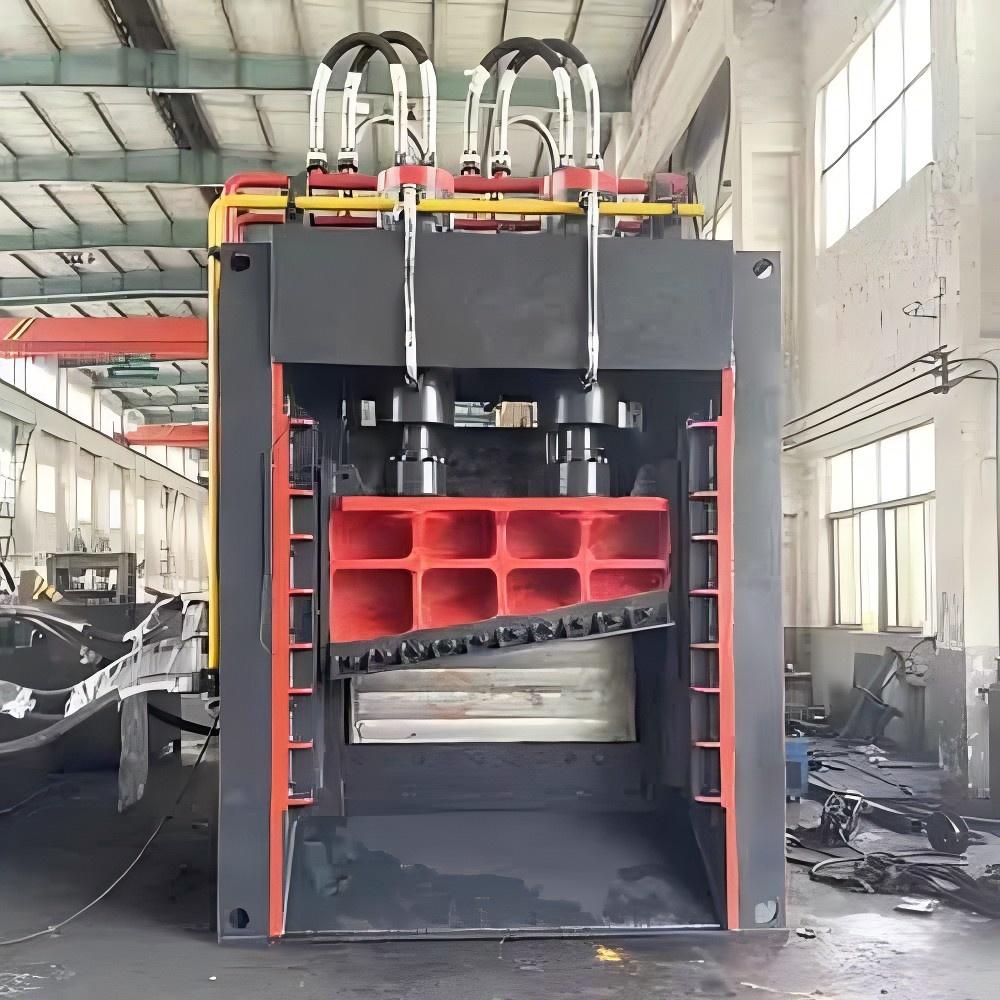
The primary consideration when addressing gantry shear blade alignment issues is the concept of ‘blade clearance.’ Clearance refers to the gap between the upper (moving) blade and the lower (fixed) blade. This gap must be precisely calibrated based on the thickness and tensile strength of the material being processed. If the clearance is too wide, the material will bend or ‘burr’ rather than shear cleanly. If it is too tight, the blades will clash, leading to catastrophic edge chipping or even blade fracture.
Material type is another critical variable. Cutting high-tensile steel requires different clearance settings compared to mild steel or non-ferrous metals. Operators must consult the manufacturer’s specifications for their specific gantry shear model. Ignoring these parameters is the most common cause of alignment drift. Furthermore, the thermal expansion of the machine frame during long shifts can subtly alter the clearance, necessitating periodic checks throughout the workday.
Environmental factors also play a role in maintaining alignment. Dust, metal shavings, and debris can accumulate in the blade housing, preventing the blades from seating correctly. A clean machine is a precise machine. Implementing a rigorous cleaning schedule ensures that the seating surfaces remain flat and that the mounting bolts can be torqued to the correct specifications without interference from foreign particles.
Finally, the quality of the blades themselves cannot be overlooked. Using low-quality or improperly heat-treated blades can lead to deformation under load. Even if the alignment is perfect, a warped blade will behave as if it is misaligned. Always source replacement blades from reputable manufacturers who understand the specific load-bearing requirements of gantry shear operations. Investing in high-grade tool steel is an investment in the longevity of the entire machine.
Technical Details: Identifying Alignment Issues
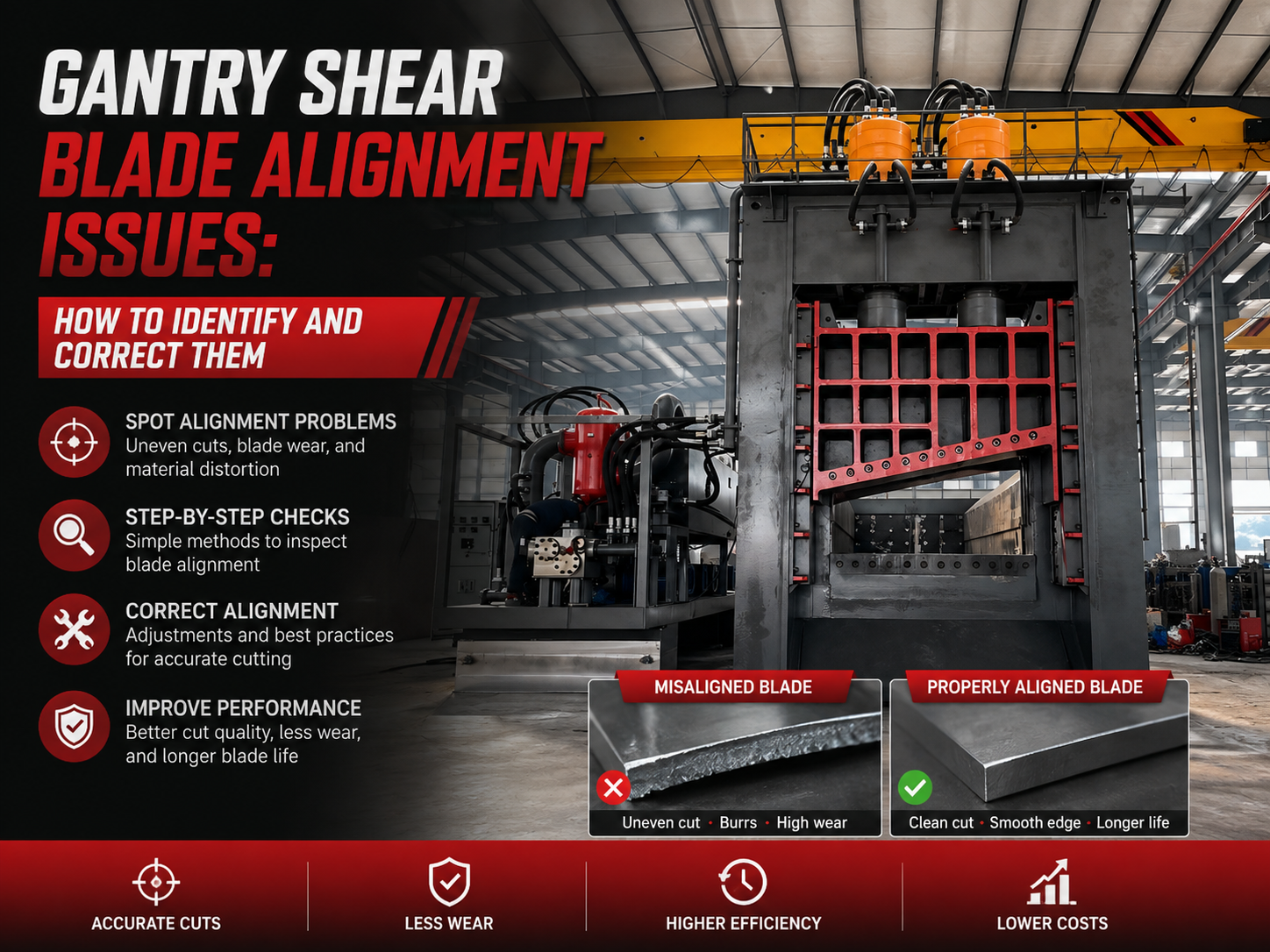
Identifying gantry shear blade alignment issues: identify correct them requires a systematic approach. The first sign is often visual: examine the cut edge of the material. A clean, square cut indicates proper alignment. If you notice a significant ‘ragged’ edge, a heavy burr, or a ‘smeared’ appearance, the blades are likely misaligned or dull. These visual cues are the first line of defense in your diagnostic process.
Beyond visual inspection, listen to the machine. A well-aligned shear should produce a consistent, rhythmic sound during the cutting stroke. If you hear a ‘clunking’ or a metallic scraping sound, it indicates that the blades are making contact or that the gantry is shifting laterally during the stroke. This lateral movement is a major red flag, suggesting that the guide rails or the gibs (the sliding surfaces that keep the gantry square) are worn or loose.
Use precision measuring tools to verify the gap. A feeler gauge is the standard tool for this task. With the machine locked out and tagged out, measure the clearance at several points along the length of the blade. The clearance should be uniform from one end of the blade to the other. If you find significant variations, you have confirmed a misalignment issue that requires immediate mechanical adjustment.
Check the mounting bolts and the blade seats. Over time, the constant vibration of the shearing process can cause bolts to loosen. Use a torque wrench to verify that all mounting hardware is tightened to the manufacturer’s specified torque. If a bolt is loose, the blade may shift under the immense pressure of the cut, leading to uneven wear and potential damage to the blade bed.
Step-by-Step Correction Methodologies
Once you have identified that a correction is necessary, the process must be handled with extreme care. First, ensure the machine is completely powered down and the hydraulic system is depressurized. Safety is paramount when working with heavy blades. Begin by removing the blade covers and cleaning the area thoroughly. Use a solvent to remove any grease or debris that might be masking the true alignment of the blade surfaces.
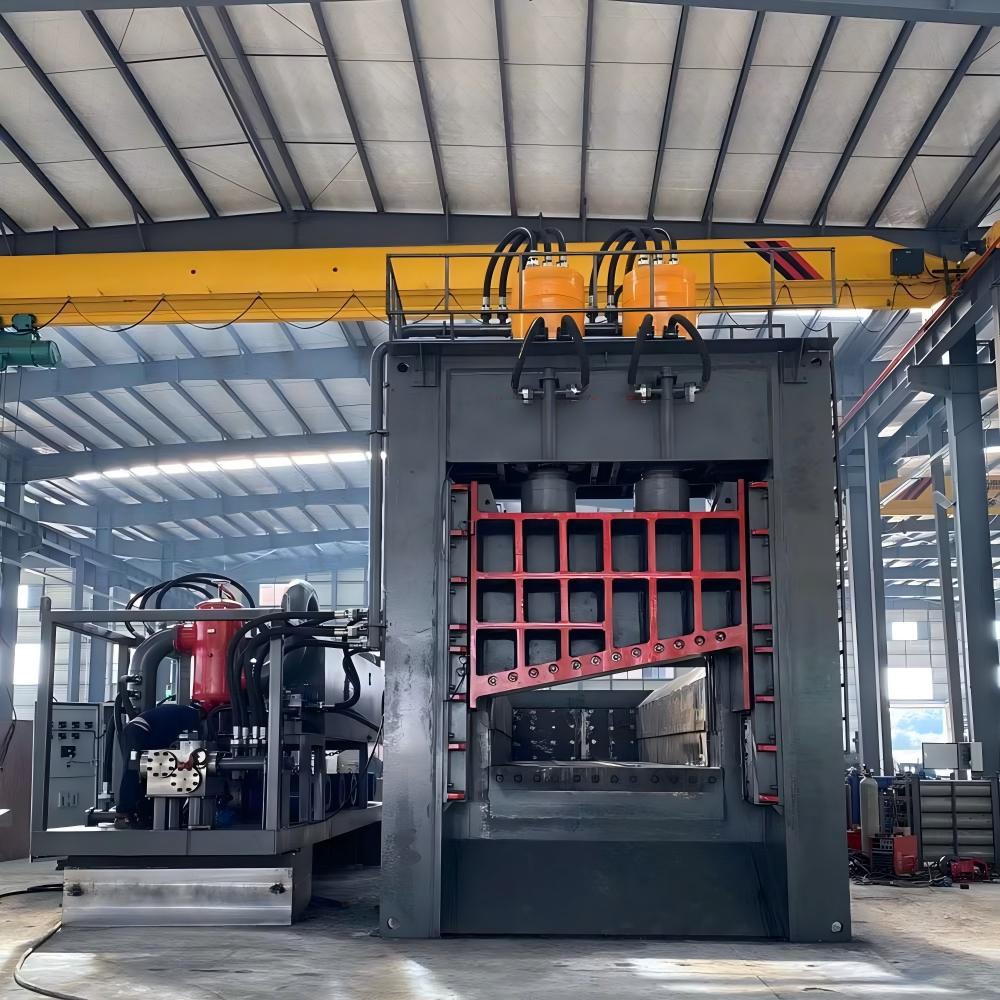
Loosen the adjustment bolts on the lower blade bed. Most HARSLE gantry shears feature a micro-adjustment system that allows for precise lateral movement of the lower blade. Use the adjustment screws to shift the blade incrementally. It is often helpful to use a dial indicator mounted on the gantry frame to measure the movement of the blade as you adjust it. This ensures that you are moving the blade in precise, controlled increments rather than guessing.
After making an adjustment, tighten the mounting bolts in a cross-pattern to ensure even pressure distribution. Once tightened, re-check the clearance with your feeler gauge. It is common to have to repeat this process several times to achieve the perfect balance. Do not rush this step; precision here saves hours of maintenance later. Once the clearance is set, perform a test cut on a piece of scrap material to verify the results.
If the alignment issues persist despite your best efforts, the problem may lie with the gibs. The gibs are the adjustable guides that keep the gantry moving in a straight line. If the gibs are worn, the gantry will ‘wobble’ during the stroke, making it impossible to maintain a consistent blade clearance. Adjusting the gibs involves tightening the wear plates until the gantry moves smoothly without any lateral play. This is a more advanced procedure and should be performed according to the specific service manual for your HARSLE machine.
Selection Advice for Long-Term Performance
When selecting a gantry shear, consider the rigidity of the frame. A machine with a heavy-duty, stress-relieved steel frame is far less likely to suffer from alignment issues caused by frame deflection. HARSLE designs its gantry shears with structural integrity as a primary goal, ensuring that the blade bed remains stable even under maximum load. When comparing equipment, look for the weight of the machine—a heavier machine often indicates a more robust frame.
Consider the ease of maintenance. Look for machines that offer accessible adjustment points for the blades and the gibs. If a machine requires the entire gantry to be disassembled to adjust the blade clearance, you will be less likely to perform the necessary maintenance. HARSLE machines are designed with the operator in mind, featuring intuitive adjustment systems that simplify the process of maintaining perfect alignment.
Evaluate the hydraulic system. A stable hydraulic system provides consistent pressure, which is essential for maintaining the alignment of the gantry during the cut. Look for machines with high-quality seals and valves that prevent pressure fluctuations. A machine that ‘jerks’ during the stroke is a machine that will eventually suffer from alignment issues due to the uneven forces applied to the blades.
Finally, consider the manufacturer’s support network. Alignment issues can be complex, and having access to expert technical support is invaluable. HARSLE provides comprehensive documentation and remote support to help our clients navigate maintenance challenges. Choosing a partner who stands behind their equipment ensures that you have the resources needed to keep your production line running smoothly for years to come.
FAQ: Common Questions About Gantry Shear Alignment
- How often should I check my gantry shear blade alignment?
We recommend a visual inspection daily and a precision clearance check using feeler gauges at least once a week, or more frequently if the machine is running high-volume, heavy-duty cycles. - Can I use shims to correct blade alignment?
While shims can be used in some older machines, modern gantry shears like those from HARSLE utilize integrated micro-adjustment screws. We recommend using the built-in adjustment system rather than shims for better precision and safety. - What happens if I ignore blade alignment issues?
Ignoring alignment issues leads to rapid blade wear, increased power consumption, potential damage to the hydraulic cylinders, and poor-quality cuts that may require secondary processing, significantly increasing your cost per part. - Is it normal for the blades to touch during the cut?
No, the blades should never touch. They should pass each other with a specific, calculated clearance. If they are touching, stop the machine immediately and perform an alignment correction. - Can I sharpen the blades myself?
While some facilities have the equipment to grind blades, it is often more cost-effective and safer to have them professionally sharpened or replaced by the manufacturer to ensure the correct edge geometry is maintained.
Conclusion
Mastering gantry shear blade alignment issues: identify correct them is a vital skill for any metal fabrication professional. By understanding the relationship between blade clearance, material properties, and machine maintenance, you can ensure that your HARSLE gantry shear remains a high-performance asset for your business. Remember that precision is not a one-time achievement but a continuous process of monitoring, adjusting, and maintaining your equipment.
At HARSLE, we are committed to providing the tools and knowledge necessary for your success. From our robust gantry shear designs to our dedicated technical support, we strive to make your fabrication processes as efficient and reliable as possible. By following the guidelines outlined in this article, you can minimize downtime, extend the life of your blades, and consistently produce high-quality parts that meet the most demanding industry standards.
If you encounter persistent alignment issues that you cannot resolve, do not hesitate to contact the HARSLE technical team. We are here to help you troubleshoot, optimize, and maintain your machinery, ensuring that your investment continues to pay dividends in productivity and quality. Keep your blades sharp, your clearances tight, and your production line moving forward with confidence.