How to Troubleshoot Hydraulic Cylinder Problems in a Gantry Shear: A Comprehensive Maintenance Guide

Introduction
In the high-stakes environment of metal fabrication, the gantry shear stands as a cornerstone of productivity. As a heavy-duty machine designed to process large volumes of scrap metal and structural steel, its performance relies heavily on the integrity of its hydraulic system. When operators need to troubleshoot hydraulic cylinder problems in a gantry shear, they are often dealing with the heart of the machine’s force-generation capabilities. Understanding these systems is not just about fixing a leak; it is about ensuring the safety of your personnel and the longevity of your capital investment.
HARSLE understands that downtime is the enemy of profitability. A malfunctioning hydraulic cylinder can lead to uneven cuts, reduced shearing force, or complete operational failure. By mastering the diagnostic process, maintenance teams can transition from reactive repairs to proactive management. This guide provides a deep dive into the technical nuances of hydraulic cylinders within gantry shears, offering actionable insights for technicians and facility managers alike.
The complexity of a gantry shear’s hydraulic circuit means that symptoms are often interconnected. A pressure drop might be caused by a seal failure, a pump issue, or a relief valve malfunction. Therefore, a systematic approach is required to isolate the root cause. This article serves as your primary resource for identifying, diagnosing, and resolving hydraulic cylinder issues, ensuring your HARSLE equipment continues to operate at peak efficiency.
Whether you are dealing with sluggish cycle times or erratic blade movement, the following sections will break down the diagnostic process into manageable steps. We will explore the mechanical and hydraulic indicators of failure, the importance of fluid quality, and the specific maintenance protocols that prevent recurring issues. Let us begin the journey toward a more reliable and efficient fabrication floor.
Key Considerations for Hydraulic System Integrity
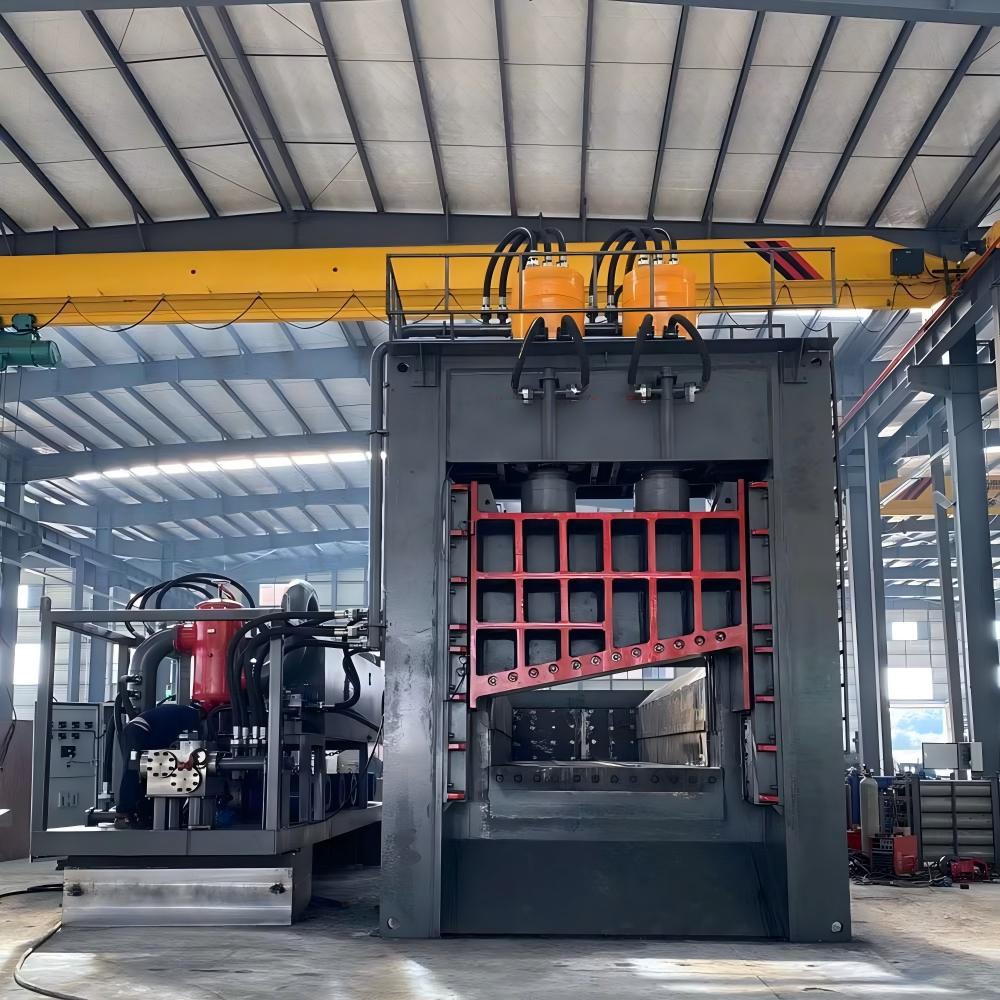
Before diving into specific troubleshooting steps, it is essential to understand the operating environment of a gantry shear. These machines operate under immense pressure, often processing hardened alloys and thick structural beams. The hydraulic cylinders are subjected to extreme stress cycles, which makes them susceptible to wear and tear. The first consideration in any troubleshooting effort is safety; hydraulic fluid under pressure can penetrate skin, and heavy components can cause severe injury if not properly supported.
Fluid cleanliness is the single most important factor in hydraulic longevity. Contamination, such as metal shavings, dust, or moisture, acts as an abrasive within the cylinder. Over time, this contamination scores the internal walls of the cylinder barrel and destroys the integrity of the piston seals. When you troubleshoot hydraulic cylinder problems in a gantry shear, always start by checking the condition of the hydraulic oil. If the oil appears cloudy or contains visible particulates, the entire system may require flushing.
Temperature management is another critical consideration. Hydraulic systems generate heat during operation, but excessive heat is a sign of internal leakage or restricted flow. If the cylinder barrel feels excessively hot to the touch, it may indicate that fluid is bypassing the internal seals, creating friction and heat. Monitoring the operating temperature of the hydraulic reservoir and the cylinders themselves can provide early warning signs of impending failure before a total breakdown occurs.
Finally, consider the structural alignment of the gantry shear. If the shear head is not perfectly aligned, the hydraulic cylinder may experience side-loading. Side-loading occurs when the force is not applied perfectly along the axis of the cylinder rod. This puts uneven pressure on the rod seals and the piston guide rings, leading to premature failure. If you notice that your cylinder seals are failing repeatedly, check the alignment of the shear guides and the mounting points of the cylinder itself.
Technical Details: Diagnosing Common Cylinder Failures
When you troubleshoot hydraulic cylinder problems in a gantry shear, you will likely encounter three primary failure modes: external leakage, internal leakage, and mechanical damage. External leakage is the most obvious, manifesting as oil pooling around the rod gland or the cylinder ports. This is usually caused by worn rod seals or loose fittings. While it is the easiest to spot, it is also the most dangerous for the environment and worker safety, requiring immediate attention.
Internal leakage is more insidious because it happens inside the cylinder. This occurs when the piston seals fail, allowing high-pressure oil to bypass the piston and move to the low-pressure side. This results in a loss of shearing force and a significant increase in cycle time. To diagnose this, you can perform a ‘drift test.’ With the shear blade in a neutral position, disconnect the return line and observe if oil flows out while the cylinder is under pressure. If oil flows, the piston seals are likely compromised.
Mechanical damage often involves the cylinder rod. Scratches, nicks, or pitting on the chrome-plated surface of the rod can act like a file, tearing through the seals every time the cylinder cycles. This is often caused by debris falling onto the rod or improper storage of the machine. If the rod is damaged, it must be re-chromed or replaced; simply replacing the seals will not solve the problem, as the new seals will be destroyed by the rough surface of the rod within hours of operation.
Another technical aspect to consider is the hydraulic cushioning system. Many gantry shears use internal cushions to slow the cylinder at the end of its stroke. If the cylinder makes a loud banging noise at the end of the stroke, the cushioning mechanism may be damaged or out of adjustment. This impact force can cause structural fatigue in the cylinder mounting bolts and the gantry frame. Adjusting the cushioning valves is a standard part of the troubleshooting process that can save the machine from long-term structural damage.
Selection Advice: Choosing Replacement Components
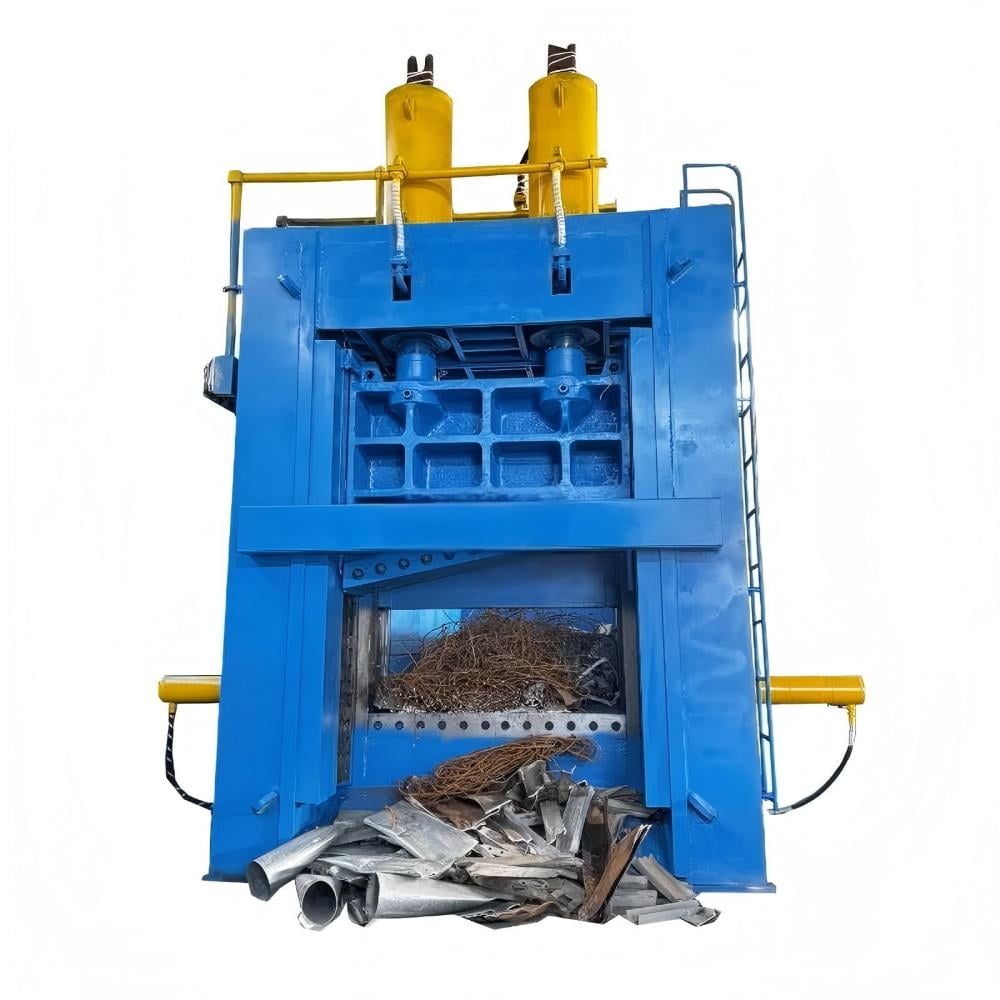
When the time comes to replace a hydraulic cylinder or its internal components, quality should never be sacrificed for cost. A gantry shear is a heavy-duty machine, and using ‘off-the-shelf’ generic cylinders can lead to catastrophic failure. Always source components that meet or exceed the original equipment manufacturer (OEM) specifications provided by HARSLE. This ensures that the pressure ratings, bore sizes, and stroke lengths are perfectly matched to the machine’s design.
Consider the material composition of the seals. Different hydraulic fluids and operating temperatures require specific seal materials, such as Viton or Nitrile. If your facility operates in extreme cold or high-heat environments, ensure that the replacement seals are rated for those specific conditions. Using the wrong seal material can lead to hardening, cracking, or swelling, which will cause the cylinder to fail prematurely.
When selecting a replacement cylinder, look for features that enhance durability, such as induction-hardened rods and high-strength steel barrels. These features provide better resistance to the harsh conditions of a scrap yard or fabrication shop. Additionally, ensure that the mounting style of the replacement cylinder matches the original. Even a slight deviation in mounting geometry can lead to the side-loading issues mentioned earlier, which will destroy your new cylinder in a matter of weeks.
Finally, consider the availability of technical support. Purchasing from a reputable manufacturer like HARSLE provides you with access to documentation, spare parts, and expert advice. When you troubleshoot hydraulic cylinder problems in a gantry shear, having a direct line to the manufacturer’s engineering team can save you days of downtime. Always keep a list of serial numbers and part numbers for your specific machine to ensure that you get the correct components every time.
FAQ: Frequently Asked Questions
- Q: How often should I change the hydraulic oil in my gantry shear?
A: Generally, hydraulic oil should be tested every 1,000 to 2,000 operating hours. If the oil shows signs of oxidation or contamination, it should be replaced immediately. - Q: Why is my shear blade moving slowly?
A: Slow movement is often caused by internal leakage in the cylinder, a failing hydraulic pump, or a clogged suction filter. Check the pump pressure first, then perform a drift test on the cylinder. - Q: Can I repair a scratched cylinder rod?
A: Minor scratches can sometimes be polished, but deep gouges require the rod to be re-chromed or replaced. Using a damaged rod will destroy your new seals almost immediately. - Q: What is the most common cause of seal failure?
A: Contamination in the hydraulic fluid is the leading cause of seal failure. Keeping the system clean and using high-quality filtration is the best way to prevent this. - Q: How do I know if the hydraulic cylinder is the problem?
A: If the machine has power but lacks force, or if the cylinder is leaking externally, it is likely the cylinder. If the entire machine is sluggish, the issue may be with the pump or the hydraulic manifold.
Conclusion
Learning how to troubleshoot hydraulic cylinder problems in a gantry shear is an essential skill for any maintenance professional in the metal fabrication industry. By understanding the interplay between fluid quality, mechanical alignment, and seal integrity, you can significantly extend the lifespan of your HARSLE equipment. Remember that the goal of troubleshooting is not just to fix the immediate issue, but to identify the root cause and prevent it from recurring.
Regular maintenance, such as checking for leaks, monitoring operating temperatures, and ensuring the hydraulic fluid is clean, will pay dividends in the form of increased uptime and reduced repair costs. When you encounter a problem, approach it systematically: observe the symptoms, test the components, and verify the repair. Do not hesitate to consult the machine’s manual or reach out to HARSLE support if you are unsure about a specific procedure.
Investing time in training your team on these troubleshooting techniques will create a culture of proactive maintenance. A well-maintained gantry shear is a reliable partner in your production process, capable of handling the toughest materials with precision and power. Keep your hydraulic systems clean, your seals in good condition, and your machine aligned, and you will enjoy years of trouble-free operation from your HARSLE gantry shear.
As technology in metal fabrication continues to evolve, so too do the tools and methods for maintaining our equipment. Stay informed about the latest advancements in hydraulic technology and continue to refine your maintenance protocols. By prioritizing the health of your hydraulic cylinders, you are prioritizing the success of your business and the safety of your workforce. Thank you for choosing HARSLE for your industrial machinery needs.