Why Your Gantry Shear Is Cutting at an Angle and How to Correct It

Introduction
In the world of heavy-duty metal fabrication, precision is the cornerstone of quality. When you invest in a high-performance gantry shear, you expect clean, square, and accurate cuts every time. However, operators occasionally face the frustrating issue where the gantry shear is cutting at an angle. This deviation not only compromises the integrity of your finished parts but also leads to significant material waste and increased downtime. Understanding why your gantry shear is cutting at an angle and how to correct it is essential for maintaining operational efficiency and extending the lifespan of your machinery.
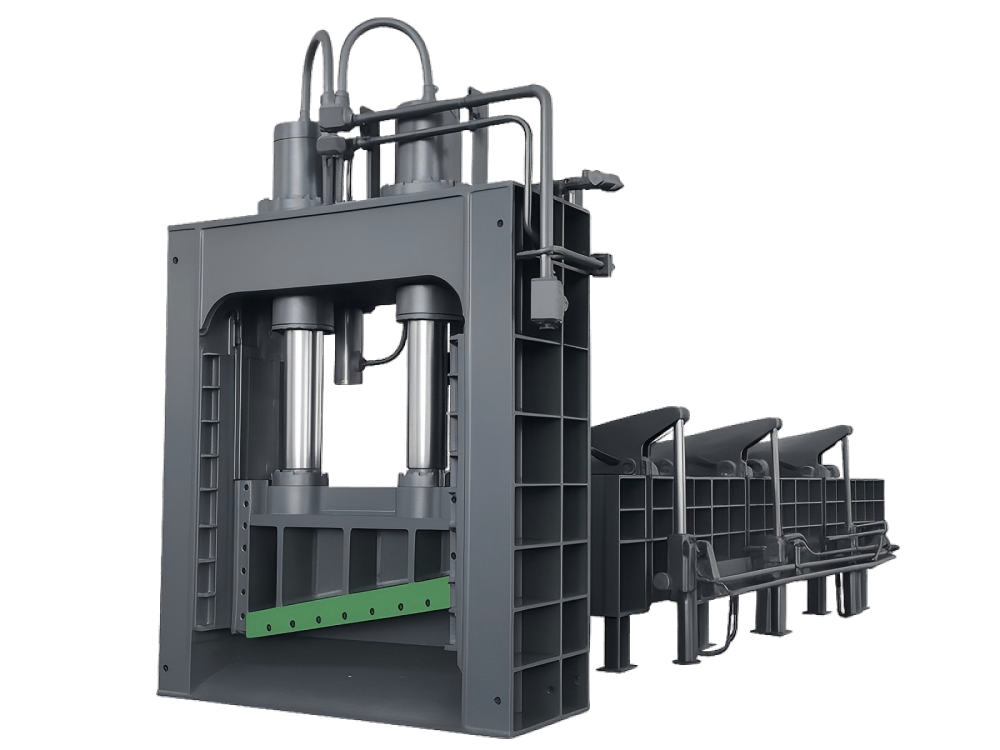
A gantry shear is a robust piece of industrial machinery designed to handle large-scale cutting tasks. Because of the sheer forces involved in shearing thick metal plates, even a microscopic misalignment in the blade gap or the structural frame can manifest as a noticeable angular cut. Whether you are working with mild steel, stainless steel, or aluminum, the physics of the shear remain the same: the upper and lower blades must maintain a perfectly parallel relationship throughout the entire stroke.
This guide explores the technical root causes of angular shearing, provides a step-by-step troubleshooting framework, and offers professional advice on how to restore your machine to factory-standard precision. By addressing these issues proactively, you can ensure that your HARSLE equipment continues to deliver the high-tolerance results your production line demands.
Key Considerations: Identifying the Root Cause
Before diving into mechanical adjustments, it is vital to identify exactly where the angularity is occurring. Is the cut skewed across the entire length of the sheet, or is it only occurring at the beginning or end of the stroke? By observing the behavior of the material during the shearing process, you can narrow down the potential culprits. Often, the issue is not a single failure but a combination of wear and tear, improper setup, or environmental factors affecting the machine’s frame.
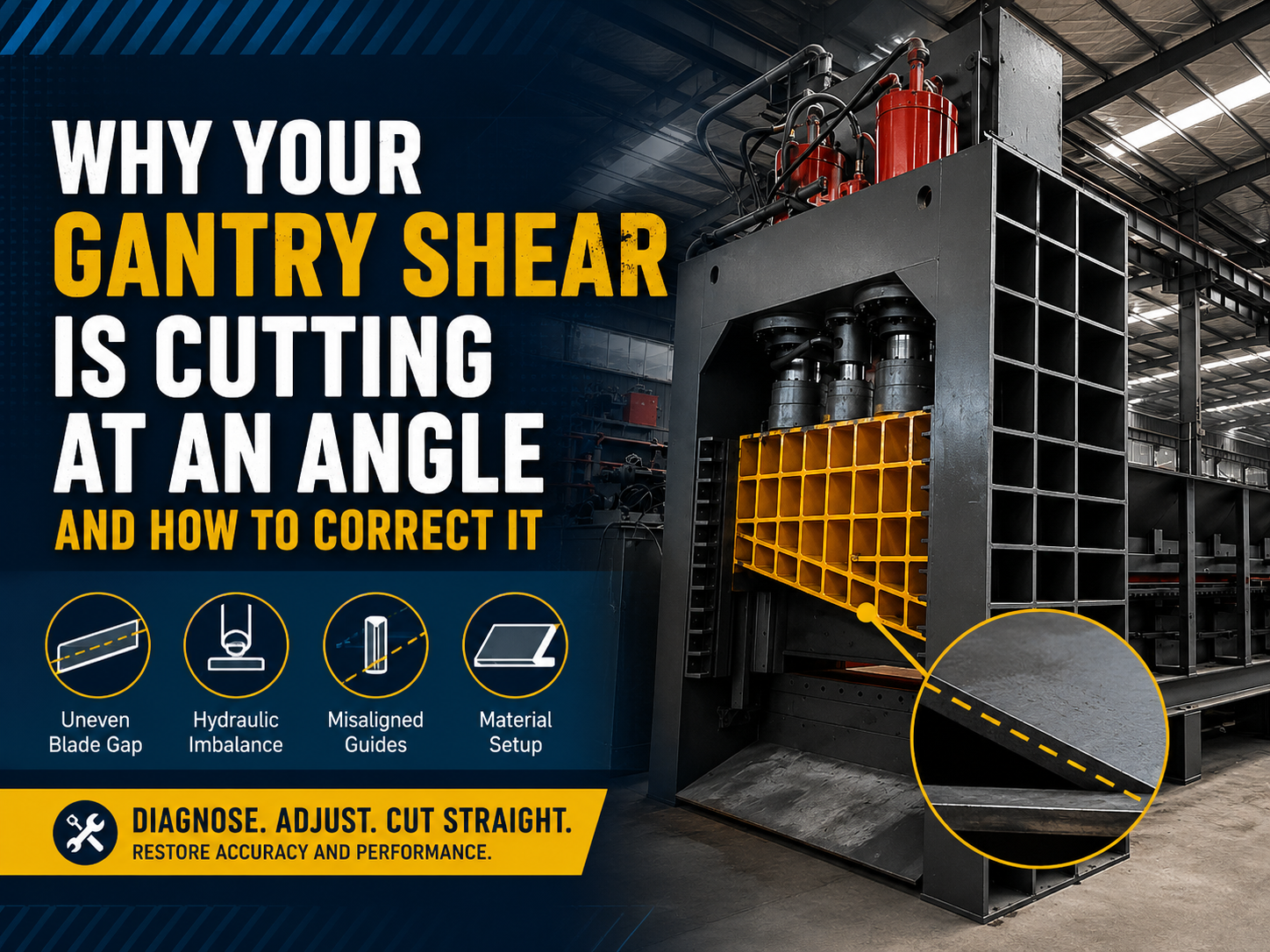
One of the most common reasons a gantry shear is cutting at an angle is improper blade clearance. If the gap between the upper and lower blades is not uniform, the material will tend to pull toward the side with the larger gap. This creates a ‘bowing’ or ‘twisting’ effect on the cut edge. Checking the blade clearance across the entire length of the shear is the first step in any diagnostic process. If the clearance is inconsistent, the material will naturally follow the path of least resistance, resulting in an angled cut.
Another critical factor is the condition of the blades themselves. Over time, blades can develop dull spots or chips. If one side of the blade is significantly duller than the other, the cutting force will be unevenly distributed. This uneven force causes the material to shift slightly during the shearing action, leading to an angled edge. Regular inspection of the blade edges for sharpness and uniformity is a non-negotiable aspect of gantry shear maintenance.
Finally, consider the structural stability of the machine. Gantry shears are massive, but they are still subject to thermal expansion and mechanical stress. If the machine is not properly leveled on a reinforced concrete foundation, the frame may experience slight torsion. This torsion can cause the upper beam to tilt during the descent, resulting in an angled cut. Always verify that your machine is level and that the anchor bolts are torqued to the manufacturer’s specifications.
Technical Details: How to Correct Angular Cutting
Correcting an angled cut requires a systematic approach. Start by verifying the blade gap settings. Most modern HARSLE gantry shears feature adjustable blade clearance systems. Use a feeler gauge to measure the gap at both ends of the shear and at the center. If you find discrepancies, adjust the clearance according to the material thickness you are currently processing. Remember that thinner materials require a tighter gap, while thicker plates require a slightly wider gap to prevent blade damage.
If the blade gap is correct but the issue persists, inspect the hold-down cylinders. The hold-downs are responsible for clamping the material firmly against the table before the blade makes contact. If one or more hold-downs are failing to exert sufficient pressure, the material will ‘creep’ or slide during the cut. This movement is a frequent cause of angularity. Ensure that the hydraulic pressure to the hold-down system is consistent and that all cylinders are functioning correctly without leaks or internal bypass issues.
The alignment of the upper beam (the ram) is another technical area that requires attention. The ram must travel in a perfectly vertical plane. If the guide ways are worn or if the gibs are loose, the ram may ‘wobble’ or tilt during the stroke. Check the gib clearance and adjust it to eliminate any lateral movement. If the guide ways show signs of scoring or excessive wear, they may need to be resurfaced or replaced to restore the machine’s original precision.
Lastly, examine the backgauge system. If the backgauge is not perfectly parallel to the shearing line, the material will be positioned at an angle before the cut even begins. Use a precision square to check the alignment of the backgauge against the lower blade. If it is out of square, adjust the backgauge drive system to bring it back into alignment. This is a common oversight that can easily be corrected with simple calibration.
Selection Advice: Choosing the Right Equipment
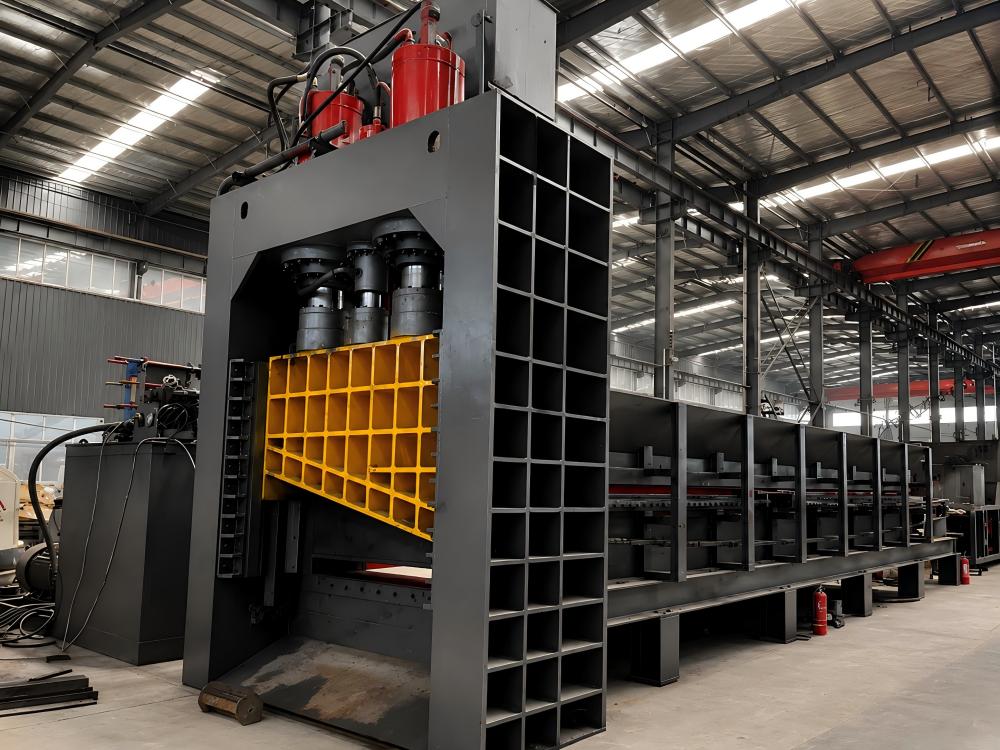
When selecting a gantry shear, the quality of the frame and the rigidity of the cutting assembly are paramount. A machine that is built with a heavy-duty, stress-relieved steel frame is far less likely to suffer from the structural torsion that leads to angular cutting. Look for manufacturers like HARSLE that prioritize structural integrity and use high-grade components for the hydraulic and electrical systems. A well-built machine is easier to calibrate and maintains its accuracy over a longer period.
Consider the automation features available on the machine. Modern gantry shears often come with CNC controllers that allow for automatic blade gap adjustment and backgauge positioning. These features significantly reduce the margin for human error. By inputting the material type and thickness into the controller, the machine automatically sets the optimal parameters, ensuring consistent results and minimizing the risk of angular cuts caused by manual setup errors.
Think about the long-term support and availability of spare parts. A gantry shear is a long-term investment. Choosing a brand that offers comprehensive technical support, readily available replacement blades, and clear maintenance documentation is essential. If you encounter an issue where the machine is cutting at an angle, having access to expert guidance can save you days of troubleshooting and production loss.
Finally, evaluate the capacity of the machine relative to your typical workload. Pushing a machine to its maximum capacity on a daily basis increases wear and tear on the blades and the hydraulic system. Selecting a shear with a slightly higher capacity than your average requirement provides a ‘safety buffer’ that keeps the machine operating within its optimal performance range, thereby preserving accuracy and reducing the frequency of maintenance interventions.
FAQ: Frequently Asked Questions
- Q: How often should I check the blade gap on my gantry shear?
A: You should check the blade gap whenever you switch to a different material thickness and as part of your weekly preventative maintenance schedule. - Q: Can a dull blade cause an angled cut?
A: Yes, a dull blade creates uneven cutting forces, which can cause the material to shift during the shearing process, resulting in an angled or burred edge. - Q: What is the most common cause of angular cutting in new machines?
A: In new machines, it is usually an improper setup of the backgauge or the blade gap. Ensure the machine is properly leveled and calibrated upon installation. - Q: How do I know if my hold-down cylinders are failing?
A: If you notice the material moving or ‘walking’ during the cut, or if you see uneven clamping marks on the sheet, your hold-down cylinders may need maintenance or pressure adjustment. - Q: Is it possible to fix a misaligned ram myself?
A: Minor gib adjustments can be performed by trained maintenance staff, but significant ram misalignment often requires professional service to ensure the machine remains safe and accurate.
Conclusion
Dealing with a gantry shear that is cutting at an angle is a challenge that every fabrication shop may face at some point. However, by understanding the mechanics of the machine and following a disciplined maintenance and calibration routine, you can quickly identify and correct the issue. Whether the problem stems from blade clearance, hold-down pressure, or structural alignment, the key is to address the root cause rather than just the symptom.
Investing in high-quality equipment like HARSLE gantry shears provides a solid foundation for precision, but consistent operator training and proactive maintenance are what keep that precision intact. By regularly inspecting your blades, monitoring your hydraulic systems, and ensuring your machine is properly leveled, you can avoid the pitfalls of angular cutting and maintain the high standards your clients expect. Remember, a well-maintained shear is not just a tool; it is the heart of your production efficiency.
If you find that your machine continues to produce angled cuts despite your best efforts, do not hesitate to reach out to professional technicians. Sometimes, a fresh set of eyes and specialized diagnostic tools are all that is needed to restore your gantry shear to its peak performance. Keep your blades sharp, your gaps tight, and your production line moving forward with confidence.