Gantry Shear Overheating Problems: Causes, Checks, and Solutions

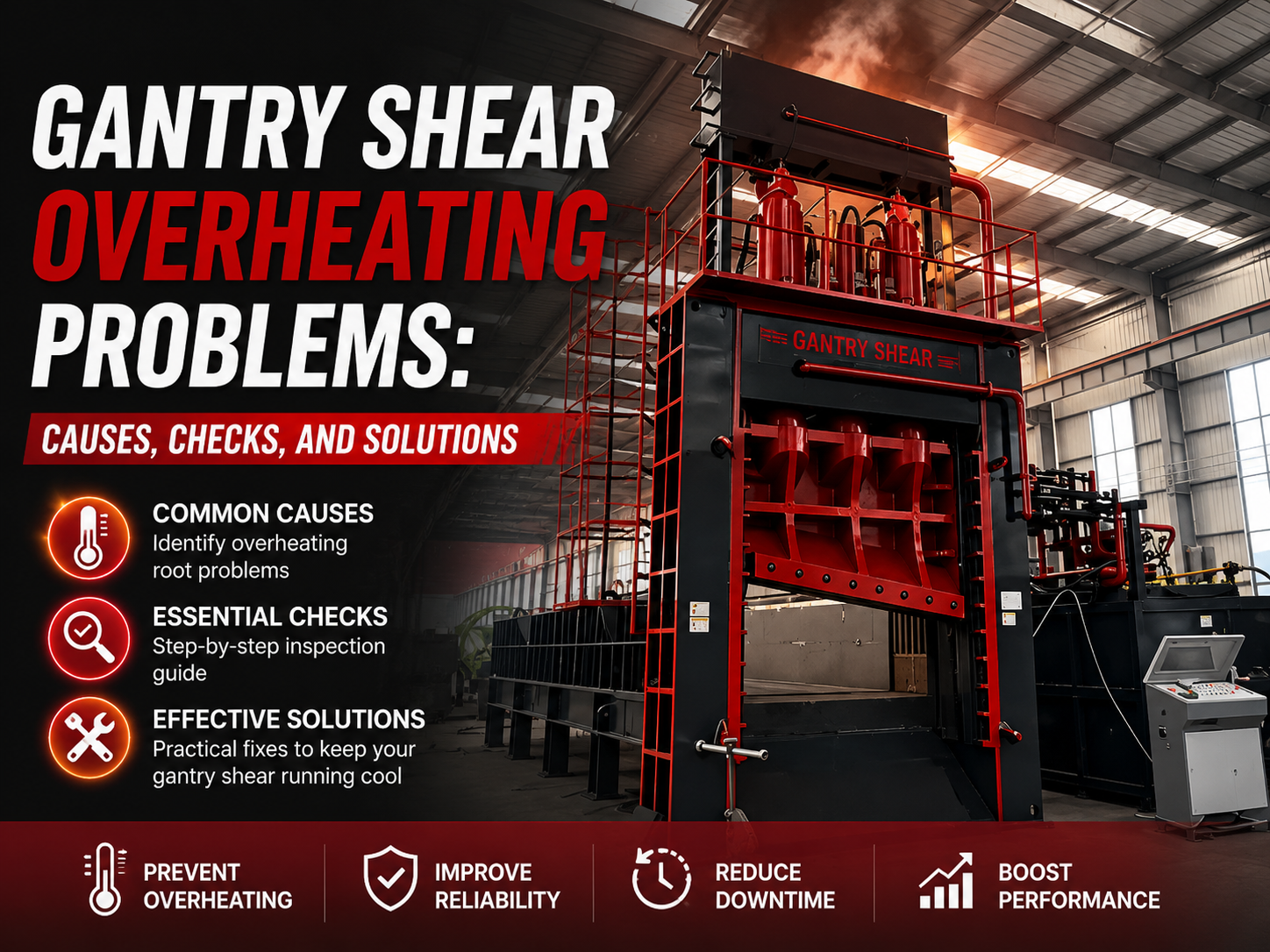
Introduction to Gantry Shear Overheating Problems
In the high-stakes environment of metal fabrication, the gantry shear stands as a cornerstone of productivity. These heavy-duty machines are designed to process large volumes of scrap metal and structural steel with precision. However, like any complex industrial equipment, they are susceptible to operational challenges. Among the most critical issues faced by operators is the phenomenon of overheating. Gantry Shear Overheating Problems: Causes, Checks, and Solutions are essential topics for any facility manager aiming to maximize equipment lifespan and maintain consistent throughput.
When a gantry shear operates beyond its thermal threshold, the consequences extend far beyond a simple machine stoppage. Overheating can lead to the degradation of hydraulic seals, the breakdown of lubricating oil, and, in severe cases, catastrophic failure of the hydraulic pump or motor. Understanding the root causes of these thermal spikes is the first step toward implementing a robust maintenance strategy that prevents downtime and costly repairs.
This comprehensive guide explores the intricate relationship between hydraulic efficiency and thermal management. By examining the mechanical and environmental factors that contribute to heat buildup, we provide actionable insights for maintenance teams. Whether you are operating a standard unit or a customized heavy-duty shear, the principles of thermal regulation remain universal. Let us delve into the technical landscape of gantry shear performance and how to keep your equipment running within optimal temperature ranges.
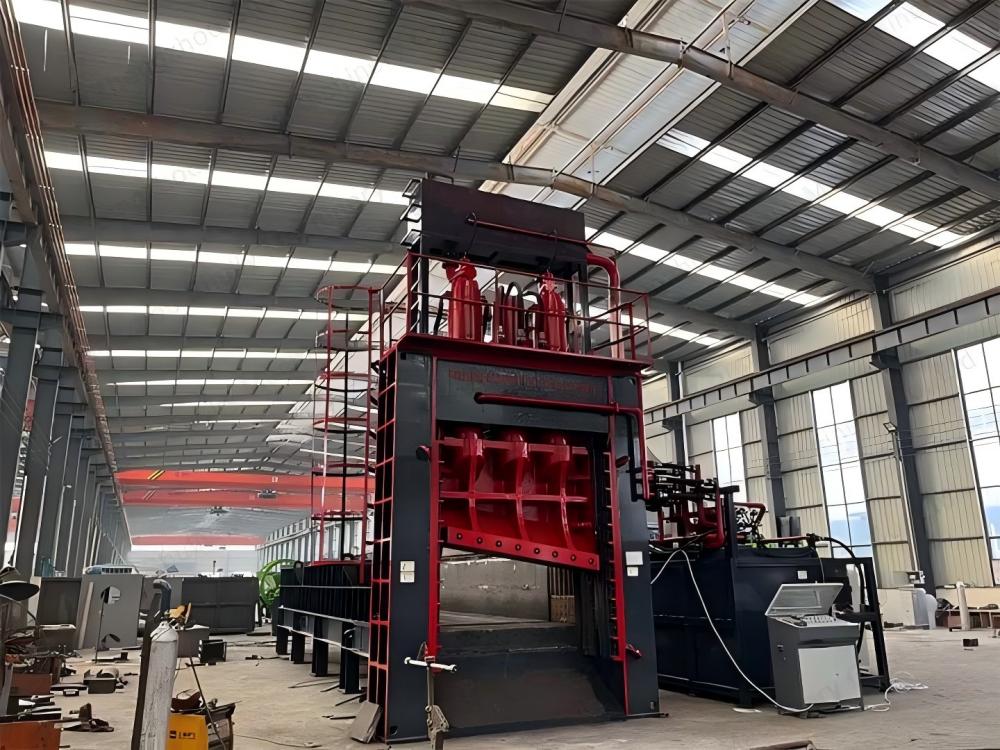
Key Considerations for Thermal Management
Thermal management in gantry shears is not merely about cooling; it is about system balance. The hydraulic system is the heart of the gantry shear, converting electrical energy into mechanical force. During this conversion, energy is inevitably lost as heat. If the cooling system cannot dissipate this heat at the same rate it is generated, the temperature of the hydraulic fluid will rise, leading to a cascade of performance issues.
One of the primary considerations is the duty cycle of the machine. Gantry shears are often pushed to their limits in scrap yards and recycling centers. Continuous operation without adequate rest periods or cooling intervals can cause the hydraulic fluid to reach critical temperatures. Operators must monitor the duty cycle and ensure that the machine is not being operated beyond its rated capacity, as excessive load increases the pressure on the hydraulic system, directly correlating to higher heat generation.
Environmental factors also play a significant role. Many gantry shears are installed in semi-outdoor or non-climate-controlled environments. High ambient temperatures, direct sunlight, and poor ventilation can severely hamper the efficiency of air-cooled heat exchangers. If the intake air for the cooling system is already hot, the heat transfer efficiency is drastically reduced. Facility managers must consider the placement of the machine and the airflow around the hydraulic power unit (HPU) to ensure optimal cooling performance.
Finally, the quality and condition of the hydraulic oil are paramount. Over time, hydraulic oil undergoes thermal degradation, losing its viscosity and lubricating properties. Degraded oil creates more friction within the system, which in turn generates more heat. This creates a vicious cycle where heat degrades the oil, and the degraded oil causes more heat. Regular oil analysis and scheduled fluid changes are non-negotiable aspects of a proactive maintenance program.
Technical Details: Diagnosing Overheating Causes
To effectively address Gantry Shear Overheating Problems: Causes, Checks, and Solutions, one must understand the specific technical triggers. The most common culprit is a malfunctioning cooling system. This could be a clogged radiator, a failed fan motor, or a thermostat that is stuck in the closed position. If the cooling fan is not spinning at the correct RPM, or if the radiator fins are blocked by dust and debris, the heat exchange process is severely compromised.
Internal leakage is another significant technical factor. As hydraulic components like pumps, valves, and cylinders wear down over time, internal clearances increase. This allows high-pressure fluid to bypass the intended path and leak back to the reservoir. This “throttling” effect generates a massive amount of heat without performing any useful work. If you notice that the machine is getting hot even when it is not under a heavy load, internal leakage is a primary suspect that requires immediate diagnostic testing.
Pressure relief valve settings also contribute to thermal issues. If the relief valve is set too low, it may be opening prematurely, causing fluid to circulate through the valve and back to the tank under high pressure. This constant circulation generates heat. Conversely, if the system is operating at pressures higher than the design specifications due to incorrect valve adjustments, the entire hydraulic circuit will run hotter than intended. Periodic calibration of all pressure relief valves is essential for thermal stability.
Contamination in the hydraulic system is a silent killer. Particles of metal, dirt, or degraded seal material can clog filters or interfere with the operation of proportional valves. When a valve sticks or a filter becomes restricted, the pump must work harder to push fluid through the system, increasing the load and the temperature. Maintaining a clean hydraulic system through high-quality filtration is a critical technical requirement for preventing overheating.
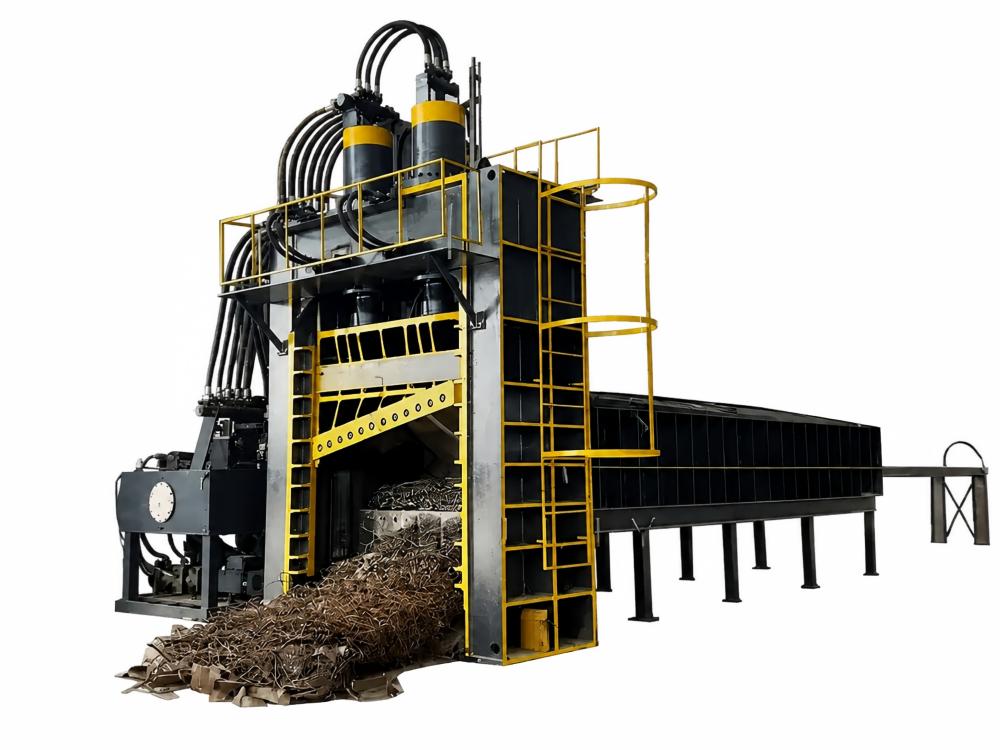
Maintenance Checks and Troubleshooting
A systematic approach to maintenance is the best defense against Gantry Shear Overheating Problems. Maintenance teams should establish a daily, weekly, and monthly checklist. Daily checks should include a visual inspection of the hydraulic reservoir temperature gauge, checking for any unusual noises from the pump, and ensuring that the cooling fan is operational. A simple infrared thermometer can be used to scan the temperature of the pump, valves, and reservoir to identify “hot spots” before they become critical failures.
Weekly maintenance should focus on the cooling system. This involves cleaning the radiator fins with compressed air or a specialized cleaning agent to remove dust, oil mist, and debris. It is also important to check the hydraulic oil level and condition. If the oil appears dark, cloudy, or has a burnt smell, it is a clear indicator that the system has been running too hot and the oil has oxidized. In such cases, an immediate oil and filter change is required.
Monthly checks should involve a more technical assessment of the hydraulic system. This includes testing the pressure settings of the relief valves to ensure they match the manufacturer’s specifications. It also involves checking the condition of hydraulic hoses and fittings for leaks. Even a small external leak can lead to air ingestion, which causes cavitation in the pump—a process that generates extreme heat and can destroy a pump in minutes.
Finally, consider the electrical side of the system. A motor that is drawing excessive current will run hot and transfer that heat to the hydraulic pump. Check the motor connections and ensure that the voltage supply is stable. An unbalanced electrical phase or a loose connection can cause the motor to work harder than necessary, contributing to the overall thermal load of the machine.
Selection Advice for Long-Term Reliability
When investing in a new gantry shear, preventing overheating starts at the procurement stage. Not all machines are created equal, and selecting a unit with an oversized cooling capacity is often a wise investment. If your application involves heavy, continuous shearing, specify a machine that comes equipped with an industrial-grade oil cooler, preferably one with an independent cooling circuit. This ensures that the cooling system operates independently of the main hydraulic flow, providing consistent temperature control.
Consider the hydraulic design of the machine. Modern gantry shears often utilize variable displacement pumps or energy-efficient hydraulic circuits that minimize heat generation during idle or low-load periods. These systems are more expensive upfront but offer significant savings in energy costs and maintenance over the life of the machine. Discuss these options with your HARSLE representative to ensure the machine is configured for your specific operational demands.
The choice of hydraulic fluid is another critical selection factor. High-viscosity index (VI) oils are designed to maintain their properties across a wider temperature range. Using a high-quality, synthetic-based hydraulic oil can significantly reduce internal friction and improve the overall thermal efficiency of the system. Always follow the manufacturer’s recommendations regarding fluid specifications and viscosity grades.
Lastly, prioritize machines that offer advanced diagnostic features. Modern gantry shears are increasingly equipped with PLC-based monitoring systems that track oil temperature, pressure, and filter status in real-time. These systems can provide early warnings before a temperature spike occurs, allowing operators to intervene before damage is done. Investing in a machine with integrated telemetry and diagnostic capabilities is one of the most effective ways to mitigate the risks of overheating.
Frequently Asked Questions (FAQ)
1. What is the ideal operating temperature for a gantry shear hydraulic system?
Most hydraulic systems are designed to operate between 40°C and 60°C (104°F – 140°F). Temperatures exceeding 70°C (158°F) can lead to rapid degradation of the hydraulic fluid and damage to seals.
2. How often should I clean the hydraulic oil cooler?
In dusty environments like scrap yards, the cooler should be inspected and cleaned weekly. In cleaner environments, a monthly cleaning schedule is usually sufficient.
3. Can low hydraulic oil levels cause overheating?
Yes. Low oil levels reduce the system’s ability to dissipate heat, as there is less fluid to carry the heat away from the components to the reservoir. It also increases the risk of air entering the system, which causes cavitation and extreme heat.
4. Why does my gantry shear overheat only during heavy cuts?
This is likely due to the system operating at its maximum pressure relief setting. If the heat is excessive, it may indicate that the cooling system is undersized for the maximum load or that there is significant internal leakage occurring under high pressure.
5. Is it necessary to use a specific type of hydraulic oil?
Yes, always use the oil grade specified in your HARSLE operation manual. Using the wrong viscosity can lead to increased friction or poor lubrication, both of which contribute to overheating.
Conclusion
Addressing Gantry Shear Overheating Problems: Causes, Checks, and Solutions is a vital component of industrial maintenance. By understanding the technical triggers—such as cooling system failures, internal leakage, and improper pressure settings—operators can move from a reactive to a proactive maintenance stance. Regular cleaning, fluid analysis, and adherence to duty cycle limits are the foundations of a healthy hydraulic system.
At HARSLE, we are committed to providing high-performance metal fabrication equipment that stands the test of time. By implementing the strategies outlined in this guide, you can ensure that your gantry shear remains a reliable and productive asset for years to come. Remember, a well-maintained machine is not just a tool; it is the engine of your business’s success. If you encounter persistent thermal issues, do not hesitate to contact our technical support team for expert guidance tailored to your specific machine configuration.