How to Diagnose Container Shear Cylinder Seal Wear Before Major Breakdown: A Comprehensive Maintenance Guide

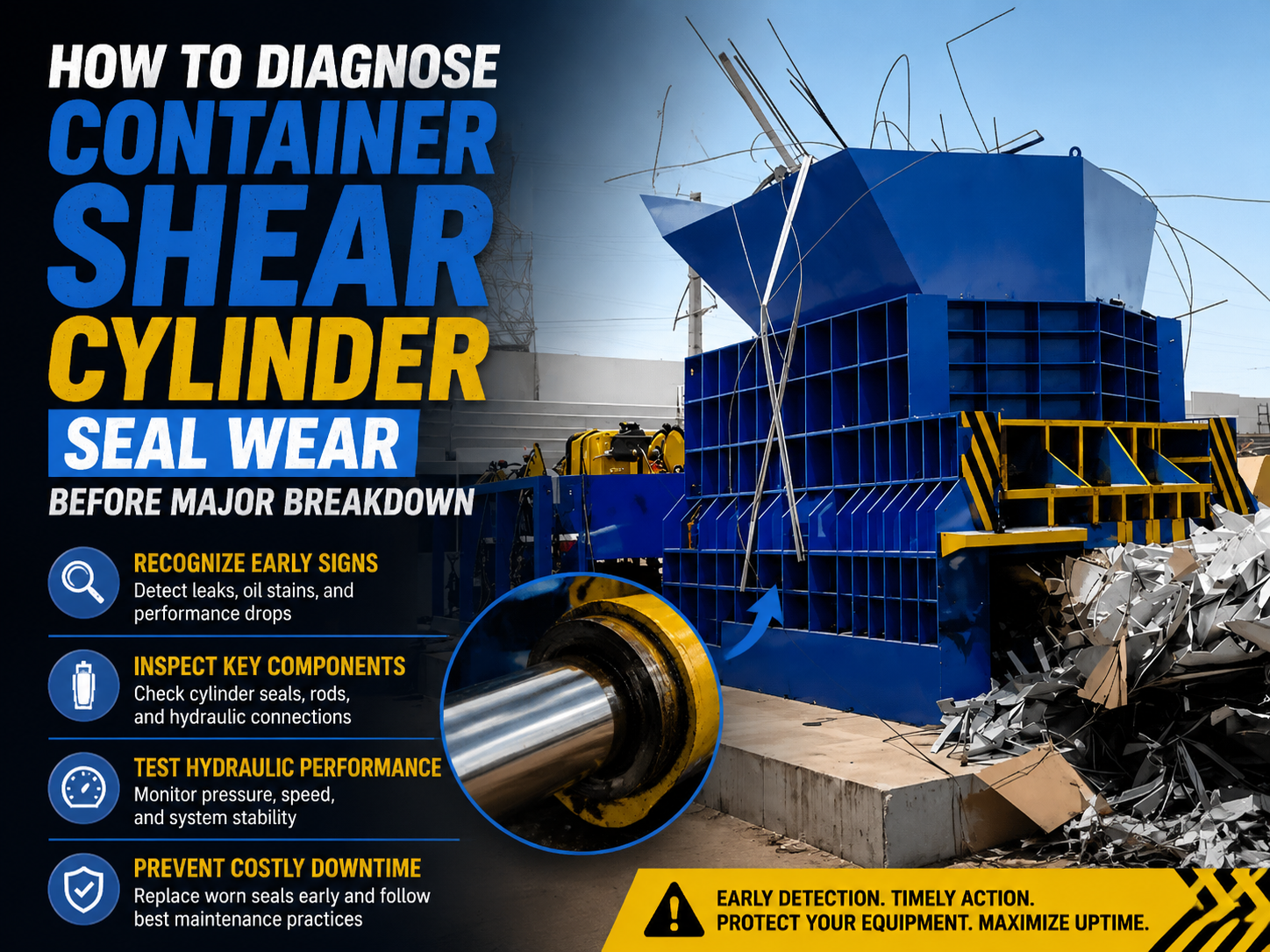
Introduction
In the high-pressure environment of metal recycling and scrap processing, the container shear is the backbone of operational efficiency. These machines are engineered to handle immense force, but even the most robust HARSLE equipment relies on the integrity of its hydraulic systems. Specifically, the cylinder seals act as the critical barrier between high-pressure hydraulic fluid and the external environment. When these seals begin to degrade, the performance of the shear drops, energy consumption spikes, and the risk of catastrophic failure increases exponentially.
Understanding how to diagnose container shear cylinder seal wear before major breakdown is not merely a maintenance task; it is a vital strategy for protecting your capital investment. A sudden seal failure during peak production hours can halt an entire facility, leading to costly downtime, expensive emergency repairs, and potential safety hazards for operators. By recognizing the early warning signs of seal degradation, maintenance teams can transition from reactive, emergency-based repairs to proactive, scheduled maintenance.
This guide provides a deep dive into the technical indicators of seal wear, the diagnostic procedures required to verify internal and external leakage, and the best practices for selecting replacement components. Whether you are managing a large-scale scrap yard or a specialized metal fabrication shop, mastering these diagnostic skills will ensure your HARSLE container shear remains a reliable asset for years to come.
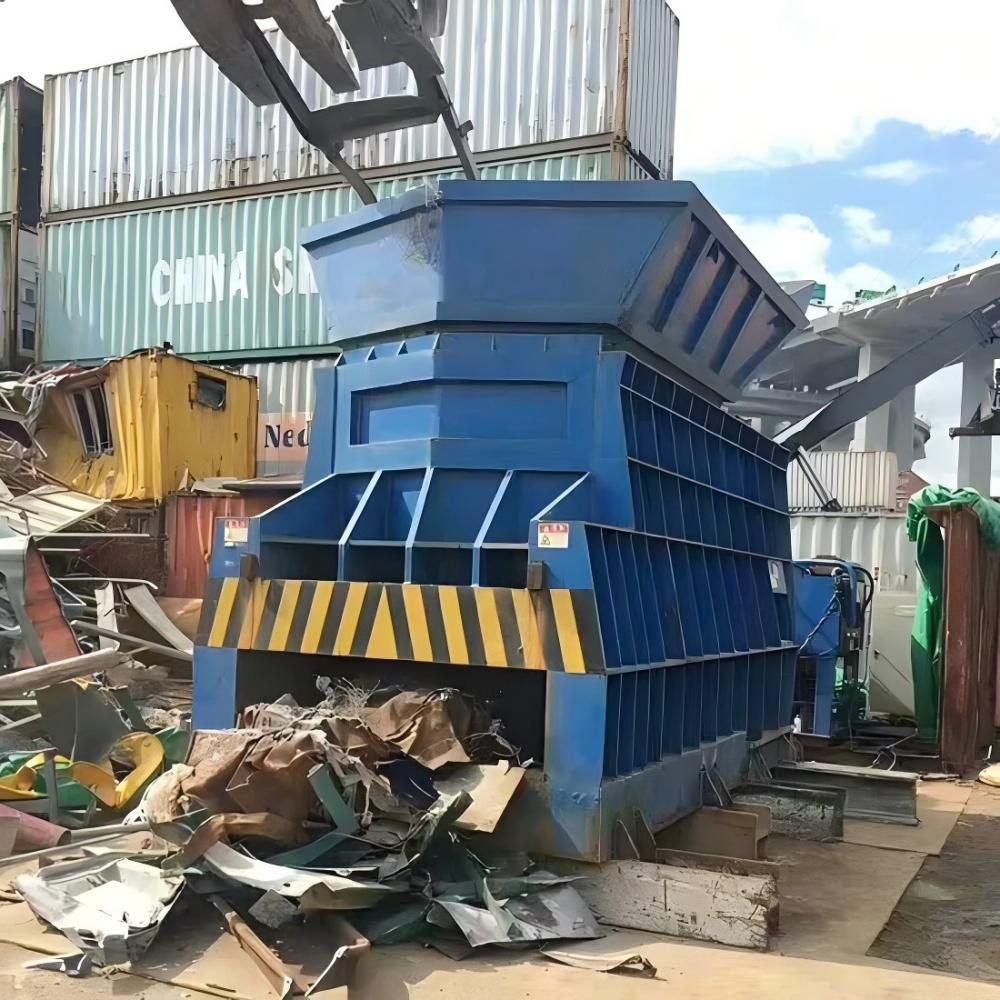
Key Considerations for Hydraulic Integrity
The hydraulic cylinder in a container shear is a marvel of engineering, designed to convert fluid pressure into the linear force required to slice through heavy-gauge steel. However, the seals—typically made of specialized polymers or elastomers—are the most vulnerable components within this assembly. These seals must withstand extreme pressure fluctuations, thermal expansion, and the constant friction of the piston rod moving through the cylinder bore.
One of the primary considerations in diagnosing wear is understanding the operating environment. Contamination is the silent killer of hydraulic seals. Even microscopic particles of metal dust, grit, or degraded hydraulic fluid can act as an abrasive, scoring the surface of the cylinder rod or the seal lip. Once the surface finish is compromised, the seal can no longer maintain a tight interface, leading to the initial stages of leakage.
Temperature management is another critical factor. Hydraulic fluid that consistently operates above recommended temperature ranges will accelerate the hardening and cracking of seal materials. When seals lose their elasticity, they lose their ability to conform to the cylinder wall, resulting in bypass leakage. Maintenance teams must monitor fluid temperature and ensure that cooling systems are functioning correctly to prevent premature seal degradation.
Finally, the frequency of operation plays a significant role. A container shear that operates in a 24/7 cycle will naturally experience faster seal wear than one used intermittently. Establishing a maintenance schedule based on actual cycle counts rather than just calendar time is a best practice for high-output facilities. By tracking the number of cuts performed, you can predict the lifespan of your seals more accurately and plan replacements during scheduled downtime.
Technical Details: Identifying the Signs of Wear
To effectively diagnose container shear cylinder seal wear before major breakdown, you must look for both external and internal indicators. External leakage is the most obvious sign, often manifesting as a thin film of oil on the cylinder rod or puddles forming beneath the shear. However, external leaks are often the final stage of a problem that began internally. If you see oil dripping, the seal has likely already failed significantly.
Internal leakage, or ‘bypass,’ is more insidious because it is not visible from the outside. This occurs when the piston seal allows high-pressure fluid to leak past the piston into the low-pressure side of the cylinder. You can diagnose this by observing the machine’s performance. If the shear is struggling to complete a cut, if the cycle time has increased, or if the machine ‘drifts’ or loses pressure while holding a load, internal seal bypass is a likely culprit.
Another technical indicator is the sound of the hydraulic system. A healthy hydraulic system operates with a consistent, smooth hum. If you hear cavitation—a sound often described as gravel moving through the pipes—it indicates that air is entering the system or that the pump is struggling to maintain pressure due to internal leakage. This turbulence can cause rapid erosion of seal materials and should be addressed immediately.
Pressure testing is the gold standard for diagnosis. By installing a pressure gauge on both sides of the cylinder and performing a static load test, you can identify if pressure is equalizing across the piston. If the pressure on the low-pressure side rises significantly while the cylinder is under load, the piston seals are compromised. This diagnostic step is essential for confirming suspicions before committing to a full cylinder teardown.
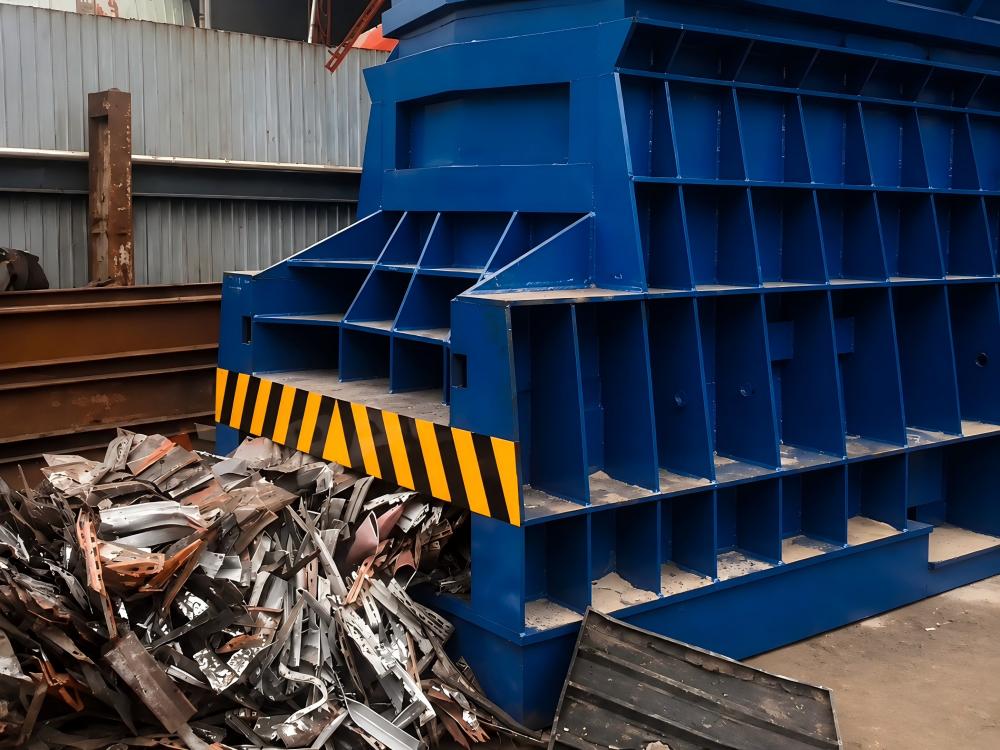
Selection Advice for Replacement Seals
When the time comes to replace your seals, the quality of the replacement parts is just as important as the diagnostic process. Not all seals are created equal. For heavy-duty industrial applications like HARSLE container shears, you must select seals that are rated for the specific pressure, temperature, and chemical compatibility of your hydraulic fluid. Using generic, low-cost seals can lead to premature failure and repeat labor costs.
Consider the material composition of the seals. Nitrile rubber (NBR) is common, but for high-temperature or high-pressure applications, materials like Viton or specialized polyurethane (TPU) offer superior wear resistance and longevity. Always consult the HARSLE technical manual or contact our support team to verify the exact specifications required for your specific model. Using the wrong material can lead to chemical degradation or mechanical failure within weeks of installation.
The installation process is equally critical. Even the highest quality seal will fail if it is damaged during installation. Ensure that the cylinder bore and rod are thoroughly cleaned and inspected for nicks or scratches before installing new seals. Use proper installation tools to avoid stretching or pinching the seal lips. A small amount of clean hydraulic fluid or assembly lubricant can help the seal seat correctly without damage.
Finally, consider the ‘seal kit’ approach. When one seal shows signs of wear, it is highly recommended to replace the entire set of seals for that cylinder. If one seal has reached the end of its service life, the others are likely close behind. Replacing the entire kit ensures that the cylinder returns to peak performance and prevents the need to disassemble the machine again in the near future for a different seal in the same assembly.
FAQ: Common Questions About Seal Maintenance
- How often should I inspect my container shear seals? We recommend a visual inspection every 100 operating hours and a full pressure test every 500 hours to ensure optimal performance.
- Can I use aftermarket seals instead of OEM parts? While aftermarket parts may seem cheaper, OEM parts from HARSLE are specifically engineered for the tolerances and material requirements of our machines, ensuring safety and longevity.
- What causes a seal to fail prematurely? The most common causes are hydraulic fluid contamination, operating at temperatures above 80°C, and improper installation techniques.
- Is it possible to repair a scored cylinder rod? Minor surface imperfections can sometimes be polished, but deep scores usually require the rod to be re-chromed or replaced to prevent immediate seal failure.
- How do I know if the leak is from the seal or a fitting? Clean the area thoroughly with a degreaser, then observe the machine under load. If the oil originates from the cylinder head or rod gland, it is a seal issue. If it comes from a connection point, it is likely a loose fitting or a damaged O-ring.
Conclusion
Diagnosing container shear cylinder seal wear before major breakdown is a fundamental skill for any maintenance professional working with HARSLE equipment. By paying close attention to cycle times, listening for changes in hydraulic noise, and performing regular pressure tests, you can identify issues long before they result in a total machine failure. This proactive approach not only saves thousands of dollars in emergency repair costs but also extends the overall lifespan of your container shear.
Remember that the hydraulic system is a closed loop; every component is interconnected. A failing seal puts extra strain on the hydraulic pump, which in turn can contaminate the entire system with debris. By maintaining your seals, you are effectively protecting the heart of your metal fabrication operation. Always prioritize high-quality replacement parts and follow the manufacturer’s guidelines for installation to ensure that your equipment continues to deliver the precision and power you expect from HARSLE.
If you are ever in doubt about the condition of your hydraulic cylinders, do not hesitate to reach out to our technical support team. We are committed to helping you maintain your equipment to the highest standards, ensuring that your production remains uninterrupted and your workplace remains safe. Regular maintenance is the key to industrial excellence, and with these diagnostic steps, you are well-equipped to keep your container shear running at peak efficiency.