Troubleshooting Container Shear Safety Interlock Failures In Industrial Use: A Comprehensive Guide

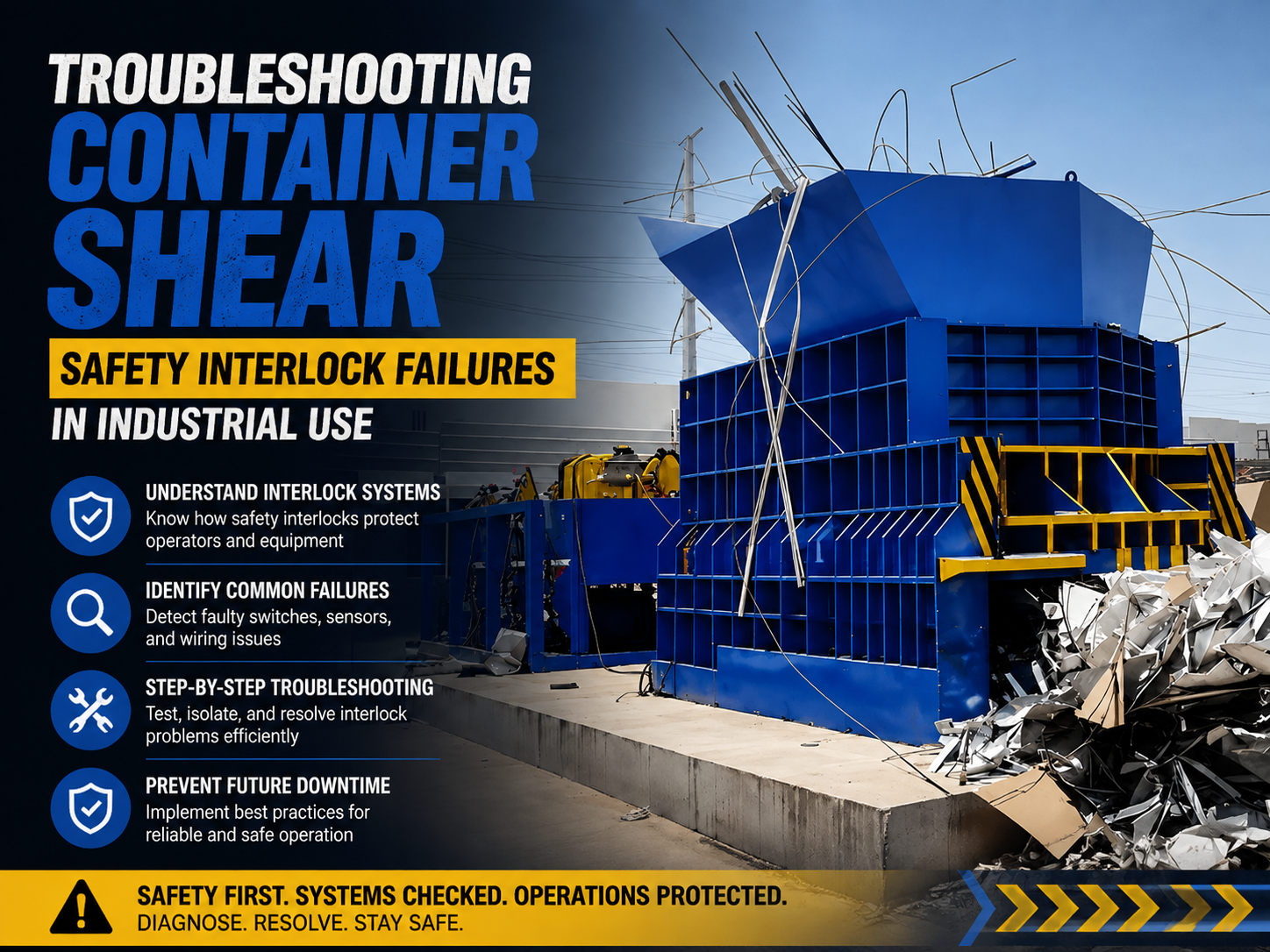
Introduction to Container Shear Safety Systems
In the demanding world of metal recycling and heavy-duty fabrication, the container shear stands as a cornerstone of operational efficiency. These machines are engineered to process massive volumes of scrap metal, requiring immense hydraulic force and precise mechanical movement. However, the sheer power of these machines necessitates rigorous safety protocols. At the heart of these protocols lies the safety interlock system—a critical component designed to prevent catastrophic accidents by ensuring the machine only operates under safe, verified conditions.
Troubleshooting Container Shear Safety Interlock Failures In Industrial Use is a vital skill for maintenance teams and plant managers. When an interlock fails, the entire production line grinds to a halt, leading to significant downtime and potential financial loss. Understanding the nuances of these systems, from sensor calibration to electrical continuity, is essential for maintaining a safe and productive work environment. HARSLE emphasizes that safety is not merely a regulatory requirement but the foundation of sustainable industrial operations.
This article serves as a comprehensive technical guide for identifying, diagnosing, and resolving interlock failures. We will explore the mechanical and electrical architecture of modern container shears, providing actionable insights into common failure points. By mastering these troubleshooting techniques, operators can ensure that their HARSLE equipment remains both compliant with international safety standards and optimized for high-throughput performance.
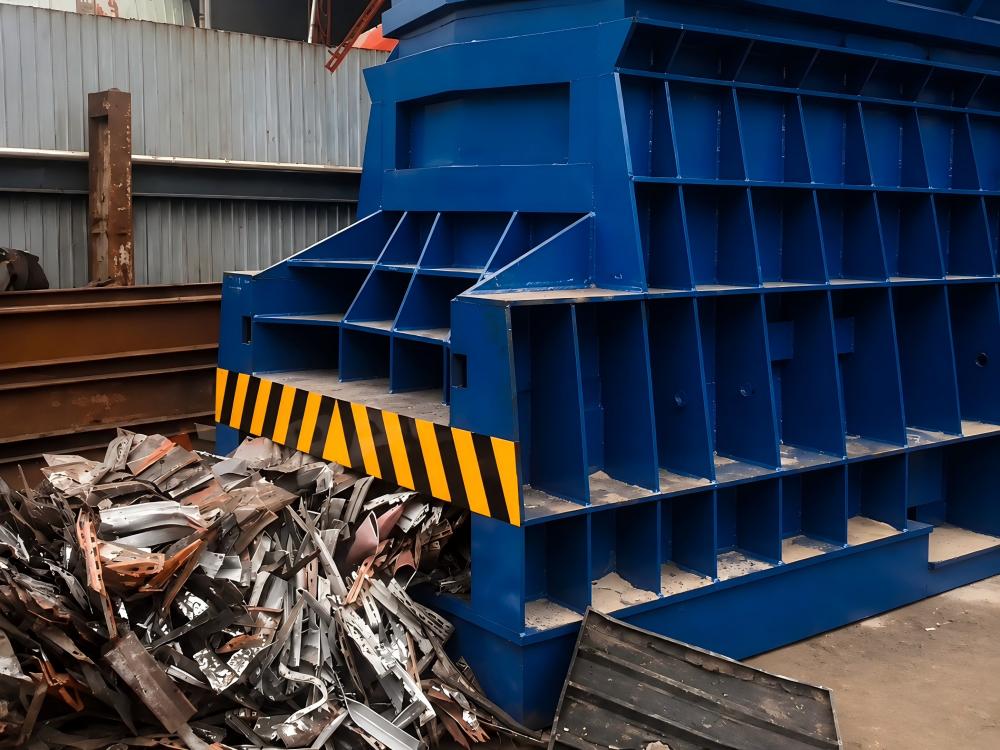
Key Considerations for Safety Interlock Integrity
The safety interlock system on a container shear is a multi-layered defense mechanism. It typically involves limit switches, proximity sensors, and emergency stop circuits integrated into the Programmable Logic Controller (PLC). The primary consideration for any maintenance team is the environmental factor. Industrial scrap yards are harsh environments characterized by dust, vibration, moisture, and extreme temperature fluctuations. These elements can degrade sensor sensitivity and compromise electrical connections over time.
Another key consideration is the frequency of inspection. Safety interlocks should never be treated as ‘set and forget’ components. A proactive maintenance schedule must include regular testing of all gate sensors, light curtains, and pressure-sensitive mats. If an interlock fails, the machine’s logic controller will typically trigger a ‘Safety Fault’ code, preventing the hydraulic pump from engaging. Understanding the specific error codes provided by the HARSLE control interface is the first step in effective troubleshooting.
Human error also plays a significant role in interlock failures. Often, operators may attempt to bypass safety features to increase speed or accommodate non-standard scrap sizes. This is a dangerous practice that not only voids warranties but also creates severe liability risks. Maintenance teams must ensure that all bypasses are removed and that the interlock logic remains intact. Training staff on the importance of these systems is just as important as the mechanical repair itself.
Finally, consider the age of the machine. Older container shears may utilize mechanical limit switches that are prone to physical wear and tear. Newer models often incorporate non-contact inductive or magnetic sensors, which offer greater durability but require more sophisticated diagnostic tools to troubleshoot. Knowing the specific technology utilized in your machine is crucial for accurate diagnosis.
Technical Details: Diagnosing Interlock Failures
When troubleshooting Container Shear Safety Interlock Failures In Industrial Use, the diagnostic process should follow a logical, step-by-step approach. Start by checking the physical status of the safety gates and covers. Often, a failure is caused by a simple misalignment of the gate, preventing the sensor from detecting the ‘closed’ position. Inspect the mounting brackets for any signs of deformation caused by heavy scrap impact or vibration.
Next, move to the electrical circuit. Use a multimeter to verify continuity across the safety loop. A common failure point is the wiring harness, which may suffer from fatigue due to the constant movement of the shear head. Look for frayed insulation, loose terminals, or oxidation on connector pins. In many cases, a simple cleaning of the electrical contacts with an electronic-grade solvent can resolve intermittent signal loss that triggers false safety faults.
The PLC input module is another critical area. If the physical sensor is functioning correctly, the issue may lie in the input card of the controller. Check the LED indicators on the PLC module. If the sensor is triggered but the corresponding input light on the PLC does not illuminate, you have identified a signal path failure. This could be a blown fuse, a faulty input card, or a break in the wiring between the sensor and the control cabinet.
Software-based diagnostics are also invaluable. Modern HARSLE container shears feature diagnostic screens that display the real-time status of every safety input. By monitoring these screens while manually actuating sensors, you can isolate the exact point of failure. If a sensor shows ‘Open’ when it should be ‘Closed,’ you have narrowed your search to that specific component or its immediate wiring.
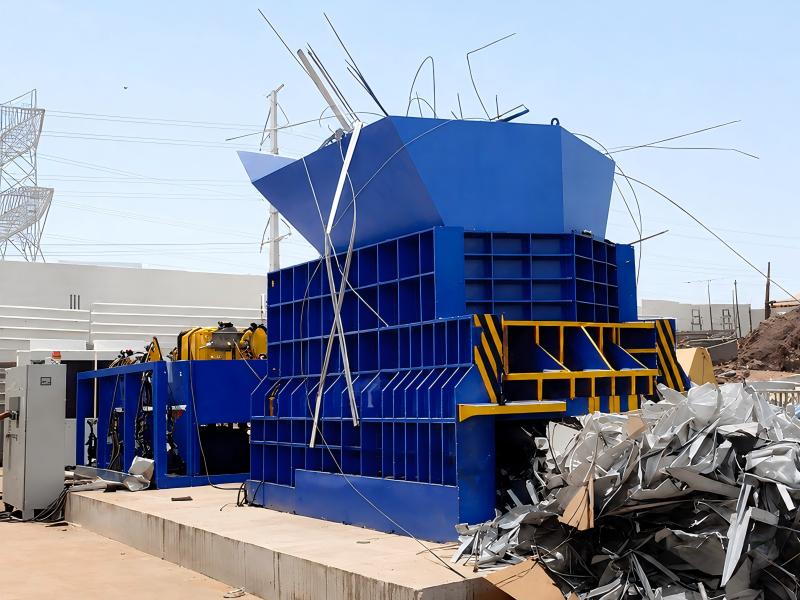
Selection Advice for Replacement Components
When a safety interlock component fails, selecting the correct replacement is paramount. Never substitute industrial-grade safety sensors with generic alternatives. Safety-rated components are designed with ‘fail-safe’ logic, meaning that if the component itself fails, it defaults to the ‘safe’ (machine stopped) state. Using non-rated components can lead to a situation where the machine continues to operate despite a sensor failure, creating a lethal hazard.
Consult the HARSLE technical manual for the specific part numbers and specifications required for your model. Pay close attention to the IP rating of the sensor. In a container shear environment, an IP67 or IP69K rating is often necessary to protect against the ingress of metal dust and hydraulic fluid. Choosing a sensor with a lower rating will inevitably lead to premature failure and recurring maintenance headaches.
Consider the mounting configuration as well. Some sensors are designed for flush mounting, while others require specific clearances to function correctly. If you are replacing an older mechanical switch with a modern proximity sensor, ensure that the sensing distance is compatible with the existing gate travel. A mismatch here will result in the machine failing to recognize the gate as closed, even when it is physically secured.
Finally, keep a small inventory of critical safety spares on-site. This includes limit switches, emergency stop buttons, and safety relays. Having these items in stock significantly reduces the Mean Time to Repair (MTTR). When selecting suppliers, prioritize those who provide genuine OEM parts, as these are guaranteed to integrate seamlessly with your HARSLE control system and maintain the machine’s safety certification.
FAQ: Troubleshooting Container Shear Safety Interlock Failures In Industrial Use
- Q: Why does my container shear show a ‘Safety Gate Open’ error when the gate is closed?
A: This is usually caused by a misaligned sensor or a loose mounting bracket. Check the physical alignment first, then inspect the sensor wiring for continuity. - Q: Can I bypass the safety interlock to finish a job?
A: Absolutely not. Bypassing safety interlocks is a severe violation of industrial safety standards and puts operators at extreme risk of injury or death. - Q: How often should I test the safety interlock system?
A: We recommend a functional test at the start of every shift. A full diagnostic inspection should be part of your monthly preventative maintenance schedule. - Q: What should I do if the PLC input light is off even when the sensor is active?
A: This indicates a break in the signal path. Check the wiring between the sensor and the PLC input card, and verify that the input card itself is receiving power. - Q: Are all safety sensors interchangeable?
A: No. Safety sensors are specific to the voltage, logic type (PNP/NPN), and safety category required by your machine’s control system. Always use the manufacturer-recommended parts.
Conclusion
Troubleshooting Container Shear Safety Interlock Failures In Industrial Use is a critical responsibility that directly impacts the safety and productivity of your metal fabrication facility. By understanding the mechanical and electrical systems that govern these safety features, maintenance teams can quickly identify and resolve issues, minimizing downtime and ensuring a secure working environment. HARSLE remains committed to providing the highest quality industrial machinery, and we encourage all operators to prioritize regular maintenance and adherence to safety protocols.
Remember that the safety interlock system is the last line of defense between your operators and the immense power of the container shear. Never compromise on the quality of replacement parts, and always ensure that your maintenance staff is properly trained in the latest diagnostic techniques. By maintaining a proactive approach to safety, you protect your most valuable assets—your people—while ensuring the long-term reliability and performance of your HARSLE equipment. For further technical support or to order genuine spare parts, consult your HARSLE representative today.