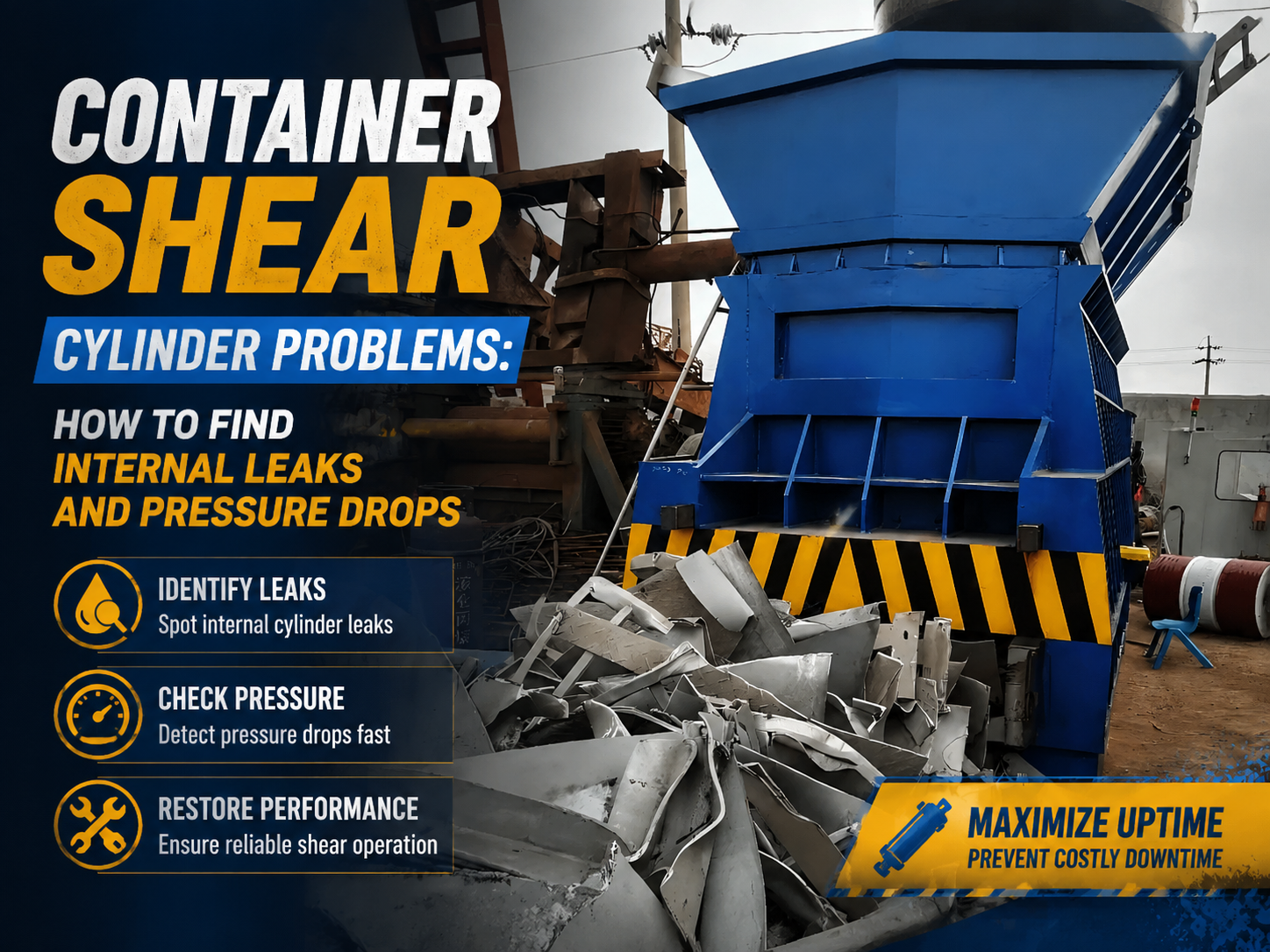
Container Shear Cylinder Problems: How to Find Internal Leaks and Pressure Drops

Introduction to Container Shear Cylinder Performance
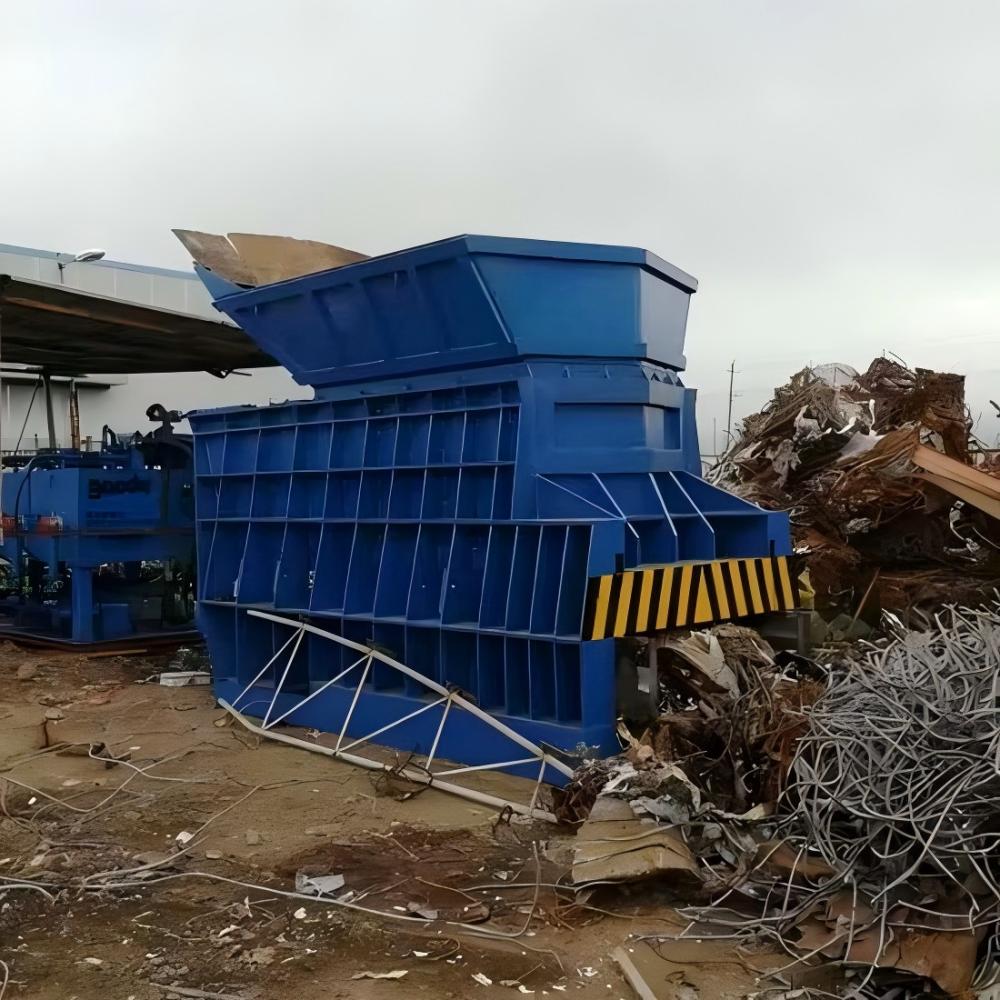
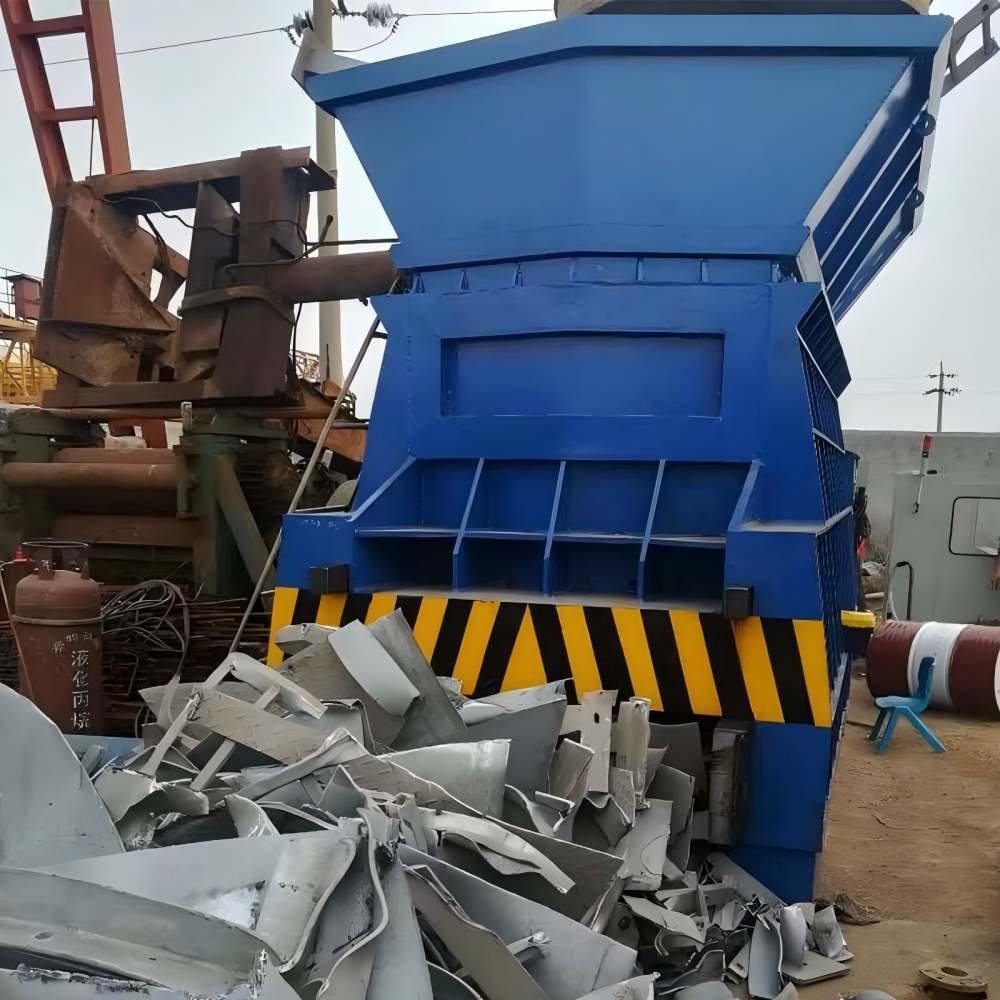
In the demanding world of metal recycling and heavy-duty fabrication, the container shear stands as a cornerstone of operational efficiency. These machines are engineered to process massive volumes of scrap metal, relying heavily on the integrity of their hydraulic systems. Among these components, the shear cylinder is arguably the most critical, as it provides the raw force necessary to cut through thick steel plates and structural beams. However, even the most robust HARSLE machinery can encounter operational hurdles over time, particularly regarding hydraulic efficiency.
Understanding container shear cylinder problems: find internal leaks and pressure drops is essential for any facility manager or maintenance technician. When a shear begins to lose its cutting speed or fails to complete a cycle under load, the culprit is often hidden within the hydraulic circuit. Internal leakage—where fluid bypasses the piston seal—can lead to significant energy loss, overheating, and reduced throughput. This guide explores the technical nuances of diagnosing these issues, ensuring your equipment remains at peak performance.
Maintaining hydraulic integrity is not merely about fixing a broken machine; it is about proactive asset management. By identifying pressure drops early, operators can prevent catastrophic failure, extend the lifespan of the hydraulic pump, and reduce overall energy consumption. This article serves as a comprehensive technical manual for diagnosing, isolating, and rectifying internal leakage issues within container shear cylinders, helping you minimize downtime and maximize productivity.
Key Considerations for Hydraulic System Health
The hydraulic system of a container shear is a closed-loop environment where precision is paramount. When addressing container shear cylinder problems, the first step is to establish a baseline for normal operation. Operators should be trained to recognize the subtle signs of degradation, such as a slight increase in cycle time, unusual heat generation in the hydraulic reservoir, or a noticeable vibration during the shearing stroke. These symptoms often precede a total system failure.
Environmental factors play a significant role in the longevity of cylinder seals. Metal fabrication environments are inherently harsh, characterized by dust, debris, and extreme temperature fluctuations. If the hydraulic fluid becomes contaminated with metallic particulates, the internal seals of the cylinder can suffer from accelerated wear. This wear creates a path for high-pressure fluid to bypass the piston, leading to the internal leaks that characterize many common cylinder problems.
Furthermore, the quality of the hydraulic fluid itself cannot be overstated. Using the wrong viscosity or failing to change filters at recommended intervals will inevitably lead to pressure drops. A system struggling with contaminated fluid will experience increased friction, which in turn generates heat. Heat degrades the rubber compounds in seals, causing them to harden and lose their sealing capability. This cycle of degradation is the primary driver of internal leakage in heavy-duty shear cylinders.
Finally, consider the structural alignment of the cylinder. If the shear head is misaligned or if the cylinder mounting pins are worn, the cylinder may be subjected to side-loading. Side-loading forces the piston rod against the cylinder wall, causing uneven wear on the seals and the internal bore. This mechanical stress is a leading cause of pressure drops that are often misdiagnosed as purely hydraulic issues. Always check the physical mounting of the cylinder before diving into the hydraulic circuit.
Technical Details: Identifying Internal Leaks and Pressure Drops
Diagnosing internal leaks requires a systematic approach. The most common method involves a ‘piston seal bypass test.’ To perform this, the cylinder must be fully extended or retracted to a mechanical stop. By disconnecting the return line and observing the flow while the system is under pressure, a technician can determine if fluid is bypassing the piston. If a significant amount of oil flows from the disconnected port while the cylinder is held against its stop, the piston seals are likely compromised.
Pressure drops are often identified using a calibrated pressure gauge installed at the cylinder inlet. If the system pressure drops significantly when the shear blade engages the material, but the pump pressure remains stable, the issue is almost certainly internal leakage within the cylinder. This indicates that the pump is producing the required force, but the cylinder is unable to contain that force due to internal bypass. This distinction is critical for effective troubleshooting.
Another technical indicator is the temperature differential. Using an infrared thermometer, technicians can scan the length of the cylinder barrel while the machine is under load. A ‘hot spot’ in the middle of the cylinder, where the piston is currently positioned, often indicates that high-pressure fluid is leaking across the seals and generating heat through friction and pressure drop. This is a non-invasive way to confirm internal leakage without dismantling the equipment.
It is also important to monitor the hydraulic reservoir temperature. If the reservoir temperature rises rapidly during operation, it is a clear sign that the system is working harder than necessary to compensate for internal losses. This ‘energy waste’ is a hallmark of internal leakage. By tracking these metrics, maintenance teams can move from reactive repairs to predictive maintenance, addressing seal degradation before it results in a complete loss of shearing force.
Diagnostic Checklist for Maintenance Teams
- Check hydraulic fluid levels and color for signs of contamination.
- Inspect all external hoses and fittings for signs of weeping or seepage.
- Perform a piston seal bypass test by monitoring return flow.
- Use an infrared thermometer to detect localized heat buildup on the cylinder barrel.
- Verify that the shear head alignment is within manufacturer specifications.
- Test system pressure at the cylinder inlet during a full-load cycle.
- Review the maintenance log for recent filter changes and fluid analysis reports.
Selection Advice: Choosing the Right Components for HARSLE Machinery
When the time comes to replace seals or the entire cylinder assembly, quality is the most important factor. HARSLE machinery is designed to operate under high-pressure conditions that would cause inferior components to fail prematurely. Always source original equipment manufacturer (OEM) parts or high-grade aftermarket components that meet or exceed the original specifications. Using generic seals may save money in the short term, but the cost of labor for premature replacement far outweighs the initial savings.
Consider the material composition of the seals. For high-temperature or high-pressure applications, specialized materials like Viton or reinforced polyurethane are often superior to standard nitrile rubber. These materials offer better resistance to the chemical additives found in modern hydraulic fluids and are less prone to hardening over time. When selecting replacement parts, consult the HARSLE technical manual to ensure compatibility with your specific shear model.
Furthermore, evaluate the condition of the cylinder bore. If the internal surface of the cylinder has been scored by debris, simply replacing the seals will not solve the problem. The fluid will continue to leak through the scratches in the bore. In such cases, the cylinder must be honed or replaced entirely. A professional inspection of the bore surface is a necessary step during any major cylinder overhaul.
Lastly, consider the integration of modern monitoring technology. Many modern HARSLE shears can be retrofitted with pressure transducers and flow meters that provide real-time data to a PLC (Programmable Logic Controller). Investing in these sensors allows for automated alerts when pressure drops occur, effectively automating the diagnostic process and ensuring that internal leaks are caught long before they impact production output.
FAQ: Common Questions About Shear Cylinder Maintenance
How often should I check my shear cylinder for internal leaks?
For high-volume operations, we recommend a visual inspection daily and a formal pressure test every 500 to 1,000 operating hours. Consistent monitoring is the best way to prevent unexpected downtime.
Can I repair a leaking cylinder myself?
While minor seal replacements can be performed by trained maintenance staff, major cylinder overhauls involving honing or rod repair should be handled by certified technicians to ensure the structural integrity of the component.
What causes pressure drops in a new machine?
If a new machine experiences pressure drops, it is usually due to air trapped in the hydraulic system, incorrect valve settings, or a faulty pressure relief valve. Always bleed the system thoroughly after any maintenance.
Why does my shear cylinder get hot?
Heat is a byproduct of energy loss. If the cylinder is hot, it is likely due to internal leakage, excessive friction from misalignment, or the hydraulic fluid being pushed through a restricted orifice.
What is the most common sign of a failing piston seal?
The most common sign is a ‘creeping’ cylinder, where the shear blade slowly drifts or fails to maintain its position under load, combined with a noticeable loss of cutting force.
Conclusion: Ensuring Long-Term Reliability
Addressing container shear cylinder problems: find internal leaks and pressure drops is a critical aspect of maintaining a high-performance metal fabrication facility. By understanding the mechanics of hydraulic failure and implementing a rigorous maintenance schedule, you can ensure that your HARSLE equipment continues to deliver the precision and power required for your operations. Remember that the health of your hydraulic system is directly linked to the quality of your output and the safety of your workplace.
Proactive maintenance, such as regular fluid analysis, seal inspections, and the use of diagnostic tools, will save your company significant time and money in the long run. Do not wait for a total system failure to address minor pressure drops. By staying vigilant and following the technical guidelines outlined in this article, you can extend the life of your machinery and maintain a competitive edge in the metal processing industry. For further technical support or to source genuine HARSLE parts, always consult with your authorized service representative.