Why a Container Shear Misses Cuts: Troubleshooting Positioning and Feeding Errors

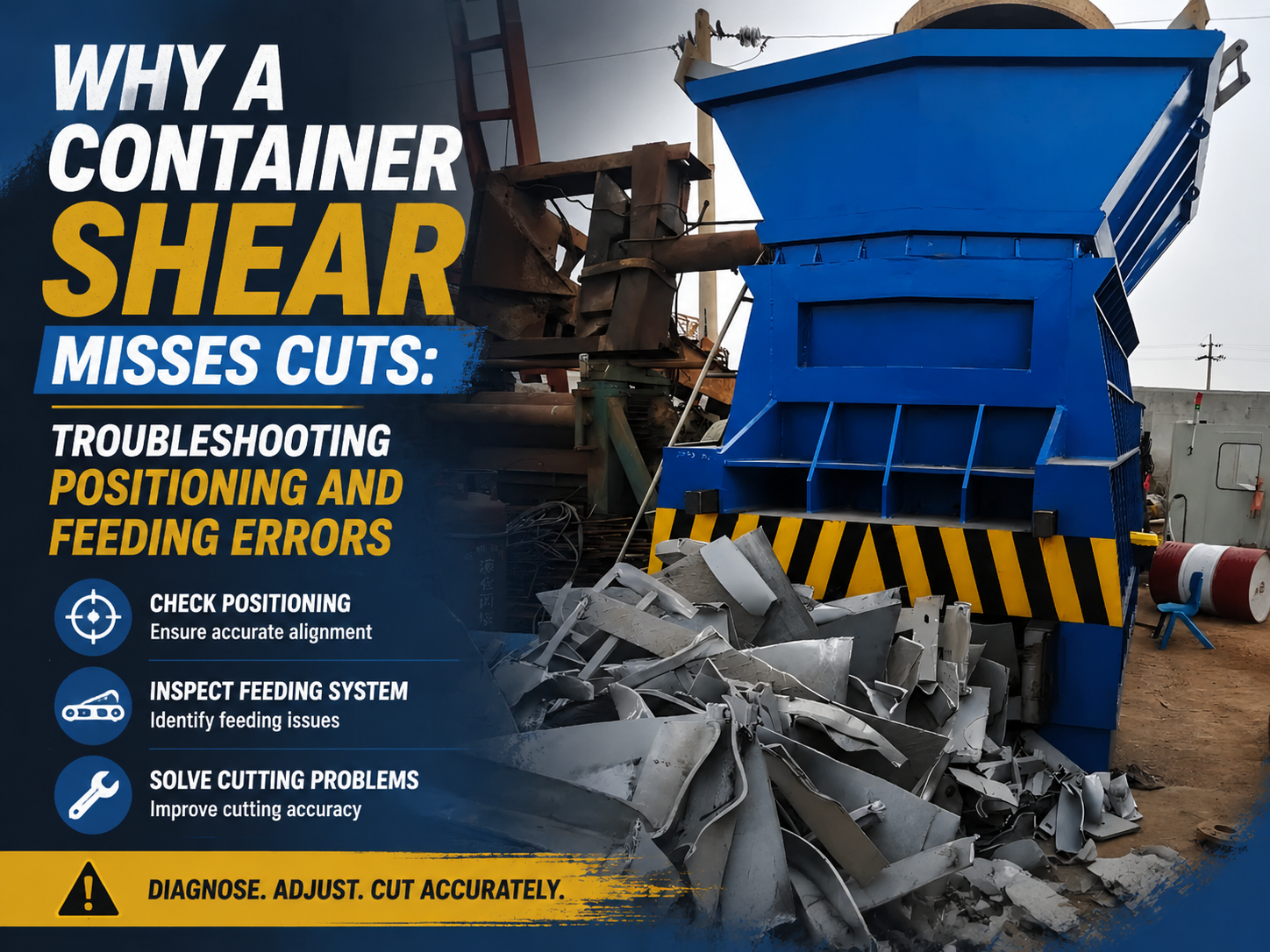
Introduction: The Critical Role of Precision in Container Shearing
In the high-stakes world of metal recycling and heavy-duty fabrication, the container shear stands as a cornerstone of operational efficiency. Designed to process massive volumes of scrap metal, these machines rely on a delicate balance of hydraulic force, structural integrity, and precise material handling. However, even the most robust equipment can encounter operational hurdles. When a container shear misses cuts, it is rarely a sign of total machine failure; rather, it is usually a symptom of underlying issues in the positioning and feeding systems.
Understanding why a container shear misses cuts is essential for plant managers and maintenance technicians alike. A missed cut not only results in wasted time and energy but can also lead to significant mechanical strain on the shear blades and the hydraulic cylinders. By identifying the root causes of these errors, operators can implement preventative maintenance strategies that extend the lifespan of their equipment and ensure consistent throughput.
This guide explores the technical intricacies of feeding and positioning systems in modern container shears. We will delve into the mechanical, hydraulic, and electrical factors that contribute to cutting inaccuracies. Whether you are operating a HARSLE heavy-duty shear or similar industrial equipment, the principles of troubleshooting remain consistent. Our goal is to provide a comprehensive resource that helps you diagnose problems quickly and restore your production line to peak performance.
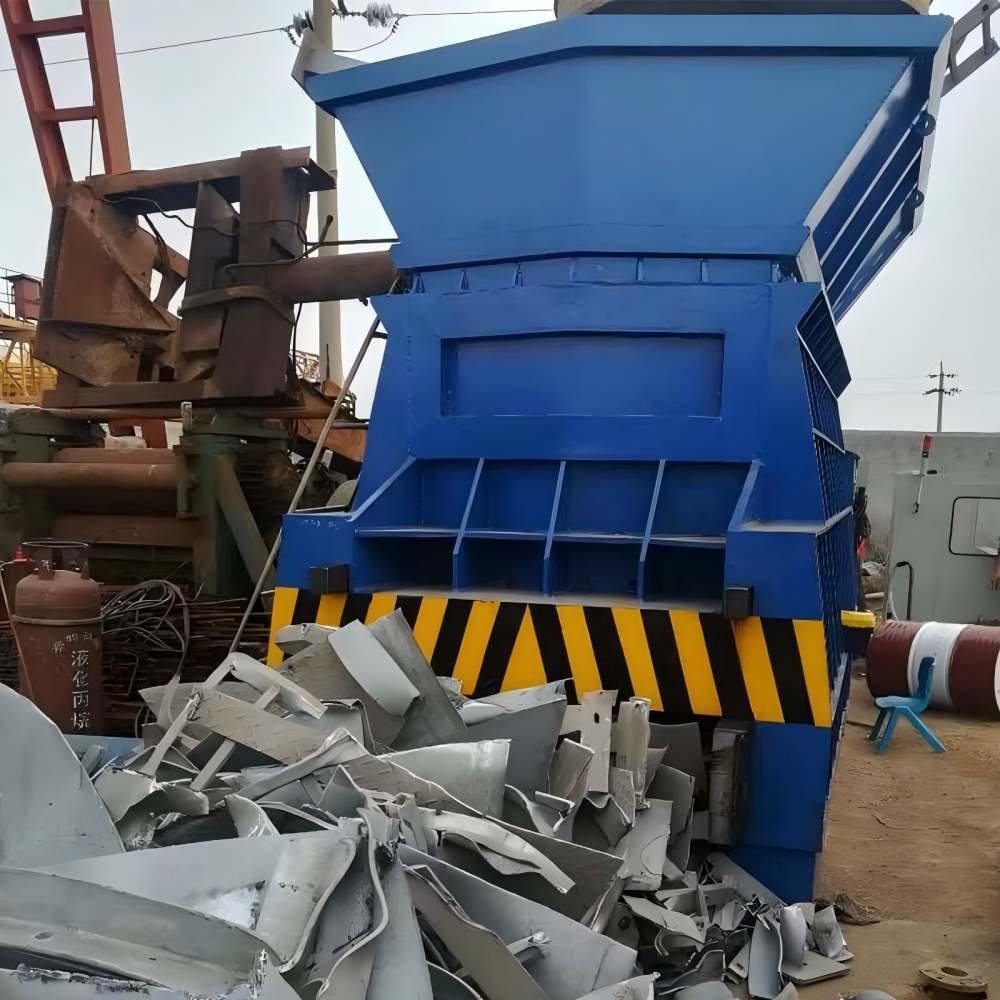
Key Considerations: The Anatomy of a Feeding Error
The feeding mechanism of a container shear is responsible for advancing scrap material into the cutting zone at a controlled rate. When this process is interrupted or misaligned, the shear blade may strike the material at an incorrect angle or fail to engage the material entirely. The first step in troubleshooting is to observe the material flow. Is the material bunching up, or is it sliding past the blade? These visual cues are vital for narrowing down the source of the error.
Positioning errors often stem from the interaction between the pusher ram and the side compression box. If the pusher ram is not advancing the material to the exact required distance, the shear blade will encounter the material too early or too late. This is frequently caused by sensor calibration issues or hydraulic pressure fluctuations. When the PLC (Programmable Logic Controller) receives incorrect data regarding the position of the ram, it triggers the cutting cycle prematurely, leading to missed cuts.
Another critical consideration is the condition of the wear plates within the container. Over time, these plates can become grooved or uneven, causing the scrap metal to catch or skew as it is pushed forward. If the material is not sitting flush against the shear blade, the force of the cut will be distributed unevenly, potentially causing the blade to deflect. This deflection is a common reason why a container shear misses cuts, as the blade essentially “skips” over the hardened steel scrap.
Finally, consider the material density and composition. Container shears are designed to handle a wide variety of scrap, but extreme variations in density can overwhelm the feeding system. If a batch of light, bulky material is followed by a dense, solid block, the feeding system may struggle to maintain consistent pressure. Operators must ensure that the feeding speed is adjusted appropriately for the type of material being processed to prevent these inconsistencies.
Technical Details: Diagnosing Hydraulic and Mechanical Failures
At the heart of the container shear’s operation is the hydraulic system. If the hydraulic pressure is inconsistent, the feeding ram will not move with the required precision. Pressure drops can be caused by leaking seals, clogged hydraulic filters, or a failing pump. When the ram experiences “stuttering” or uneven movement, it is impossible to maintain the precise positioning required for a clean cut. Technicians should regularly monitor hydraulic pressure gauges and perform oil analysis to detect contamination.
The electrical control system is the brain of the machine. Modern container shears utilize sophisticated sensors to track the position of the ram and the status of the cutting cycle. If a proximity sensor is covered in debris or has shifted due to machine vibration, it may send false signals to the PLC. This results in the machine attempting to cut when the material is not properly positioned. Regular cleaning and calibration of all sensors are mandatory for maintaining accuracy.
Mechanical wear on the shear blade and the blade gap adjustment mechanism is another major factor. If the gap between the upper and lower blades is too wide, the material will be pushed through the gap rather than being sheared cleanly. This is often mistaken for a feeding error. Operators should check the blade gap regularly using feeler gauges and adjust the shims or hydraulic gap adjustment system according to the manufacturer’s specifications.
Furthermore, the structural integrity of the container itself plays a role. If the container walls have bowed out due to years of heavy use, the compression force will be dissipated, and the material will not be held firmly in place. This lack of lateral support allows the material to shift during the cutting stroke, leading to missed cuts. In such cases, structural reinforcement or container replacement may be necessary to restore the machine’s original cutting capabilities.
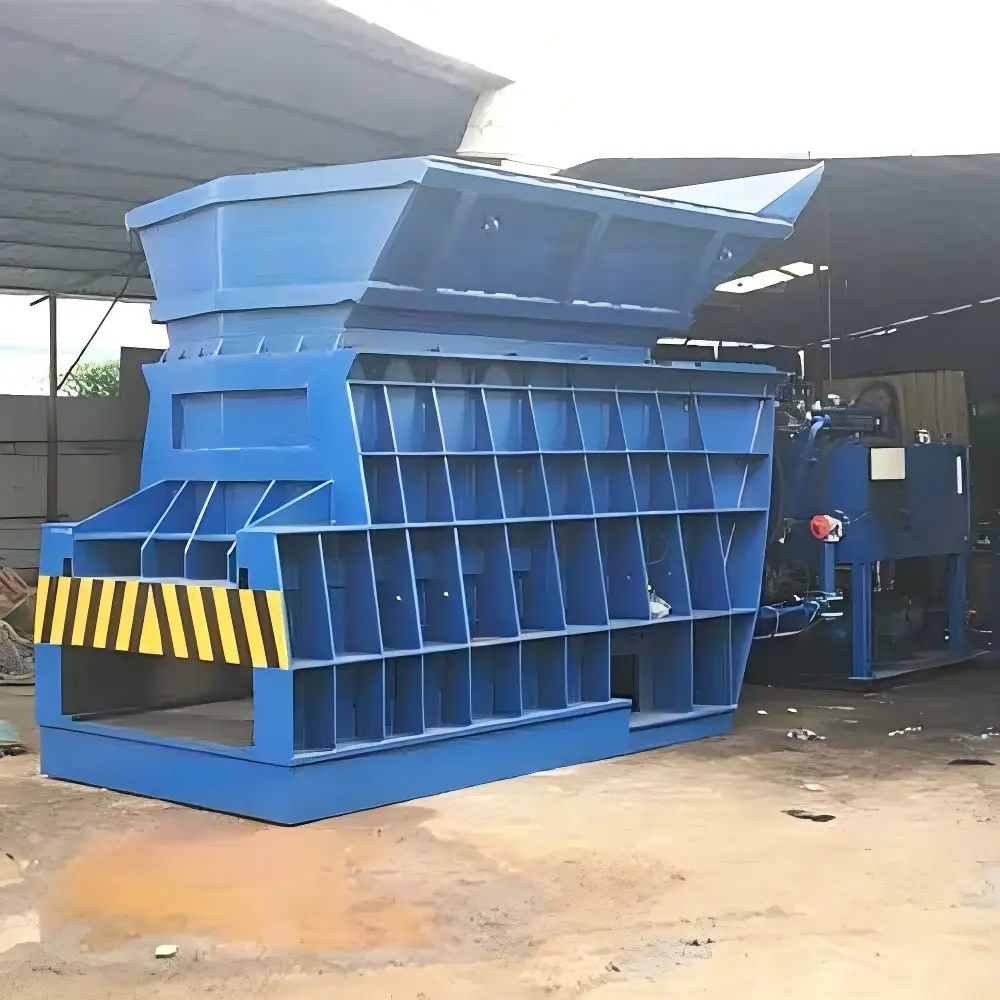
Selection Advice: Choosing the Right Equipment for Your Needs
When selecting a container shear, it is vital to match the machine’s specifications to your specific scrap processing requirements. A machine that is undersized for the volume or density of material you are handling will inevitably suffer from feeding errors and premature wear. Consider the shear force (measured in tons), the size of the feed opening, and the cycle time. A HARSLE container shear, for instance, offers various configurations tailored to different industrial needs, ensuring that the feeding system is robust enough for the intended application.
Look for machines that feature advanced diagnostic capabilities. Modern container shears often come equipped with HMI (Human-Machine Interface) screens that provide real-time feedback on hydraulic pressure, ram position, and sensor status. These features are invaluable for troubleshooting, as they allow operators to pinpoint the exact moment a feeding error occurs. Investing in a machine with integrated diagnostic software can save thousands of dollars in downtime over the life of the equipment.
Consider the ease of maintenance when evaluating potential purchases. A machine that requires extensive disassembly to access the hydraulic valves or the shear blade adjustment mechanism will lead to longer repair times. Look for designs that prioritize accessibility, such as modular hydraulic blocks and easily replaceable wear plates. A well-designed machine should allow for routine maintenance tasks to be performed quickly and safely.
Finally, evaluate the manufacturer’s support network. A container shear is a long-term investment, and you need a partner who can provide technical support, spare parts, and training. Ensure that the manufacturer has a proven track record in the metal fabrication industry and offers comprehensive documentation for their machines. Reliable support is just as important as the hardware itself when it comes to maintaining consistent production quality.
FAQ: Common Questions Regarding Shear Performance
- Q: How often should I check the shear blade gap?
A: It is recommended to check the blade gap at least once a week, or more frequently if you are processing high-tensile materials. Proper gap settings are crucial to prevent material from being pulled into the gap. - Q: Why does my shear ram stop mid-stroke?
A: This is often caused by a pressure relief valve triggering due to an overload or a sensor error. Check the hydraulic pressure levels and ensure that the material is not jammed against the container walls. - Q: Can worn wear plates cause missed cuts?
A: Yes. Worn plates allow material to shift and skew, preventing it from being held firmly against the shear blade. This leads to inaccurate cuts and increased stress on the machine. - Q: What is the most common cause of feeding errors?
A: Sensor misalignment and hydraulic pressure fluctuations are the most frequent culprits. Regular calibration and maintenance of these systems will resolve the majority of feeding issues. - Q: How do I know if my hydraulic oil needs changing?
A: Perform regular oil analysis. If the oil appears cloudy, has a burnt smell, or shows high levels of metal particulates, it should be replaced immediately to prevent damage to the hydraulic pump and valves.
Conclusion: Maintaining Operational Excellence
Troubleshooting a container shear that misses cuts is a systematic process that requires attention to detail and a thorough understanding of the machine’s subsystems. By focusing on the feeding and positioning mechanisms—specifically the hydraulic pressure, sensor accuracy, and mechanical wear—you can identify the root cause of the problem and implement effective solutions. Remember that consistent maintenance is the best defense against operational errors.
As you continue to refine your maintenance protocols, keep in mind that the goal is not just to fix the machine when it breaks, but to prevent it from breaking in the first place. Regular inspections, proper operator training, and the use of high-quality spare parts will ensure that your container shear remains a reliable asset in your metal fabrication facility. Whether you are dealing with minor alignment issues or more complex hydraulic failures, a methodical approach will always yield the best results.
For those operating HARSLE equipment or similar industrial machinery, staying informed about the latest advancements in shearing technology is key. As the industry evolves, so too do the tools and techniques available for maintaining peak performance. By prioritizing the health of your feeding and positioning systems, you ensure that your container shear continues to deliver the precision and efficiency your business demands, day after day.