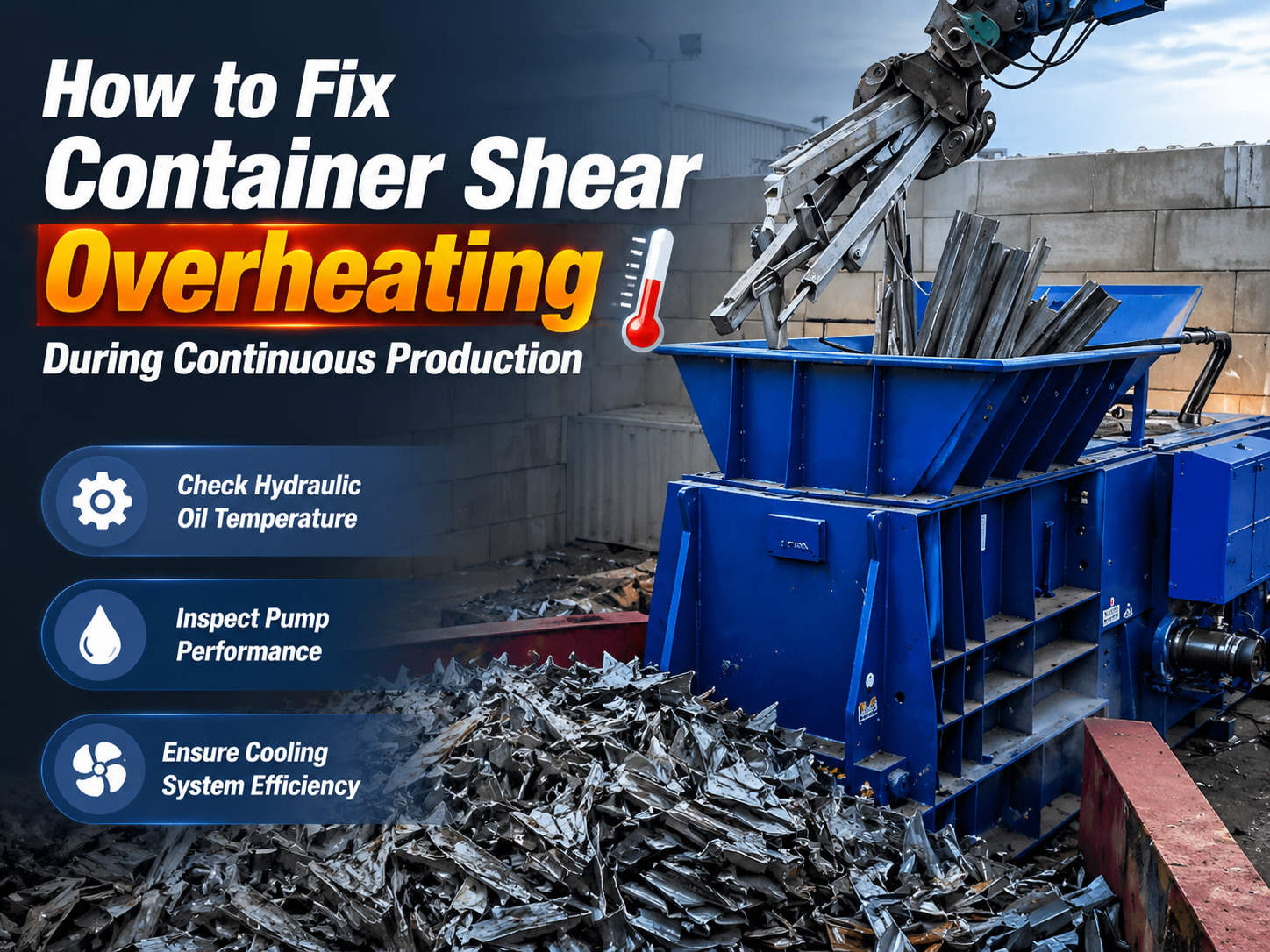
How to Fix Container Shear Overheating During Continuous Production: A Comprehensive HARSLE Guide

Introduction to Container Shear Thermal Management
In the high-stakes environment of industrial metal recycling and fabrication, the container shear stands as a cornerstone of productivity. As facilities push for higher throughput, the challenge of how to fix container shear overheating during continuous production becomes a critical operational concern. When a machine operates at peak capacity for extended shifts, the conversion of mechanical energy into heat—combined with the friction of shearing high-density scrap—can push hydraulic systems and structural components beyond their thermal limits.
HARSLE understands that downtime is the enemy of profitability. Overheating is not merely a nuisance; it is a precursor to accelerated seal degradation, oil viscosity breakdown, and potential catastrophic failure of the hydraulic pump or valve blocks. By understanding the root causes of thermal buildup, operators can implement proactive measures to ensure their equipment remains within optimal operating temperatures, thereby extending the lifespan of the machine and maintaining consistent output quality.
This guide explores the technical intricacies of thermal regulation in heavy-duty shearing equipment. We will delve into hydraulic cooling systems, lubrication protocols, and operational adjustments that serve as the first line of defense against heat-related failures. Whether you are managing a scrap yard or a large-scale metal fabrication plant, these insights will help you maintain peak efficiency.
Key Considerations for Thermal Stability
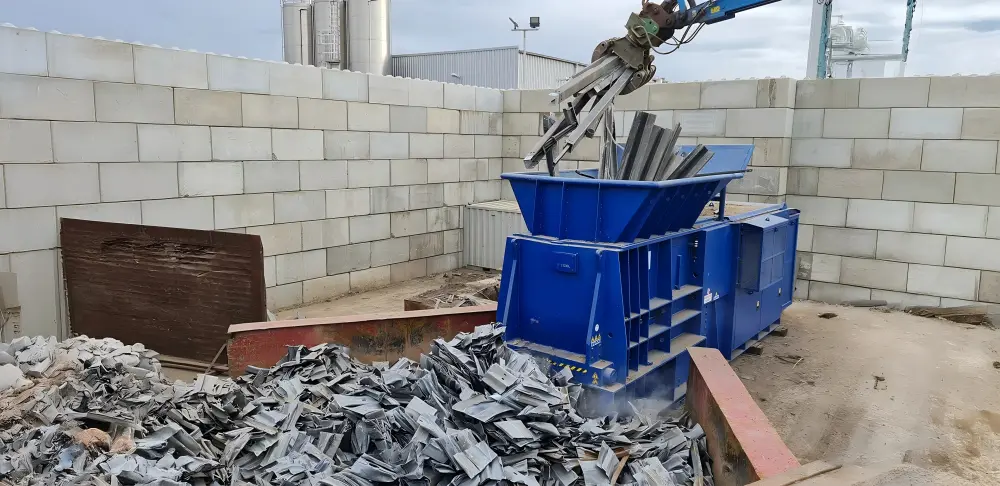
The first step to fixing container shear overheating is identifying the primary heat sources. In a typical hydraulic container shear, heat is generated primarily through the shearing action itself, the internal friction of the hydraulic fluid moving through valves, and the continuous operation of the electric motor and pump assembly. When these elements work in concert without adequate dissipation, the fluid temperature rises, leading to a loss of viscosity that reduces the force the machine can exert.
Environmental factors play a significant role as well. Facilities located in regions with high ambient temperatures or those operating in enclosed, poorly ventilated spaces face a compounded challenge. The heat radiated by the machine cannot escape, creating a feedback loop that further elevates the operating temperature. Proper facility layout, including adequate clearance around the power unit and ventilation fans, is essential for passive cooling.
Another critical consideration is the duty cycle of the machine. While HARSLE equipment is engineered for heavy-duty use, every machine has a rated capacity. Pushing a shear beyond its design specifications—such as shearing material that is too thick or too hard for the blade gap—forces the hydraulic system to work at maximum pressure constantly. This “pressure spiking” is a leading cause of rapid heat accumulation that standard cooling systems may not be able to counteract.
Finally, the condition of the hydraulic fluid itself cannot be overlooked. As oil ages, it loses its ability to transfer heat efficiently and its lubricity decreases, causing more friction within the system. Regular oil analysis is not just a maintenance task; it is a diagnostic tool that tells you exactly how hard your system is working and whether the current thermal load is sustainable for long-term production.
Technical Details: Diagnosing and Solving Overheating
To effectively fix container shear overheating during continuous production, one must look at the hydraulic cooling circuit. Most industrial shears are equipped with air-blast or water-cooled heat exchangers. If your machine is overheating, the first step is to inspect the heat exchanger fins. Over time, these fins become clogged with dust, metal shavings, and debris, which acts as an insulator and prevents air from passing through. Cleaning these fins with compressed air or a specialized solvent is a simple yet highly effective maintenance step.
The hydraulic pump efficiency is another technical focal point. If a pump is worn, it experiences internal leakage, where high-pressure fluid bypasses the internal seals and returns to the tank. This process generates an immense amount of heat without contributing to the shearing force. Monitoring the case drain temperature of the pump can provide an early warning sign of internal wear. If the case drain is excessively hot, it is a clear indicator that the pump requires an overhaul or replacement.
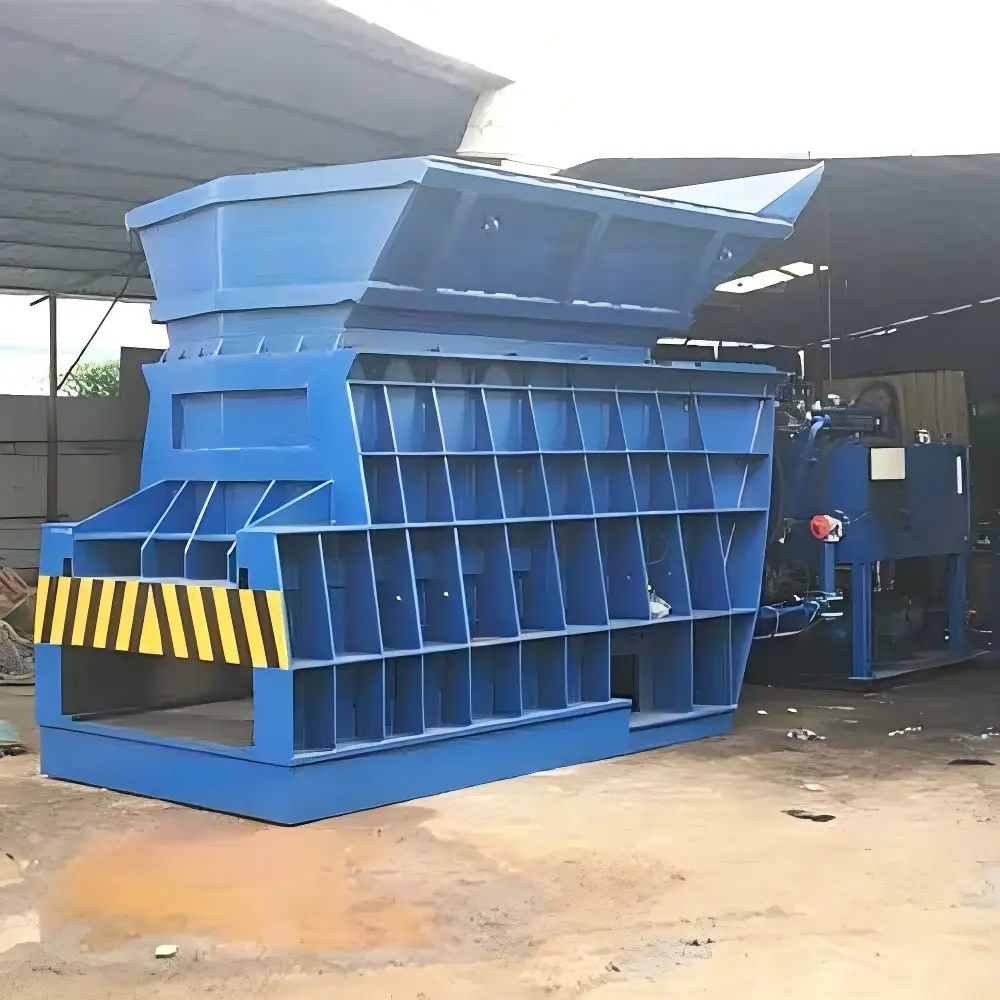
Valve block performance also impacts thermal output. Proportional valves and directional control valves can generate heat if they are not shifting correctly or if they are experiencing “sticking” due to varnish buildup in the oil. Ensuring that your hydraulic fluid is filtered to the correct ISO cleanliness code is vital. Contaminants in the oil can cause valves to hang, leading to pressure drops and localized heating that can eventually affect the entire system temperature.
Furthermore, consider the implementation of a secondary cooling loop. If your production requirements have increased since the machine was installed, the original cooling capacity may no longer be sufficient. Adding an auxiliary oil cooler with an independent pump can provide the extra thermal headroom needed for 24/7 operations. This is a common upgrade for facilities that have transitioned from single-shift to multi-shift production cycles.
Checklist for Hydraulic System Health
- Filter Inspection: Check return line filters for signs of metallic debris.
- Cooler Cleaning: Use compressed air to clear dust from heat exchanger fins weekly.
- Fluid Analysis: Test oil viscosity and additive levels every 500 operating hours.
- Pressure Monitoring: Use digital gauges to ensure the system is not operating above relief valve settings.
- Seal Integrity: Inspect hydraulic cylinders for external leaks that indicate internal pressure loss.
Selection Advice for High-Output Environments
When selecting a container shear for a high-volume facility, thermal management should be a primary selection criterion. Not all shears are built with the same cooling capacity. When reviewing specifications from HARSLE or other manufacturers, look for the size and type of the heat exchanger. A machine designed for intermittent use will have a smaller cooler than one designed for continuous, heavy-duty production.
Consider the hydraulic reservoir size. A larger reservoir provides more surface area for natural heat dissipation and allows the oil more time to settle and cool before being recirculated. While a larger tank requires more oil, the trade-off is a more stable thermal environment and a longer life for your hydraulic components. If you are retrofitting an existing machine, increasing the reservoir capacity is often a highly effective, albeit significant, modification.
The choice of hydraulic fluid is equally important. Synthetic hydraulic fluids often have a higher viscosity index, meaning they maintain their thickness and lubricating properties across a wider temperature range. While they are more expensive than mineral-based oils, the reduction in heat-related wear and the extended service intervals often result in a lower total cost of ownership for high-production shears.
Finally, look for machines that feature smart monitoring systems. Modern HARSLE shears can be equipped with sensors that track oil temperature in real-time and provide alerts to the operator before the system reaches a critical threshold. This allows for proactive adjustments, such as slowing down the feed rate or pausing for a short cooling cycle, rather than waiting for a machine shutdown to occur.
Frequently Asked Questions (FAQ)
Why does my container shear overheat only during the afternoon?
This is often due to a combination of high ambient temperatures and the cumulative heat buildup from hours of operation. Ensure your facility has adequate ventilation and that your heat exchanger is clean to handle the increased thermal load during the hottest parts of the day.
How often should I change the hydraulic oil to prevent overheating?
While manufacturers provide a baseline interval, it is best to use oil analysis. If the oil shows signs of oxidation or viscosity loss, it should be changed immediately. In continuous production, this may be more frequent than the standard manual suggests.
Can a clogged air filter cause my hydraulic system to overheat?
Yes. If your hydraulic power unit uses an air-breather filter, a clog can create a vacuum in the tank, causing the pump to cavitate. Cavitation creates extreme localized heat and can destroy a pump in a matter of hours.
Is it normal for the hydraulic tank to feel hot to the touch?
Hydraulic systems typically operate between 40°C and 60°C. If the tank is too hot to touch comfortably, you are likely exceeding 70°C, which is the danger zone for most hydraulic seals and oil additives.
Conclusion: Maintaining Peak Performance
Learning how to fix container shear overheating during continuous production is an essential skill for any maintenance manager or facility owner. By focusing on the three pillars of thermal management—preventative maintenance, system optimization, and informed equipment selection—you can ensure that your HARSLE container shear remains a reliable workhorse for years to come.
Remember that heat is the silent killer of industrial machinery. Every degree you shave off your operating temperature translates directly into longer seal life, fewer valve failures, and more consistent shearing performance. Do not wait for a breakdown to address thermal issues; implement a regular inspection schedule, keep your cooling systems pristine, and monitor your hydraulic health with the same rigor you apply to your production quotas.
For those operating at the edge of their machine’s capacity, investing in auxiliary cooling or upgrading to high-performance synthetic fluids can provide the necessary buffer to maintain continuous production without the risk of overheating. HARSLE remains committed to providing the support and technical expertise necessary to keep your metal fabrication operations running smoothly, efficiently, and profitably.