How to Troubleshoot Container Shear Hydraulic Pressure Loss Step by Step: A Comprehensive Guide

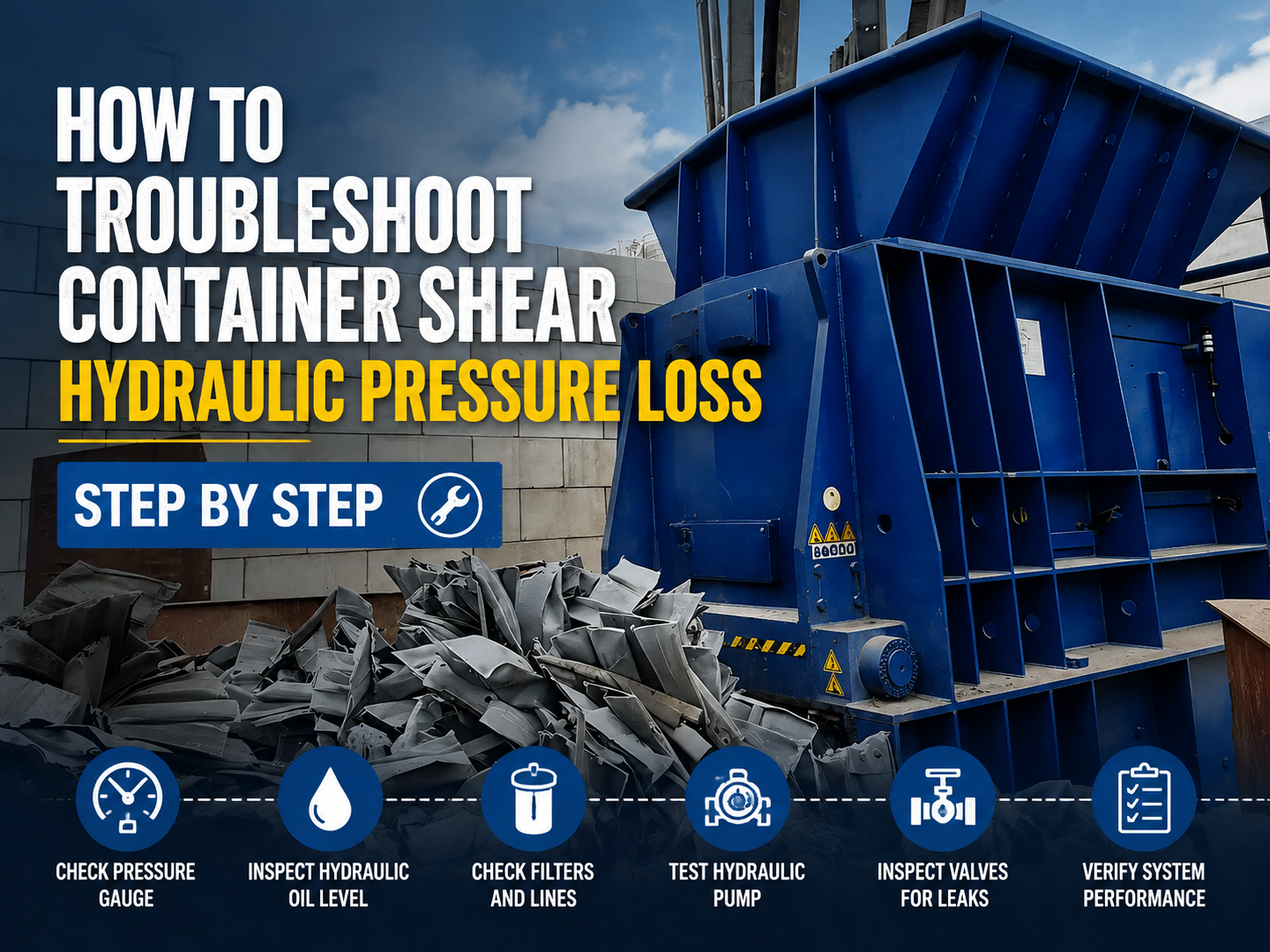
Introduction to Container Shear Hydraulic Systems
In the demanding world of metal recycling and heavy-duty fabrication, the container shear stands as a cornerstone of operational efficiency. These machines are engineered to process massive volumes of scrap metal, relying heavily on robust hydraulic systems to exert the immense force required for shearing. However, even the most reliable HARSLE equipment can encounter performance degradation over time. When operators notice a decline in cutting speed or an inability to process thicker materials, the culprit is often hydraulic pressure loss.
Understanding how to troubleshoot container shear hydraulic pressure loss step by step is essential for any maintenance manager or machine operator. Hydraulic systems are complex, involving a delicate balance of fluid dynamics, mechanical seals, and electronic controls. A loss of pressure not only hampers productivity but can also lead to premature wear on internal components, potentially causing catastrophic failure if left unaddressed. This guide provides a systematic approach to diagnosing these issues, ensuring your facility remains operational and safe.
The hydraulic system in a container shear functions by converting mechanical energy into fluid power. When this pressure drops, the shear force diminishes, leading to incomplete cuts or machine stalls. By following a structured diagnostic path, you can isolate whether the issue stems from a pump failure, a leaking valve, or contaminated fluid. This article aims to demystify the troubleshooting process, empowering your team to perform effective maintenance and minimize costly downtime.
At HARSLE, we emphasize that proactive maintenance is the best defense against hydraulic failure. By monitoring pressure gauges and listening for changes in pump acoustics, operators can often catch problems before they escalate. This guide will walk you through the technical nuances of hydraulic circuits, providing the knowledge needed to maintain peak performance in your metal fabrication equipment.
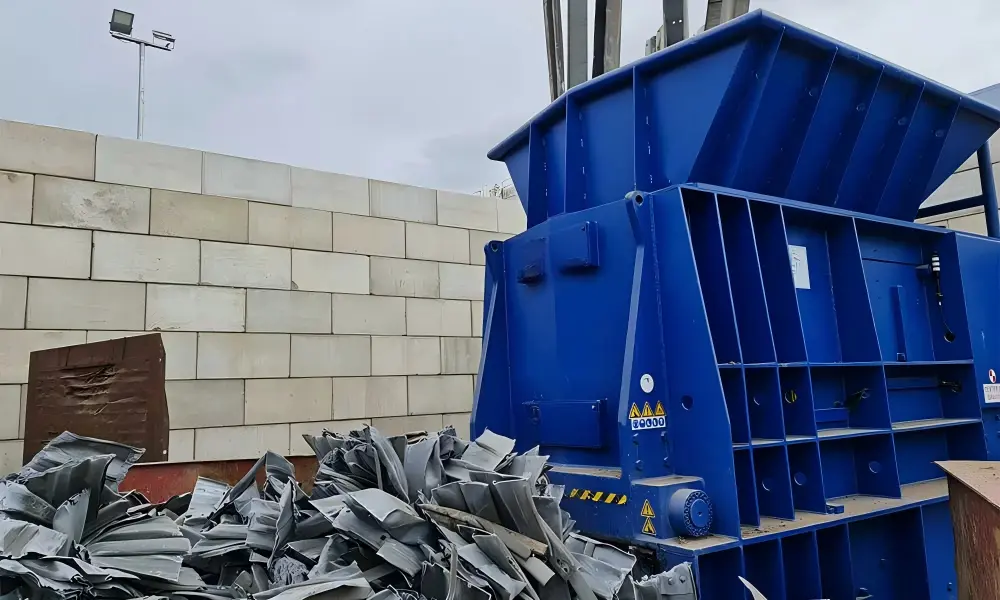
Key Considerations Before Starting Diagnostics
Before diving into the hydraulic lines, safety must be the absolute priority. Hydraulic systems operate under extreme pressures—often exceeding 3,000 PSI—which can cause severe injury if a high-pressure leak occurs. Always ensure the machine is locked out and tagged out (LOTO) before attempting to open any hydraulic circuits. Furthermore, ensure that the system has been depressurized according to the manufacturer’s specifications to prevent accidental fluid discharge.
Another critical consideration is the cleanliness of the work environment. Hydraulic systems are incredibly sensitive to contaminants. Even a microscopic particle of dust or metal shaving can score a valve spool or damage a pump piston. Before disconnecting any hoses or fittings, thoroughly clean the area around the connection point. Use lint-free rags and, if possible, compressed air to clear away debris, ensuring that no foreign matter enters the system during the inspection process.
Documentation is your best friend during the troubleshooting process. Keep the original HARSLE machine manual and the hydraulic schematic readily available. These documents provide the baseline pressure settings, flow rates, and component locations specific to your model. Comparing current readings against these factory specifications is the fastest way to identify deviations. If you have a log of previous maintenance, review it to see if similar issues have occurred in the past, as this can provide clues about recurring wear points.
Finally, gather the necessary diagnostic tools. You will need a calibrated pressure gauge, a multimeter for checking solenoid valves, and a clean container for fluid sampling. Having these tools ready before you begin will streamline the process and prevent unnecessary trips to the tool crib. Remember that troubleshooting is a process of elimination; by systematically ruling out components, you will eventually pinpoint the exact source of the pressure loss.
Troubleshoot Container Shear Hydraulic Pressure Loss Step by Step: The Diagnostic Process
The first step in our troubleshooting guide is to check the hydraulic fluid level and condition. A low reservoir level can cause the pump to cavitate, leading to erratic pressure readings and potential pump damage. Check the sight glass or dipstick to ensure the oil is at the correct level. If the fluid is milky or cloudy, it indicates water contamination, which can degrade the performance of the entire system. If the fluid is dark or smells burnt, it may have been subjected to excessive heat, requiring an immediate change.
Next, inspect the hydraulic pump. The pump is the heart of the system, and its failure is a common cause of pressure loss. Listen for unusual noises, such as whining or grinding, which often indicate internal wear or cavitation. Use your pressure gauge to check the pump’s output pressure at the main relief valve. If the pressure is significantly lower than the rated specification, the pump may be worn out or the relief valve may be stuck in an open position, bypassing fluid back to the tank.
Third, examine the relief valves and pressure control valves. These components are designed to maintain a constant pressure, but they can become fouled by debris or suffer from spring fatigue. If a relief valve is stuck open, the hydraulic fluid will circulate back to the reservoir without building the necessary pressure for the shear. Carefully disassemble and inspect these valves for signs of scoring or debris. Often, a simple cleaning and O-ring replacement can restore full functionality to the system.
Fourth, check for external and internal leaks. External leaks are easy to spot—look for wet spots around hoses, fittings, and cylinder seals. Internal leaks, however, are more insidious. An internal leak occurs when fluid bypasses a seal inside a cylinder or a directional control valve. To test for a cylinder bypass, retract the shear fully and disconnect the return line. If fluid continues to flow out of the port while the pump is running, the internal piston seal is likely blown, allowing high-pressure fluid to leak into the low-pressure side.
Fifth, evaluate the hydraulic filters and strainers. A clogged filter restricts flow, which can lead to a pressure drop downstream. Check the filter condition indicator; if it shows a high-pressure differential, replace the filter element immediately. It is also wise to inspect the suction strainer inside the reservoir, as a blocked strainer will starve the pump of fluid, leading to immediate pressure loss and potential pump failure.
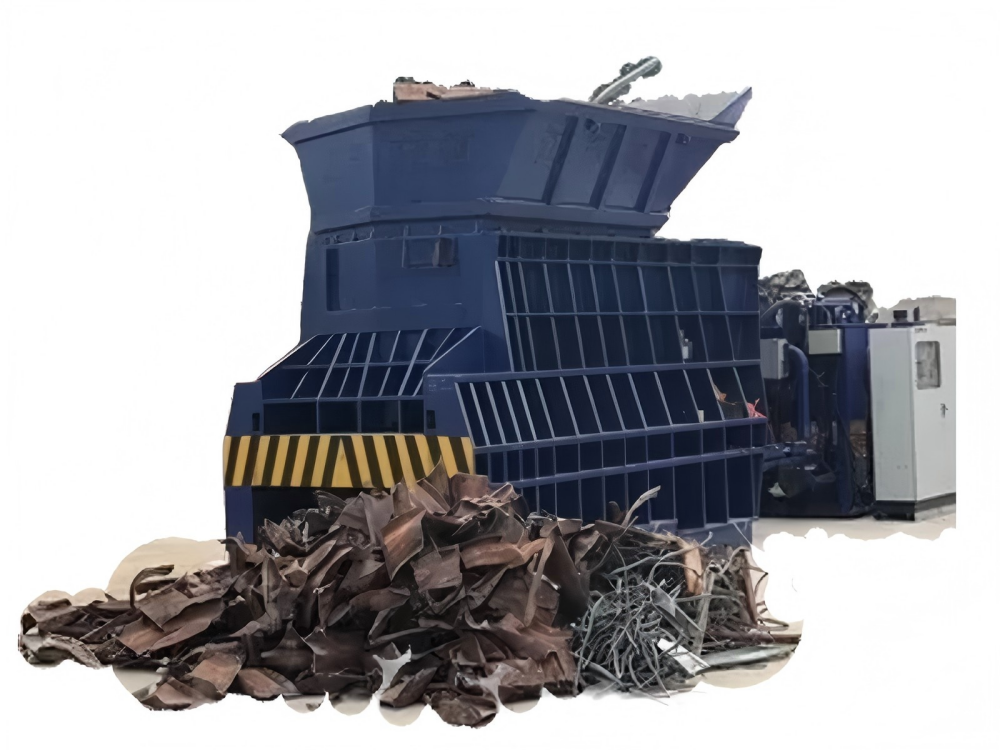
Technical Details: Understanding Hydraulic Circuits
To effectively troubleshoot, one must understand the hydraulic circuit design. Most container shears utilize a closed-loop or open-loop system with a variable displacement pump. In an open-loop system, the pump draws fluid from the reservoir and directs it to the actuators. The pressure is regulated by the main relief valve, which acts as a safety device to prevent over-pressurization. Understanding the path of the fluid—from the pump to the manifold, through the directional valves, and into the cylinders—is crucial for isolating the fault.
The directional control valves are responsible for routing fluid to the correct side of the shear cylinder. These valves are often solenoid-operated. If a solenoid fails, the valve may not shift completely, leading to a partial blockage or a pressure drop. Use a multimeter to check for voltage at the solenoid coils. If the electrical signal is present but the valve does not shift, the issue is mechanical, likely due to a stuck spool or a broken return spring.
Hydraulic hoses and fittings also play a significant role in pressure maintenance. Over time, hoses can degrade, leading to internal delamination. If an internal layer of the hose breaks loose, it can act as a check valve, restricting flow and causing pressure fluctuations. Always inspect hoses for signs of bulging or cracking. When replacing hoses, ensure that the pressure rating of the new hose meets or exceeds the original specifications to prevent future failures.
Temperature management is another technical factor that cannot be ignored. Hydraulic fluid viscosity changes with temperature. If the oil becomes too hot, it thins out, leading to increased internal leakage across pump and valve clearances. Ensure that the hydraulic oil cooler is functioning correctly and that the cooling fan is operational. If the system is running consistently hot, it may indicate that the pump is working harder than necessary, perhaps due to a restriction elsewhere in the system.
Selection Advice for Replacement Components
When you have identified a failed component, choosing the right replacement is vital for the longevity of your container shear. Never opt for “will-fit” parts that do not meet the original equipment manufacturer (OEM) specifications. HARSLE machines are designed with specific tolerances, and using inferior components can lead to a cascade of failures. Always source genuine replacement parts to ensure compatibility and performance.
Consider the material specifications of seals and O-rings. Different hydraulic fluids require different seal materials, such as Viton or Buna-N. Using the wrong material can lead to rapid degradation and leaks. Check the manufacturer’s documentation for the recommended seal material and ensure that any replacement parts are compatible with the hydraulic fluid currently in use in your machine.
When replacing a hydraulic pump, consider the flow rate and pressure rating. While it might be tempting to upgrade to a higher-capacity pump, doing so can overwhelm the existing relief valves and piping, leading to new points of failure. Stick to the OEM-specified pump capacity unless you are performing a certified system upgrade. Additionally, ensure that the pump rotation direction matches the motor, as installing a pump that rotates in the wrong direction will result in zero pressure and potential pump damage.
Finally, consider the long-term maintenance implications of your replacement choices. If you find that a particular valve or hose is failing frequently, investigate whether a higher-grade component or a different routing configuration could improve reliability. Sometimes, adding an extra filtration stage or upgrading to a more robust fitting can significantly extend the time between maintenance intervals, ultimately saving money and reducing downtime.
Frequently Asked Questions (FAQ)
1. How often should I check the hydraulic fluid in my container shear?
You should check the hydraulic fluid level daily before starting the machine. A full fluid analysis should be performed every 500 to 1,000 operating hours to check for contamination and viscosity breakdown.
2. What are the signs of a failing hydraulic pump?
Common signs include a loud whining or grinding noise, a slow response time from the shear, a significant drop in pressure under load, and increased heat generation in the hydraulic tank.
3. Can I use any hydraulic oil in my HARSLE machine?
No, you must use the hydraulic oil grade specified in your HARSLE manual. Using the wrong viscosity can lead to poor lubrication, increased wear, and improper operation of the valves.
4. Why does my pressure gauge fluctuate during a cut?
Fluctuations can be caused by air trapped in the hydraulic lines, a failing pump, or a relief valve that is hunting (opening and closing rapidly). Bleed the system of air first, then check the pump and valve settings.
5. How do I know if a cylinder seal is leaking internally?
Perform a drift test. With the shear under load, shut off the machine and observe if the cylinder retracts or extends on its own. If it moves, the internal piston seal is likely leaking.
Conclusion
Troubleshooting hydraulic pressure loss in a container shear is a methodical process that requires patience, attention to detail, and a solid understanding of hydraulic principles. By following the steps outlined in this guide—from initial safety checks and fluid inspection to component-level diagnostics—you can effectively identify and resolve the root causes of pressure loss. Remember that the goal is not just to fix the immediate problem, but to understand why it occurred and how to prevent it from happening again.
Regular maintenance is the most effective strategy for ensuring the longevity of your HARSLE equipment. By keeping the hydraulic system clean, monitoring pressure levels, and replacing worn components before they fail, you can maintain the high performance and reliability that your operations demand. If you ever encounter a situation that exceeds your team’s diagnostic capabilities, do not hesitate to contact HARSLE support for expert assistance. Investing in proper maintenance today will pay dividends in productivity and machine lifespan for years to come.
As you continue to operate your container shear, keep these troubleshooting steps in your maintenance manual. A well-maintained machine is a safe and profitable machine. By staying proactive and informed, you ensure that your metal fabrication equipment remains a powerful asset in your facility, capable of handling the toughest materials with ease and precision.