Container Shear Not Cutting Cleanly? Common Causes and Fixes for Better Blade Performance

Introduction: Understanding the Importance of Precision in Container Shearing
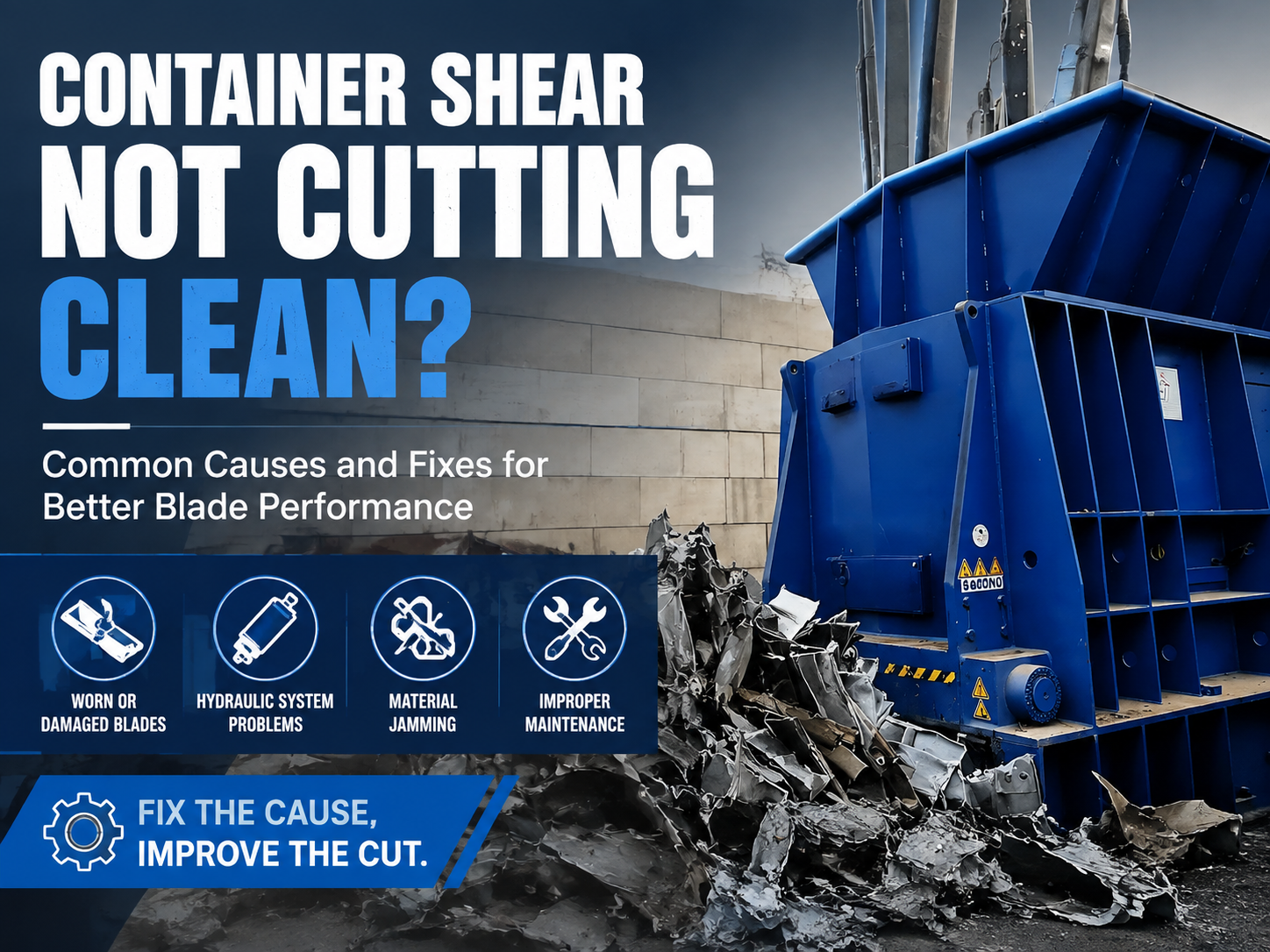
In the high-stakes world of metal recycling and heavy-duty fabrication, the container shear stands as a cornerstone of operational efficiency. When your equipment is functioning at its peak, it processes scrap metal with surgical precision, ensuring high throughput and minimal downtime. However, operators often face the frustrating scenario where the container shear is not cutting cleanly. This issue not only compromises the quality of the processed material but also places undue stress on the machine’s hydraulic systems and structural components.
The problem of a container shear not cutting cleanly—often manifesting as jagged edges, incomplete cuts, or material jamming—is rarely the result of a single catastrophic failure. Instead, it is usually a cumulative effect of wear, improper calibration, or environmental factors. Addressing these issues promptly is essential for maintaining a safe and profitable work environment. In this guide, we will explore the technical nuances of container shear performance and provide actionable solutions to restore your machine to its original factory specifications.
At HARSLE, we understand that downtime is the enemy of productivity. Whether you are processing heavy structural steel or light-gauge scrap, the integrity of your shear blades is paramount. By understanding the mechanical relationship between blade clearance, hydraulic pressure, and material feed, you can transform your maintenance routine from reactive to proactive. This article serves as a comprehensive resource for identifying the root causes of poor cut quality and implementing the necessary fixes to ensure better blade performance over the long term.
Key Considerations: Why Your Container Shear Is Not Cutting Cleanly
When a container shear fails to produce a clean cut, the first instinct is often to blame the blades. While dull blades are a common culprit, they are frequently a symptom of a deeper issue rather than the root cause. One of the most critical factors is the blade clearance. If the gap between the upper and lower blades is too wide, the material will bend or fold rather than shear, leading to ragged edges and increased force requirements. Conversely, if the clearance is too tight, the blades may rub against each other, causing rapid heat buildup and catastrophic chipping.
Another significant factor is the hydraulic system’s pressure regulation. A container shear relies on immense force to overcome the tensile strength of the metal being processed. If the hydraulic pump is failing to deliver consistent pressure, or if the relief valves are improperly set, the shear may lose momentum mid-cut. This hesitation prevents a clean, continuous shearing action, often leaving the material partially cut or mangled. Regular monitoring of hydraulic fluid levels, filter cleanliness, and pressure gauge readings is essential to prevent these performance dips.
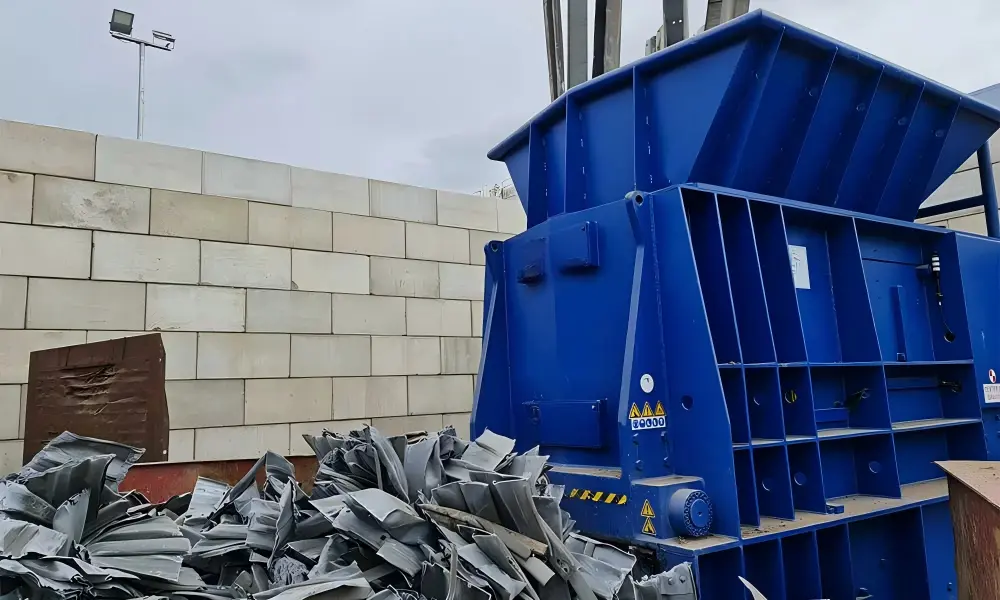
Material handling and feeding techniques also play a vital role in cut quality. If the scrap is not properly positioned within the shear box, or if the material is too dense for the specific shear capacity, the machine will struggle. Overloading the shear box can cause the material to shift during the cutting cycle, resulting in an uneven shear line. Operators must be trained to recognize the limitations of their equipment and ensure that the material is fed in a way that allows the blades to engage the metal squarely and effectively.
Finally, environmental factors and lack of lubrication cannot be ignored. Metal dust, debris, and extreme temperature fluctuations can affect the sliding surfaces of the shear head. If the guide rails or gibs are not properly lubricated, the shear head may experience lateral movement or “chatter.” This vibration prevents the blades from maintaining the necessary alignment throughout the stroke, leading to poor cut quality and accelerated wear on the blade edges. Maintaining a clean, well-lubricated machine is the foundation of consistent performance.
Technical Details: Troubleshooting and Blade Maintenance
To fix a container shear not cutting cleanly, you must adopt a systematic approach to troubleshooting. Start by performing a visual inspection of the blades. Look for signs of chipping, rounding of the cutting edge, or uneven wear patterns. If the blades show significant damage, they must be removed and either reground or replaced. When reinstalling blades, ensure that the mounting surfaces are perfectly clean and free of debris, as even a small particle of metal can cause the blade to sit at an angle, ruining the clearance settings.
Adjusting blade clearance is a precision task that requires the use of feeler gauges. Consult your HARSLE operation manual for the specific clearance requirements for your machine model, as these can vary based on the type of material being processed. Generally, a tighter clearance is required for thinner materials, while slightly more clearance is needed for thicker, high-tensile steel. Once the clearance is set, perform a test cut on a piece of scrap to verify that the blades are shearing cleanly without making contact with each other.
The hydraulic system requires a deep dive into the valve manifold and cylinder seals. If the shear is “stuttering” during the cut, check for air in the hydraulic lines, which can cause spongy operation. Bleeding the hydraulic system is a standard maintenance procedure that can significantly improve the responsiveness of the shear. Additionally, inspect the hydraulic cylinders for signs of internal bypassing. If the seals are worn, the oil will leak past the piston, preventing the cylinder from exerting its full rated force, which directly impacts the quality of the cut.
Structural integrity of the shear box and the guide system should be checked periodically. Over time, the wear plates inside the shear box can become grooved or damaged. If these plates are not smooth, the material will not feed correctly, causing it to bunch up against the blades. Replace or resurface wear plates as needed to ensure a smooth flow of material. Furthermore, check the gibs and guide rails for excessive play. If the shear head can wiggle, the blades will never maintain the precise alignment required for a clean cut. Tighten the gibs according to the manufacturer’s specifications to eliminate any lateral movement.
Selection Advice: Choosing the Right Equipment for Your Needs
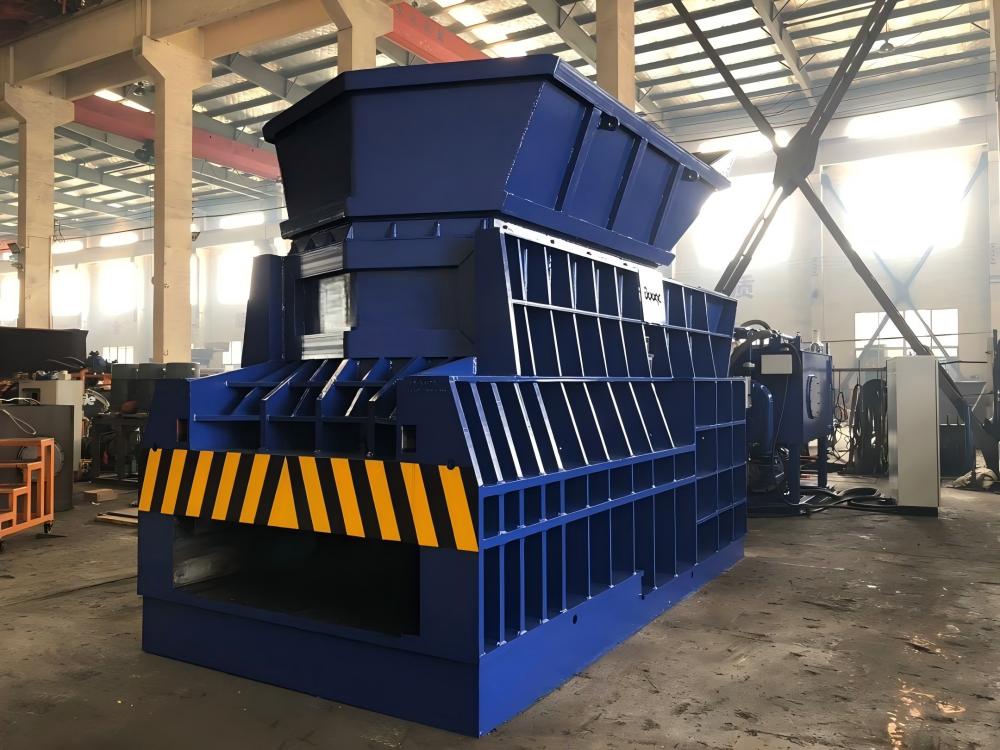
When the time comes to upgrade or replace your container shear, selecting the right machine is the most effective way to avoid cutting issues in the future. The primary consideration should be the shear’s cutting force, measured in tons. It is tempting to choose a machine that just meets your current requirements, but it is always better to have a buffer. A machine operating at 70% of its capacity will last significantly longer and provide cleaner cuts than a machine constantly pushed to its 100% limit.
Consider the material types you process most frequently. If your operation focuses on heavy structural beams, you need a shear with a robust blade geometry designed for high-tensile steel. If you process a wide variety of mixed scrap, look for a shear with adjustable blade clearance features that allow for quick changes between different material thicknesses. Versatility is a key asset in the recycling industry, and investing in a machine that adapts to your workflow will pay dividends in the long run.
Automation and control systems are also important. Modern container shears from HARSLE feature advanced PLC controllers that monitor cutting cycles and provide real-time feedback on system health. These systems can alert operators to potential issues, such as high hydraulic temperatures or pressure drops, before they result in a poor cut. Choosing a machine with integrated diagnostics simplifies maintenance and ensures that you are always aware of your equipment’s status.
Finally, consider the manufacturer’s support and availability of spare parts. A container shear is a long-term investment, and you need a partner who can provide technical support, replacement blades, and hydraulic components quickly. HARSLE prides itself on providing comprehensive after-sales support, ensuring that our clients have the resources they need to keep their operations running smoothly. When evaluating potential suppliers, look for those who offer detailed documentation, training for your operators, and a proven track record in the metal fabrication industry.
FAQ: Frequently Asked Questions About Container Shears
- Q: How often should I sharpen my container shear blades?
A: The frequency depends on the volume and type of material processed. As a general rule, inspect the blades weekly. If you notice a decrease in cut quality or an increase in the force required to complete a cut, it is time to sharpen or replace them. - Q: Can I use the same blade clearance for all types of metal?
A: No. Different metals have different shear strengths and ductility. Thinner, softer metals generally require tighter clearance, while thicker or harder metals may require slightly more clearance to prevent blade binding. - Q: Why does my shear make a loud banging noise during the cut?
A: A loud bang often indicates that the material is being “snapped” rather than sheared, which usually happens when the blade clearance is too wide or the blades are dull. It can also indicate loose gibs or excessive play in the shear head. - Q: What is the most common cause of hydraulic failure in shears?
A: Contaminated hydraulic fluid is the leading cause of failure. Dirt and metal particles can damage pumps, valves, and seals. Regular oil analysis and filter changes are essential. - Q: How do I know if my shear box is overloaded?
A: If the material is not feeding smoothly or if the shear head struggles to complete the stroke, you are likely overloading the box. Always ensure the material is distributed evenly and does not exceed the machine’s rated capacity.
Conclusion: Achieving Excellence in Metal Fabrication
Maintaining a container shear that cuts cleanly is a combination of rigorous maintenance, proper operator training, and a deep understanding of the mechanical principles at play. When you notice your container shear is not cutting cleanly, do not ignore the signs. By addressing the common causes—such as incorrect blade clearance, hydraulic pressure issues, and lack of lubrication—you can prevent costly repairs and extend the lifespan of your equipment. Remember that the quality of your output is a direct reflection of the health of your machinery.
At HARSLE, we are committed to helping our clients achieve the highest standards of metal fabrication. Our range of container shears is designed for durability, precision, and ease of maintenance. By following the guidelines outlined in this article, you can ensure that your equipment remains a reliable asset in your production line. Whether you are troubleshooting a current issue or planning for a future upgrade, prioritizing the integrity of your shear blades and hydraulic systems will always lead to better performance and higher profitability.
Investing in the right equipment and maintaining it with care is the hallmark of a successful fabrication business. We encourage you to review your current maintenance schedules, train your staff on the nuances of shear operation, and reach out to our technical team if you encounter persistent issues. With the right approach, your container shear will continue to deliver clean, efficient cuts for years to come, keeping your operation at the forefront of the industry.