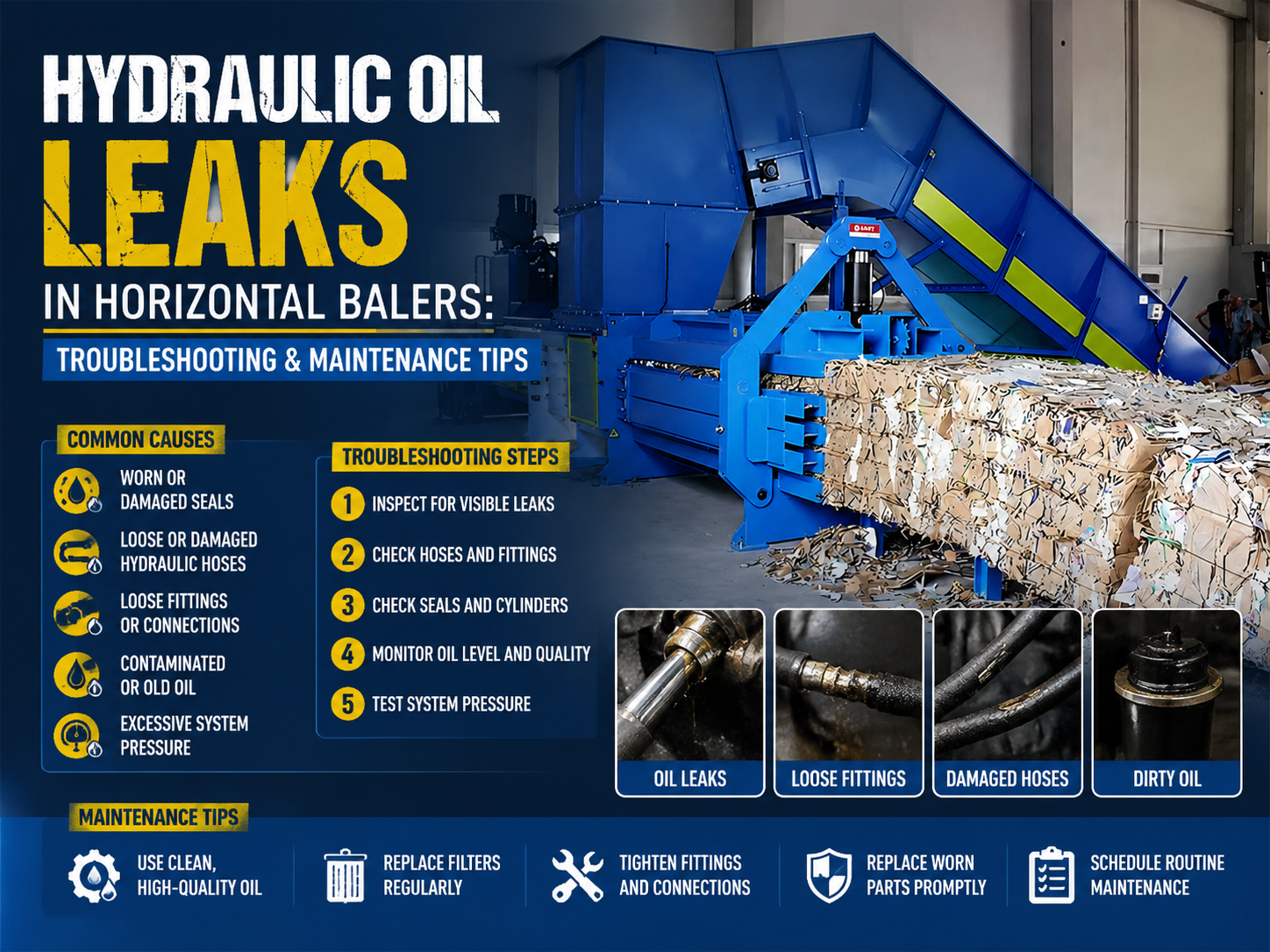
Hydraulic Oil Leaks In Horizontal Balers: Troubleshooting Maintenance Tips

Introduction to Hydraulic Integrity in Horizontal Balers
In the demanding environment of metal fabrication and waste management, the horizontal baler stands as a cornerstone of operational efficiency. These machines rely heavily on complex hydraulic systems to exert the immense force required to compress scrap metal, cardboard, or plastic into manageable bales. However, the high-pressure nature of these systems makes them susceptible to wear and tear, with hydraulic oil leaks being one of the most common and disruptive issues faced by facility managers.
Understanding the root causes of Hydraulic Oil Leaks In Horizontal Balers: Troubleshooting Maintenance Tips is essential for any operator looking to extend the lifespan of their equipment. A small, seemingly insignificant drip can quickly escalate into a catastrophic system failure, leading to costly downtime, environmental hazards, and potential safety risks for personnel. At HARSLE, we emphasize that proactive maintenance is not merely a suggestion; it is a critical component of industrial asset management.
This comprehensive guide explores the technical nuances of hydraulic systems, providing actionable insights into identifying leak sources, implementing effective repair strategies, and establishing a robust preventative maintenance schedule. By mastering these troubleshooting techniques, operators can ensure their horizontal balers remain productive, safe, and cost-effective throughout their operational lifecycle.
Key Considerations for Hydraulic System Health
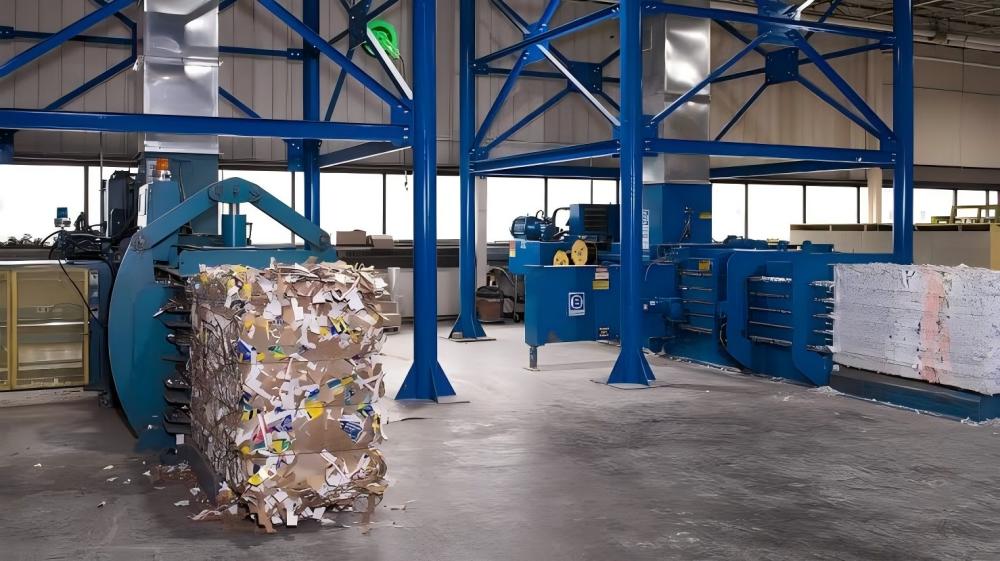
The hydraulic system of a horizontal baler is a closed-loop circuit designed to transmit power through pressurized fluid. When this integrity is compromised, the system loses efficiency, and the risk of component damage increases exponentially. The first key consideration is the quality and viscosity of the hydraulic oil used. Using the wrong grade of oil can lead to excessive heat generation, which degrades seals and hoses, eventually leading to leaks.
Environmental factors also play a significant role in the longevity of hydraulic components. Horizontal balers often operate in harsh conditions, exposed to dust, debris, and fluctuating temperatures. These elements can accelerate the degradation of external seals and fittings. It is vital to maintain a clean operating environment around the power unit and the main cylinder to prevent contaminants from entering the hydraulic fluid, which can act as an abrasive on internal seals.
Pressure management is another critical aspect. Operators must ensure that the system relief valves are calibrated correctly according to the manufacturer’s specifications. If the system is consistently running at pressures higher than intended, the stress on hoses, gaskets, and seals will inevitably lead to premature failure. Regular monitoring of pressure gauges during the compression cycle can provide early warning signs of potential leaks or system strain.
Finally, the human element cannot be overlooked. Proper training for operators regarding the daily inspection of the machine is the first line of defense. A well-trained operator can often spot a weeping fitting or a damp hose long before it becomes a major leak. Establishing a culture of accountability where maintenance checks are documented and prioritized is essential for long-term reliability.
Technical Details: Troubleshooting and Identifying Leaks
Troubleshooting hydraulic oil leaks requires a systematic approach. The first step is to clean the machine thoroughly. It is nearly impossible to pinpoint the source of a leak if the machine is covered in layers of grime and old oil. Once the machine is clean, run the baler through a full cycle while observing the hydraulic lines, fittings, and cylinder glands for signs of fresh fluid.
Common leak points include threaded connections, hose crimps, and cylinder seals. Threaded connections often loosen due to the constant vibration of the baler during operation. If a fitting is leaking, it may simply need to be tightened, but be cautious not to overtighten, as this can crack the fitting or damage the threads. If tightening does not resolve the issue, the O-ring or seal within the fitting may be damaged and require replacement.
Hose failure is another frequent culprit. Over time, hydraulic hoses can become brittle due to heat exposure or physical abrasion. Inspect the entire length of each hose for signs of cracking, bulging, or external weeping. If a hose shows any signs of structural compromise, it should be replaced immediately. Never attempt to patch a high-pressure hydraulic hose; it is a safety hazard that will inevitably fail under load.
Cylinder leaks are perhaps the most complex to address. If oil is leaking from the rod end of the main cylinder, it indicates that the internal rod seals have failed. This requires a partial disassembly of the cylinder to replace the seal kit. While this is a more involved maintenance task, it is necessary to maintain the compression force of the baler. Always ensure the system is depressurized before attempting any work on the cylinders.
Selection Advice: Choosing Quality Components
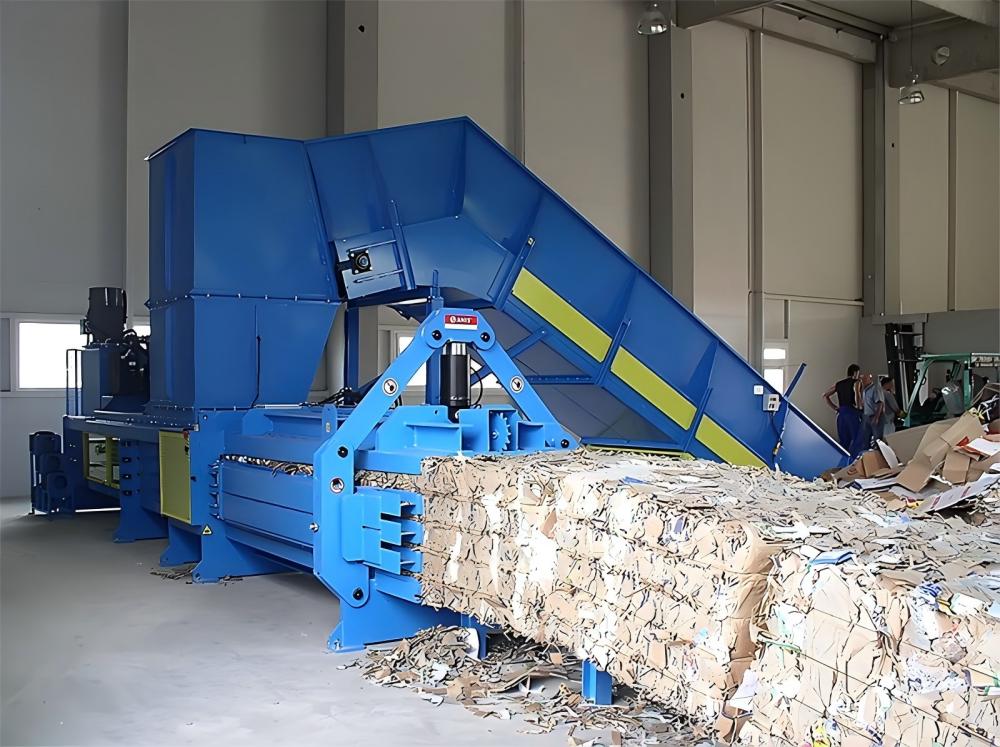
When it comes to replacing hydraulic components, quality should always take precedence over cost. Using substandard hoses, fittings, or seals will only lead to recurring leaks and increased maintenance costs in the long run. When selecting replacement parts for your HARSLE horizontal baler, always refer to the original equipment manufacturer (OEM) specifications to ensure compatibility and performance standards are met.
Consider the material composition of the seals. Different hydraulic fluids require different seal materials (such as Viton or Nitrile) to prevent chemical degradation. If you have recently switched to a different type of hydraulic oil, ensure that your existing seals are compatible with the new fluid. This is a common oversight that leads to rapid seal failure across the entire system.
When purchasing hoses, look for those with the correct pressure rating and temperature tolerance for your specific baler model. Industrial-grade hoses are designed to withstand the cyclic pressure spikes inherent in baling operations. Investing in high-quality, reinforced hoses will significantly reduce the frequency of maintenance interventions and improve the overall safety of your facility.
Finally, consider the source of your parts. Working with reputable suppliers who understand the specific needs of metal fabrication equipment ensures that you receive genuine, high-performance components. Avoid generic aftermarket parts that do not carry a warranty or certification, as these can compromise the entire hydraulic system and void your equipment’s warranty.
Preventative Maintenance Checklist
To keep your horizontal baler in peak condition, implement a structured maintenance schedule. Below is a recommended checklist for daily, weekly, and monthly tasks:
- Daily: Visually inspect the floor under the baler for oil spots. Check the hydraulic oil level in the reservoir. Listen for unusual noises from the hydraulic pump.
- Weekly: Inspect all exposed hydraulic hoses for signs of wear, rubbing, or weeping. Check all fittings for signs of loosening due to vibration.
- Monthly: Clean the hydraulic reservoir breather cap to ensure proper air circulation. Test the hydraulic oil for contamination or signs of water ingress.
- Quarterly: Perform a full system pressure test. Inspect cylinder mounting bolts for tightness. Check the condition of the hydraulic fluid and consider a sample analysis to monitor additive depletion.
- Annually: Replace hydraulic filters. Flush the system if necessary, especially if the oil has become dark or has a burnt odor. Inspect all internal seals during a scheduled downtime period.
Frequently Asked Questions (FAQ)
How often should I change the hydraulic oil in my horizontal baler?
Generally, hydraulic oil should be changed every 2,000 to 4,000 operating hours, or annually, depending on the intensity of use and the environment. Always consult your HARSLE manual for specific recommendations.
Why does my hydraulic system overheat?
Overheating is often caused by low oil levels, a clogged filter, or a relief valve that is stuck or improperly set. It can also be caused by excessive cycle times or operating the machine in an environment with poor ventilation.
Can I use any hydraulic oil for my baler?
No. You must use the viscosity grade and type specified by the manufacturer. Using the wrong oil can cause pump cavitation, seal failure, and reduced system efficiency.
What should I do if I find a pinhole leak in a hose?
Shut down the machine immediately. Never use your hands to check for leaks, as high-pressure hydraulic fluid can penetrate the skin and cause severe injury. Replace the hose entirely; never attempt to tape or patch a leak.
Conclusion
Maintaining the hydraulic integrity of your horizontal baler is a fundamental aspect of industrial safety and operational success. By understanding the common causes of Hydraulic Oil Leaks In Horizontal Balers: Troubleshooting Maintenance Tips, you empower your team to act decisively and prevent minor issues from becoming major failures. Regular inspections, the use of high-quality replacement parts, and a commitment to a structured maintenance schedule will ensure that your HARSLE equipment continues to deliver the high-performance results your business demands. Remember, a well-maintained machine is not just an asset—it is the backbone of your production line.