Horizontal Baler Door Lock Malfunction: What It Means and How to Fix It

Introduction
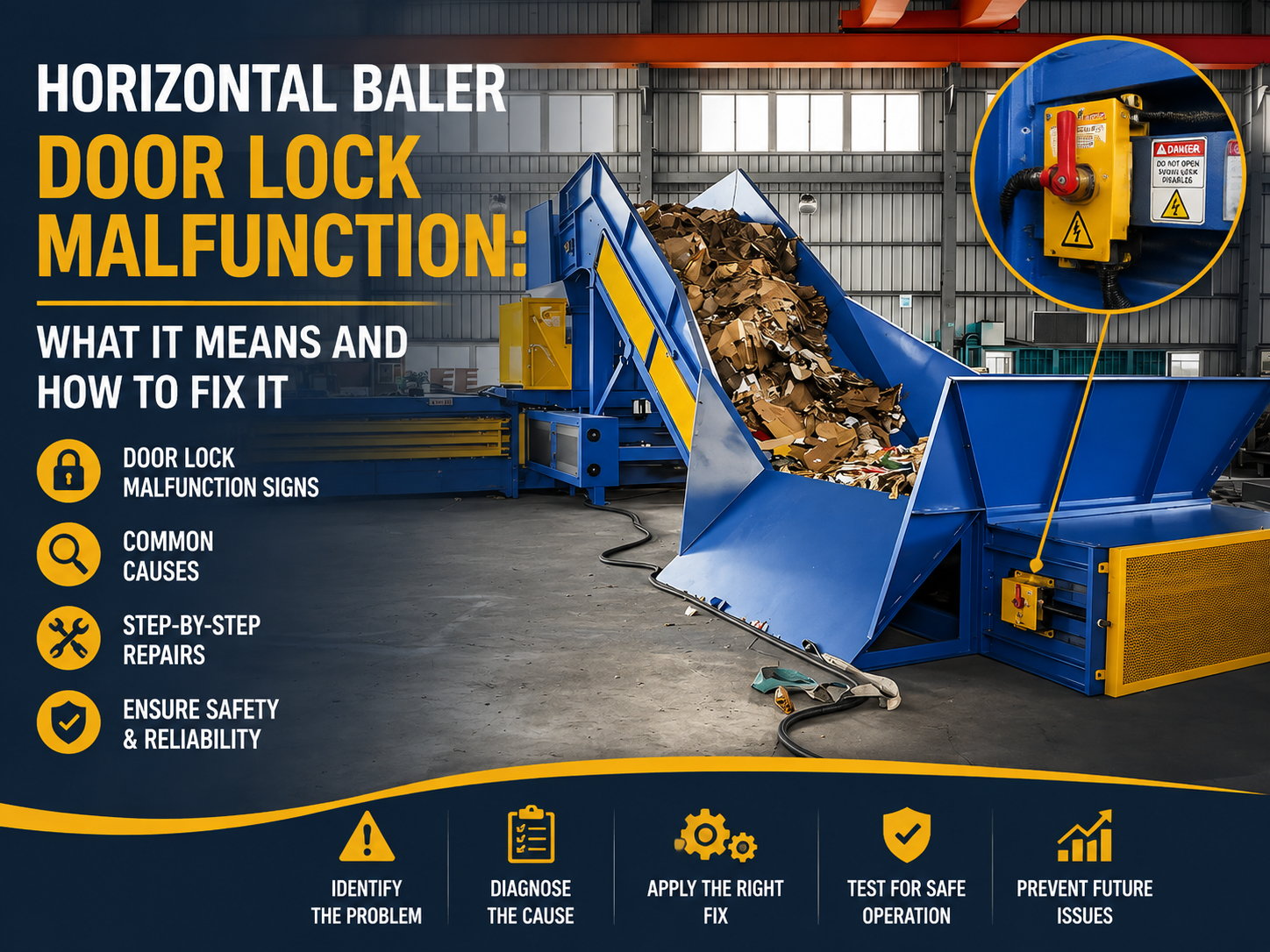
In the high-pressure environment of industrial waste management and metal fabrication, the horizontal baler stands as a cornerstone of operational efficiency. These robust machines are designed to compress massive volumes of material into manageable, transportable bales. However, even the most advanced HARSLE horizontal baler can encounter mechanical hurdles. One of the most critical issues operators face is a horizontal baler door lock malfunction: what it means and how to fix it. Understanding this specific failure is not just about productivity; it is a fundamental requirement for workplace safety.
When a door lock fails to engage or release, the entire baling process grinds to a halt. This is often a safety-interlock-driven shutdown, designed to prevent the machine from operating while the chamber is insecure. For facility managers and maintenance technicians, diagnosing this issue requires a systematic approach. By understanding the mechanical and electrical components involved, you can minimize downtime and ensure your equipment remains compliant with industrial safety standards.
This guide explores the intricacies of door lock malfunctions, providing a comprehensive look at why these issues occur and the steps required to resolve them. Whether you are dealing with a sensor misalignment, a hydraulic latch failure, or a faulty limit switch, this article serves as your primary resource for restoring your HARSLE baler to peak performance.
Key Considerations for Baler Safety and Operation
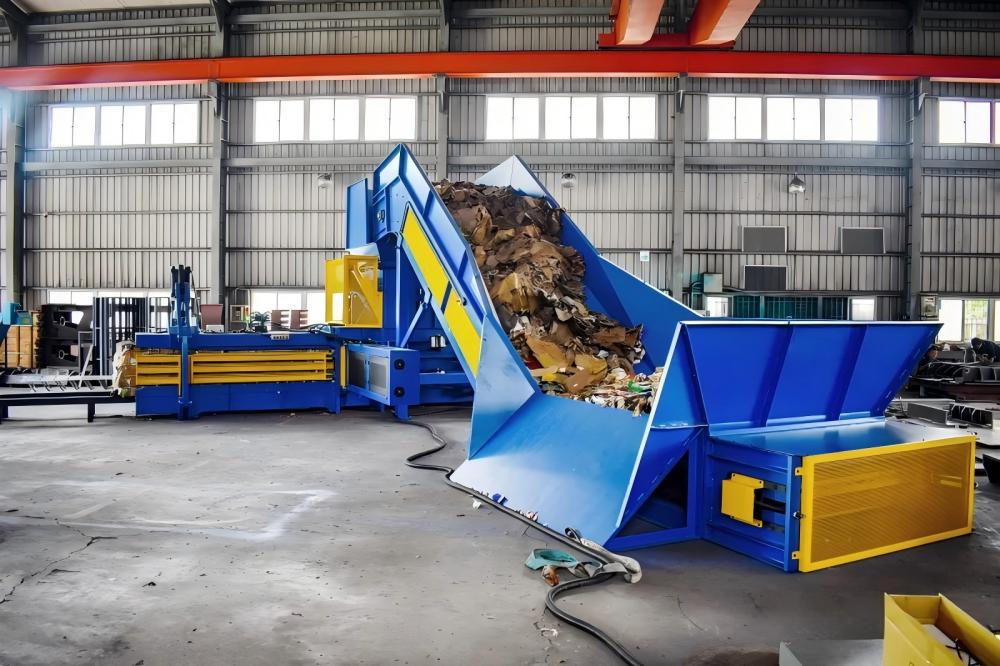
Before diving into the technical repairs, it is essential to emphasize that the door lock on a horizontal baler is a primary safety device. It is engineered to keep the main chamber sealed under immense hydraulic pressure. If the lock fails, the potential for catastrophic equipment damage or operator injury increases exponentially. Never attempt to bypass a door lock sensor or force a door open while the system is under pressure.
Operational environment plays a significant role in lock longevity. Dust, debris, and metal shavings common in fabrication shops can infiltrate the locking mechanism, causing friction and mechanical binding. Furthermore, the constant vibration of the baling cycle can loosen mounting bolts or shift the position of proximity sensors. Establishing a routine cleaning schedule is the first line of defense against lock-related malfunctions.
Another key consideration is the hydraulic system’s health. Many modern balers utilize hydraulic cylinders to actuate the door locks. If the hydraulic fluid is contaminated or the pressure is inconsistent, the lock may not fully engage, triggering a fault code on the control panel. Monitoring your hydraulic pressure gauges and fluid quality is a proactive way to prevent lock malfunctions before they manifest as downtime.
Finally, operator training is paramount. Many “malfunctions” are actually the result of improper loading or door closure sequences. Ensuring that your team understands the correct procedure for closing the door—ensuring no material is obstructing the latching path—can prevent 90% of common lock issues. Always consult your HARSLE operation manual for the specific sequence required for your model.
Technical Details: Diagnosing the Malfunction
When you encounter a horizontal baler door lock malfunction, the first step is to consult the PLC (Programmable Logic Controller) interface. Most HARSLE balers are equipped with diagnostic screens that provide specific fault codes. These codes are your roadmap to the problem. If the screen indicates a “Door Interlock Open” error while the door is physically closed, you are likely dealing with a sensor or alignment issue.
The proximity sensor is the most common culprit. These sensors detect the presence of the door frame to confirm it is locked. Over time, the door may sag slightly due to the weight of the material or wear on the hinges, causing the sensor to lose its signal. To fix this, check the gap between the sensor and the target plate. Adjust the sensor bracket until the signal is consistent, ensuring the door is fully seated before testing.
If the issue is mechanical, inspect the latching pins and the strike plate. Look for signs of deformation or heavy scoring. If the pins are not seating correctly, the door will not lock, and the machine will refuse to start. In some cases, the latching mechanism may require lubrication. Use a high-quality, industrial-grade lubricant that can withstand the high-pressure environment of the baler chamber, avoiding greases that attract excessive dust.
Electrical continuity is another area to investigate. If the sensor is functioning and the door is aligned, the problem might lie in the wiring harness. Inspect the cables leading to the door lock for signs of fraying, pinching, or heat damage. Use a multimeter to check for continuity from the sensor back to the control cabinet. A broken wire or a loose terminal connection can easily mimic a mechanical failure.
Selection Advice: Choosing the Right Baler for Your Needs
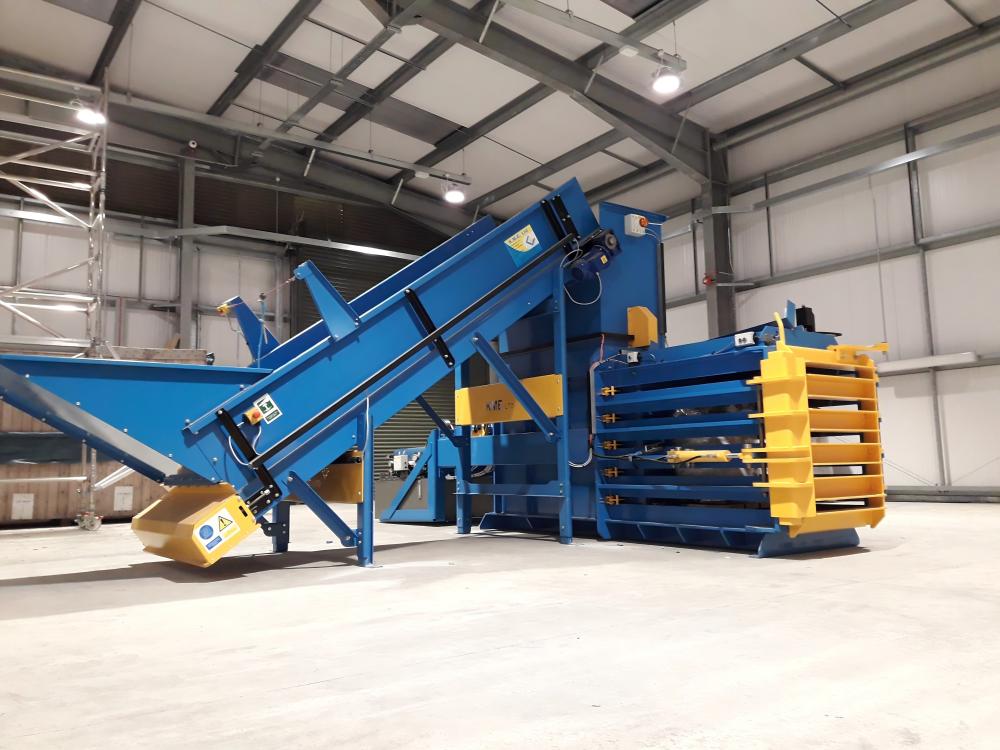
When selecting a horizontal baler, the quality of the door locking mechanism should be a primary factor in your decision-making process. HARSLE balers are designed with heavy-duty locking systems that prioritize both safety and durability. When evaluating different models, look for reinforced steel strike plates and industrial-grade hydraulic cylinders that are rated for the specific tonnage of your operation.
Consider the automation level of the baler. Fully automatic balers often have more complex locking systems that require integrated PLC monitoring. While these offer higher throughput, they also require a more sophisticated maintenance approach. If your facility lacks dedicated maintenance staff, a semi-automatic model with a simpler, more robust manual-assist locking mechanism might be a more reliable choice.
Think about the material you are processing. If you are baling high-density scrap metal, the stress on the door lock will be significantly higher than if you are baling cardboard or plastic. Ensure the baler you choose is rated for the material density you intend to process. An undersized baler will lead to premature wear on the door hinges and locking pins, resulting in frequent malfunctions.
Finally, evaluate the availability of spare parts. A baler is a long-term investment. Choosing a manufacturer like HARSLE, which provides comprehensive support and readily available replacement parts, ensures that if a door lock component does fail, you can source the correct part quickly. Avoid generic aftermarket parts that may not meet the original engineering specifications, as these can lead to recurring issues and void your warranty.
Maintenance Checklist for Baler Door Locks
- Daily: Inspect the door seal area for debris. Clear any material that could prevent the door from closing flush.
- Weekly: Check the door hinges for signs of wear or sagging. Lubricate pivot points with industrial-grade grease.
- Monthly: Test the door interlock sensors. Ensure the machine stops immediately when the door is opened during a cycle.
- Quarterly: Inspect hydraulic hoses connected to the door lock cylinders for leaks or signs of dry rot.
- Annually: Perform a full system calibration, including checking the PLC logic for the door lock sequence.
FAQ: Common Questions About Baler Door Locks
Why does my baler show a door lock error even when the door is closed?
This is usually caused by a misaligned proximity sensor or a door that has sagged over time. Check the gap between the sensor and the target plate and adjust as necessary.
Can I bypass the door lock sensor to finish a bale?
Absolutely not. Bypassing safety interlocks is dangerous and illegal in most industrial settings. It can lead to severe injury or death if the door opens under pressure.
How often should I lubricate the locking pins?
Depending on the volume of material processed, a light application of lubricant every two weeks is recommended to prevent binding.
What should I do if the hydraulic lock cylinder is leaking?
A leaking cylinder indicates a failed seal. You should replace the seal kit or the cylinder immediately to maintain the necessary locking pressure.
Conclusion
A horizontal baler door lock malfunction is a significant event that requires immediate attention, but it does not have to be a permanent setback. By understanding the mechanical and electrical components of your HARSLE baler, you can effectively troubleshoot and resolve these issues. Remember that the door lock is a critical safety feature; never compromise on its integrity. Regular maintenance, proper operator training, and the use of high-quality replacement parts are the keys to keeping your baler running smoothly. When in doubt, always refer to your HARSLE technical manual or contact a certified service technician to ensure your equipment remains safe and productive for years to come.