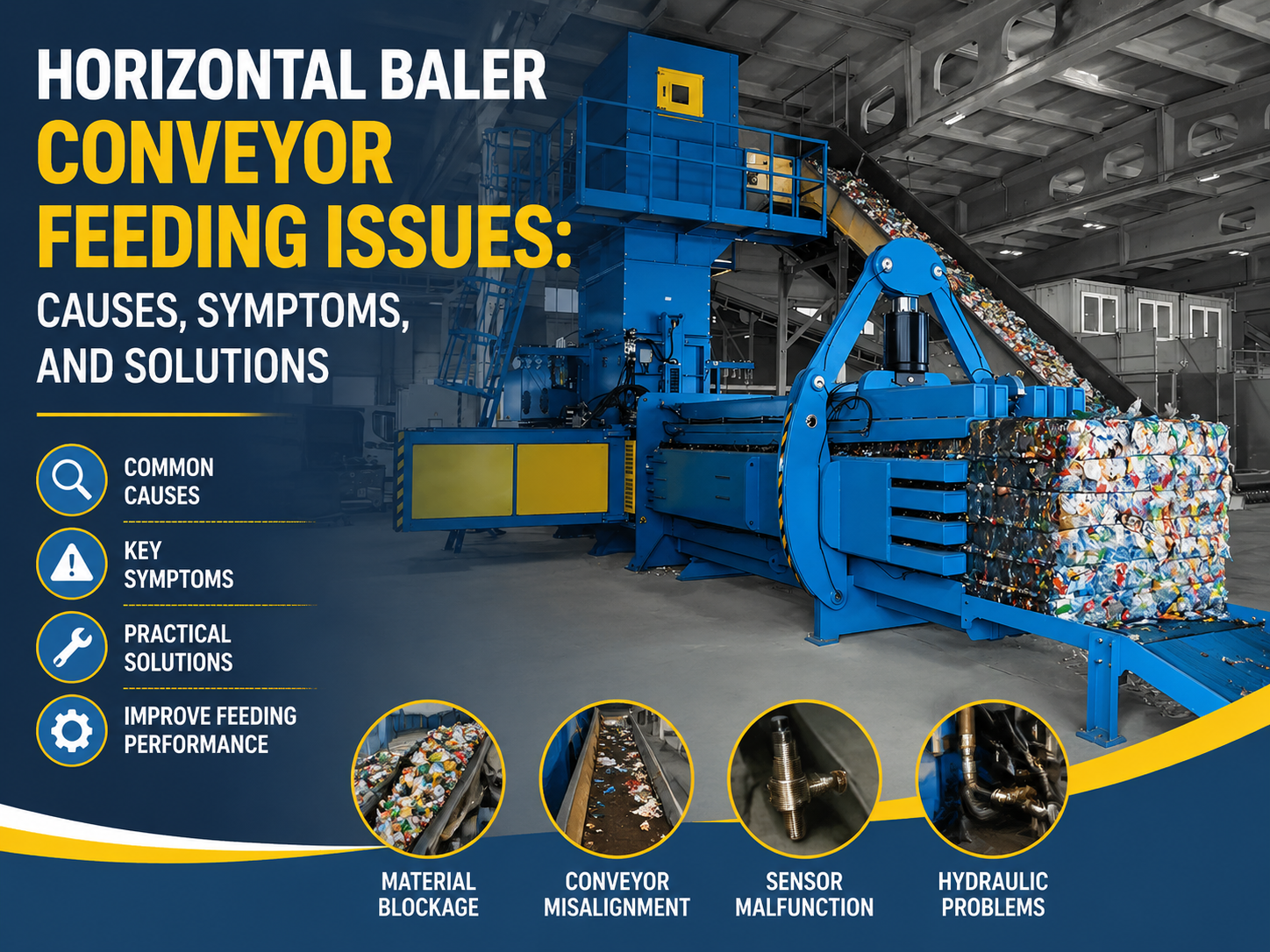
Horizontal Baler Conveyor Feeding Issues: Causes, Symptoms, and Solutions

Introduction to Horizontal Baler Conveyor Systems
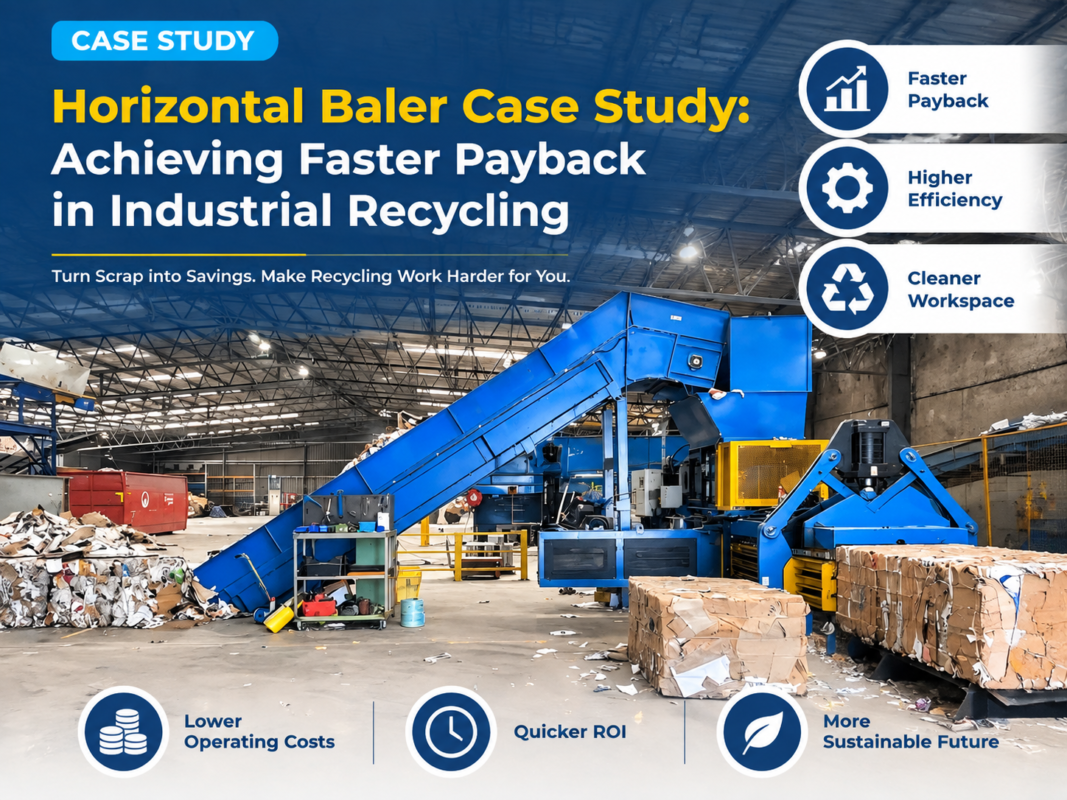
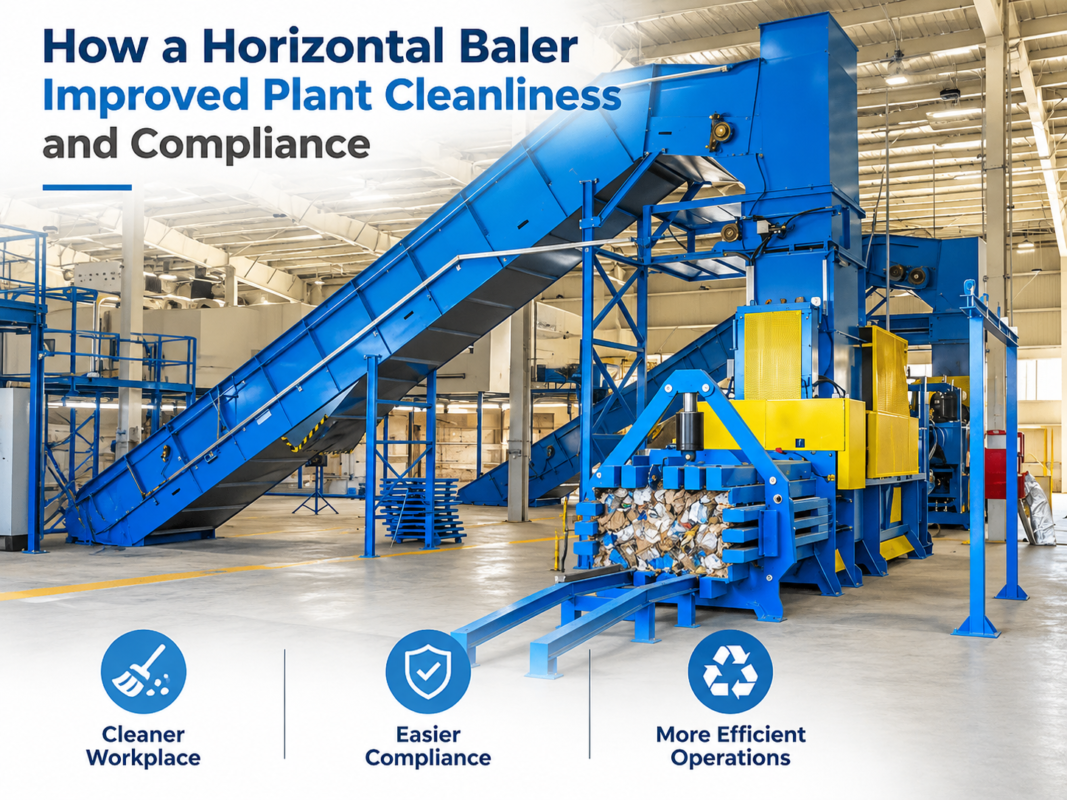
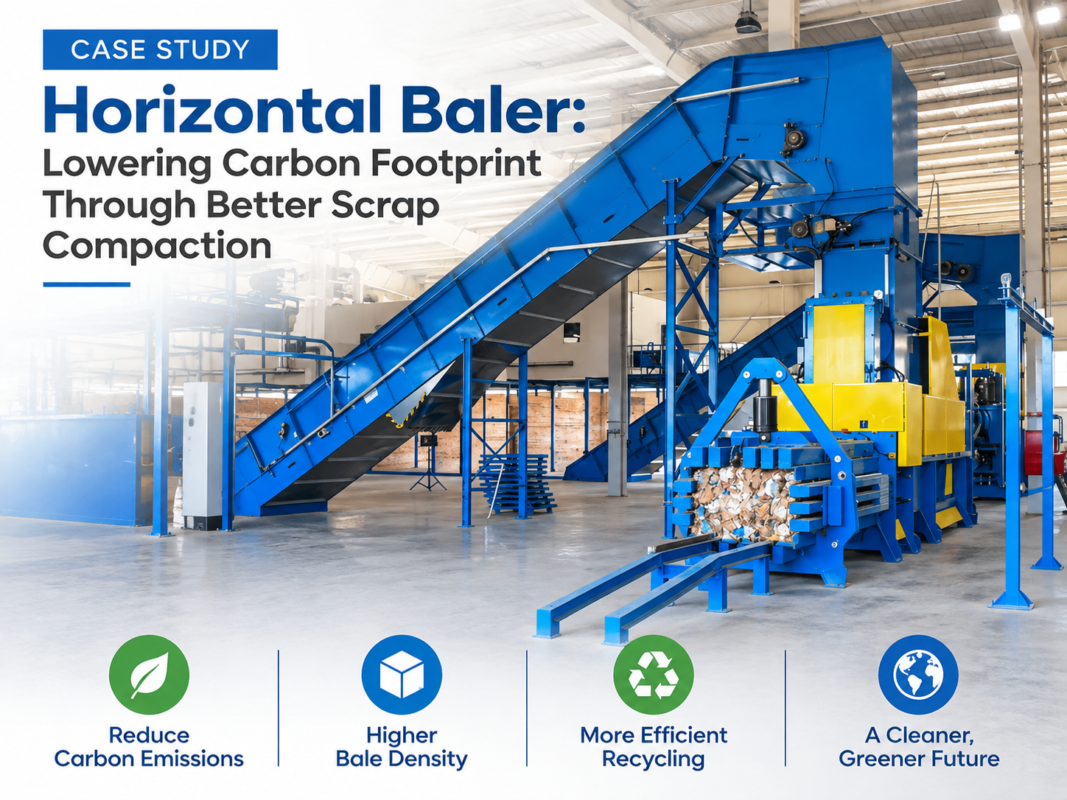
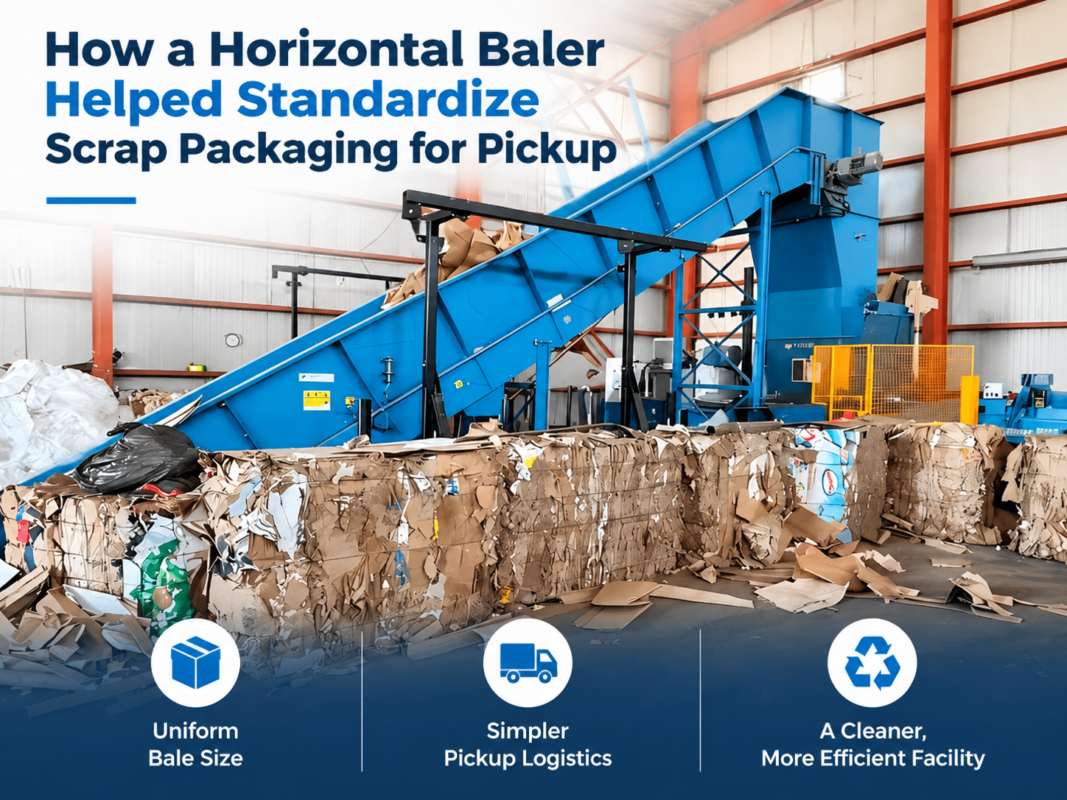
In the modern recycling and metal fabrication industry, efficiency is the cornerstone of profitability. Horizontal balers are essential workhorses, designed to compress vast quantities of loose material into dense, manageable bales. However, the performance of these machines is inextricably linked to their feeding mechanisms. Horizontal baler conveyor feeding issues: causes, symptoms, solutions represent a critical area of operational knowledge for facility managers and maintenance technicians alike.
When a conveyor system fails to deliver material consistently to the baler’s hopper, the entire production line grinds to a halt. This downtime not only results in lost labor hours but can also lead to mechanical stress on the baler itself. Understanding the synergy between the conveyor belt speed, the hopper capacity, and the baler’s compression cycle is vital for maintaining a seamless workflow.
This guide explores the technical intricacies of conveyor-fed baling systems. By addressing the common pitfalls that lead to feeding irregularities, we aim to provide HARSLE operators and maintenance teams with the diagnostic tools necessary to maximize uptime. Whether you are dealing with inconsistent material flow or complete system blockages, identifying the root cause early is the key to long-term operational success.
Key Considerations for Conveyor Feeding Efficiency
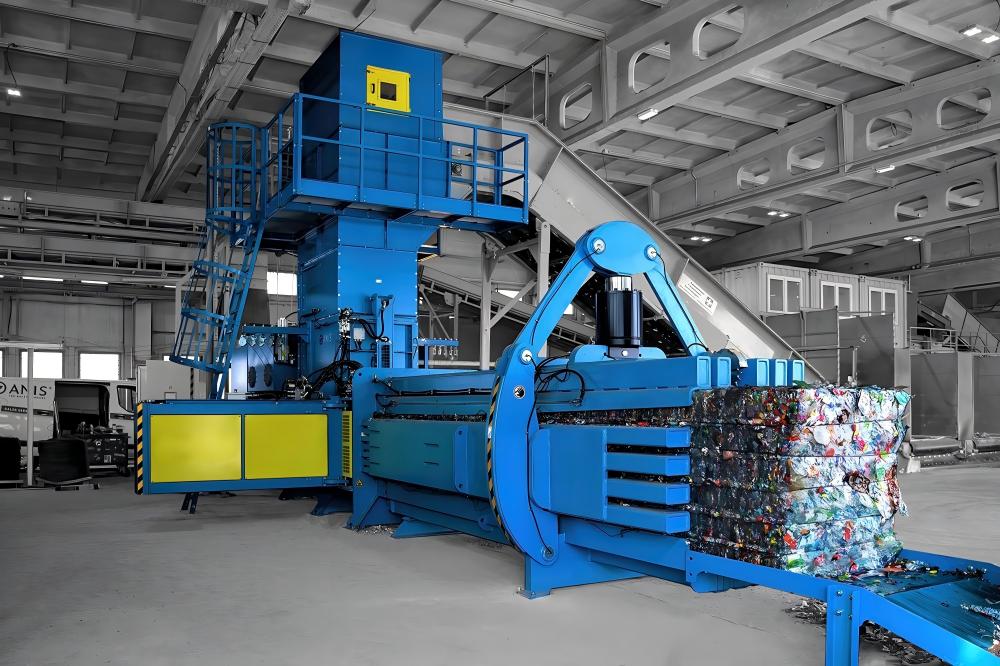
The primary objective of a conveyor system is to provide a steady, controlled stream of material into the baler. If the feed rate is too high, the baler may jam; if it is too low, the baler cycles inefficiently, wasting energy and time. Achieving the ‘sweet spot’ requires careful consideration of material density, belt speed, and hopper design.
Material characteristics play a significant role in feeding dynamics. For instance, light, bulky materials like cardboard require different conveyor settings compared to dense metal scraps or plastic films. Operators must ensure that the conveyor is equipped with the appropriate cleats or side guards to prevent material slippage, especially when dealing with slippery or irregularly shaped items.
Another critical factor is the integration between the conveyor’s motor and the baler’s PLC (Programmable Logic Controller). Modern HARSLE systems utilize sensors to monitor the hopper level. If the conveyor does not communicate effectively with the baler, the hopper may overflow, leading to dangerous spills and potential damage to the conveyor drive motor. Regular calibration of these sensors is a non-negotiable aspect of routine maintenance.
Environmental factors also influence feeding performance. Dust, debris, and moisture can accumulate on the conveyor rollers and belt surface, leading to tracking issues or slippage. A clean conveyor is a functional conveyor. Implementing a daily cleaning schedule and inspecting the tensioning mechanisms can prevent many of the common feeding issues before they escalate into major repairs.
Technical Details: Diagnosing Feeding Issues
When investigating horizontal baler conveyor feeding issues: causes, symptoms, solutions, it is helpful to categorize problems based on their mechanical or electrical origin. Mechanical issues often manifest as physical obstructions or belt misalignment, while electrical issues usually involve sensor failures or motor drive malfunctions.
One common symptom of a feeding issue is ‘bridging.’ This occurs when material gets stuck in the hopper, forming a bridge that prevents further material from entering the compression chamber. This is often caused by an uneven feed rate or material that is too large for the hopper opening. To solve this, operators should consider installing a hopper agitator or adjusting the conveyor speed to ensure a more consistent, thinner layer of material enters the baler.
Belt slippage is another frequent technical hurdle. If the conveyor motor is running but the belt is stationary or moving intermittently, the tensioning system is likely compromised. Check the take-up units and ensure the belt is not stretched beyond its service life. In some cases, the drive pulley may have lost its friction coating, requiring a replacement or a specialized grip treatment to restore traction.
Sensor misalignment or failure can lead to ‘false positives’ where the baler thinks the hopper is full when it is empty, or vice versa. This causes the conveyor to stop prematurely or run when it shouldn’t. Technicians should use a multimeter to test the continuity of the sensors and verify that the PLC is receiving the correct signals. Cleaning the sensor lenses of dust and debris is a simple yet often overlooked solution.
Selection Advice: Choosing the Right Conveyor for Your Baler
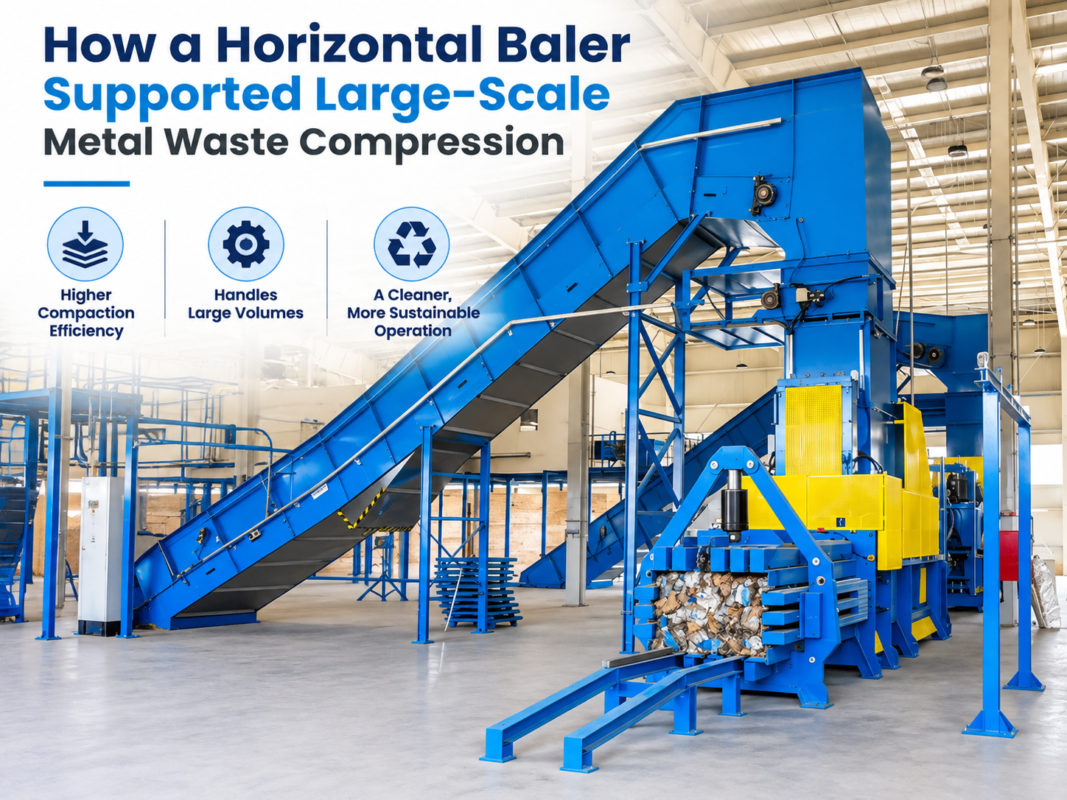
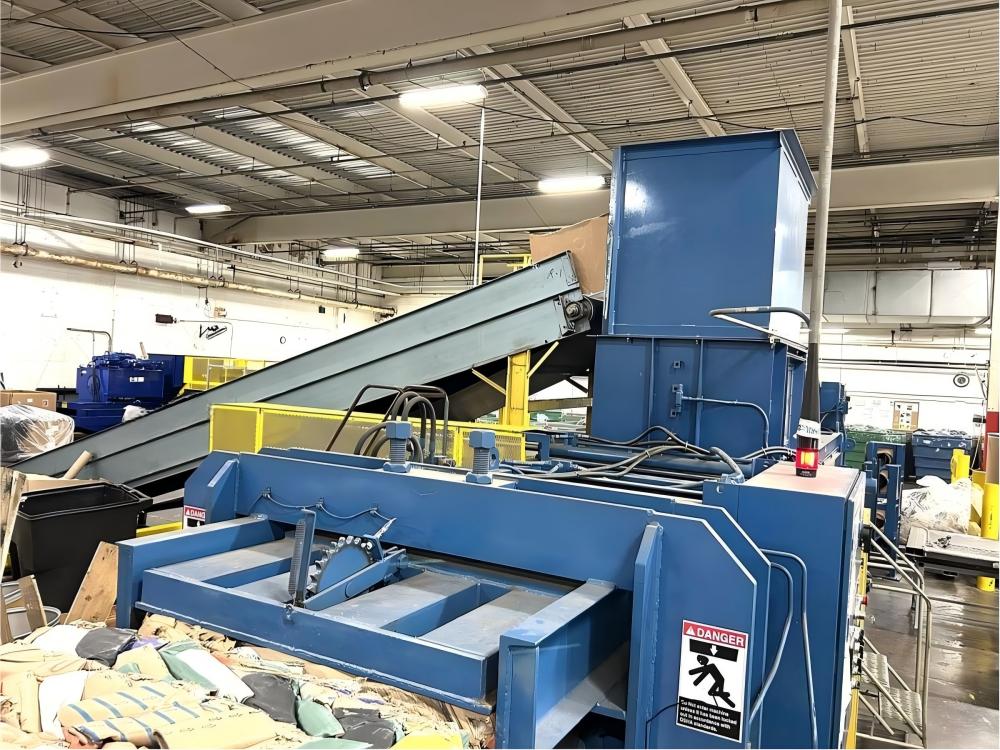
Selecting the correct conveyor for your HARSLE horizontal baler is a proactive step toward preventing feeding issues. Not all conveyors are created equal; the choice should be based on the specific material throughput requirements and the physical layout of your facility. A heavy-duty steel belt conveyor is often necessary for metal fabrication environments, whereas a rubber belt with cleats may suffice for paper and cardboard recycling.
Consider the incline angle of the conveyor. If the angle is too steep, material may slide backward, causing a bottleneck at the base of the conveyor. Ensure that the conveyor width matches the baler’s feed opening. A conveyor that is too narrow will lead to uneven distribution of material, which can cause the baler to produce lopsided or unstable bales, ultimately affecting the structural integrity of the final product.
Variable Frequency Drives (VFDs) are highly recommended for conveyor systems. A VFD allows the operator to adjust the belt speed in real-time based on the baler’s current load. This flexibility is essential for optimizing throughput and preventing the baler from being overwhelmed. Investing in a VFD-equipped conveyor is one of the most effective ways to mitigate horizontal baler conveyor feeding issues.
Finally, look for conveyors with modular designs. Modular conveyors allow for easier maintenance and part replacement. If a section of the belt is damaged, you can replace just that segment rather than the entire belt. This modularity reduces downtime and lowers the total cost of ownership over the life of the machine.
Maintenance Checklist for Conveyor Systems
- Daily: Inspect the belt for tears, fraying, or debris buildup. Clear any obstructions from the hopper area.
- Weekly: Check the tension of the conveyor belt and adjust the take-up units if necessary. Inspect the drive motor for overheating.
- Monthly: Lubricate all bearings and moving parts according to the manufacturer’s specifications. Test the emergency stop and sensor functionality.
- Quarterly: Inspect the drive pulley and belt surface for wear. Replace any worn-out cleats or side guards.
- Annually: Perform a comprehensive electrical inspection, including checking the PLC connections and motor wiring for signs of corrosion or loose terminals.
FAQ: Common Questions About Baler Conveyors
Why does my conveyor keep stopping while the baler is running?
This is usually due to a sensor conflict or a motor overload protection trip. Check the hopper sensors to ensure they are not being triggered by stray material, and verify that the motor is not drawing excessive current due to mechanical resistance.
How can I prevent material from falling off the sides of the conveyor?
Ensure that the conveyor is equipped with adequate side skirts or ‘wings.’ If the material is particularly loose, consider installing a containment hood or increasing the height of the side guards.
What is the ideal speed for a baler conveyor?
There is no single ‘ideal’ speed. The speed should be calibrated so that the material enters the baler at a rate that allows the ram to complete its cycle without being blocked. Using a VFD is the best way to manage this.
Can I use a standard conveyor for metal scrap?
No. Metal scrap is abrasive and heavy. You should use a steel-hinged belt conveyor designed specifically for metal fabrication equipment to prevent premature belt failure and safety hazards.
Conclusion
Addressing horizontal baler conveyor feeding issues: causes, symptoms, solutions is an ongoing process of monitoring, maintenance, and optimization. By understanding the mechanical and electrical components of your HARSLE baler system, you can anticipate problems before they result in costly downtime. Remember that a well-maintained conveyor is the lifeblood of your recycling or fabrication operation.
From selecting the right conveyor type to implementing a rigorous maintenance schedule, every step you take to improve your feeding system contributes to a safer, more productive workplace. If you encounter persistent issues that cannot be resolved through standard troubleshooting, do not hesitate to contact HARSLE technical support. Our team is dedicated to ensuring your equipment operates at peak performance, helping you turn waste into value with efficiency and reliability.