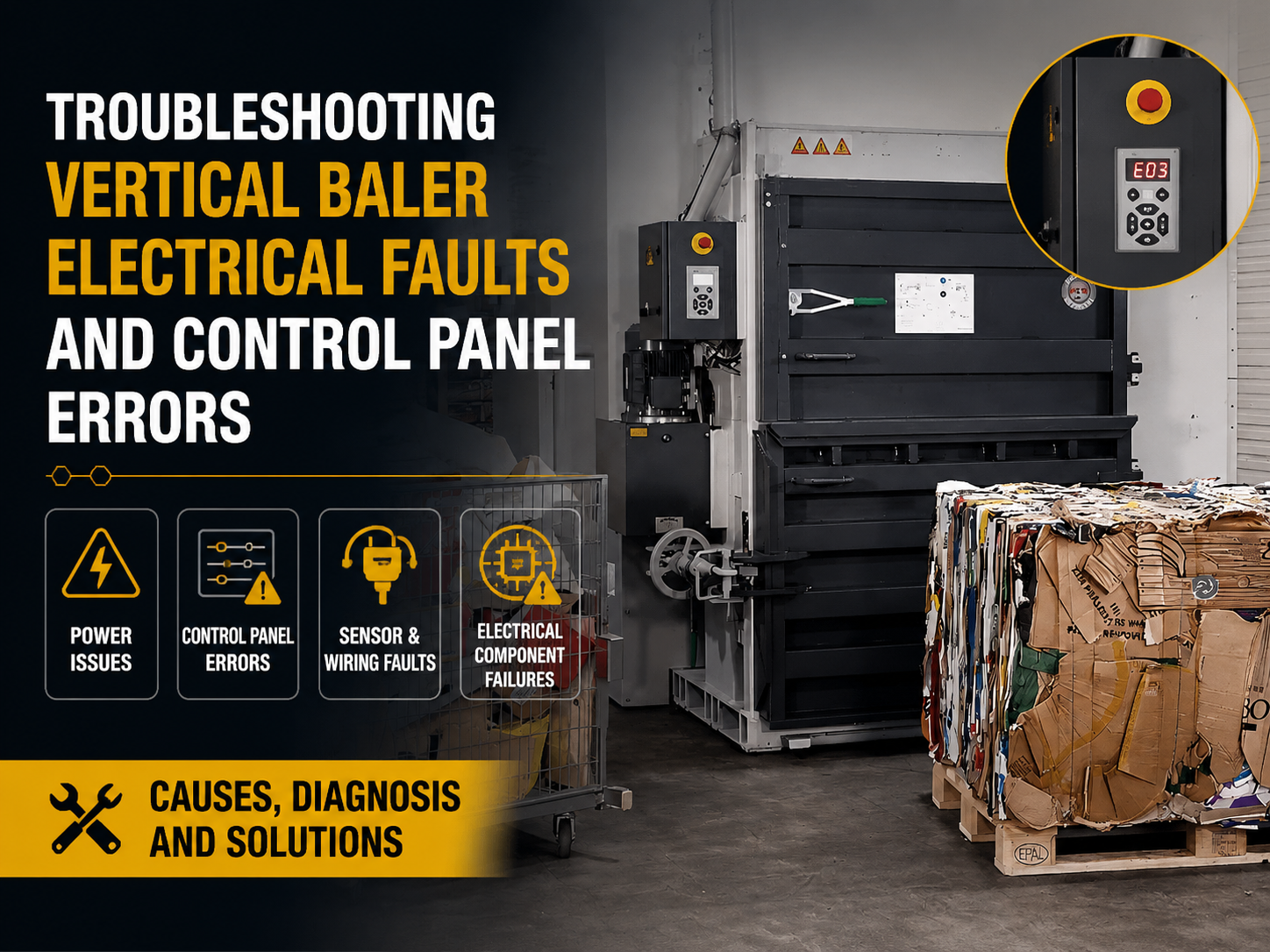
Troubleshooting Vertical Baler Electrical Faults and Control Panel Errors: A Comprehensive HARSLE Guide

Introduction to Vertical Baler Reliability
In the high-pressure environment of modern recycling and metal fabrication facilities, the vertical baler serves as a cornerstone of operational efficiency. As a leading manufacturer, HARSLE understands that downtime is not merely an inconvenience—it is a significant financial drain. Troubleshooting vertical baler electrical faults and control panel errors is a critical skill for maintenance teams and operators alike. By understanding the intricate relationship between the PLC (Programmable Logic Controller), hydraulic sensors, and electrical circuitry, facilities can extend the lifespan of their equipment and maintain peak performance.
Vertical balers are robust machines designed to compress bulky waste into manageable, high-density bales. However, because they rely on complex electrical systems to manage hydraulic pressure, safety interlocks, and cycle timing, they are susceptible to specific electrical anomalies. When the control panel flashes an error code or the machine fails to initiate a cycle, the immediate reaction should be a systematic diagnostic approach rather than guesswork. This guide provides a comprehensive framework for identifying, diagnosing, and resolving these common electrical challenges.
Effective maintenance begins with a proactive mindset. Many electrical faults in vertical balers are the result of environmental factors, such as dust accumulation in the control cabinet, vibration-induced loose connections, or moisture ingress. By integrating regular inspections into your daily workflow, you can prevent many of the control panel errors that lead to emergency shutdowns. This article will walk you through the technical nuances of HARSLE baler systems, ensuring your team is equipped to handle the unexpected.
Understanding the architecture of your baler is the first step toward mastery. From the main power disconnect to the limit switches that govern the platen movement, every component plays a role in the electrical loop. When one link fails, the control panel acts as the diagnostic interface, providing clues through error codes or status lights. Learning to interpret these signals is the hallmark of a skilled technician and is essential for minimizing the impact of troubleshooting vertical baler electrical faults and control panel errors.
Key Considerations for Electrical System Integrity
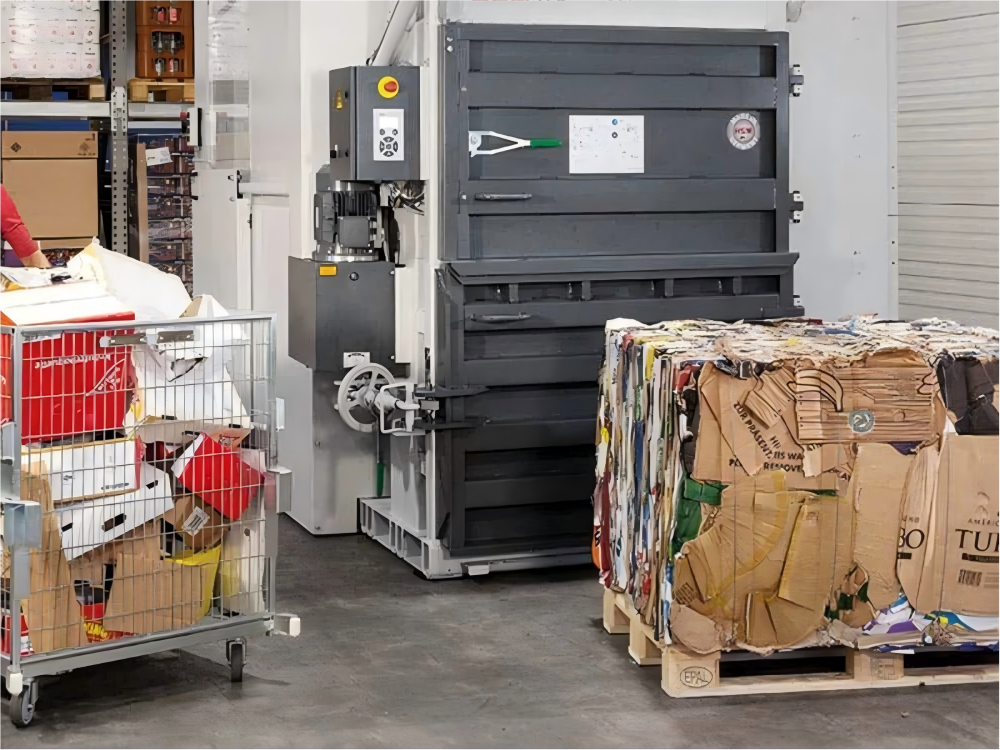
The electrical integrity of a vertical baler is heavily dependent on the quality of the power supply and the environmental conditions of the facility. Voltage fluctuations are a leading cause of intermittent control panel errors. If your facility experiences frequent power surges or brownouts, the sensitive electronics within the PLC may trigger false fault codes. Installing a dedicated power conditioner or voltage stabilizer can often resolve these persistent, hard-to-diagnose electrical issues.
Another critical consideration is the condition of the wiring harnesses and terminal blocks. Over time, the constant vibration inherent in baling operations can cause screw terminals to loosen. This leads to high-resistance connections, which generate heat and can cause erratic behavior in sensors and actuators. A routine maintenance schedule should include a thermal imaging inspection of the control panel to identify “hot spots” that indicate loose connections or failing components before they result in a complete system failure.
Environmental protection is equally vital. Vertical balers are often placed in areas with high levels of particulate matter, such as metal shavings or paper dust. If the control cabinet seals are compromised, this dust can settle on circuit boards, leading to short circuits or overheating. Ensuring that the cabinet remains airtight and that cooling fans are clean and functional is a simple yet highly effective way to prevent electrical faults. Always verify that the cabinet door gaskets are intact and that cable glands are properly tightened to prevent moisture and dust ingress.
Finally, consider the role of safety interlocks in the electrical circuit. Vertical balers are equipped with multiple safety switches on doors, gates, and emergency stop buttons. These are wired in a series circuit; if any single switch fails or is misaligned, the entire machine will refuse to start. Often, what appears to be a complex control panel error is actually a simple case of a misaligned door switch or a faulty safety relay. Always check the physical safety interlocks before diving into the software-based diagnostics of the control panel.
Technical Details: Diagnosing Control Panel Errors
When a control panel displays an error code, the first step is to consult the HARSLE technical manual specific to your model. However, there are universal patterns in troubleshooting vertical baler electrical faults and control panel errors. Most modern balers use a PLC-based system that monitors inputs from various sensors. If an input is not received within a specific timeframe, the PLC triggers a fault. For example, if the platen does not reach the bottom limit switch within the expected cycle time, the system may flag a ‘Hydraulic Timeout’ error.
To diagnose these issues, use a digital multimeter to verify voltage levels at the input/output (I/O) modules of the PLC. If the control panel indicates that a sensor is active, but the multimeter shows no voltage at the corresponding PLC input terminal, the fault lies in the wiring or the sensor itself, not the controller. This distinction is vital. Replacing a perfectly functional PLC is a costly mistake that can be avoided by verifying the signal path from the field device to the controller.
Another common technical issue involves the hydraulic pressure transducer. This sensor sends a signal to the control panel to indicate when the baler has reached maximum pressure. If the transducer fails or the wiring is damaged, the baler may continue to run indefinitely or stop prematurely. In such cases, the control panel might display a ‘Pressure Sensor Fault.’ Testing the transducer involves checking its output signal—typically 4-20mA or 0-10V—against the manufacturer’s specifications while the system is under load.
Software-related errors can also occur, though they are less frequent than hardware failures. If the control panel becomes unresponsive or displays garbled text, it may indicate a corrupted firmware state or a failing power supply unit (PSU) within the panel. Before attempting a factory reset or firmware update, ensure that the 24V DC power supply is providing a clean, stable voltage. A failing PSU often introduces electrical noise into the system, causing the PLC to behave unpredictably. Always document any error codes and the sequence of events leading up to the fault to assist HARSLE support technicians in providing a faster resolution.
Selection Advice: Minimizing Future Electrical Faults
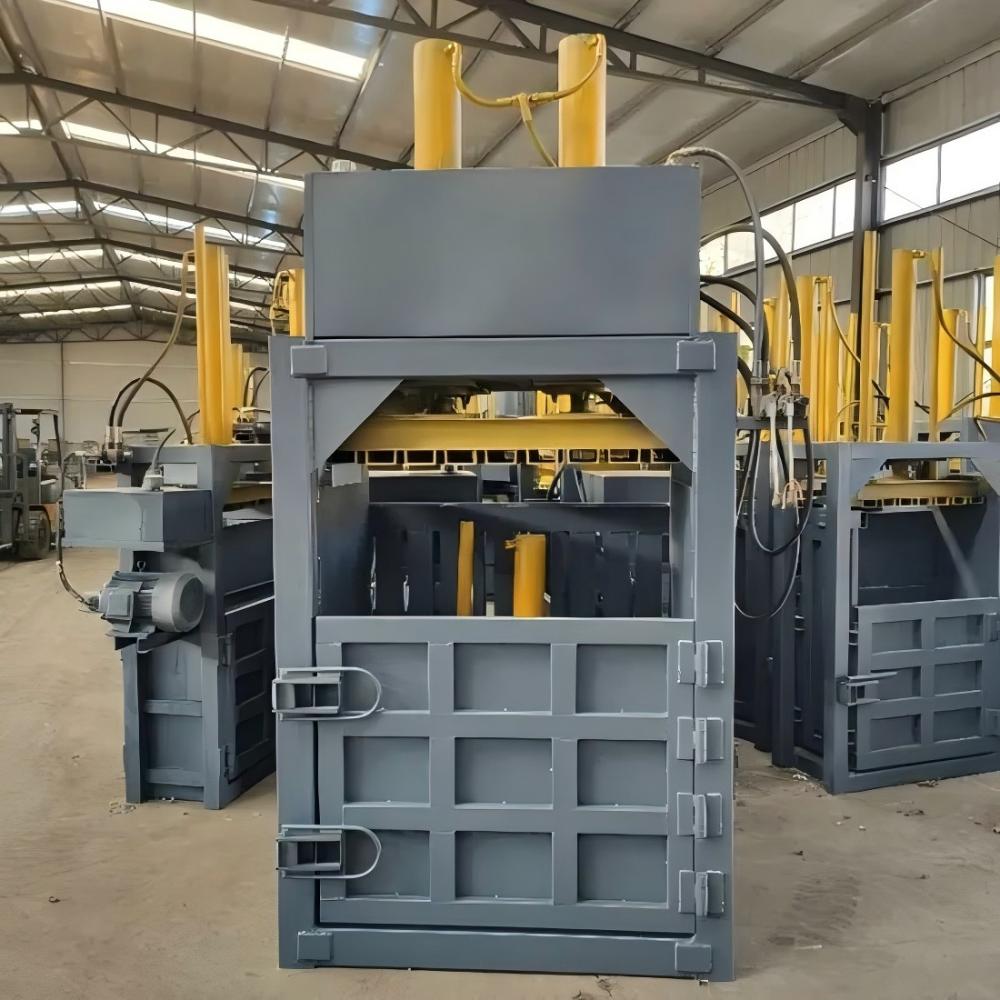
When investing in new metal fabrication equipment, the quality of the electrical components should be a primary selection criterion. HARSLE balers are designed with industrial-grade components, but the specific configuration you choose should match your facility’s operational demands. If you operate in a high-humidity or high-dust environment, opt for an upgraded control cabinet with an IP65 or higher rating. This provides superior protection against environmental contaminants that are the primary culprits in electrical degradation.
Consider the ease of maintenance when selecting your baler. Look for machines that feature modular electrical designs, where components like relays, contactors, and PLC modules are easily accessible and clearly labeled. A well-organized control panel with a comprehensive wiring diagram attached to the inside of the door can reduce troubleshooting time by hours. During the procurement process, ask the manufacturer about the availability of spare parts and the level of technical support provided for electrical diagnostics.
Another factor is the integration of smart diagnostics. Modern HARSLE balers often include advanced control panels that provide descriptive error messages rather than cryptic codes. Investing in a machine with an HMI (Human-Machine Interface) that offers real-time status monitoring and historical error logging can significantly simplify the process of troubleshooting vertical baler electrical faults and control panel errors. This data-driven approach allows your maintenance team to identify recurring issues and address them before they escalate into major failures.
Finally, ensure that your staff receives proper training on the specific electrical systems of the baler. Many faults are caused by operator error, such as forcing the machine to cycle when it is overloaded or failing to follow the correct shutdown procedure. A well-trained operator is the first line of defense in maintaining electrical health. By choosing a manufacturer that offers comprehensive training programs, you ensure that your team can handle minor electrical adjustments safely and effectively, keeping your production line moving without unnecessary delays.
FAQ: Troubleshooting Vertical Baler Electrical Faults
- Q: Why does my baler stop mid-cycle with a ‘Safety Gate Open’ error even when the gate is closed?
A: This is usually caused by a misaligned safety switch or a loose magnet. Check the physical alignment of the gate and ensure the switch is securely mounted. If the alignment is correct, use a multimeter to check for continuity across the switch terminals. - Q: What should I do if the control panel screen is blank?
A: First, check the main power supply and the emergency stop button. If those are fine, check the 24V DC power supply inside the cabinet. A blown fuse or a failed power supply unit is the most common cause of a blank screen. - Q: How often should I inspect the electrical cabinet?
A: We recommend a visual inspection every month and a thorough cleaning and connection check every six months. In harsh environments, increase this frequency to ensure dust does not accumulate on sensitive components. - Q: Can I replace a PLC module myself?
A: Yes, if you have the proper technical training. However, ensure the power is disconnected and locked out (LOTO) before attempting any work. Always back up the PLC program before replacing the hardware to avoid data loss. - Q: What is the most common cause of ‘Hydraulic Pressure’ errors?
A: This is often caused by a faulty pressure transducer or a hydraulic leak that prevents the system from reaching the set pressure. Check for visible leaks first, then test the transducer signal.
Conclusion: Maintaining Operational Excellence
Troubleshooting vertical baler electrical faults and control panel errors is an essential competency for any facility relying on industrial baling equipment. By adopting a systematic approach—starting with environmental checks, moving to physical interlocks, and finally analyzing the PLC and sensor data—you can resolve the vast majority of issues efficiently. Remember that the goal is not just to fix the machine, but to understand the root cause to prevent future occurrences.
HARSLE remains committed to providing high-quality metal fabrication equipment and the support necessary to keep your operations running smoothly. Whether you are performing routine maintenance or diagnosing a complex electrical fault, the principles outlined in this guide will serve as a reliable roadmap. By prioritizing electrical integrity, investing in quality components, and fostering a culture of proactive maintenance, you ensure that your vertical baler continues to be a productive asset for years to come.
If you encounter an error that remains elusive, do not hesitate to reach out to the HARSLE technical support team. Our experts are ready to assist with advanced diagnostics and provide the specific guidance needed to restore your equipment to full functionality. Keep your documentation updated, maintain your safety protocols, and continue to monitor your baler’s performance to achieve the highest standards of industrial efficiency.