Scrap Metal Baler Material Backflow Problems and How to Stop Them: A Comprehensive Guide

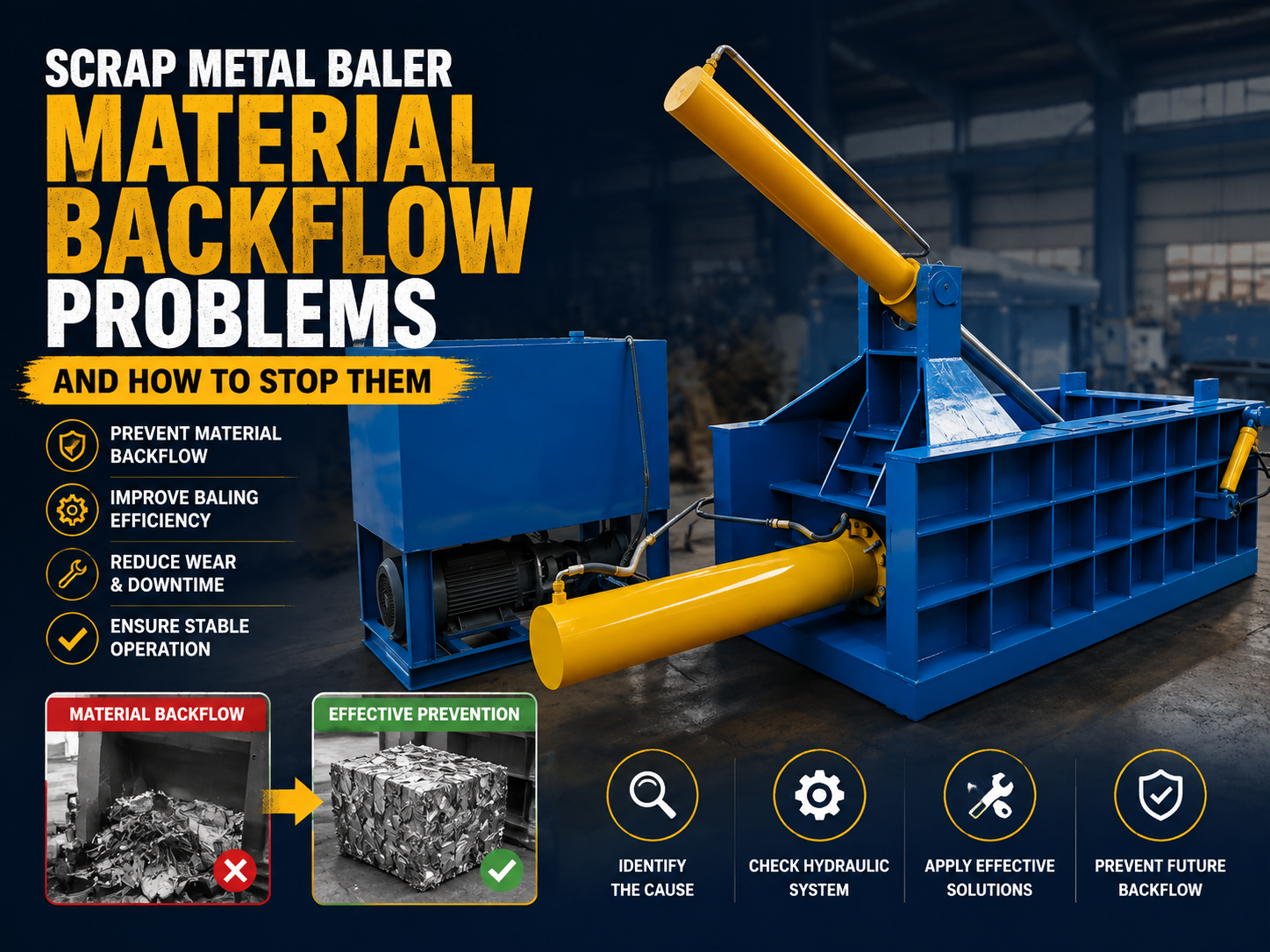
Introduction to Scrap Metal Baler Material Backflow Problems
In the high-pressure world of metal recycling and fabrication, efficiency is measured by the density and consistency of the bales produced. However, operators frequently encounter a persistent challenge: scrap metal baler material backflow. This phenomenon occurs when compressed material pushes back into the charging chamber or escapes the compression zone during the cycle, leading to jammed rams, damaged hydraulic seals, and significantly reduced throughput. Understanding why these Scrap Metal Baler Material Backflow Problems occur is the first step toward implementing effective solutions.
For facilities relying on HARSLE industrial machinery, maintaining a streamlined workflow is essential for profitability. When material backflow happens, it is not merely a nuisance; it is a symptom of mechanical misalignment, incorrect material feeding, or hydraulic pressure imbalances. By addressing these issues systematically, plant managers can extend the lifespan of their equipment and ensure that their scrap processing operations remain safe and productive.
This guide explores the technical intricacies of backflow, providing actionable advice for operators and maintenance teams. Whether you are dealing with light-gauge aluminum shavings or heavy steel offcuts, the principles of preventing backflow remain rooted in physics and mechanical precision. We will delve into the root causes, the role of hydraulic systems, and the specific design features that help stop these issues before they cause costly downtime.
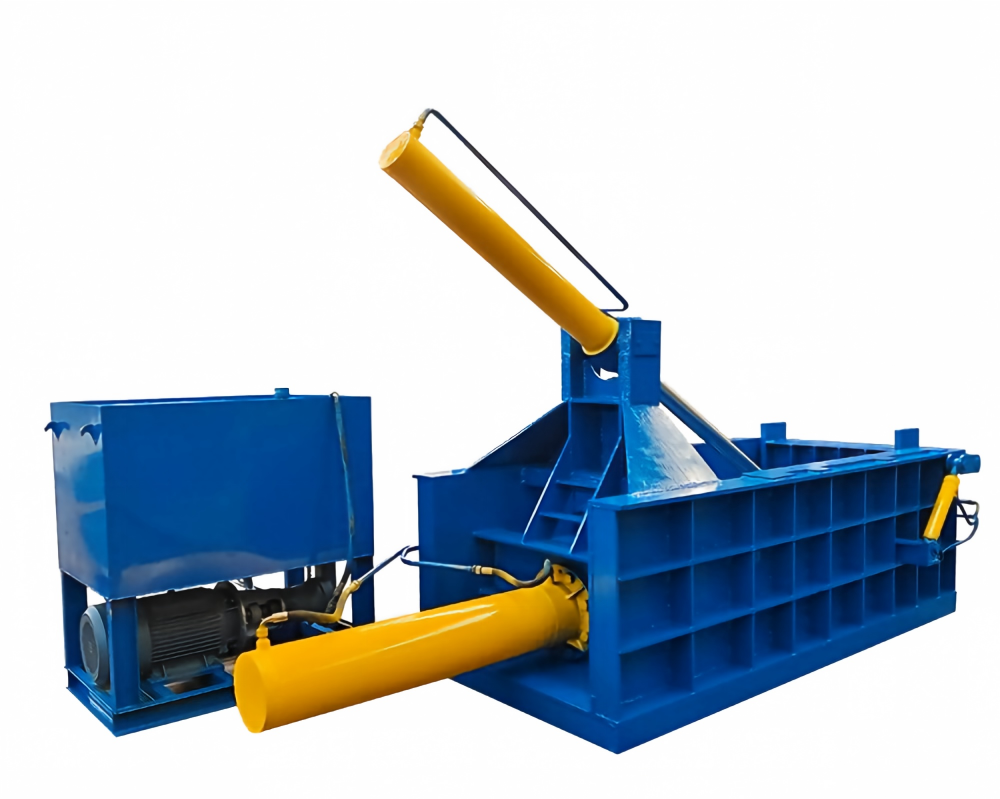
Key Considerations for Preventing Backflow
The primary cause of backflow is often related to the ‘spring-back’ effect of certain metals. Materials like spring steel or high-tensile alloys possess inherent elastic properties that cause them to expand once the compression force is momentarily released or if the ram does not maintain constant pressure. When the ram retracts to allow for the next charge, this material can expand into the path of the incoming scrap, creating a blockage that prevents the next cycle from completing smoothly.
Another critical consideration is the design of the shear blades and the compression chamber geometry. If the shear blades are dull or improperly gapped, they fail to cleanly cut through the protruding material. Instead of a clean slice, the material is crushed or folded, creating a wedge that forces the scrap backward. Regular inspection of the shear blade clearance is a fundamental maintenance task that directly impacts the frequency of backflow incidents.
Operator training plays a massive role in mitigating these problems. Overloading the charging chamber is a common mistake that leads to material bridging and backflow. When the chamber is packed beyond its rated capacity, the material lacks the necessary space to be compressed into a uniform bale, forcing it to seek the path of least resistance—which is often back toward the loading hopper. Establishing strict loading protocols based on material density is essential for long-term operational success.
Finally, environmental factors such as temperature and lubrication should not be overlooked. In colder climates, hydraulic oil viscosity can change, affecting the speed and responsiveness of the ram. If the ram speed is inconsistent, the timing of the compression cycle may be disrupted, allowing material to shift before the compression force is fully applied. Ensuring that your hydraulic system is optimized for your specific operating environment is a key strategy in preventing Scrap Metal Baler Material Backflow Problems.
Technical Details: Hydraulic Systems and Ram Mechanics
At the heart of every HARSLE scrap metal baler is a sophisticated hydraulic system designed to exert immense force. Backflow often occurs when the hydraulic pressure is not maintained at a constant level throughout the entire stroke. If the pressure drops during the compression phase, the material’s internal tension can overcome the ram’s force, pushing the ram backward or causing the material to spill over the sides of the compression chamber.
The use of anti-backflow dogs or retaining teeth is a technical solution integrated into many high-end balers. These mechanical components act as one-way gates, allowing material to be pushed forward into the bale chamber but preventing it from moving backward when the ram retracts. If your baler is experiencing frequent backflow, inspecting these retaining teeth for wear or damage is a priority. If they are rounded or broken, they will fail to hold the material in place, rendering them ineffective.
Hydraulic cylinder health is equally important. Internal leakage within the cylinder can cause ‘drift,’ where the ram loses its position under load. This drift creates a gap between the ram face and the material, providing the space necessary for scrap to migrate backward. Regular pressure testing of the hydraulic circuits and monitoring for internal bypass can help identify these issues before they manifest as catastrophic failures.
Furthermore, the synchronization of the main ram and the side compression rams is vital. In multi-ram balers, the timing must be precise. If the side ram retracts while the main ram is still under load, the material may expand into the void created by the side ram. Advanced PLC (Programmable Logic Controller) programming in modern HARSLE machinery allows for fine-tuning these timings to ensure that the compression chamber remains sealed throughout the entire cycle.
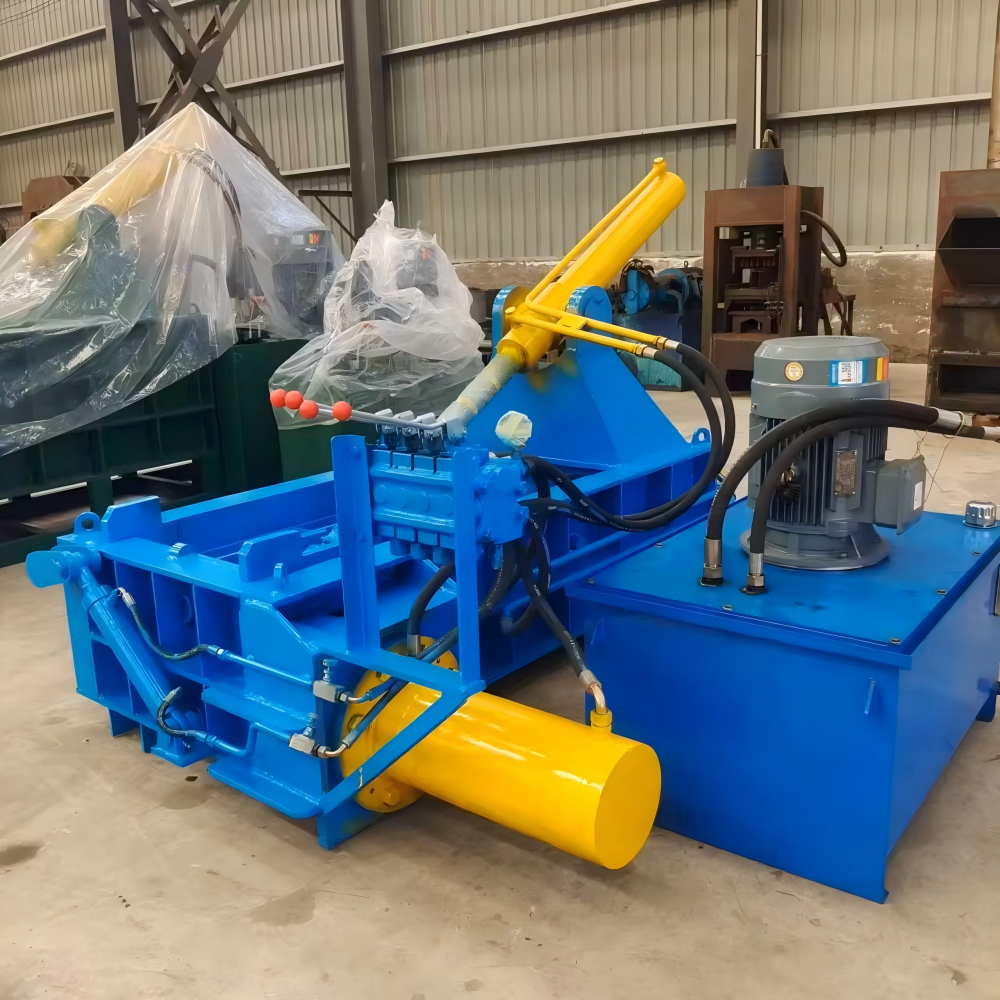
Selection Advice: Choosing the Right Baler for Your Material
Selecting the correct baler for your specific scrap type is the most effective way to prevent backflow before it even starts. Not all balers are created equal; a machine designed for thin-gauge aluminum cans will struggle significantly with heavy steel plate offcuts. When choosing a HARSLE baler, consider the bulk density of your input material and the required bale density for your downstream buyers.
For facilities processing mixed scrap, a baler with a pre-compression lid or a ‘crusher’ lid is highly recommended. This lid serves two purposes: it compacts the material before the main ram engages, and it acts as a physical barrier that prevents material from rising or flowing back during the initial compression stages. This added layer of control is invaluable for high-volume operations where consistency is key.
Consider the shear force requirements of your material. If you are processing long, stringy scrap, you need a baler equipped with high-quality, replaceable shear blades. The interaction between the ram and the shear blade is the primary defense against backflow. Ensure that the machine you select has an adjustable shear blade gap, allowing you to maintain a tight tolerance as the blades wear down over time.
Finally, look for machines with automated cycle features that include ‘dwell’ times. A dwell time allows the ram to hold the material under maximum pressure for a few seconds before retracting. This brief pause allows the material to ‘set’ and lose its elastic energy, significantly reducing the likelihood of spring-back. When evaluating equipment, ask about the customization options for cycle timing and pressure settings to ensure they align with your specific material profile.
Maintenance Checklist to Stop Backflow
- Shear Blade Inspection: Check the clearance between the ram and the shear blade weekly. Adjust or replace blades if the gap exceeds the manufacturer’s recommendations.
- Retaining Teeth/Dogs: Inspect the mechanical retaining teeth for signs of wear, bending, or breakage. Replace immediately if they no longer provide a firm grip on the material.
- Hydraulic Pressure Check: Monitor the hydraulic pressure gauges during the compression stroke. Any significant drop in pressure indicates a potential leak or pump issue.
- Ram Alignment: Periodically check the ram guides and wear plates. A misaligned ram will create uneven pressure, leading to gaps where material can escape.
- Lubrication: Ensure all moving parts, especially the ram tracks and shear blade slides, are properly lubricated to prevent sticking and jerky movements.
- PLC Calibration: Review the cycle timing settings in the control panel to ensure the dwell time is sufficient for the material being processed.
FAQ: Common Questions About Baler Backflow
Q: Why does my scrap metal baler jam every time I load it?
A: Jamming is often caused by overfilling the charging chamber or by material that is too long for the chamber dimensions. Ensure you are not exceeding the rated volume and consider pre-cutting long pieces of scrap.
Q: Can worn hydraulic seals cause backflow?
A: Yes. Worn seals lead to internal bypass, which reduces the effective force of the ram. If the ram cannot maintain constant pressure, the material will expand and flow back into the charging area.
Q: How often should I sharpen my shear blades?
A: This depends on the volume and hardness of the metal. As a general rule, inspect them every 200 operating hours. If you notice the baler struggling to cut through material, it is time for maintenance.
Q: What is the ‘dwell’ setting on my HARSLE baler?
A: The dwell setting is the amount of time the ram holds the material at maximum compression before retracting. Increasing this time can help reduce spring-back in elastic materials.
Q: Is backflow a safety hazard?
A: Absolutely. Material backflow can lead to flying debris, sudden machine movements, and the need for manual intervention to clear jams, which is dangerous. Always follow lockout/tagout procedures before attempting to clear a jam.
Conclusion
Addressing Scrap Metal Baler Material Backflow Problems is essential for any metal fabrication or recycling facility aiming for maximum efficiency. By understanding the mechanical and hydraulic factors that contribute to these issues—such as material spring-back, shear blade wear, and hydraulic pressure stability—operators can take proactive steps to ensure their machinery runs smoothly. Implementing a rigorous maintenance schedule, investing in the right equipment for your specific material, and training staff on proper loading techniques are the pillars of a successful baler operation.
HARSLE is committed to providing high-performance metal fabrication equipment designed to withstand the rigors of industrial use. By following the guidelines outlined in this article, you can minimize downtime, extend the life of your baler, and maintain a safe, productive working environment. Remember, the key to stopping backflow is not just fixing the problem when it occurs, but creating a system where it is prevented through consistent maintenance and operational excellence.