How to Recover Scrap Metal Baler Performance After Repeated Hydraulic Shutdowns

Introduction
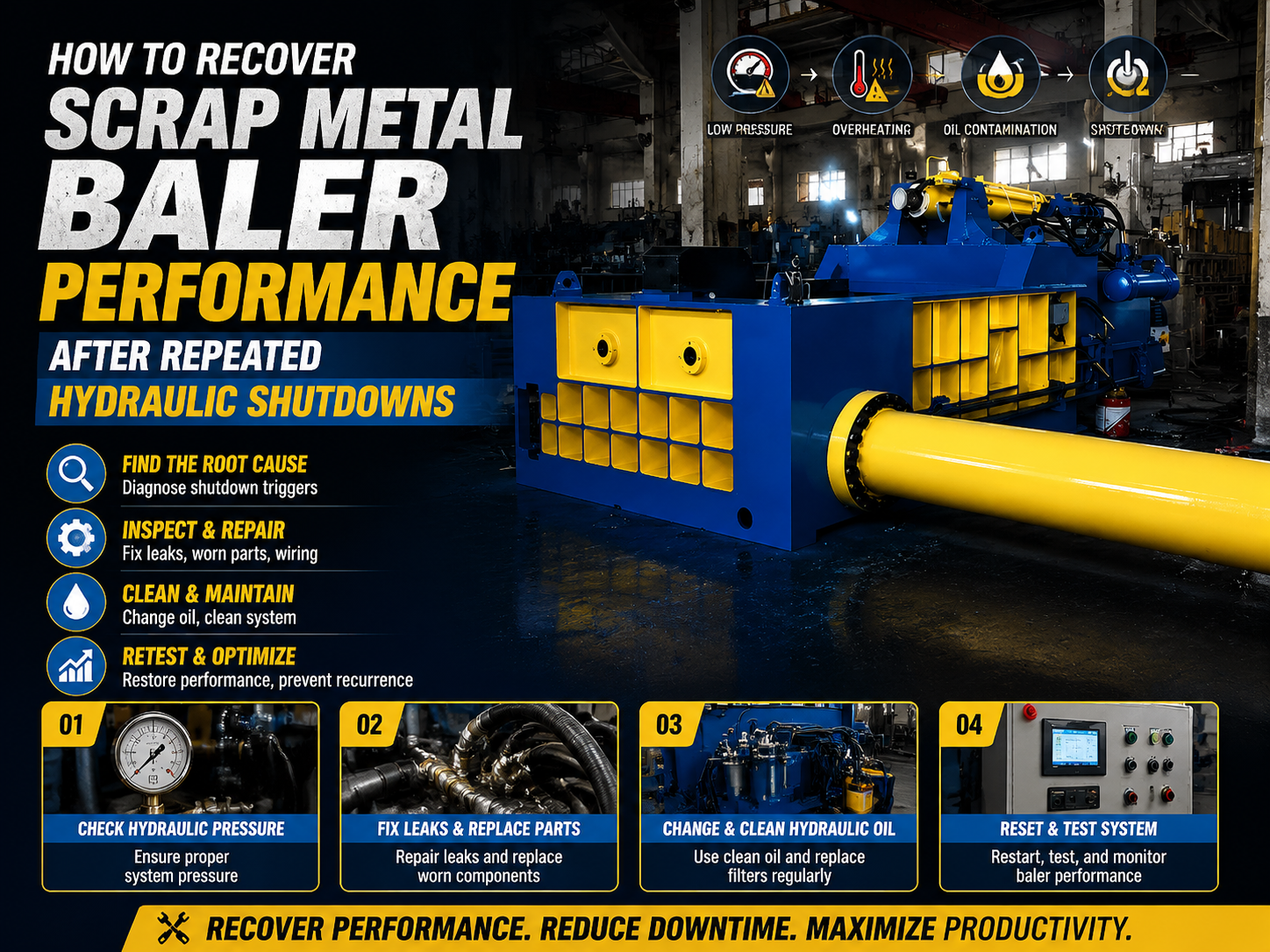
In the high-pressure environment of metal recycling and fabrication, the scrap metal baler serves as the backbone of operational efficiency. However, when a machine experiences repeated hydraulic shutdowns, it is not merely a minor inconvenience; it is a signal of systemic degradation that threatens your production throughput and equipment longevity. Understanding how to recover scrap metal baler performance after repeated hydraulic shutdowns is essential for facility managers who need to minimize downtime and avoid costly component replacements.
Repeated shutdowns often stem from thermal overload, pressure spikes, or fluid contamination, all of which can cause permanent damage if left unaddressed. At HARSLE, we emphasize that proactive maintenance is the most effective way to ensure your baler operates at peak capacity. This guide explores the technical methodologies required to diagnose, repair, and optimize your hydraulic systems to restore the performance levels expected of industrial-grade metal fabrication equipment.
When a baler shuts down repeatedly, the hydraulic fluid often bears the brunt of the stress. Overheating, oxidation, and the accumulation of metallic particulates can turn a high-performance lubricant into a corrosive sludge. By systematically addressing the hydraulic circuit, from the pump intake to the cylinder seals, operators can effectively reset the machine’s performance baseline and prevent the cycle of failure from repeating.
This article provides a comprehensive roadmap for maintenance teams. We will delve into the specific technical indicators of hydraulic failure, the selection of replacement components, and the long-term strategies required to maintain hydraulic integrity. Whether you are managing a single baler or an entire fleet of recycling machinery, these insights will help you regain control over your operational output.
Key Considerations for Hydraulic System Health
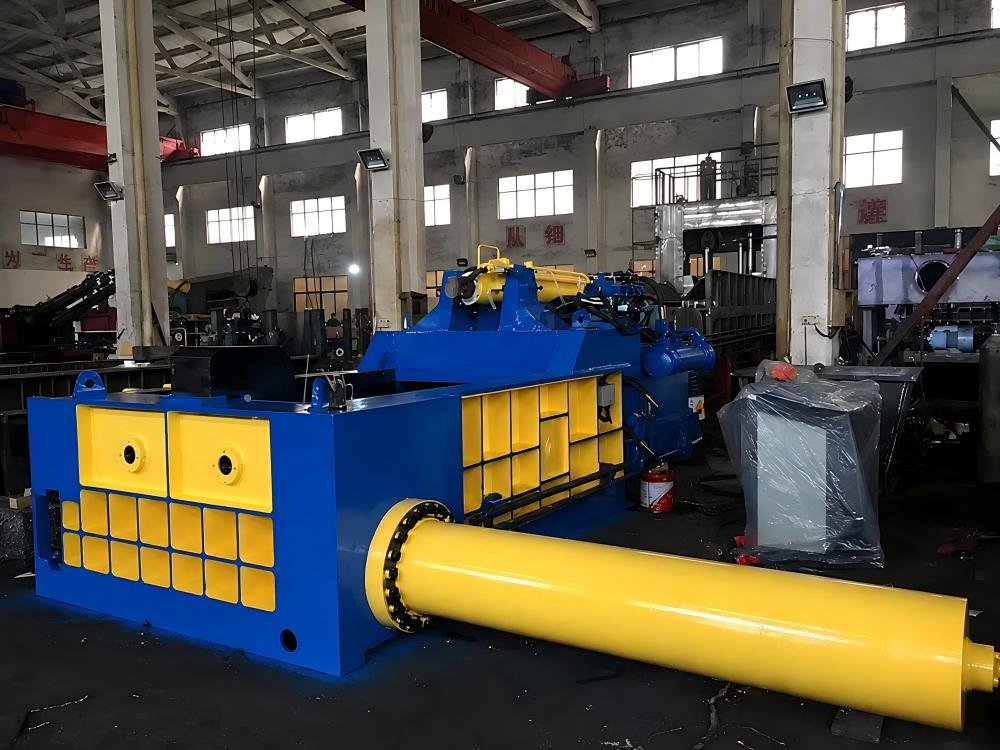
The first step in recovering performance is identifying the root cause of the shutdowns. Repeated hydraulic shutdowns are rarely random; they are usually triggered by safety interlocks designed to protect the motor or the hydraulic pump from catastrophic failure. Before attempting any repairs, it is vital to analyze the logs of the Programmable Logic Controller (PLC) to determine if the shutdowns are related to pressure, temperature, or electrical faults.
Thermal management is a primary consideration. Hydraulic oil that exceeds its optimal operating temperature loses viscosity, leading to internal leakage within the pump and valves. This creates a feedback loop where the system works harder to maintain pressure, generates more heat, and eventually triggers a thermal shutdown. Checking the oil cooler, fan functionality, and the ambient temperature of the machine environment is the first step in stabilization.
Contamination control is equally critical. In scrap metal baling, the environment is inherently dirty. If the hydraulic reservoir breather or the filtration system is compromised, microscopic metal shavings and dust can enter the fluid. These contaminants act as abrasives, scoring the internal surfaces of cylinders and valves, which leads to pressure drops and erratic machine behavior. A thorough flush of the hydraulic system is often necessary to restore performance after repeated shutdowns.
Finally, consider the structural integrity of the hydraulic hoses and fittings. Repeated shutdowns often involve pressure surges that can weaken hose walls or cause micro-fractures in fittings. Inspecting the entire circuit for weeping or bulging is essential. Replacing aged hoses with high-pressure rated alternatives can prevent future leaks and ensure that the hydraulic force is delivered consistently to the compression rams.
Technical Details: Restoring Hydraulic Efficiency
To effectively recover scrap metal baler performance after repeated hydraulic shutdowns, you must perform a deep-dive technical audit of the hydraulic circuit. This begins with the hydraulic pump, which is the heart of the system. If the pump has been subjected to repeated shutdowns, it may have suffered cavitation or internal wear. Measuring the flow rate and comparing it to the manufacturer’s specifications will reveal if the pump is still capable of delivering the required volume of oil.
Next, focus on the directional control valves. These components are responsible for directing fluid to the main compression cylinders. If these valves are sticking due to varnish buildup or debris, the baler will experience sluggish cycle times or incomplete compression strokes. Disassembling and cleaning these valves, or replacing the solenoid coils if they show signs of heat damage, is a standard procedure in performance recovery.
The compression cylinders themselves must be evaluated for internal bypass. If the seals within the cylinder are worn, high-pressure oil will leak from the pressure side to the return side, preventing the baler from reaching the necessary force to compact scrap metal effectively. Performing a cylinder drift test or a pressure decay test will confirm whether the seals need replacement. At HARSLE, we recommend using high-grade polyurethane seals that are resistant to the high-heat conditions typical of continuous baling operations.
Lastly, calibrate the pressure relief valves. These valves are the final line of defense against over-pressurization. If they have been adjusted incorrectly or have become fatigued, they may open prematurely, causing the machine to stall under load. Using a calibrated pressure gauge, verify that the relief settings match the original equipment manufacturer (OEM) specifications. This ensures that the baler can exert its full rated force without triggering unnecessary safety shutdowns.
Selection Advice for Replacement Parts
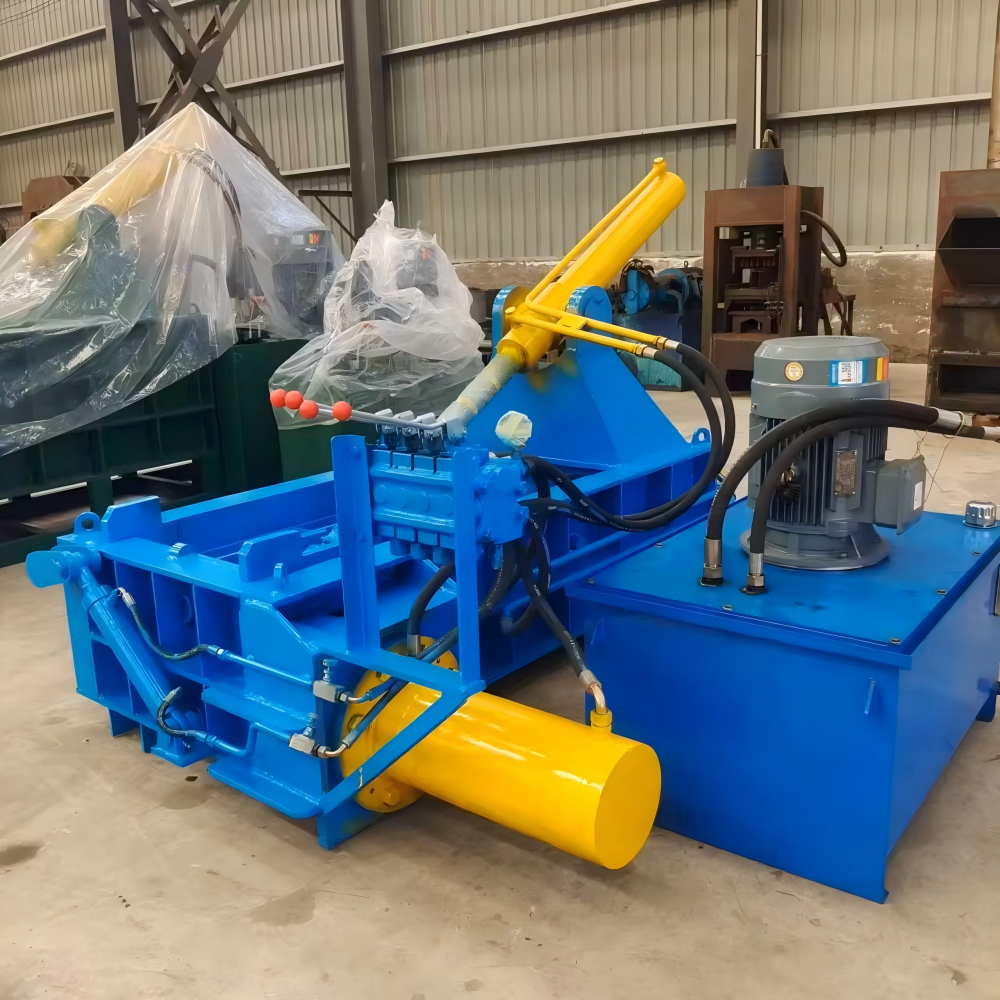
When selecting replacement parts to recover scrap metal baler performance, quality must take precedence over cost. Using generic or low-quality hydraulic components can lead to further shutdowns and potential damage to the machine’s frame. Always source components that meet or exceed the original specifications provided by HARSLE or your equipment manufacturer.
Consider the viscosity grade of your hydraulic fluid. In many cases, operators use a standard oil that may not be suitable for the high-load, high-heat environment of a scrap baler. Switching to a high-viscosity index (VI) synthetic hydraulic fluid can provide better protection across a wider temperature range, reducing the likelihood of thermal shutdowns during peak summer months or heavy-duty cycles.
When replacing hoses, ensure they are rated for the peak pressure of the system, including a safety margin for pressure spikes. Using hoses with a higher burst pressure rating than the system’s operating pressure is a best practice that adds a layer of reliability. Additionally, ensure that all fittings are properly torqued and that the hose routing avoids sharp bends or contact with abrasive surfaces, which can lead to premature failure.
For filtration, upgrade to high-efficiency synthetic media filters. These filters are capable of capturing smaller particles than standard cellulose filters, which is crucial for protecting sensitive proportional valves and high-pressure pumps. Implementing a dual-stage filtration system—one on the suction line and one on the return line—will significantly extend the life of your hydraulic components and help maintain consistent performance over the long term.
FAQ: Common Questions on Baler Maintenance
Why does my scrap metal baler shut down when the load is heavy?
Heavy loads require maximum hydraulic pressure. If the system is struggling, it is likely due to a failing pump, a miscalibrated relief valve, or internal leakage in the cylinders. The shutdown is a safety feature preventing the motor from burning out due to excessive load.
How often should I change the hydraulic oil in my baler?
Under normal conditions, hydraulic oil should be changed every 2,000 to 4,000 operating hours. However, if you have experienced repeated shutdowns or if the oil appears dark or smells burnt, it should be changed immediately, along with the filters.
Can I fix a hydraulic leak myself?
Minor leaks at fittings can often be tightened or repaired by replacing O-rings. However, if the leak is coming from a cylinder seal or a cracked hose, it is recommended to consult a professional technician to ensure the repair is performed safely and correctly.
What is the most common cause of hydraulic overheating?
The most common causes are a clogged oil cooler, low oil levels, or the use of incorrect hydraulic fluid viscosity. Ensure the cooling fan is operational and the radiator fins are free of dust and debris.
Conclusion
Recovering scrap metal baler performance after repeated hydraulic shutdowns is a methodical process that requires attention to detail and a commitment to quality maintenance. By addressing the root causes—whether they be thermal, mechanical, or fluid-related—you can restore your equipment to its original efficiency and extend its operational lifespan. Remember that the hydraulic system is a closed loop; every component relies on the health of the others.
At HARSLE, we believe that the longevity of your metal fabrication equipment is directly tied to the rigor of your maintenance program. By implementing the strategies outlined in this guide, you can transform your baler from a source of frustration into a reliable asset that drives your production goals. Regular audits, high-quality replacement parts, and a proactive approach to fluid management are the keys to sustained success in the scrap metal recycling industry.
If you continue to experience performance issues despite these efforts, it may be time to consult with a HARSLE technical specialist. Sometimes, the complexity of modern hydraulic systems requires specialized diagnostic tools that go beyond standard maintenance. Investing in the health of your machinery today will pay dividends in reduced downtime and increased profitability for years to come.