
Energy Saving Benefits of Using a Briquetting Machine in Workshop Waste Management

Technical Overview: The Mechanics of Briquetting
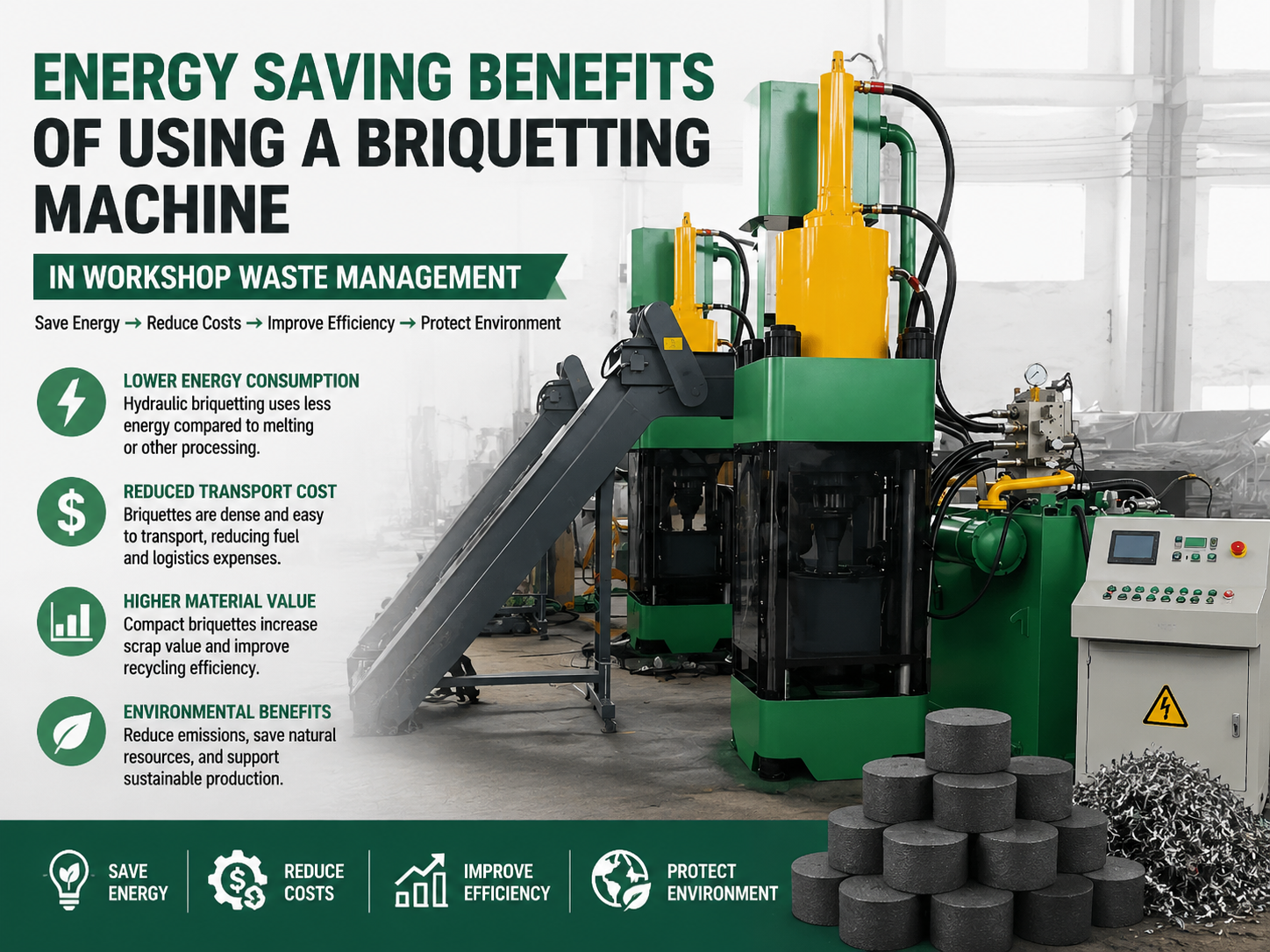
In the modern metal fabrication landscape, waste management is no longer just a logistical necessity; it is a critical component of operational efficiency and environmental compliance. A briquetting machine serves as the bridge between chaotic, high-volume metal scrap and high-value, manageable raw material. By utilizing high-pressure hydraulic systems, these machines compress loose metal chips, turnings, and swarf into dense, uniform briquettes. This process effectively removes cutting fluids, reduces the surface area of the waste, and prepares the material for direct furnace charging.
The technical foundation of a HARSLE briquetting machine lies in its ability to exert immense force—often exceeding 200 tons—to overcome the elastic memory of metal particles. When metal chips are loose, they occupy a massive volume, making storage and transportation energy-intensive. By transforming these into solid blocks, the machine minimizes the air gaps between particles, resulting in a density that often reaches 80-90% of the solid metal’s original density. This transformation is the primary driver behind the energy saving benefits of using a briquetting machine in workshop waste management.
Beyond simple volume reduction, the briquetting process is an essential step in fluid recovery. During the compression cycle, the machine forces out trapped coolants and lubricants from the porous metal structure. These fluids are then filtered and recycled back into the production line. This closed-loop approach significantly reduces the energy required to manufacture new cutting fluids and minimizes the environmental footprint of hazardous waste disposal, aligning with global sustainability standards.
Furthermore, the structural integrity of the briquettes is paramount. A well-engineered machine ensures that the briquettes do not crumble during handling or transport. This is achieved through precise control of the dwell time and pressure profiles. By maintaining consistent briquette quality, workshops can ensure that their downstream melting processes are more efficient, as dense briquettes melt faster and more uniformly than loose scrap, leading to substantial energy savings in the foundry or smelting phase.
Core Parameters: Defining Efficiency
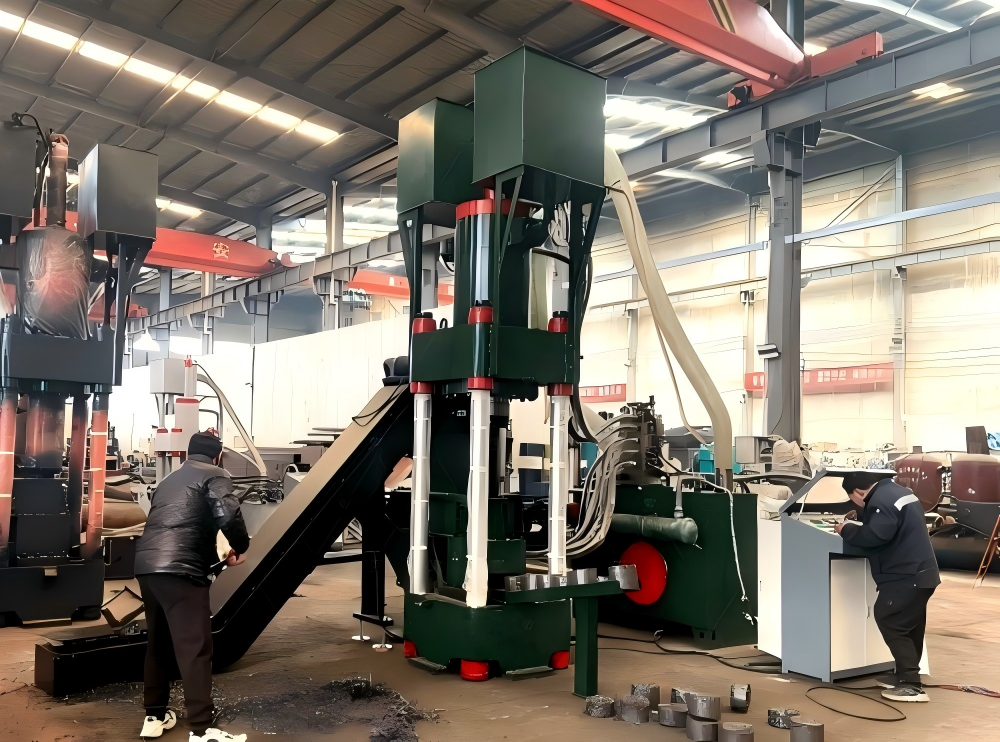
To fully understand the energy saving benefits of using a briquetting machine in workshop waste management, one must evaluate the core technical parameters that define machine performance. The primary metric is the compression force, measured in kilonewtons (kN) or tons. A higher compression force allows for the processing of harder alloys, such as stainless steel or titanium, while ensuring the resulting briquette is dense enough to withstand handling without breaking.
Another critical parameter is the throughput capacity, typically measured in kilograms per hour (kg/h). This parameter dictates how quickly the machine can clear the workshop floor of scrap. An undersized machine will lead to bottlenecks, forcing the workshop to run the equipment for extended periods, which increases energy consumption per unit of scrap processed. Conversely, an oversized machine may lead to excessive idle time, which is also inefficient. Selecting the right capacity is essential for balancing energy input with output volume.
The cycle time is the third pillar of efficiency. This refers to the duration required to complete one full compression stroke, including feeding, pressing, and ejection. Modern HARSLE briquetting machines utilize advanced PLC (Programmable Logic Controller) systems to optimize these cycles, ensuring that the motor runs only when necessary. By minimizing the time the hydraulic pump spends at peak load, the machine significantly lowers its total energy draw over a standard eight-hour shift.
Finally, the density of the final briquette is a key performance indicator. High-density briquettes are more valuable to recyclers and more efficient for internal melting. The machine’s ability to maintain consistent pressure throughout the stroke determines the final density. By achieving a high density, the workshop reduces the number of transport trips required to move the scrap, which is a significant indirect energy saving that is often overlooked in traditional waste management calculations.
Calculation Method: Quantifying Energy Savings
Calculating the energy saving benefits of using a briquetting machine in workshop waste management requires a multi-faceted approach. First, consider the reduction in logistics energy. Loose metal chips have a low bulk density, meaning a standard shipping container or truck is often limited by volume rather than weight. By briquetting, you increase the bulk density by a factor of 5 to 10, allowing you to transport the same mass of metal in fewer trips. The energy saved in fuel consumption for logistics is a direct result of the briquetting process.
Second, evaluate the energy recovery from cutting fluids. A typical machining operation loses 5-15% of its coolant to the scrap bin. By using a briquetting machine to extract this fluid, you reduce the need for purchasing new coolant and the energy-intensive process of treating waste coolant. The energy saved is the sum of the energy required to produce the coolant and the energy required to transport and treat the waste fluid. This is a significant hidden benefit that improves the ROI of the machine.
Third, analyze the melting efficiency. When loose chips are fed into a furnace, they often oxidize rapidly due to their high surface-area-to-volume ratio. This oxidation results in significant metal loss (dross). Briquettes, being dense, have a much lower surface area, which reduces oxidation and allows for a higher melt yield. The energy required to melt a ton of briquettes is significantly lower than the energy required to melt a ton of loose chips because the furnace spends less time and heat compensating for oxidation losses.
To calculate the total energy savings, use the following formula: Total Savings = (Logistics Energy Reduction) + (Fluid Recovery Energy Savings) + (Melting Efficiency Gains) – (Machine Operating Energy). By tracking these variables over a fiscal quarter, most workshops find that the briquetting machine pays for itself within 18 to 24 months, not just through scrap value, but through these cumulative energy and operational efficiencies.
Parameter Table: HARSLE Briquetting Series
| Model | Compression Force (Tons) | Throughput (kg/h) | Motor Power (kW) | Briquette Diameter (mm) |
|---|---|---|---|---|
| HBS-100 | 100 | 150-200 | 11 | 60 |
| HBS-200 | 200 | 300-400 | 18.5 | 80 |
| HBS-300 | 300 | 500-600 | 30 | 100 |
| HBS-500 | 500 | 800-1000 | 45 | 120 |
Common Engineering Mistakes
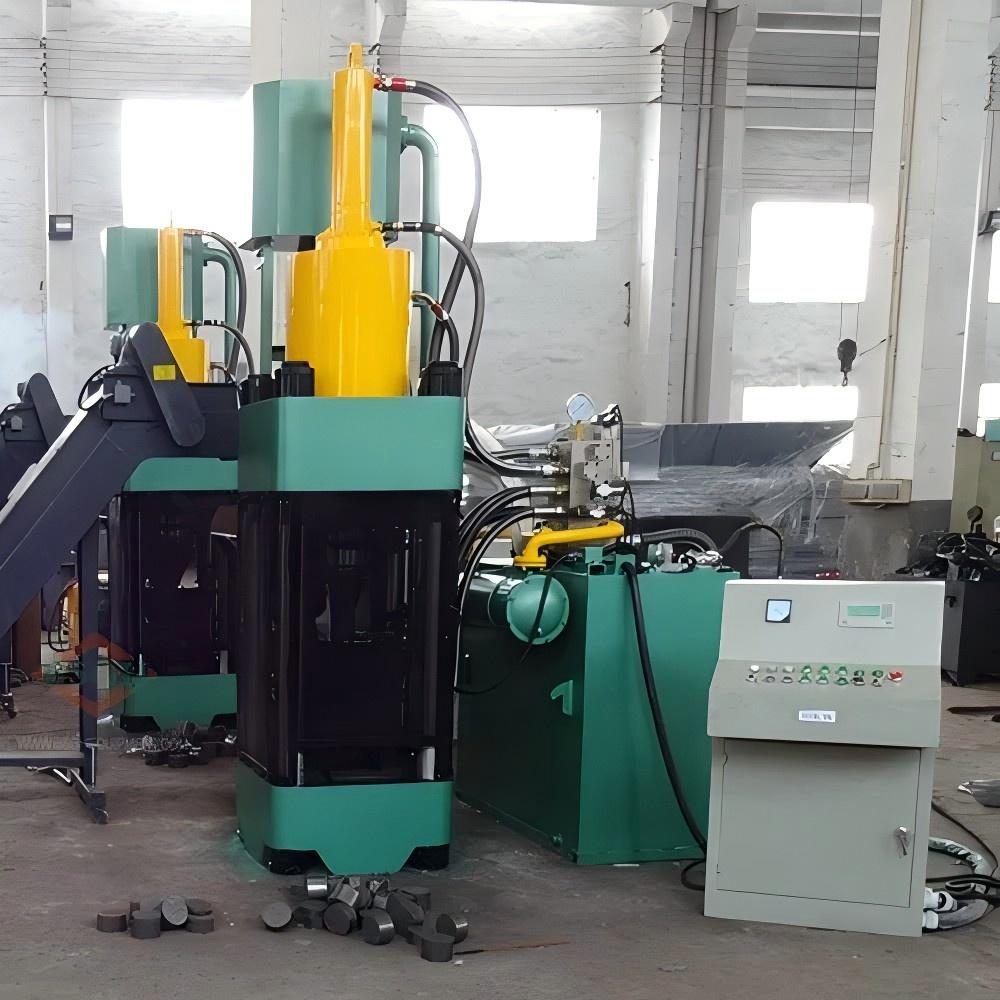
One of the most common mistakes in workshop waste management is the failure to properly pre-process the scrap. If the metal chips contain long, stringy turnings, they can clog the hopper of the briquetting machine. This leads to frequent machine stops and restarts, which spikes energy consumption and puts unnecessary strain on the hydraulic pump. Always ensure that a shredder or crusher is used to break down long turnings before they enter the briquetting machine.
Another frequent error is neglecting the maintenance of the hydraulic system. A poorly maintained hydraulic system with leaks or degraded oil will operate at lower efficiency, requiring the motor to work harder to achieve the same compression force. This not only wastes energy but also shortens the lifespan of the machine components. Regular oil analysis and filter changes are mandatory to maintain the energy saving benefits of using a briquetting machine in workshop waste management.
Many workshops also fail to optimize the placement of the briquetting machine. If the machine is located far from the source of the scrap, the energy spent moving the loose chips to the machine can negate the benefits of the briquetting process itself. The machine should be integrated into the production flow, ideally located near the CNC machines or the final inspection station, to minimize internal logistics energy.
Finally, ignoring the moisture content of the scrap is a critical mistake. If the scrap is excessively wet with coolant, the machine may struggle to form a solid briquette, leading to “mushy” blocks that fall apart. This requires the machine to run longer cycles to achieve the desired density. Proper drainage of the scrap before it enters the hopper is a simple but effective way to ensure the machine operates at peak energy efficiency.
Selection Checklist: Choosing Your Machine
- Material Type: Identify the primary metal (aluminum, steel, copper, or brass) as this dictates the required compression force.
- Volume Requirements: Calculate your daily scrap output to select a machine with the appropriate throughput capacity.
- Space Constraints: Measure your workshop floor space to ensure the machine footprint and the necessary conveyor systems fit comfortably.
- Fluid Recovery Needs: Determine if your current coolant recovery system is adequate or if you need a machine with advanced drainage capabilities.
- Integration Potential: Check if the machine can be easily integrated with your existing scrap handling conveyors or automated systems.
- After-Sales Support: Ensure the manufacturer provides reliable technical support and spare parts availability to prevent long-term downtime.
- Energy Efficiency Rating: Look for machines with variable frequency drives (VFDs) that adjust motor speed based on the load.
FAQ: Frequently Asked Questions
What are the primary energy saving benefits of using a briquetting machine in workshop waste management?
The primary benefits include reduced logistics costs due to higher material density, lower energy consumption in the melting process due to reduced oxidation, and significant energy savings from the recovery and recycling of cutting fluids.
Can a briquetting machine handle all types of metal scrap?
Most HARSLE briquetting machines are designed for ductile metals like aluminum, steel, and copper. However, the specific alloy and the physical form of the scrap (chips vs. turnings) will dictate the machine configuration. It is best to consult with our technical team regarding your specific material.
How often should the hydraulic oil be changed?
To maintain peak energy efficiency, we recommend changing the hydraulic oil every 2,000 to 3,000 operating hours, or as indicated by oil analysis. Regular maintenance ensures the hydraulic pump operates at optimal pressure without unnecessary energy loss.
Does the briquetting process affect the quality of the metal?
No, the process is purely mechanical. It does not change the chemical composition of the metal. In fact, it often improves the quality by removing contaminants and reducing oxidation, making the metal more valuable for secondary smelting.
Is it possible to automate the feeding process?
Yes, HARSLE briquetting machines can be equipped with automated conveyor systems and hopper sensors that detect the level of scrap, allowing the machine to start and stop automatically based on demand, which further optimizes energy usage.
What is the typical ROI for a briquetting machine?
While it depends on the volume of scrap and the local market price for metal, most industrial users see a return on investment within 1.5 to 2 years when accounting for scrap value, fluid recovery, and reduced logistics costs.












