How to Integrate a Briquetting Machine into a Metal Recycling Workflow: A Technical Guide

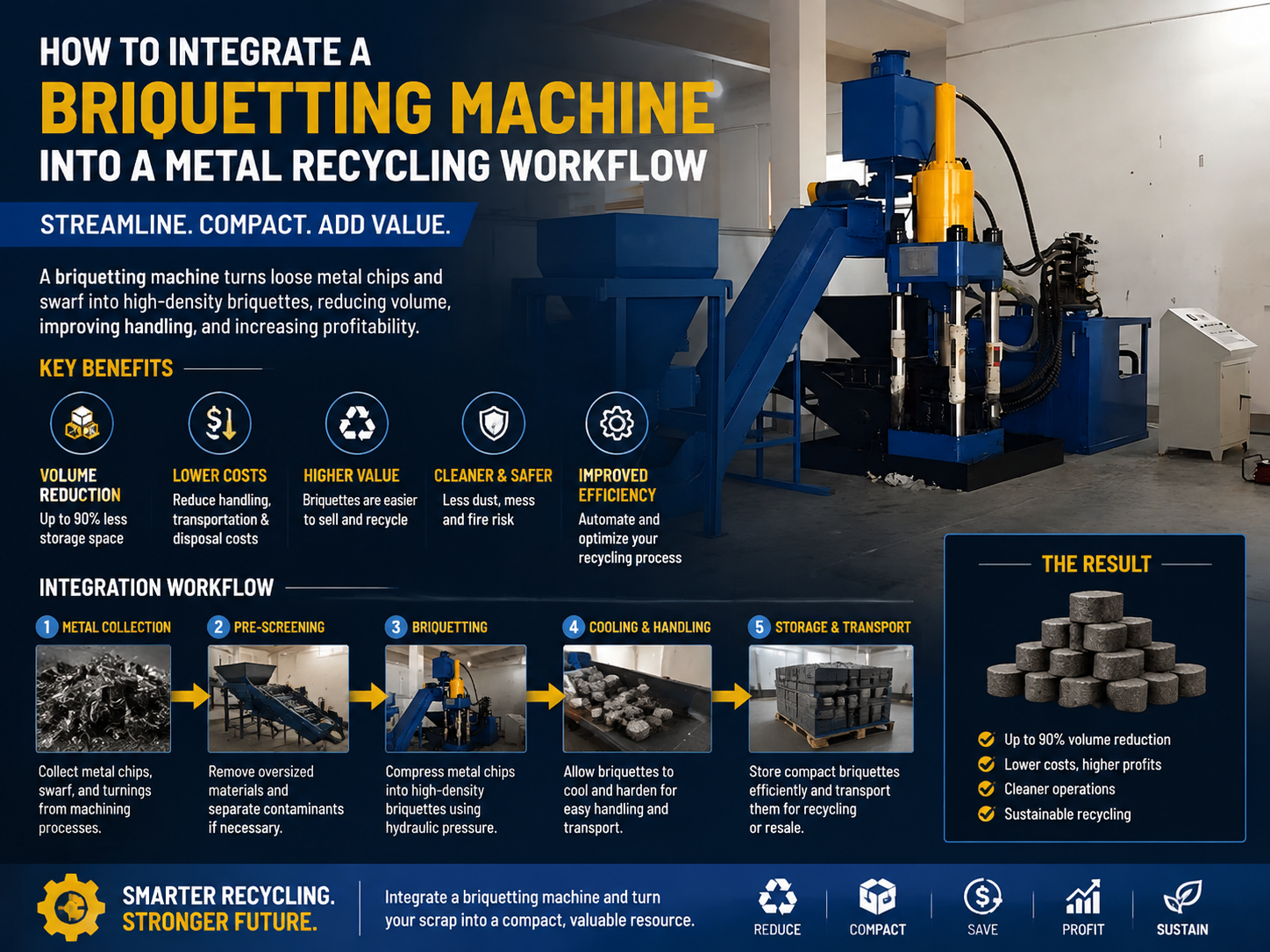
Technical Overview: The Role of Briquetting in Modern Metal Fabrication
In the contemporary landscape of metal fabrication, the management of swarf, chips, and metal dust is no longer just a waste disposal issue; it is a critical component of operational profitability. To integrate a briquetting machine into a metal recycling workflow is to transform low-density, high-volume waste into high-density, furnace-ready commodities. HARSLE hydraulic briquetting machines utilize high-pressure compression to remove cutting fluids and consolidate loose metal particles into solid, uniform briquettes.
The technical process involves feeding loose scrap into a hopper, where a pre-compression stage removes air and excess coolant. The material is then forced into a die chamber where a main hydraulic ram applies extreme pressure, typically ranging from 200 to 400 MPa depending on the material type. This process not only reduces the volume of the scrap by up to 90% but also recovers valuable cutting oils that would otherwise be lost to the landfill or incineration.
Integrating this technology requires a holistic view of the factory floor. It is not merely about placing a machine at the end of a production line; it is about creating a closed-loop system where scrap is collected, processed, and sold as a premium product. By reducing the surface area of the metal, briquetting significantly slows down the oxidation process, ensuring that the scrap retains its metallurgical integrity for longer periods.
Furthermore, the environmental impact of this integration cannot be overstated. By reclaiming cutting fluids, facilities reduce their chemical procurement costs and minimize the hazardous waste footprint. The resulting briquettes are easier to transport, store, and melt, making them highly sought after by foundries and smelters who prioritize high-purity, low-impurity feedstock.
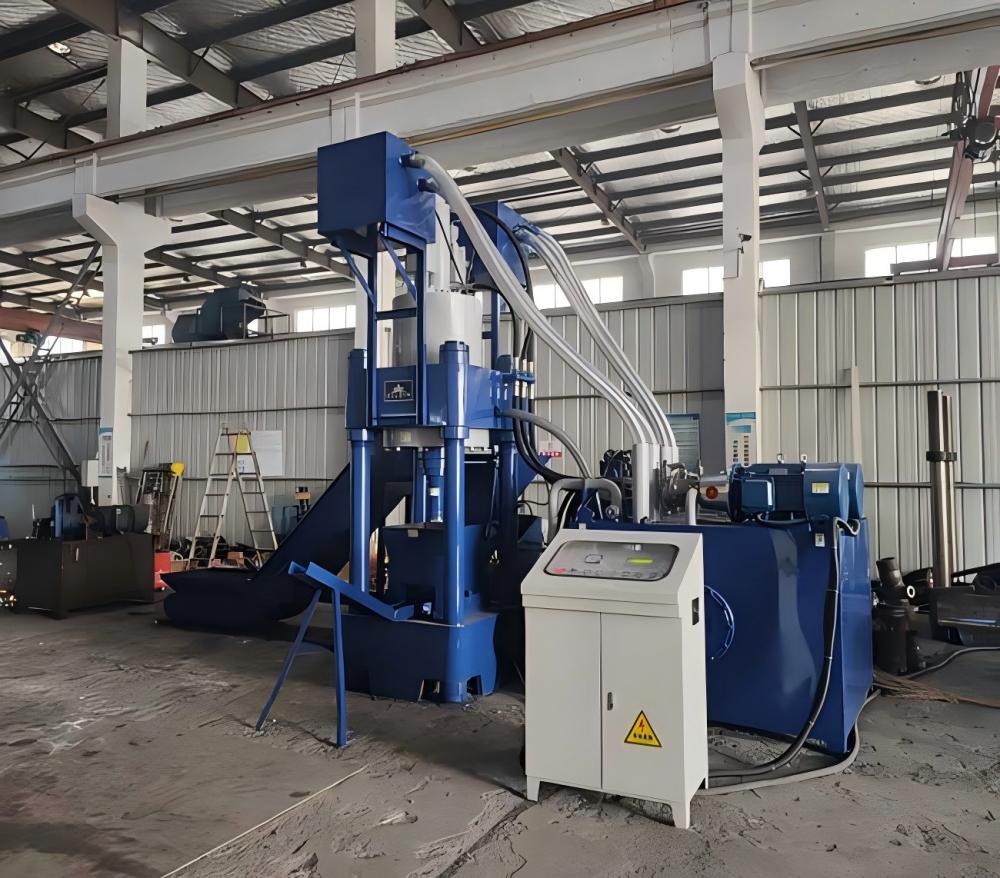
Core Parameters for System Integration
When planning to integrate a briquetting machine into a metal recycling workflow, engineers must focus on several core parameters that dictate the success of the installation. The first is the throughput capacity, measured in kilograms per hour (kg/h). This must be matched to the volume of scrap generated by your CNC machines or stamping presses to prevent bottlenecks in the production line.
The second critical parameter is the compression force. Different metals require different pressures to achieve the desired density. For instance, aluminum chips are relatively soft and require less pressure than hardened steel or titanium alloys. Selecting a machine with adjustable pressure settings allows for versatility if your fabrication facility handles a variety of materials throughout the year.
The third parameter is the coolant recovery system. A high-quality briquetting machine should feature an integrated filtration and drainage system that captures the coolant squeezed out during the compression cycle. This fluid can then be filtered and returned to the machine tools, creating a circular economy within your plant that drastically reduces fluid consumption costs.
Finally, consider the automation level of the integration. Modern HARSLE briquetting systems can be equipped with automated feeding conveyors, magnetic separators for removing tramp iron, and briquette discharge systems that feed directly into storage bins. These features reduce manual labor and ensure that the recycling workflow remains continuous and efficient.
Calculation Method: ROI and Efficiency Metrics
To justify the decision to integrate a briquetting machine into a metal recycling workflow, management must perform a rigorous cost-benefit analysis. The primary calculation involves the difference in market value between loose scrap and briquetted scrap. Foundries typically pay a premium for briquettes because they have a higher melt yield and lower oxidation rates compared to loose chips.
The second part of the calculation is the recovery of cutting fluids. If your facility generates 1,000 kg of chips per day, and those chips contain 5% oil by weight, you are losing 50 liters of coolant daily. At current industrial fluid prices, the annual savings from fluid recovery alone can often pay for the machine within 18 to 24 months. You must calculate the volume of fluid recovered, the cost per liter of new fluid, and the disposal costs saved by not having to treat oil-soaked scrap.
Logistics and storage costs represent the third pillar of the calculation. Loose chips occupy significant floor space and require frequent, expensive transport to recycling centers. By densifying the scrap, you reduce the number of transport trips required, effectively lowering your carbon footprint and logistics overhead. Use the formula: (Volume Reduction Factor) x (Transport Cost per Trip) to estimate your annual savings.
Finally, factor in the reduction in labor hours. Manual handling of loose scrap is time-consuming and poses safety risks. An automated briquetting system reduces the need for manual shoveling and bin management. By assigning a dollar value to the labor hours saved, you can complete a comprehensive ROI model that clearly demonstrates the financial viability of the integration.
Parameter Table: Selecting the Right HARSLE Model
| Parameter | Entry-Level Model | Mid-Range Model | Heavy-Duty Model |
|---|---|---|---|
| Compression Force | 100-150 Tons | 200-300 Tons | 400+ Tons |
| Throughput (kg/h) | 50-150 | 200-500 | 600-1200 |
| Briquette Diameter | 40-60mm | 70-100mm | 100-150mm |
| Coolant Recovery | Basic | Advanced Filtration | High-Efficiency Centrifugal |
| Automation Level | Manual/Semi | Semi-Auto | Fully Automated |
Common Engineering Mistakes During Integration
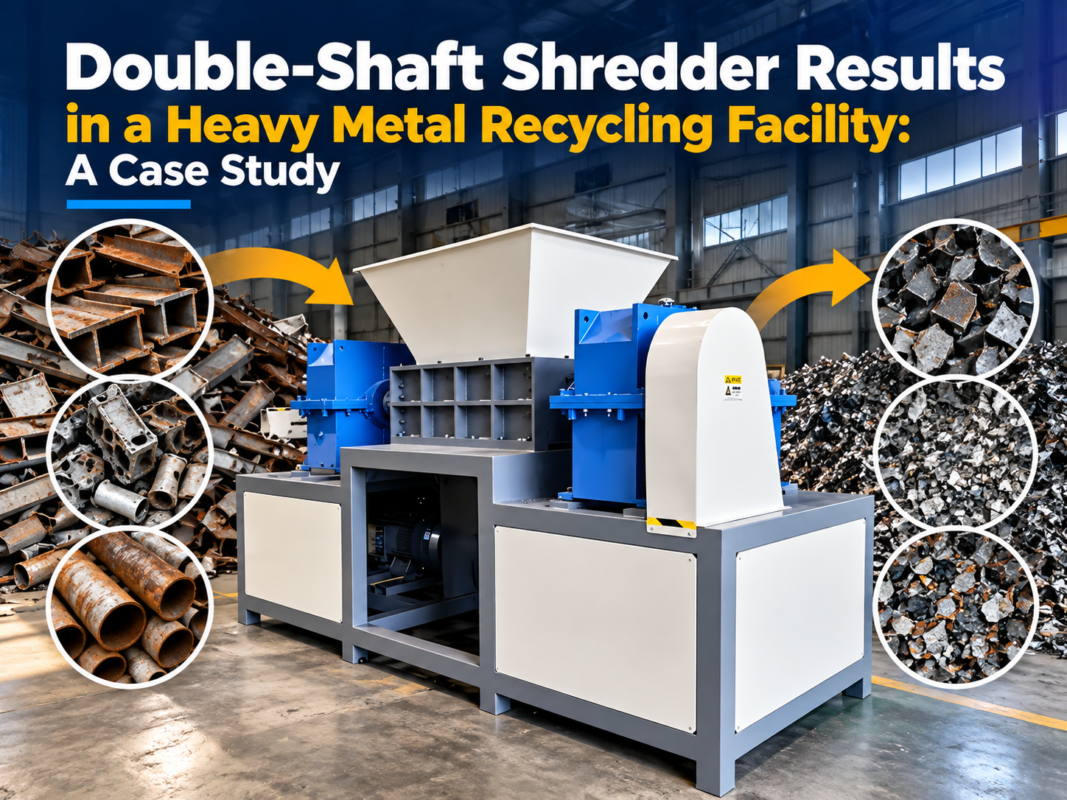
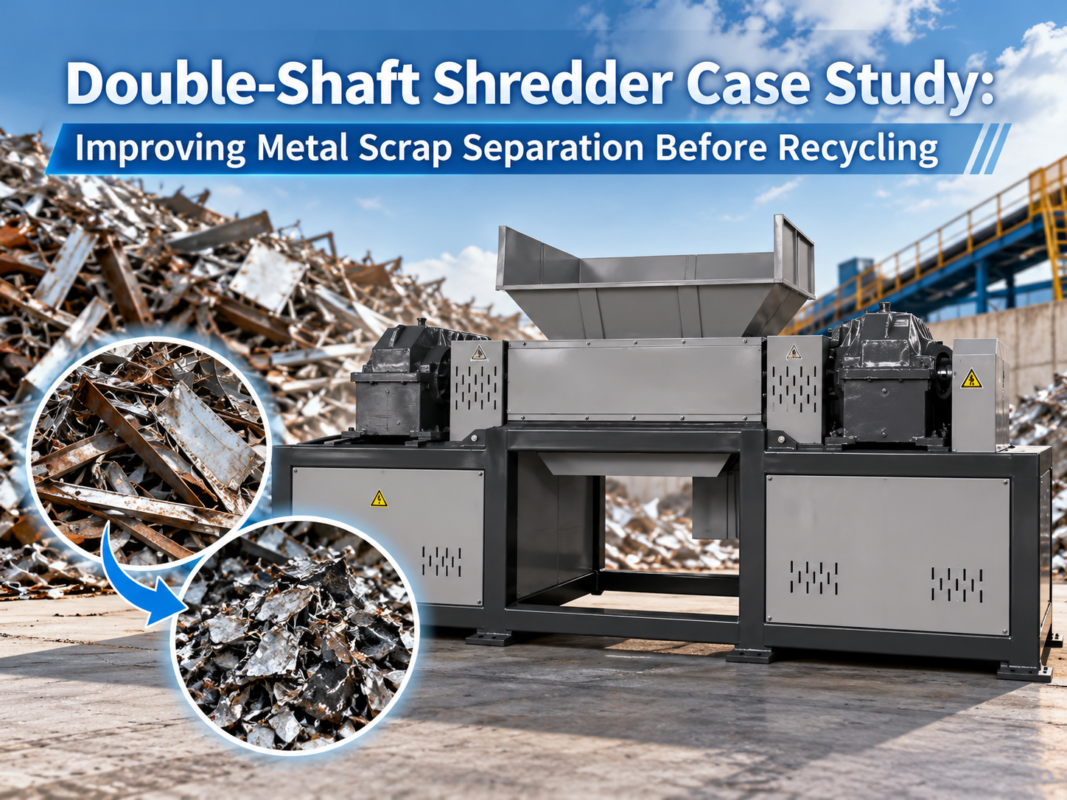
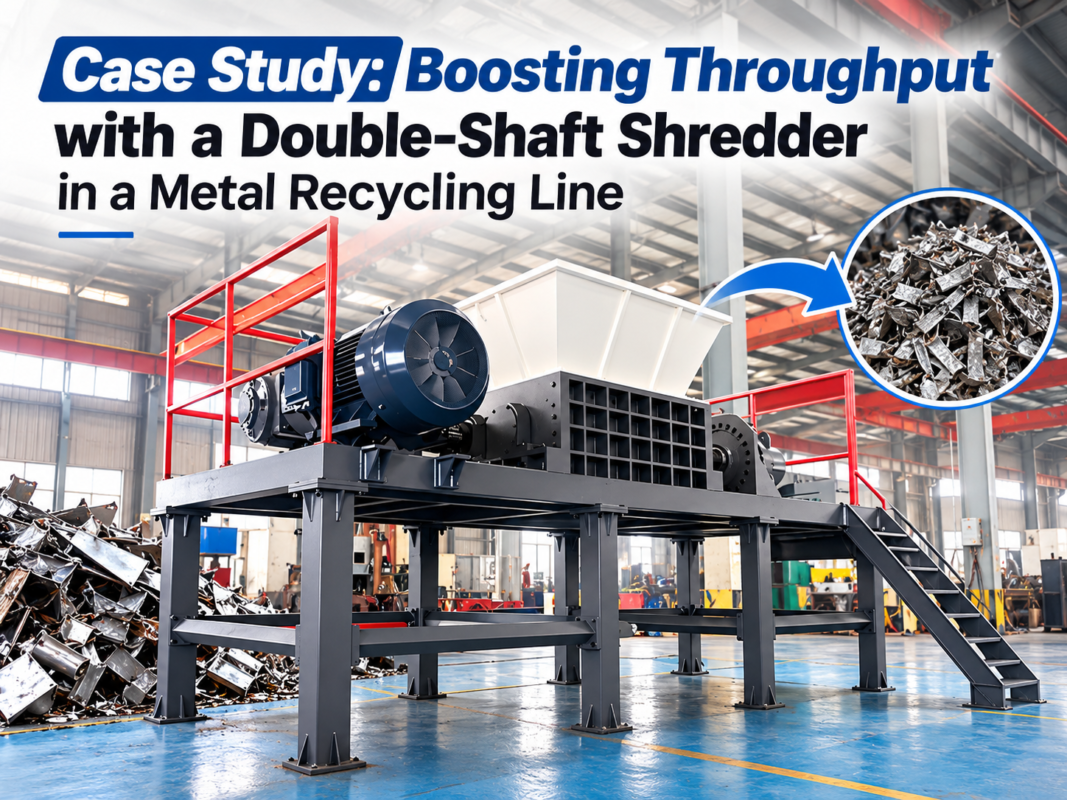
One of the most frequent mistakes when attempting to integrate a briquetting machine into a metal recycling workflow is failing to account for the physical state of the incoming scrap. If the scrap contains long, stringy turnings, it will clog the hopper and prevent consistent feeding. It is essential to install a shredder or crusher upstream of the briquetting machine to ensure the material is in a uniform, granular state before it enters the press.
Another common error is neglecting the compatibility of the coolant with the machine seals. Some synthetic coolants can degrade standard hydraulic seals over time. Always verify that the briquetting machine’s internal components are compatible with the specific chemical composition of the fluids used in your CNC machining process. Failure to do so will lead to premature maintenance issues and costly downtime.
Inadequate space planning is a third mistake. Many facilities underestimate the footprint required for the briquetting machine, the conveyor system, and the storage bins for the finished briquettes. When designing the layout, ensure there is sufficient clearance for maintenance access, as regular cleaning of the die and ram is necessary to maintain optimal performance and prevent contamination between different metal types.
Lastly, many companies fail to train their staff on the specific nuances of briquetting. Operators must understand how to monitor the density of the briquettes and when to adjust the pressure settings. Without proper training, the machine may be run at inefficient settings, leading to poor-quality briquettes that do not command the expected premium price at the foundry. Integration is as much about human process as it is about mechanical hardware.
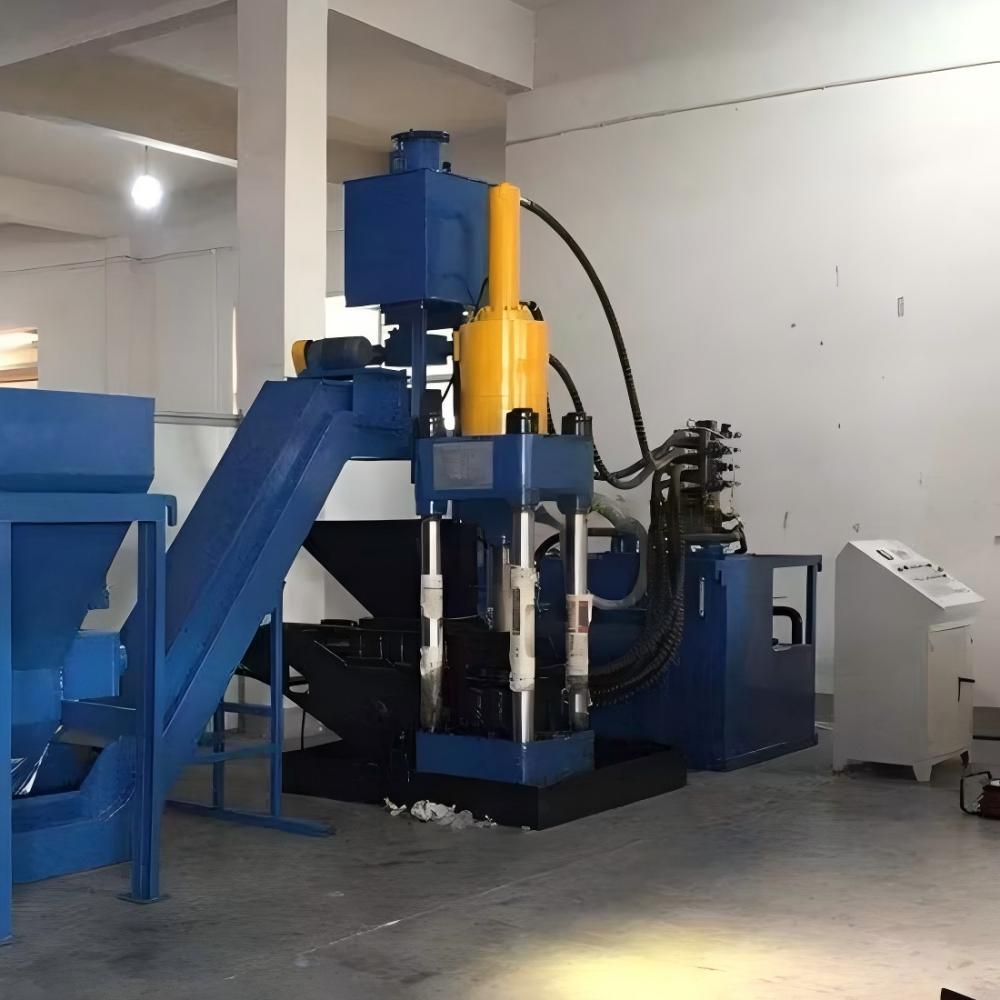
Selection Checklist: What to Look for in a Briquetting Machine
- Material Compatibility: Ensure the machine is rated for the specific metals you process (e.g., aluminum, copper, steel, or cast iron).
- Throughput Requirements: Match the machine’s hourly capacity to your peak scrap generation rates.
- Coolant Recovery Efficiency: Look for systems that offer multi-stage filtration to maximize fluid reclamation.
- Build Quality: Prioritize heavy-duty steel construction and high-grade hydraulic components for longevity.
- Ease of Maintenance: Check for accessible lubrication points and modular die designs for quick replacement.
- Automation Features: Evaluate the need for automatic feeding, level sensors, and remote monitoring capabilities.
- After-Sales Support: Choose a manufacturer like HARSLE that provides comprehensive technical support and spare parts availability.
FAQ: Frequently Asked Questions
Can I mix different types of metal in the briquetting machine?
It is highly recommended to process one type of metal at a time. Mixing metals, such as aluminum and steel, will result in contaminated briquettes that have significantly lower market value and may be rejected by foundries.
How often does the die need to be replaced?
The lifespan of the die depends on the abrasiveness of the metal being processed. Harder metals like steel will wear the die faster than aluminum. Regular lubrication and proper maintenance can extend the life of the die significantly.
Does the briquetting machine require a special power supply?
Most industrial briquetting machines require a 3-phase power supply. It is essential to check the voltage and amperage requirements of the specific model against your facility’s electrical infrastructure before purchase.
How much space do I need for the integration?
The footprint varies by model, but you should account for the machine itself, the infeed conveyor, the coolant collection tank, and a buffer area for the finished briquette bins. A typical installation requires at least 15-20 square meters of dedicated space.
Is the briquetting process noisy?
While hydraulic machines operate with some noise, modern HARSLE briquetting machines are designed with sound-dampening enclosures to minimize the impact on the factory floor environment. Proper mounting on vibration-dampening pads can further reduce noise levels.